
Viewing Posts by Kannan Ganesan
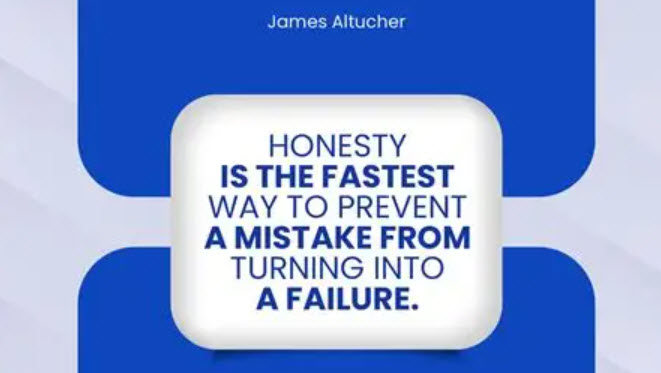
The Honest Path: Why Truth-Telling Is a Strategic Advantage in Project Management


| The Honest Path: Why Truth-Telling Is a Strategic Advantage in Project Management
In the high-stakes world of project management, where deadlines loom and budgets tighten, honesty can feel like a luxury. But it is a strategic necessity. Truth-telling is not just about ethics—it is about building resilient teams, fostering trust, and steering projects toward sustainable success. 🔍 Honesty: More Than a Moral Choice Honesty in project management means transparent communication, accurate reporting, and integrity in decision-making. It is the difference between a project that survives short-term pressures and one that thrives long-term. When project managers embrace honesty, they create a culture where issues are identified early, risks are managed proactively, and stakeholders stay aligned. ⚠️ Common Ethical Dilemmas Even seasoned professionals face moments of ethical tension:
These decisions may seem minor, but they compound over time—leading to mistrust, scope creep, and even project failure. 🧭 Honesty as a Strategic Lever Truth-telling offers tangible benefits:
📜 PMI’s Ethics Code: Honesty at the Core The Project Management Institute (PMI) places honesty as one of its four foundational values—alongside responsibility, respect, and fairness. PMI’s Ethics Code reinforces this by offering practical toolkits and decision-making frameworks to help professionals navigate ethical gray zones with clarity. 🛠️ How to Lead with Honesty Here are actionable ways to embed honesty into your project leadership:
🧩 Conclusion: Honesty Is Leadership In project management, honesty is not weakness—it is wisdom. It is the quiet force that keeps teams united, stakeholders informed, and outcomes aligned with values. The honest path may not always be the easiest, but it is the one that leads to lasting impact. Please share your experiences and thoughts… |
The Ethical Compass of Project Management: Doing What is Right Beyond What is Legal
| "Legality draws the line we must not cross; ethics raises the bar we strive to reach."
In project management, success hinges on timelines, budgets, and deliverables. Yet, beneath these metrics lies a deeper principle: ethics. As practitioners, we are trained not just to follow the law but to do "what is right." This distinction—between legality and morality—shapes our decisions, builds trust, and defines our legacy. Legal vs. Ethical Standards Legality sets the baseline: contracts met, regulations followed. It is the minimum standard. Ethics, however, pushes us further. A project might be legally sound yet ethically flawed—say, exploiting a contract loophole to cut safety costs. The law might permit it, but "what is right" demands we reject it. This mindset is not optional; it is ingrained through certifications like PMI’s Code of Ethics and Professional Conduct (CoEPC), which emphasizes Responsibility, Respect, Fairness and Honesty. The Ethical Foundation Our training instils a moral compass. It is the instinct to challenge a decision that harms stakeholders or the courage to prioritize sustainability over profit, even when laws do not require it. This is not about rule-following—it is about anticipating consequences and acting with integrity. A project manager who opts for greener practices beyond legal mandates is not just ethical; they are visionary, fostering innovation and goodwill. Why Ethics Trumps Legality Focusing on "what is right" is not altruism—it is practical. Projects are ecosystems of people and relationships. A legally compliant but ethically weak project might succeed short-term but falter in trust or reputation. Conversely, ethical choices—like fair labour practices or transparency—build loyalty and resilience. Clients remember integrity; teams thrive under it. Ethics does not just elevate outcomes; it sustains them. The Real-World Balancing Act Reality complicates this ideal. Tight deadlines and budgets test our resolve. Do you delay a project to fix an ethical issue, risking stakeholder ire? Do you push a team harder to meet a moral goal, risking burnout? These trade-offs demand balance. Ethical project managers lean on transparency—engaging stakeholders, explaining dilemmas, and finding collaborative fixes. This keeps projects on track without compromising principles. The Ripple Effect Ethical decisions ripple outward. Rejecting a bribe sets a standard. Prioritizing community impact over profit inspires trust. These choices, often subtle, shape cultures and industries. They prove project managers are not just taskmasters—we are stewards of progress. PMI’s Ethical Decision-Making Framework (EDMF) is a great tool to refer. Conclusion: Ethics as Our Guide Our indoctrination to "do what is right" elevates project management from execution to purpose. Legality is the guardrail; ethics is the compass. It ensures our work does not just meet deadlines but leaves a positive mark. In a field of constant change, this commitment to integrity anchors us, turning projects into legacies worth building. Question Have you come across projects that have proved to be more Ethical beyond Legal? Please share your thoughts and insights! |

Navigating Ethical Challenges in Project Management: Fairness, Favoritism, and Prejudice
Categories:
Ethics as a competence,
Behavior,
code of ethics,
Ethical Leadership,
Decision-making,
Ethics Insight Team,
Ethics Bistro,
Business Ethics,
code of conduct,
Ways of Working,
Decision-making,
Do the right thing,
project manager,
Ethical Dilemma,
Professional Responsibility,
Professional Conduct,
Fairness,
Project Management,
Code of Ethics and Professional Conduct,
fairness,
professonal conduct,
Conflict,
Cultural Diversity,
professional conduct,
Decision Making,
Ethics
Categories: Ethics as a competence, Behavior, code of ethics, Ethical Leadership, Decision-making, Ethics Insight Team, Ethics Bistro, Business Ethics, code of conduct, Ways of Working, Decision-making, Do the right thing, project manager, Ethical Dilemma, Professional Responsibility, Professional Conduct, Fairness, Project Management, Code of Ethics and Professional Conduct, fairness, professonal conduct, Conflict, Cultural Diversity, professional conduct, Decision Making, Ethics
| “Fairness is not an attitude. It's a professional skill that must be developed and exercised – Brit Hume”
In the dynamic world of project management, maintaining fairness and avoiding favoritism and prejudice are crucial for fostering a productive and harmonious work environment. These ethical challenges can significantly impact team morale, project outcomes, and the overall success of an organization. Let’s delve into how fairness, favoritism, and prejudice play out in project management and explore strategies to address these issues effectively.
1. The Importance of Fairness
2. The Detrimental Effects of Favoritism
3. Addressing Prejudice in the Workplace
4. Strategies for Promoting Fairness
5. Creating a Positive Work Environment
Conclusion Fairness, favoritism, and prejudice are critical issues in project management that can significantly impact team dynamics and project success. By promoting fairness, addressing favoritism, and mitigating prejudice, project managers can create a more inclusive, productive, and positive work environment. This not only enhances team morale but also drives better project outcomes. Question: What are your experiences with fairness, favoritism, and prejudice in project management? How have you addressed these challenges in your projects? Share your thoughts and insights! |



