
What is new in PMBOK 8 – An ethics perspective
Categories:
Ethics as a competence,
Values,
Behavior,
values,
code of ethics,
Ethical Leadership,
Decision-making,
Ethics Insight Team,
Ethics Bistro,
Business Ethics,
code of conduct,
PMI Talent Triangle,
Ways of Working,
Decision-making,
Values,
Business Ethics,
AI,
Project,
PMI Program Management,
Do the right thing,
Culture,
Ethical Dilemma,
respect,
Professional Responsibility,
Professional Conduct,
Honesty,
Respect,
Responsibility,
Project Management,
Code of Ethics and Professional Conduct,
honesty,
responsibility,
professonal conduct,
volunteers,
professional conduct,
Digital Transformation,
Ethics in Communication,
Agile,
Leadership,
Decision Making,
Ethics,
Diversity,
Organizational Project Management,
Information Technology,
Organizational Culture,
Governance,
Artificial Intelligence
Categories: Ethics as a competence, Values, Behavior, values, code of ethics, Ethical Leadership, Decision-making, Ethics Insight Team, Ethics Bistro, Business Ethics, code of conduct, PMI Talent Triangle, Ways of Working, Decision-making, Values, Business Ethics, AI, Project, PMI Program Management, Do the right thing, Culture, Ethical Dilemma, respect, Professional Responsibility, Professional Conduct, Honesty, Respect, Responsibility, Project Management, Code of Ethics and Professional Conduct, honesty, responsibility, professonal conduct, volunteers, professional conduct, Digital Transformation, Ethics in Communication, Agile, Leadership, Decision Making, Ethics, Diversity, Organizational Project Management, Information Technology, Organizational Culture, Governance, Artificial Intelligence


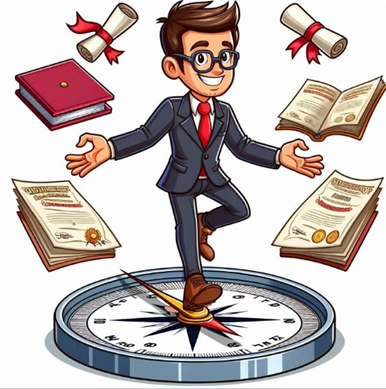 Imagine a team of explorers crossing a desert. No matter how skilled its members are or how modern their vehicles are, they may not succeed in reaching their destination without a compass. In project management, ethics serve as that compass, guiding decision-making, fostering trust, and ensuring accountability. For PMI Members, the compass is the Code of Ethics and Professional Conduct. Developed even before the first edition of the Project Management Book of Knowledge, the Code was and remains the holder of the guardrails of the project management profession. PMBOK 7 replaced knowledge areas with performance domains. The 8th is more aligned with the Agile delivery approach, whilst retaining the importance of good governance. Like the previous version, the PMBOK highlights alignment with both internal and external environments. It is important to note the focus on artificial intelligence and sustainability. Principles of project management PMBOK 8 simplified the 12 principles from the 7th edition to create a more focused and actionable foundation for modern project management. The principles of project management are aligned with the values of PMI’s Code of Ethics and Professional Conduct. They do not follow the same format, and they are not duplicative; rather, the principles and the Code of Ethics are complementary. ·Adopt a holistic view: Consider the project within its larger organizational and ecosystem context. ·Focus on value: Prioritize delivering tangible value and aligning project outcomes with strategic goals. ·Embed quality into processes and deliverables: Integrate quality throughout the project lifecycle, not just as a final check. ·Be an accountable leader: Take ownership and responsibility for the project's success and outcomes. ·Integrate sustainability within all project areas: Include environmental and social considerations in project work. ·Build an empowered culture: Foster a project environment that empowers team members. Enterprise environmental factors: Internal and external to the Organization ·The standard emphasises the impact of organizational culture, structure, and governance. Aspects like vision, mission, values, beliefs, cultural norms, leadership style, hierarchy and authority relationships, organizational style, ethics, and code of conduct remain critical success factors, as well as a framework for ethical decision making. Social and cultural influences and issues. External factors include political climate, regional customs and traditions, public holidays and events, codes of conduct, ethics, and perceptions. Artificial Intelligence (AI) AI ethical issues, especially the responsible use of AI tools and the negative impact on project team members, are an especially important aspect. Topics like data privacy and security can be addressed using technical controls. Issues like bias and fairness require special attention from project managers. Lack of clarity on who is responsible when AI-driven decisions go wrong can create confusion and an unending blame game. AI agents cannot be (yet) included in a Responsible, Accountable, Consulted, or Informed (RACI) matrix. Although their use is unavoidable, the responsibility and accountability remain with the human user. The use of AI is dependent on context, and it should be assessed for each project through a decision-making process to determine when AI can assist with tasks or provide more time for other valuable activities. The evaluation should be focused on the use of AI to produce project artifacts. Initiative-taking measures should be considered to identify and assess the risk of incorporating AI and determine if it is acceptable or it should be controlled. Below is a list of some ethical concerns related to the use of AI in projects
·Diversification of the data sets on which the AI system is trained; ·Periodic tests conducted on the AI system, with particular focus on bias; and ·Involvement of different teams in the development of the AI system. Procurement is another ethics area of focus that PMBOK 8 provides guidance on. In chapter X4.9.2, Sensitivity of Legal Actions and Upholding Ethics Codes, the standard provides considerations to avoid impact on project outcomes and stakeholder relationships: ·Nuanced communication. ·Escalation protocols. ·Confidentiality. ·Impartiality. PMBOK 7 explicitly references the PMI Code of Ethics as a complementary and essential guide for project professionals. This code provides the specific rules for ethical conduct, based on core values of honesty, responsibility, respect, and fairness.
|
Ethics, and Professionalization of Project Management
Categories:
Professionalization,
Project,
PMI Program Management,
Regulatory,
Do the right thing,
Legilsation,
CIO,
CxO,
CEO,
CFO,
PMIAA,
Thought leadership,
Nexus,
Strategy,
Ethics
Categories: Professionalization, Project, PMI Program Management, Regulatory, Do the right thing, Legilsation, CIO, CxO, CEO, CFO, PMIAA, Thought leadership, Nexus, Strategy, Ethics
| The end of the year is a generous time when we all expect to give and receive, to go over the year’s achievements and to prepare for the New Year. For project managers, and for all professionals involved in management of projects, programs and portfolios, the month of December 2016 brought a historical and ground breaking development. The U.S. President Barack Obama signed bill S.1550, the Program Management Improvement and Accountability Act of 2015 (PMIAA). With this law in place, the CxO class (CEOs, CIOs and CFOs) in the agencies of the U.S. federal government are now directed to use and apply project and program standards in their work. This is a major shift in management practices, with direct social and economic impact, not only in the United States but also around the world. The Project Management Institute (PMI) has been a strong advocate for the professionalization and recognition of project and program management as an occupation. This cause has been pursued since the late 1960s, and the support now offered by the U.S. federal government is the crowning achievement of over five decades of professional advocacy. The message is clear not only for the professionals in private and public sector in the United States: Project management brings professionalism, accountability, efficiency and ultimately success to any management agenda. Our hope is that the impact and implications will serve as the basis for similar government initiatives around the world. Let’s examine this monumental achievement, which supports the process of professionalization of project and program management, and see how ethics comes into play. PMI and others have exerted intense and prolonged efforts to move toward the professionalization of project and program management. These efforts have combined creation of standards, education in project and program management, defining the right skill sets and suggesting, via thought leadership, ways to improve business practices. But these practices must go hand in hand with ethics and high integrity, as they are the nexus of business and strategy for any value-based professional activity. Sharing the responsibility for benefits in the field of professional project, program and portfolio management requires ethics, as well as “values” in the form of general ethical principles on how professionals should treat the people they work with and what sorts of actions are regarded as right or wrong. With the PMIAA, the CxO class is called upon to engage their businesses in ethical practices in a desire to do the right thing, and convince stakeholders of their capability of doing the right thing, thus achieving the right thing! The ability to “do the right thing” should be enabled internationally with the appropriate regulatory support and legislation being enacted by additional governments world-wide. We applaud the efforts and support of the United States federal government, and hope more jurisdictions will follow their lead. |


