Purpose & Impact: Turning Purpose into Choices That Matter
From the Support to Develop Blog
by Luis Branco

This blog addresses management-related topics and has three areas of focus: 1. Technical skills; 2. Competencies in the field of interpersonal relations and communication (including personal organization and delegation, leadership, teamwork, conflict resolution, conducting meetings, and negotiation); and 3. Strategy (including diagnosis, strategic guidelines, and implementation).4.Technology
Recent Posts
Purpose & Impact: Turning Purpose into Choices That Matter
Regenerative Trust: Building the Conditions for Responsible Action
Collaborative Culture: Turning Shared Understanding into Coordinated Action
Regenerative Learning: Turning Experience into Organizational Capability
Delegation with Purpose: Building Autonomy and Developing Capability
Categories
Agile,
Career Development,
Career Development,
Career Development,
Career Development,
Career Development,
Career Development,
Career Development,
Career Development,
Career Development,
Career Development,
Career Development,
Career Development,
Career Development,
Career Development,
Career Development,
Career Development,
Career Development,
Career Development,
Career Development,
Career Development,
Career Development,
Career Development,
Career Development,
Career Development,
Career Development,
Career Development,
Career Development,
Career Development,
Career Development,
Career Development,
Career Development,
Career Development,
Career Development,
Career Development,
Career Development,
Career Development,
Career Development,
Career Development,
Career Development,
Career Development,
Career Development,
Career Development,
Career Development,
Career Development,
Career Development,
Career Development,
Career Development,
Career Development,
Career Development,
Career Development,
Career Development,
Career Development,
Career Development,
Career Development,
Career Development,
Career Development,
Career Development,
Career Development,
Career Development,
Career Development,
Career Development,
Career Development,
Career Development,
Career Development,
Career Development,
Career Development,
Career Development,
Career Development,
Career Development,
Career Development,
Career Development,
Career Development,
Career Development,
Career Development,
Career Development,
Career Development,
Career Development,
Career Development,
Career Development,
Career Development,
Career Development,
Career Development,
Career Development,
Career Development,
Career Development,
Career Development,
Career Development,
Career Development,
Career Development,
Career Development,
Career Development,
Career Development,
Career Development,
Career Development,
Career Development,
Career Development,
Career Development,
Career Development,
Career Development,
Career Development,
Career Development,
Career Development,
Career Development,
Career Development,
Career Development,
Career Development,
Career Development,
Career Development,
Career Development,
Career Development,
Career Development,
Career Development,
Career Development,
Career Development,
Career Development,
Career Development,
Career Development,
Career Development,
Career Development,
Career Development,
Career Development,
Career Development,
Education,
Governance,
Governance,
Governance,
Governance,
Governance,
Governance,
Governance,
Governance,
Governance,
Governance,
Governance,
Governance,
Governance,
Governance,
Governance,
Governance,
Governance,
Governance,
Governance,
Governance,
Governance,
Governance,
Governance,
Governance,
Governance,
Governance,
In,
Integration Management,
Interpersonal Skills,
Interpersonal Skills,
Interpersonal Skills,
Interpersonal Skills,
Interpersonal Skills,
Interpersonal Skills,
Interpersonal Skills,
Interpersonal Skills,
Interpersonal Skills,
Interpersonal Skills,
Interpersonal Skills,
Interpersonal Skills,
Interpersonal Skills,
Interpersonal Skills,
Interpersonal Skills,
Interpersonal Skills,
Interpersonal Skills,
Interpersonal Skills,
Interpersonal Skills,
Interpersonal Skills,
Interpersonal Skills,
Interpersonal Skills,
Interpersonal Skills,
Interpersonal Skills,
Interpersonal Skills,
Interpersonal Skills,
Interpersonal Skills,
Interpersonal Skills,
Interpersonal Skills,
Interpersonal Skills,
Interpersonal Skills,
Interpersonal Skills,
Interpersonal Skills,
Interpersonal Skills,
Interpersonal Skills,
Interpersonal Skills,
Interpersonal Skills,
Interpersonal Skills,
Interpersonal Skills,
Interpersonal Skills,
Interpersonal Skills,
Interpersonal Skills,
Interpersonal Skills,
Interpersonal Skills,
Interpersonal Skills,
Interpersonal Skills,
Interpersonal Skills,
Interpersonal Skills,
Interpersonal Skills,
Interpersonal Skills,
Interpersonal Skills,
Interpersonal Skills,
Interpersonal Skills,
Interpersonal Skills,
Interpersonal Skills,
Interpersonal Skills,
Interpersonal Skills,
Interpersonal Skills,
Interpersonal Skills,
Interpersonal Skills,
Interpersonal Skills,
Interpersonal Skills,
Interpersonal Skills,
Interpersonal Skills,
Interpersonal Skills,
Interpersonal Skills,
Interpersonal Skills,
Interpersonal Skills,
Interpersonal Skills,
Interpersonal Skills,
Interpersonal Skills,
Interpersonal Skills,
Interpersonal Skills,
Interpersonal Skills,
Interpersonal Skills,
Interpersonal Skills,
Interpersonal Skills,
Interpersonal Skills,
Interpersonal Skills,
Interpersonal Skills,
Interpersonal Skills,
Interpersonal Skills,
Interpersonal Skills,
Interpersonal Skills,
Interpersonal Skills,
Interpersonal Skills,
Interpersonal Skills,
Interpersonal Skills,
Interpersonal Skills,
Interpersonal Skills,
Interpersonal Skills,
Interpersonal Skills,
Interpersonal Skills,
Interpersonal Skills,
Interpersonal Skills,
Interpersonal Skills,
Interpersonal Skills,
Interpersonal Skills,
Interpersonal Skills,
Interpersonal Skills,
Interpersonal Skills,
Interpersonal Skills,
Interpersonal Skills,
Interpersonal Skills,
Interpersonal Skills,
Interpersonal Skills,
Interpersonal Skills,
Interpersonal Skills,
Interpersonal Skills,
Interpersonal Skills,
Interpersonal Skills,
Interpersonal Skills,
Interpersonal Skills,
Interpersonal Skills,
Interpersonal Skills,
Interpersonal Skills,
Interpersonal Skills,
Interpersonal Skills,
Interpersonal Skills,
Interpersonal Skills,
Interpersonal Skills,
Interpersonal Skills,
Knowledge Management,
le,
lea,
Leadership,
Leadership,
Leadership,
Leadership,
Leadership,
Leadership,
Leadership,
Leadership,
Leadership,
Leadership,
Leadership,
Leadership,
Leadership,
Leadership,
Leadership,
Leadership,
Leadership,
Leadership,
Leadership,
Leadership,
Leadership,
Leadership,
Leadership,
Leadership,
Leadership,
Leadership,
Leadership,
Leadership,
Leadership,
Leadership,
Leadership,
Leadership,
Leadership,
Leadership,
Leadership,
Leadership,
Leadership,
Leadership,
Leadership,
Leadership,
Leadership,
Leadership,
Leadership,
Leadership,
Leadership,
Leadership,
Leadership,
Leadership,
Leadership,
Leadership,
Leadership,
Leadership,
Leadership,
Leadership,
Leadership,
Leadership,
Leadership,
Leadership,
Leadership,
Leadership,
Leadership,
Leadership,
Leadership,
Leadership,
Leadership,
Leadership,
Leadership,
Leadership,
Leadership,
Leadership,
Leadership,
Leadership,
Leadership,
Leadership,
Leadership,
Leadership,
Leadership,
Leadership,
Leadership,
Leadership,
Leadership,
Leadership,
Leadership,
Leadership,
Leadership,
Leadership,
Leadership,
Leadership,
Leadership,
Leadership,
Leadership,
Leadership,
Leadership,
Leadership,
Leadership,
Leadership,
Leadership,
Leadership,
Leadership,
Leadership,
Leadership,
Leadership,
Leadership,
Leadership,
Leadership,
Leadership,
Leadership,
Leadership,
Leadership,
Leadership,
Leadership,
Leadership,
Leadership,
Leadership,
Leadership,
Leadership,
Leadership,
Leadership,
Leadership,
Leadership,
Leadership,
Leadership,
Leadership,
or,
Organizational Project Management,
Portfolio Management,
Program,
Program Management,
Strategy,
Strategy,
Strategy,
Strategy,
Strategy,
Strategy,
Strategy,
Strategy,
Strategy,
Strategy,
Strategy,
Strategy,
Strategy,
Strategy,
Strategy,
Strategy,
Strategy,
Strategy,
Strategy,
Strategy,
Strategy,
Strategy,
Strategy,
Strategy,
Strategy,
Strategy,
Strategy,
Strategy,
Strategy,
Strategy,
Strategy,
Strategy,
Strategy,
Strategy,
Strategy,
Strategy,
Strategy,
Strategy,
Strategy,
Strategy,
Strategy,
Strategy,
Strategy,
Strategy,
Strategy,
Strategy,
Strategy,
Strategy,
Strategy,
Strategy,
Strategy,
Strategy,
Strategy,
Strategy,
Strategy,
Strategy,
Strategy,
Strategy,
Strategy,
Strategy,
Strategy,
Strategy,
Strategy,
Strategy,
Strategy,
Strategy,
Strategy,
Strategy,
Strategy,
Strategy,
Strategy,
Strategy,
Strategy,
Strategy,
Strategy,
Strategy,
Strategy,
Strategy,
Strategy,
Strategy,
Strategy,
Strategy,
Strategy,
Strategy,
Strategy,
Strategy,
Strategy,
Strategy,
Strategy,
Strategy,
Strategy,
Strategy,
Strategy,
Strategy,
Strategy,
Strategy,
Strategy,
Strategy,
Strategy,
Strategy,
Strategy,
Strategy,
Strategy,
Strategy,
Strategy,
Strategy,
Strategy,
Strategy,
Strategy,
Strategy,
Strategy,
Strategy,
Strategy,
Strategy,
Strategy,
Strategy,
Strategy,
Strategy,
Strategy,
Strategy,
Strategy,
Strategy,
Strategy,
Sustainability,
Talent Management,
Talent Management,
Talent Management,
Talent Management,
Talent Management,
Talent Management,
Talent Management,
Talent Management,
Talent Management,
Talent Management,
Talent Management,
Talent Management,
Talent Management,
Talent Management,
Talent Management,
Talent Management,
Talent Management,
Talent Management,
Talent Management,
Talent Management,
Talent Management,
Talent Management,
Talent Management,
Talent Management,
Talent Management,
Talent Management,
Talent Management,
Talent Management,
Talent Management,
Talent Management,
Talent Management,
Talent Management,
Talent Management,
Talent Management,
Talent Management,
Talent Management,
Talent Management,
Talent Management,
Talent Management,
Talent Management,
Talent Management,
Talent Management,
Talent Management,
Talent Management,
Talent Management,
Talent Management,
Talent Management,
Talent Management,
Talent Management,
Talent Management,
Talent Management,
Talent Management,
Talent Management,
Talent Management,
Talent Management,
Talent Management,
Talent Management,
Talent Management,
Talent Management,
Talent Management,
Talent Management,
Talent Management,
Talent Management,
Talent Management,
Talent Management,
Talent Management,
Talent Management,
Talent Management,
Talent Management,
Talent Management,
Talent Management,
Talent Management,
Talent Management,
Talent Management,
Talent Management,
Talent Management,
Talent Management,
Talent Management,
Talent Management,
Talent Management,
Talent Management,
Talent Management,
Talent Management,
Talent Management,
Talent Management,
Talent Management,
Talent Management,
Talent Management,
Talent Management,
Talent Management,
Talent Management,
Talent Management,
Talent Management,
Talent Management,
Talent Management,
Talent Management,
Talent Management,
Talent Management,
Talent Management,
Talent Management,
Talent Management,
Talent Management,
Talent Management,
Talent Management,
Talent Management,
Talent Management,
Talent Management,
Talent Management,
Talent Management,
Talent Management,
Talent Management,
Talent Management,
Talent Management,
Talent Management,
Talent Management,
Talent Management,
Talent Management,
Talent Management,
Talent Management,
Talent Management,
Talent Management,
Talent Management,
Talent Management,
Teams
Date
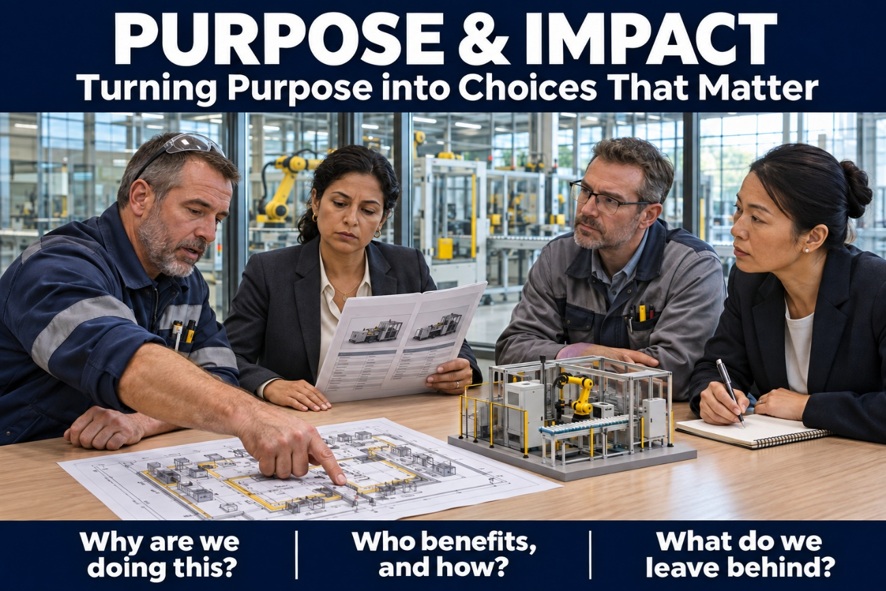 A project can meet its targets and leave others carrying costs its success measures never captured. Purpose becomes consequential when it shapes what we choose, whose interests we consider and which consequences we are prepared to accept.
A statement of purpose can provide direction. Its credibility depends on how it influences decisions, particularly when resources are limited or an attractive opportunity conflicts with the organization’s stated values.
In regenerative leadership, the immediate result matters alongside its consequences and the capability that remains. An intervention may improve performance while exhausting a team, creating a critical dependency or transferring difficulties to suppliers and communities.
Three questions offer a practical entry point into Positive Impact by Design:
Why are we doing this? Who benefits, and how? What do we leave behind?They help connect purpose with the examination of alternatives, consequences and future responsibilities. They do not guarantee positive impact. The effects of implementation need to be assessed, and that evidence must inform subsequent action.
Why are we doing this?Purpose helps clarify the contribution an initiative is intended to make and why that contribution matters.
It should influence the criteria used to compare alternatives, allocate resources and judge whether an opportunity deserves pursuit. This includes identifying what the organization is unwilling to compromise.
A profitable proposal may still conflict with that purpose. Equally, invoking purpose does not establish that a proposal is viable or that its benefits justify its costs.
The practical test is whether purpose informs the reasoning and the commitment. What receives priority? What safeguards are funded? What is retained, declined or redesigned?
When circumstances change, the interpretation of purpose may need examination. Any revision should be explicit, justified and made by those with the appropriate authority, preserving applicable ethical commitments and safeguards.
Who benefits, and how?The people who receive the benefits may differ from those who bear the effort, risk or loss.
An efficiency gain can improve customer service while increasing pressure on a support team. A purchasing decision can reduce the buyer’s costs while imposing delivery requirements or financial exposure that a supplier cannot sustainably absorb.
Examining impact requires asking who is affected, how their situation may change and whose perspective is missing from the initial assessment.
Consultation helps reveal these consequences. It does not eliminate incompatible interests or create enough resources to satisfy every expectation.
Where a choice imposes a disadvantage, the decision should make that consequence visible, explain the criteria used and identify proportionate measures to avoid, reduce or address the harm. Some consequences may justify rejecting the proposal.
A shared purpose does not make every trade-off acceptable.
What do we leave behind?A completed delivery, its use and its longer-term effects are different things.
New equipment may be operational while the organization lacks the expertise or maintenance budget to sustain it. A process may work because one experienced person repeatedly intervenes. Those obligations and dependencies belong in the assessment of what the intervention leaves behind.
Dependence on a specialist or partner can be appropriate. Its implications need to be understood, supported and reviewed.
The same examination can reveal capabilities developed: knowledge others can use, people prepared to exercise judgment, more dependable relationships or processes that remain adaptable as conditions change.
Can people understand the solution, support it and revise it? Who carries the ongoing responsibilities, and do they have the means to fulfil them?
A legacy includes obligations as well as benefits.
A practical exampleConsider a hypothetical manufacturer assessing investment in an automated production line.
The initial comparison emphasizes throughput, operating costs and the expected payback period. One option offers the shortest payback but leaves unresolved whether existing staff can safely operate and maintain the equipment.
Why? The organization clarifies that the investment is intended to improve product quality and production reliability as well as financial performance. Safe operation is a condition of approval, not a benefit that can be traded away for a faster return.
Who benefits? Customers may receive more consistent products. Operators face changing responsibilities and possible displacement. Maintenance staff may inherit unfamiliar equipment, while suppliers may need to meet different requirements. Their input helps identify consequences missing from the initial comparison.
What remains? The organization examines training, future roles, maintenance capacity and supplier dependence. It also asks how new employees will develop practical knowledge if automation removes tasks that previously provided that experience.
The alternatives can then be redesigned or compared on a fuller basis. Phased implementation, different equipment specifications or additional investment in skills and support may be appropriate. If safe operation cannot be established, the option should not proceed in its current form.
A longer payback may be justified by the capabilities and safeguards provided. That conclusion still requires explicit appraisal of costs, benefits, uncertainty and available alternatives.
After implementation, verification should examine product quality, financial performance, workload, employment effects and the capability to operate and maintain the line. Unexpected consequences require attention even when the headline investment targets are met.
Purpose shapes the assessment and the commitment. Evidence determines what can be concluded about the impact.
Examine impact over timeDifferent effects emerge at different speeds. A cost reduction may be visible before a loss of expertise or a maintenance dependency becomes apparent.
Useful questions include:
- Did the intended benefit occur, and for whom?
- What costs or disadvantages emerged, including outside the team delivering the work?
- Can people sustain the result with the resources and capabilities available?
- What needs to be corrected, strengthened or reconsidered?
AI-enabled changes deserve the same scrutiny. Faster output should be examined alongside its quality, people’s ability to question it and the opportunities available to develop the judgment needed for future responsibilities.
Purpose becomes regenerative in practice when it guides responsible choices, its consequences are examined and addressed, and the intervention helps preserve, develop or restore the capacity to create value in the future.Which decision would change if your organization examined who benefits, who bears the consequences and what remains after delivery?
Posted on: November 04, 2026 04:28 AM |
Permalink
Comments (0)
Please login or join to subscribe to this item
Please Login/Register to leave a comment.
|
"I must say that I find television very educational. The minute somebody turns it on, I go to the library and read a book."
- Groucho Marx
|




