
This blog addresses management-related topics and has three areas of focus: 1. Technical skills; 2. Competencies in the field of interpersonal relations and communication (including personal organization and delegation, leadership, teamwork, conflict resolution, conducting meetings, and negotiation); and 3. Strategy (including diagnosis, strategic guidelines, and implementation).4.Technology
Recent Posts
RCPCV™: A Method for Decision-Making and Continuous Improvement
The Same Change Can Succeed and Fail at the Same Time
What Must Exist Even When No Single Role Owns the Whole?
PHASE 4 – THE EMERGENCE
When Structural Drift Becomes Consequential
Categories
Agile,
Career Development,
Career Development,
Career Development,
Career Development,
Career Development,
Career Development,
Career Development,
Career Development,
Career Development,
Career Development,
Career Development,
Career Development,
Career Development,
Career Development,
Career Development,
Career Development,
Career Development,
Career Development,
Career Development,
Career Development,
Career Development,
Career Development,
Career Development,
Career Development,
Career Development,
Career Development,
Career Development,
Career Development,
Career Development,
Career Development,
Career Development,
Career Development,
Career Development,
Career Development,
Career Development,
Career Development,
Career Development,
Career Development,
Career Development,
Career Development,
Career Development,
Career Development,
Career Development,
Career Development,
Career Development,
Career Development,
Career Development,
Career Development,
Career Development,
Career Development,
Career Development,
Career Development,
Career Development,
Career Development,
Career Development,
Career Development,
Career Development,
Career Development,
Career Development,
Career Development,
Career Development,
Career Development,
Career Development,
Career Development,
Career Development,
Career Development,
Career Development,
Career Development,
Career Development,
Career Development,
Career Development,
Career Development,
Career Development,
Career Development,
Career Development,
Career Development,
Career Development,
Career Development,
Career Development,
Career Development,
Career Development,
Career Development,
Career Development,
Career Development,
Career Development,
Career Development,
Career Development,
Career Development,
Career Development,
Career Development,
Career Development,
Career Development,
Career Development,
Career Development,
Career Development,
Career Development,
Career Development,
Career Development,
Career Development,
Career Development,
Career Development,
Career Development,
Career Development,
Career Development,
Career Development,
Career Development,
Career Development,
Career Development,
Career Development,
Career Development,
Career Development,
Career Development,
Career Development,
Career Development,
Career Development,
Career Development,
Career Development,
Career Development,
Career Development,
Career Development,
Career Development,
Career Development,
Education,
Governance,
Governance,
Governance,
Governance,
Governance,
Governance,
Governance,
Governance,
Governance,
Governance,
Governance,
Governance,
Governance,
Governance,
Governance,
Governance,
Governance,
Governance,
Governance,
Governance,
Governance,
In,
Integration Management,
Interpersonal Skills,
Interpersonal Skills,
Interpersonal Skills,
Interpersonal Skills,
Interpersonal Skills,
Interpersonal Skills,
Interpersonal Skills,
Interpersonal Skills,
Interpersonal Skills,
Interpersonal Skills,
Interpersonal Skills,
Interpersonal Skills,
Interpersonal Skills,
Interpersonal Skills,
Interpersonal Skills,
Interpersonal Skills,
Interpersonal Skills,
Interpersonal Skills,
Interpersonal Skills,
Interpersonal Skills,
Interpersonal Skills,
Interpersonal Skills,
Interpersonal Skills,
Interpersonal Skills,
Interpersonal Skills,
Interpersonal Skills,
Interpersonal Skills,
Interpersonal Skills,
Interpersonal Skills,
Interpersonal Skills,
Interpersonal Skills,
Interpersonal Skills,
Interpersonal Skills,
Interpersonal Skills,
Interpersonal Skills,
Interpersonal Skills,
Interpersonal Skills,
Interpersonal Skills,
Interpersonal Skills,
Interpersonal Skills,
Interpersonal Skills,
Interpersonal Skills,
Interpersonal Skills,
Interpersonal Skills,
Interpersonal Skills,
Interpersonal Skills,
Interpersonal Skills,
Interpersonal Skills,
Interpersonal Skills,
Interpersonal Skills,
Interpersonal Skills,
Interpersonal Skills,
Interpersonal Skills,
Interpersonal Skills,
Interpersonal Skills,
Interpersonal Skills,
Interpersonal Skills,
Interpersonal Skills,
Interpersonal Skills,
Interpersonal Skills,
Interpersonal Skills,
Interpersonal Skills,
Interpersonal Skills,
Interpersonal Skills,
Interpersonal Skills,
Interpersonal Skills,
Interpersonal Skills,
Interpersonal Skills,
Interpersonal Skills,
Interpersonal Skills,
Interpersonal Skills,
Interpersonal Skills,
Interpersonal Skills,
Interpersonal Skills,
Interpersonal Skills,
Interpersonal Skills,
Interpersonal Skills,
Interpersonal Skills,
Interpersonal Skills,
Interpersonal Skills,
Interpersonal Skills,
Interpersonal Skills,
Interpersonal Skills,
Interpersonal Skills,
Interpersonal Skills,
Interpersonal Skills,
Interpersonal Skills,
Interpersonal Skills,
Interpersonal Skills,
Interpersonal Skills,
Interpersonal Skills,
Interpersonal Skills,
Interpersonal Skills,
Interpersonal Skills,
Interpersonal Skills,
Interpersonal Skills,
Interpersonal Skills,
Interpersonal Skills,
Interpersonal Skills,
Interpersonal Skills,
Interpersonal Skills,
Interpersonal Skills,
Interpersonal Skills,
Interpersonal Skills,
Interpersonal Skills,
Interpersonal Skills,
Interpersonal Skills,
Interpersonal Skills,
Interpersonal Skills,
Interpersonal Skills,
Interpersonal Skills,
Interpersonal Skills,
Interpersonal Skills,
Interpersonal Skills,
Interpersonal Skills,
Interpersonal Skills,
Interpersonal Skills,
Interpersonal Skills,
Interpersonal Skills,
Interpersonal Skills,
Interpersonal Skills,
Interpersonal Skills,
Knowledge Management,
le,
lea,
Leadership,
Leadership,
Leadership,
Leadership,
Leadership,
Leadership,
Leadership,
Leadership,
Leadership,
Leadership,
Leadership,
Leadership,
Leadership,
Leadership,
Leadership,
Leadership,
Leadership,
Leadership,
Leadership,
Leadership,
Leadership,
Leadership,
Leadership,
Leadership,
Leadership,
Leadership,
Leadership,
Leadership,
Leadership,
Leadership,
Leadership,
Leadership,
Leadership,
Leadership,
Leadership,
Leadership,
Leadership,
Leadership,
Leadership,
Leadership,
Leadership,
Leadership,
Leadership,
Leadership,
Leadership,
Leadership,
Leadership,
Leadership,
Leadership,
Leadership,
Leadership,
Leadership,
Leadership,
Leadership,
Leadership,
Leadership,
Leadership,
Leadership,
Leadership,
Leadership,
Leadership,
Leadership,
Leadership,
Leadership,
Leadership,
Leadership,
Leadership,
Leadership,
Leadership,
Leadership,
Leadership,
Leadership,
Leadership,
Leadership,
Leadership,
Leadership,
Leadership,
Leadership,
Leadership,
Leadership,
Leadership,
Leadership,
Leadership,
Leadership,
Leadership,
Leadership,
Leadership,
Leadership,
Leadership,
Leadership,
Leadership,
Leadership,
Leadership,
Leadership,
Leadership,
Leadership,
Leadership,
Leadership,
Leadership,
Leadership,
Leadership,
Leadership,
Leadership,
Leadership,
Leadership,
Leadership,
Leadership,
Leadership,
Leadership,
Leadership,
Leadership,
Leadership,
Leadership,
Leadership,
Leadership,
Leadership,
Leadership,
Leadership,
Leadership,
Leadership,
Leadership,
Leadership,
Leadership,
or,
Organizational Project Management,
Portfolio Management,
Program,
Program Management,
Strategy,
Strategy,
Strategy,
Strategy,
Strategy,
Strategy,
Strategy,
Strategy,
Strategy,
Strategy,
Strategy,
Strategy,
Strategy,
Strategy,
Strategy,
Strategy,
Strategy,
Strategy,
Strategy,
Strategy,
Strategy,
Strategy,
Strategy,
Strategy,
Strategy,
Strategy,
Strategy,
Strategy,
Strategy,
Strategy,
Strategy,
Strategy,
Strategy,
Strategy,
Strategy,
Strategy,
Strategy,
Strategy,
Strategy,
Strategy,
Strategy,
Strategy,
Strategy,
Strategy,
Strategy,
Strategy,
Strategy,
Strategy,
Strategy,
Strategy,
Strategy,
Strategy,
Strategy,
Strategy,
Strategy,
Strategy,
Strategy,
Strategy,
Strategy,
Strategy,
Strategy,
Strategy,
Strategy,
Strategy,
Strategy,
Strategy,
Strategy,
Strategy,
Strategy,
Strategy,
Strategy,
Strategy,
Strategy,
Strategy,
Strategy,
Strategy,
Strategy,
Strategy,
Strategy,
Strategy,
Strategy,
Strategy,
Strategy,
Strategy,
Strategy,
Strategy,
Strategy,
Strategy,
Strategy,
Strategy,
Strategy,
Strategy,
Strategy,
Strategy,
Strategy,
Strategy,
Strategy,
Strategy,
Strategy,
Strategy,
Strategy,
Strategy,
Strategy,
Strategy,
Strategy,
Strategy,
Strategy,
Strategy,
Strategy,
Strategy,
Strategy,
Strategy,
Strategy,
Strategy,
Strategy,
Strategy,
Strategy,
Strategy,
Strategy,
Strategy,
Strategy,
Strategy,
Strategy,
Sustainability,
Talent Management,
Talent Management,
Talent Management,
Talent Management,
Talent Management,
Talent Management,
Talent Management,
Talent Management,
Talent Management,
Talent Management,
Talent Management,
Talent Management,
Talent Management,
Talent Management,
Talent Management,
Talent Management,
Talent Management,
Talent Management,
Talent Management,
Talent Management,
Talent Management,
Talent Management,
Talent Management,
Talent Management,
Talent Management,
Talent Management,
Talent Management,
Talent Management,
Talent Management,
Talent Management,
Talent Management,
Talent Management,
Talent Management,
Talent Management,
Talent Management,
Talent Management,
Talent Management,
Talent Management,
Talent Management,
Talent Management,
Talent Management,
Talent Management,
Talent Management,
Talent Management,
Talent Management,
Talent Management,
Talent Management,
Talent Management,
Talent Management,
Talent Management,
Talent Management,
Talent Management,
Talent Management,
Talent Management,
Talent Management,
Talent Management,
Talent Management,
Talent Management,
Talent Management,
Talent Management,
Talent Management,
Talent Management,
Talent Management,
Talent Management,
Talent Management,
Talent Management,
Talent Management,
Talent Management,
Talent Management,
Talent Management,
Talent Management,
Talent Management,
Talent Management,
Talent Management,
Talent Management,
Talent Management,
Talent Management,
Talent Management,
Talent Management,
Talent Management,
Talent Management,
Talent Management,
Talent Management,
Talent Management,
Talent Management,
Talent Management,
Talent Management,
Talent Management,
Talent Management,
Talent Management,
Talent Management,
Talent Management,
Talent Management,
Talent Management,
Talent Management,
Talent Management,
Talent Management,
Talent Management,
Talent Management,
Talent Management,
Talent Management,
Talent Management,
Talent Management,
Talent Management,
Talent Management,
Talent Management,
Talent Management,
Talent Management,
Talent Management,
Talent Management,
Talent Management,
Talent Management,
Talent Management,
Talent Management,
Talent Management,
Talent Management,
Talent Management,
Talent Management,
Talent Management,
Talent Management,
Talent Management,
Talent Management,
Talent Management
Date
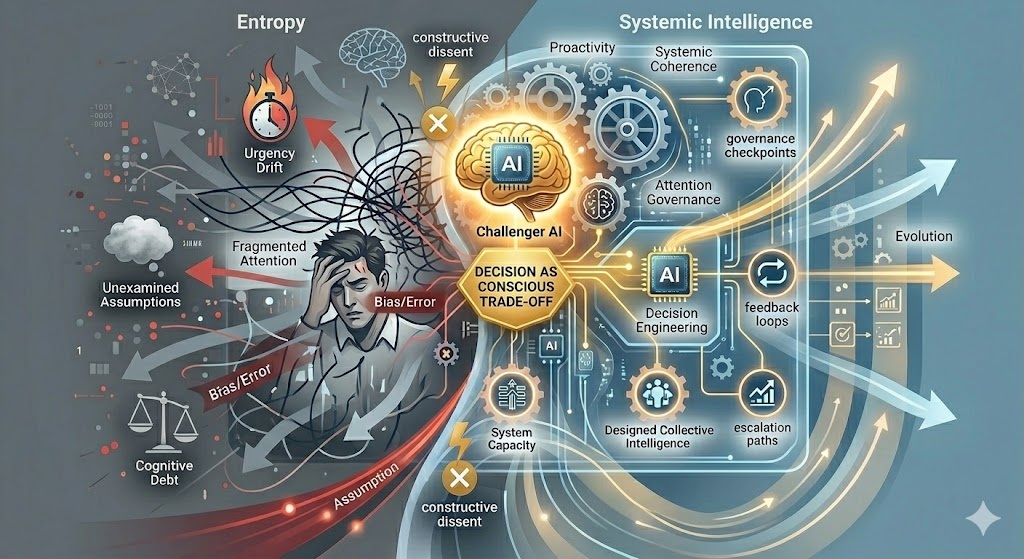
For decades, the work of Stephen R. Covey has shaped how we understand leadership.
Be proactive.
Begin with the end in mind.
Put first things first.
These principles remain powerful.
But they were designed for individuals.
Projects, however, do not fail at the level of intention.
They fail at the level of system design.
Teams know what they should do.
Leaders understand what matters.
Yet under pressure, urgency takes over, assumptions go unchallenged, and attention drifts.
The problem is not awareness.
It is architecture.
The real question is no longer whether individuals can practice good habits.
It is whether the system makes those habits possible under real conditions.
From Personal Discipline to System DesignIn complex project environments, behavior does not operate in isolation.
It is shaped by:
Decision structures
Governance mechanisms
Attention constraints
Power dynamics
Cognitive load
Under these forces, even the most capable professionals revert to what the system rewards.
Speed over reflection.
Alignment over thinking.
Execution over understanding.
This is why leadership cannot rely solely on personal discipline.
It must be embedded in the design of the system itself.
Revisiting Covey’s seven habits through this lens reveals a critical shift:
From habits we try to practice
to conditions we deliberately design.
Habit 1 – Be ProactiveFrom Individual Choice to Decision ArchitectureProactivity is often understood as personal responsibility.
The ability to choose a response rather than react.
But in project environments, reaction is frequently systemic.
Constant interruptions.
Escalation pressure.
Compressed timelines.
Without structural space, there is no real “space between stimulus and response.”
There is another force at play.
Fear.
In systems where mistakes are penalized, where questioning delays progress, and where escalation carries risk, people do not choose freely. They protect themselves.
Under these conditions, reactivity is not a failure of discipline.
It is a rational response to the system.
Proactivity therefore cannot depend only on individual will.
It must be supported by an environment that makes exploration safe.
Systems that enable proactivity:
Create structured pauses before irreversible decisions
Require evidence before escalation
Integrate consultation as part of decision flow
Use AI not to confirm thinking, but to challenge it
De-penalize intelligent experimentation and early questioning
Proactivity becomes real when the system protects not only the space to think, but the safety to act consciously within it.
Habit 2 – Begin with the End in MindFrom Vision to Systemic CoherenceDefining purpose is not difficult.
Maintaining it is.
Most projects begin aligned.
They drift over time.
Not because people forget the vision.
But because the system does not continuously reconnect execution to purpose.
Systemic coherence requires more than a kickoff alignment session.
It requires architecture.
Systems that sustain purpose:
Continuously validate whether execution still serves the original intent
Revisit success criteria as conditions evolve
Integrate learning loops into governance
Make alignment a dynamic process, not a one-time declaration
Vision is not a statement.
It is a continuously governed reference point.
Habit 3 – Put First Things FirstFrom Time Management to Attention GovernanceThe core challenge in projects is not lack of time.
It is fragmentation of attention.
Urgency expands to fill all available capacity.
Prevention is postponed.
Reflection disappears.
Teams work harder.
Value erodes.
Managing priorities is therefore not about scheduling tasks.
It is about governing attention.
Systems that protect what matters:
Allocate explicit capacity for planning, learning and prevention
Introduce strategic slack to absorb variability
Measure how attention is spent, not only what is delivered
Treat energy and cognitive load as risk factors
Execution discipline is not personal productivity.
It is a governance choice.
Habit 4 – Think Win-WinFrom Mindset to Decision EngineeringWin-Win is often framed as a moral principle.
A commitment to mutual benefit.
In real projects, however, decisions occur under constraint:
Power asymmetry
Limited resources
Competing priorities
In these conditions, Win-Win does not emerge from goodwill.
It must be engineered.
Systems that enable balanced decisions:
Make trade-offs explicit rather than implicit
Quantify impact across schedule, cost and value
Surface underlying interests instead of positions
Define clear alternatives, including fallback scenarios
Win-Win is not about avoiding tension.
It is about structuring it productively.
Habit 5 – Seek First to UnderstandFrom Communication Skill to Cognitive Risk ManagementListening is often treated as a soft skill.
In reality, it is a primary mechanism for reducing cognitive risk.
Projects are shaped by assumptions.
Most of them remain implicit.
Unexamined assumptions become structural errors.
Every misunderstanding today becomes a correction tomorrow.
This is the accumulation of cognitive debt, the hidden cost of decisions made on incomplete or misaligned understanding.
Like financial debt, it compounds.
The longer it remains unaddressed, the more expensive it becomes to correct.
Listening deeply reveals:
Hidden expectations
Divergent interpretations
Unspoken constraints
Conflicting mental models
Systems that institutionalize understanding:
Validate stakeholder interpretation before committing execution
Create structured spaces for surfacing assumptions
Treat divergence as a signal, not a disruption
Integrate listening into governance, not only into conversation
Understanding is not courtesy.
It is alignment infrastructure.
And when neglected, it becomes one of the most expensive liabilities a project can carry.
Habit 6 – SynergizeFrom Collaboration to Designed Collective IntelligenceCollaboration is often encouraged.
But rarely designed.
Without structure, teams default to coordination.
They share updates.
They align tasks.
They converge quickly.
But they do not think together.
Synergy requires more than cooperation.
It requires constructive tension.
Systems that enable collective intelligence:
Create forums where ideas are explored before decisions are made
Distinguish cognitive conflict from personal conflict
Protect dissent as part of the process
Use AI as a cognitive challenger, not a confirmation tool
Synergy is not harmony.
It is structured divergence leading to better integration.
Habit 7 – Sharpen the SawFrom Personal Renewal to System CapacitySustainable performance is not a function of effort.
It is a function of capacity.
Most project systems are designed for output.
Few are designed for renewal.
The result is predictable:
Cognitive fatigue
Declining decision quality
Reduced learning
Increasing rework
Renewal must therefore move from intention to infrastructure.
Systems that sustain performance:
Embed learning loops into execution
Protect time for reflection and improvement
Monitor cognitive load and decision fatigue
Align delivery pace with human sustainability
Renewal is not a break from performance.
It is what makes performance possible over time.
The Shift That Changes EverythingThe original seven habits assume a human-centered environment, where individuals retain control over attention, decision pace, and cognitive space.
Today, this assumption no longer holds.
In AI-augmented, high-pressure systems, attention is fragmented, decisions are accelerated, and thinking is increasingly influenced by both human and machine inputs.
Under these conditions, habits alone are insufficient.
They must be embedded in the architecture of how decisions are made.
The seven habits remain valid.
But they are incomplete when treated as individual responsibility alone.
In complex environments, behavior follows structure.
If the system rewards speed, people will rush.
If it rewards alignment, people will converge.
If it penalizes questioning, people will stay silent.
The real leverage point is not behavior.
It is design.
Final ReflectionThe future of project leadership does not depend on better intentions.
It depends on better systems.
Systems that:
Protect attention
Surface assumptions
Enable constructive dissent
Integrate human and artificial intelligence
Sustain learning and capacity over time
Because the real transformation is this:
Not teaching individuals to act differently,
but designing environments where better thinking becomes inevitable.
And in that shift, leadership evolves:
From personal discipline
To systemic intelligence.
Posted on: April 08, 2026 04:44 AM |
Permalink




