
This blog addresses management-related topics and has three areas of focus: 1. Technical skills; 2. Competencies in the field of interpersonal relations and communication (including personal organization and delegation, leadership, teamwork, conflict resolution, conducting meetings, and negotiation); and 3. Strategy (including diagnosis, strategic guidelines, and implementation).4.Technology
Recent Posts
Delegation with Purpose: Building Autonomy and Developing Capability
RCPCV™: A Method for Decision-Making and Continuous Improvement
The Same Change Can Succeed and Fail at the Same Time
What Must Exist Even When No Single Role Owns the Whole?
PHASE 4 – THE EMERGENCE
Categories
Agile,
Career Development,
Career Development,
Career Development,
Career Development,
Career Development,
Career Development,
Career Development,
Career Development,
Career Development,
Career Development,
Career Development,
Career Development,
Career Development,
Career Development,
Career Development,
Career Development,
Career Development,
Career Development,
Career Development,
Career Development,
Career Development,
Career Development,
Career Development,
Career Development,
Career Development,
Career Development,
Career Development,
Career Development,
Career Development,
Career Development,
Career Development,
Career Development,
Career Development,
Career Development,
Career Development,
Career Development,
Career Development,
Career Development,
Career Development,
Career Development,
Career Development,
Career Development,
Career Development,
Career Development,
Career Development,
Career Development,
Career Development,
Career Development,
Career Development,
Career Development,
Career Development,
Career Development,
Career Development,
Career Development,
Career Development,
Career Development,
Career Development,
Career Development,
Career Development,
Career Development,
Career Development,
Career Development,
Career Development,
Career Development,
Career Development,
Career Development,
Career Development,
Career Development,
Career Development,
Career Development,
Career Development,
Career Development,
Career Development,
Career Development,
Career Development,
Career Development,
Career Development,
Career Development,
Career Development,
Career Development,
Career Development,
Career Development,
Career Development,
Career Development,
Career Development,
Career Development,
Career Development,
Career Development,
Career Development,
Career Development,
Career Development,
Career Development,
Career Development,
Career Development,
Career Development,
Career Development,
Career Development,
Career Development,
Career Development,
Career Development,
Career Development,
Career Development,
Career Development,
Career Development,
Career Development,
Career Development,
Career Development,
Career Development,
Career Development,
Career Development,
Career Development,
Career Development,
Career Development,
Career Development,
Career Development,
Career Development,
Career Development,
Career Development,
Career Development,
Career Development,
Career Development,
Career Development,
Education,
Governance,
Governance,
Governance,
Governance,
Governance,
Governance,
Governance,
Governance,
Governance,
Governance,
Governance,
Governance,
Governance,
Governance,
Governance,
Governance,
Governance,
Governance,
Governance,
Governance,
Governance,
Governance,
In,
Integration Management,
Interpersonal Skills,
Interpersonal Skills,
Interpersonal Skills,
Interpersonal Skills,
Interpersonal Skills,
Interpersonal Skills,
Interpersonal Skills,
Interpersonal Skills,
Interpersonal Skills,
Interpersonal Skills,
Interpersonal Skills,
Interpersonal Skills,
Interpersonal Skills,
Interpersonal Skills,
Interpersonal Skills,
Interpersonal Skills,
Interpersonal Skills,
Interpersonal Skills,
Interpersonal Skills,
Interpersonal Skills,
Interpersonal Skills,
Interpersonal Skills,
Interpersonal Skills,
Interpersonal Skills,
Interpersonal Skills,
Interpersonal Skills,
Interpersonal Skills,
Interpersonal Skills,
Interpersonal Skills,
Interpersonal Skills,
Interpersonal Skills,
Interpersonal Skills,
Interpersonal Skills,
Interpersonal Skills,
Interpersonal Skills,
Interpersonal Skills,
Interpersonal Skills,
Interpersonal Skills,
Interpersonal Skills,
Interpersonal Skills,
Interpersonal Skills,
Interpersonal Skills,
Interpersonal Skills,
Interpersonal Skills,
Interpersonal Skills,
Interpersonal Skills,
Interpersonal Skills,
Interpersonal Skills,
Interpersonal Skills,
Interpersonal Skills,
Interpersonal Skills,
Interpersonal Skills,
Interpersonal Skills,
Interpersonal Skills,
Interpersonal Skills,
Interpersonal Skills,
Interpersonal Skills,
Interpersonal Skills,
Interpersonal Skills,
Interpersonal Skills,
Interpersonal Skills,
Interpersonal Skills,
Interpersonal Skills,
Interpersonal Skills,
Interpersonal Skills,
Interpersonal Skills,
Interpersonal Skills,
Interpersonal Skills,
Interpersonal Skills,
Interpersonal Skills,
Interpersonal Skills,
Interpersonal Skills,
Interpersonal Skills,
Interpersonal Skills,
Interpersonal Skills,
Interpersonal Skills,
Interpersonal Skills,
Interpersonal Skills,
Interpersonal Skills,
Interpersonal Skills,
Interpersonal Skills,
Interpersonal Skills,
Interpersonal Skills,
Interpersonal Skills,
Interpersonal Skills,
Interpersonal Skills,
Interpersonal Skills,
Interpersonal Skills,
Interpersonal Skills,
Interpersonal Skills,
Interpersonal Skills,
Interpersonal Skills,
Interpersonal Skills,
Interpersonal Skills,
Interpersonal Skills,
Interpersonal Skills,
Interpersonal Skills,
Interpersonal Skills,
Interpersonal Skills,
Interpersonal Skills,
Interpersonal Skills,
Interpersonal Skills,
Interpersonal Skills,
Interpersonal Skills,
Interpersonal Skills,
Interpersonal Skills,
Interpersonal Skills,
Interpersonal Skills,
Interpersonal Skills,
Interpersonal Skills,
Interpersonal Skills,
Interpersonal Skills,
Interpersonal Skills,
Interpersonal Skills,
Interpersonal Skills,
Interpersonal Skills,
Interpersonal Skills,
Interpersonal Skills,
Interpersonal Skills,
Interpersonal Skills,
Interpersonal Skills,
Interpersonal Skills,
Knowledge Management,
le,
lea,
Leadership,
Leadership,
Leadership,
Leadership,
Leadership,
Leadership,
Leadership,
Leadership,
Leadership,
Leadership,
Leadership,
Leadership,
Leadership,
Leadership,
Leadership,
Leadership,
Leadership,
Leadership,
Leadership,
Leadership,
Leadership,
Leadership,
Leadership,
Leadership,
Leadership,
Leadership,
Leadership,
Leadership,
Leadership,
Leadership,
Leadership,
Leadership,
Leadership,
Leadership,
Leadership,
Leadership,
Leadership,
Leadership,
Leadership,
Leadership,
Leadership,
Leadership,
Leadership,
Leadership,
Leadership,
Leadership,
Leadership,
Leadership,
Leadership,
Leadership,
Leadership,
Leadership,
Leadership,
Leadership,
Leadership,
Leadership,
Leadership,
Leadership,
Leadership,
Leadership,
Leadership,
Leadership,
Leadership,
Leadership,
Leadership,
Leadership,
Leadership,
Leadership,
Leadership,
Leadership,
Leadership,
Leadership,
Leadership,
Leadership,
Leadership,
Leadership,
Leadership,
Leadership,
Leadership,
Leadership,
Leadership,
Leadership,
Leadership,
Leadership,
Leadership,
Leadership,
Leadership,
Leadership,
Leadership,
Leadership,
Leadership,
Leadership,
Leadership,
Leadership,
Leadership,
Leadership,
Leadership,
Leadership,
Leadership,
Leadership,
Leadership,
Leadership,
Leadership,
Leadership,
Leadership,
Leadership,
Leadership,
Leadership,
Leadership,
Leadership,
Leadership,
Leadership,
Leadership,
Leadership,
Leadership,
Leadership,
Leadership,
Leadership,
Leadership,
Leadership,
Leadership,
Leadership,
Leadership,
or,
Organizational Project Management,
Portfolio Management,
Program,
Program Management,
Strategy,
Strategy,
Strategy,
Strategy,
Strategy,
Strategy,
Strategy,
Strategy,
Strategy,
Strategy,
Strategy,
Strategy,
Strategy,
Strategy,
Strategy,
Strategy,
Strategy,
Strategy,
Strategy,
Strategy,
Strategy,
Strategy,
Strategy,
Strategy,
Strategy,
Strategy,
Strategy,
Strategy,
Strategy,
Strategy,
Strategy,
Strategy,
Strategy,
Strategy,
Strategy,
Strategy,
Strategy,
Strategy,
Strategy,
Strategy,
Strategy,
Strategy,
Strategy,
Strategy,
Strategy,
Strategy,
Strategy,
Strategy,
Strategy,
Strategy,
Strategy,
Strategy,
Strategy,
Strategy,
Strategy,
Strategy,
Strategy,
Strategy,
Strategy,
Strategy,
Strategy,
Strategy,
Strategy,
Strategy,
Strategy,
Strategy,
Strategy,
Strategy,
Strategy,
Strategy,
Strategy,
Strategy,
Strategy,
Strategy,
Strategy,
Strategy,
Strategy,
Strategy,
Strategy,
Strategy,
Strategy,
Strategy,
Strategy,
Strategy,
Strategy,
Strategy,
Strategy,
Strategy,
Strategy,
Strategy,
Strategy,
Strategy,
Strategy,
Strategy,
Strategy,
Strategy,
Strategy,
Strategy,
Strategy,
Strategy,
Strategy,
Strategy,
Strategy,
Strategy,
Strategy,
Strategy,
Strategy,
Strategy,
Strategy,
Strategy,
Strategy,
Strategy,
Strategy,
Strategy,
Strategy,
Strategy,
Strategy,
Strategy,
Strategy,
Strategy,
Strategy,
Strategy,
Strategy,
Sustainability,
Talent Management,
Talent Management,
Talent Management,
Talent Management,
Talent Management,
Talent Management,
Talent Management,
Talent Management,
Talent Management,
Talent Management,
Talent Management,
Talent Management,
Talent Management,
Talent Management,
Talent Management,
Talent Management,
Talent Management,
Talent Management,
Talent Management,
Talent Management,
Talent Management,
Talent Management,
Talent Management,
Talent Management,
Talent Management,
Talent Management,
Talent Management,
Talent Management,
Talent Management,
Talent Management,
Talent Management,
Talent Management,
Talent Management,
Talent Management,
Talent Management,
Talent Management,
Talent Management,
Talent Management,
Talent Management,
Talent Management,
Talent Management,
Talent Management,
Talent Management,
Talent Management,
Talent Management,
Talent Management,
Talent Management,
Talent Management,
Talent Management,
Talent Management,
Talent Management,
Talent Management,
Talent Management,
Talent Management,
Talent Management,
Talent Management,
Talent Management,
Talent Management,
Talent Management,
Talent Management,
Talent Management,
Talent Management,
Talent Management,
Talent Management,
Talent Management,
Talent Management,
Talent Management,
Talent Management,
Talent Management,
Talent Management,
Talent Management,
Talent Management,
Talent Management,
Talent Management,
Talent Management,
Talent Management,
Talent Management,
Talent Management,
Talent Management,
Talent Management,
Talent Management,
Talent Management,
Talent Management,
Talent Management,
Talent Management,
Talent Management,
Talent Management,
Talent Management,
Talent Management,
Talent Management,
Talent Management,
Talent Management,
Talent Management,
Talent Management,
Talent Management,
Talent Management,
Talent Management,
Talent Management,
Talent Management,
Talent Management,
Talent Management,
Talent Management,
Talent Management,
Talent Management,
Talent Management,
Talent Management,
Talent Management,
Talent Management,
Talent Management,
Talent Management,
Talent Management,
Talent Management,
Talent Management,
Talent Management,
Talent Management,
Talent Management,
Talent Management,
Talent Management,
Talent Management,
Talent Management,
Talent Management,
Talent Management,
Talent Management
Date
In the previous article, I concluded that Project Management has evolved far beyond the discussion of methodologies.
Over the past few decades, the discipline progressively shifted its focus from a concern with methods to an increasing attention toward adaptation, outcomes, products, and context.
The second edition of the
Agile Practice Guide clearly reflects this evolution.
The question is no longer merely
what is the best methodology, but rather
what is the most appropriate approach for the specific characteristics of each project.
Yet, this evolution inevitably leads to a new question.
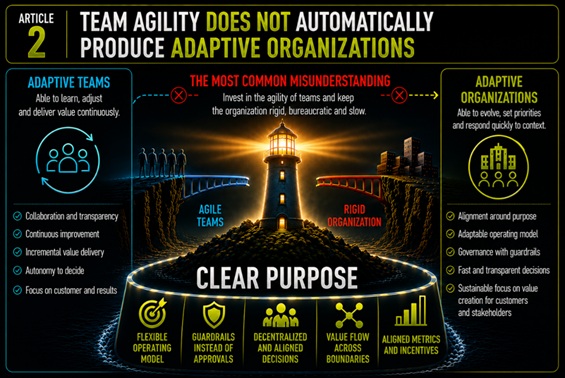
Is making teams more adaptive enough to make organizations adaptive as well?
The answer, in my view, is no.
It is precisely here that the
Manifesto for Enterprise Agility introduces a shift of profound relevance.
Rather than proposing new working practices, the Manifesto shifts the center of discussion from the team to the organization.
The question is no longer merely how teams work.
It becomes how the organization creates the conditions so that those teams can adapt continuously without losing strategic coherence, decision-making capacity, and an orientation toward value.
This is a far deeper shift than it might appear at first glance.
The most common misconception of agile transformationFor many years, countless organizations invested heavily in agile transformation initiatives.
They created multidisciplinary teams.
They adopted Scrum, Kanban, and other adaptive approaches.
They introduced new roles.
They promoted training.
They built communities of practice.
They reorganized workspaces.
In many cases, these investments produced significant improvements in collaboration, transparency, and team responsiveness.
However, many of those same organizations continued to face difficulties when seeking to respond quickly to market shifts, alter strategic priorities, or reconfigure the deployment of their resources.
The explanation does not lie in a lack of competence among the teams.
It lies in the fact that the organization often continued to operate according to assumptions very different from those it sought to implement within its teams.
The teams became more adaptive.
The organization remained essentially the same.
The true unit of adaptationOne of the most important contributions of the
Manifesto for Enterprise Agility lies precisely in changing the unit of analysis.
For many years, attention was concentrated on teams.
Today, it is becoming increasingly clear that true adaptive capacity depends on something larger.
It depends on the organization itself.
A team can adapt its backlog.
It can reorganize priorities.
It can continuously improve its processes.
It can deliver value incrementally.
Yet, it remains dependent on decisions that are often made far beyond the boundaries of the team itself.
Decisions regarding:
- Investment;
- Strategic priorities;
- Operating models;
- Organizational structures;
- Resource management;
- Governance;
- Relationships with partners;
- Internal policies.
If these elements remain rigid, the adaptive capacity of teams will inevitably hit a ceiling.
Adaptation ceases to depend solely on team competence.
It comes to depend on the architecture of the organization.
Purpose as an element of alignmentThe Manifesto begins precisely by reinforcing a principle that is frequently underestimated.
Adaptive organizations are not organizations where every team autonomously decides what it considers most important.
They are organizations where there is a purpose clear enough to allow decentralized decisions without losing coherence.
When purpose is understood, teams can adapt work while maintaining a common direction.
When purpose is lost, each unit tends to optimize its own objectives.
The result can be paradoxical.
All teams improve individually.
Yet the organization worsens as a system.
Organizational adaptability therefore depends on a permanent balance between autonomy and alignment.
The operating model must also evolveAnother key contribution of the Manifesto is shifting attention toward the operating model.
We frequently talk about team transformation.
We much less frequently discuss transforming how the organization itself functions.
Yet, an organization can possess highly adaptive teams and still remain constrained by:
- Excessively bureaucratic processes;
- Rigid functional structures;
- Multiple approval layers;
- Overly centralized decision-making;
- Slow funding mechanisms;
- Misaligned incentive systems.
In these cases, the speed of the teams ceases to be the limiting factor.
The true limit becomes the operating model itself.
The work adapts.
The organization does not.
From permanent approval to guardrailsThe Manifesto also proposes an interesting shift in how governance is exercised.
For a long time, many organizations sought to reduce risk by multiplying approvals.
Every relevant decision required successive levels of validation.
This model can work in highly stable environments.
However, it quickly becomes incompatible with contexts where adaptation needs to happen rapidly.
The Manifesto proposes a different logic.
Instead of controlling each decision individually, the goal is to create clear boundaries within which teams can decide autonomously.
So-called guardrails do not eliminate governance.
They alter its nature.
Governance ceases to depend exclusively on prior authorization.
It comes to depend on clear principles, operational boundaries, decision transparency, and accountability for outcomes.
Authority and responsibility must evolve togetherThe discussion about autonomy is frequently oversimplified.
There is much talk about autonomous teams.
There is far less talk about the conditions required for that autonomy to exist.
A team can only be truly autonomous when it possesses authority commensurate with the responsibility assigned to it.
Otherwise, responsibility is transferred without transferring real decision-making capacity.
The consequence is well known.
Teams remain dependent on successive hierarchical escalations.
Decisions are delayed.
Adaptation loses speed.
Responsibility remains local.
Authority remains distant.
The Manifesto reminds us that adaptive organizations require a more intelligent distribution of authority.
Not to eliminate leadership.
But to bring decisions closer to where knowledge and value are actually produced.
Funding also shapes adaptive capacityThere is another dimension that is frequently ignored:
How organizations fund their work.
Many organizations continue to use funding mechanisms designed for relatively predictable environments.
Annually approved projects.
Rigid budgets.
Infrequent reviews.
Difficulty in reallocating resources.
When the context changes rapidly, these mechanisms themselves become sources of rigidity.
The Manifesto calls attention to this reality.
A truly adaptive organization must be able to shift resources as quickly as it redefines priorities.
Otherwise, it adapts intentions.
But it does not adapt execution capacity.
Adaptation does not end at organizational boundariesAnother important evolution is recognizing that value is rarely created exclusively within the organization.
Projects increasingly depend on:
- Customers;
- Suppliers;
- Partners;
- Platforms;
- Regulators;
- Technological ecosystems.
Adaptive capacity therefore comes to depend as well on the quality of these relationships.
It is not enough to optimize internal teams.
It is necessary to understand how the entire value creation system responds to change.
A new role for leadershipAll these changes inevitably lead to an evolution in leadership itself.
The role of the leader progressively ceases to consist of controlling every decision.
It comes to consist of creating the conditions that enable good, distributed decision-making.
This implies:
- Clarifying purpose;
- Removing obstacles;
- Preserving coherence;
- Facilitating learning;
- Developing capabilities;
- Protecting trust;
- Creating conditions for continuous adaptation.
Leadership remains essential.
However, its focus shifts from controlling execution to designing the conditions that make adaptive execution possible.
Far beyond teamsThe
Manifesto for Enterprise Agility thus represents a major evolution in the discussion initiated by agile approaches.
Not because it proposes a new methodology.
But because it demonstrates that true adaptation no longer depends exclusively on teams.
It depends on the organization.
It depends on purpose.
On the operating model.
On the distribution of authority.
On governance.
On funding.
On leadership.
On how the entire system is designed to respond to change.
This is perhaps the main message of the Manifesto.
An organization can possess hundreds of highly competent, collaborative, and adaptive teams.
It can use the best agile practices.
It can deliver frequently.
It can learn continuously.
And yet, it can remain structurally incapable of adapting.
Because true adaptive capacity has ceased to be a characteristic of teams.
It has become a property of the organization.
Yet this conclusion inevitably leads to a new question.
If today we better understand how an organization should function to become truly adaptive,
why do so many organizational transformation initiatives continue to fail?
It is precisely this question that I will explore in the next article of this series.
Posted on: August 09, 2026 03:51 AM |
Permalink




