


The Honest Path: Why Truth-Telling Is a Strategic Advantage in Project Management
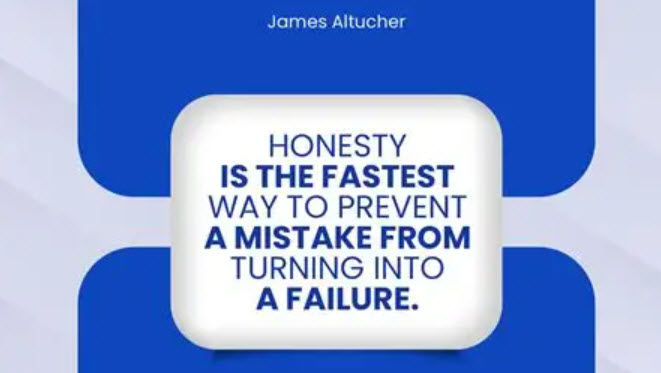
In the high-stakes world of project management, where deadlines loom and budgets tighten, honesty can feel like a luxury. But it is a strategic necessity. Truth-telling is not just about ethics—it is about building resilient teams, fostering trust, and steering projects toward sustainable success.
🔍 Honesty: More Than a Moral Choice
Honesty in project management means transparent communication, accurate reporting, and integrity in decision-making. It is the difference between a project that survives short-term pressures and one that thrives long-term. When project managers embrace honesty, they create a culture where issues are identified early, risks are managed proactively, and stakeholders stay aligned.
⚠️ Common Ethical Dilemmas
Even seasoned professionals face moments of ethical tension:
- Should you downplay a risk to avoid alarming stakeholders?
- Is it okay to overpromise deliverables to secure buy-in?
- Do you conceal a mistake to protect your reputation?
These decisions may seem minor, but they compound over time—leading to mistrust, scope creep, and even project failure.
🧭 Honesty as a Strategic Lever
Truth-telling offers tangible benefits:
- Trust-building: Teams perform better when they know their leaders are transparent.
- Faster problem-solving: Honest reporting helps identify issues early, reducing firefighting later.
- Stakeholder confidence: Clients and sponsors value candor—it signals control and competence.
- Cultural resilience: A culture of honesty encourages accountability and psychological safety.
📜 PMI’s Ethics Code: Honesty at the Core
The Project Management Institute (PMI) places honesty as one of its four foundational values—alongside responsibility, respect, and fairness. PMI’s Ethics Code reinforces this by offering practical toolkits and decision-making frameworks to help professionals navigate ethical gray zones with clarity.
🛠️ How to Lead with Honesty
Here are actionable ways to embed honesty into your project leadership:
- Model transparency: Share both successes and setbacks in status updates.
- Encourage open dialogue: Create safe spaces for team members to voice concerns.
- Use ethical checklists: Integrate them into planning and retrospectives.
- Own mistakes: Admitting errors sets a powerful precedent for accountability.
🧩 Conclusion: Honesty Is Leadership
In project management, honesty is not weakness—it is wisdom. It is the quiet force that keeps teams united, stakeholders informed, and outcomes aligned with values. The honest path may not always be the easiest, but it is the one that leads to lasting impact.
Please share your experiences and thoughts…


 Community Champion




