Trust the Data - but Not Blindly: An Ethics Bistro on AI


|
It was a rainy Tuesday when the red flag popped up. The AI tool, designed to optimize resource allocation across our project portfolio, had flagged three critical projects for delay. The model’s recommendation? Shift half the team from Project Titan to Project Eclipse to balance out workloads. At first glance, it seemed logical. The resource allocation maps, and velocity graphs supported the reallocation. But something did not sit right. I had collaborated closely with Titan’s team leads for months. They were on the verge of a breakthrough with a critical client deliverable. Moving people now, even with Eclipse falling behind, could cause a domino effect across our most valuable account. I called a huddle. “Why did the model deprioritize Titan?” I asked the AI SME. “It is based on risk scoring from delivery variance, budget utilization, and resource burn. Titan looked stable, so it pulled from there.” “But it does not know the client conversation we had last week. Titan’s ‘stability’ is built on momentum we cannot afford to interrupt.” That was it. The AI had the data but not the context. We chose not to follow the recommendation. Instead, we manually adjusted scope and brought in temporary support for Eclipse. It was a tough call, but three months later, Titan delivered on time and exceeded client expectations. Eclipse caught up too—without derailing the portfolio. That experience taught me something: AI is brilliant at pattern recognition, but it does not see what you know. It does not read nuance. And it does not carry responsibility. So, when should project managers trust AI—and when should we intervene? Trust AI when:
But intervene when:
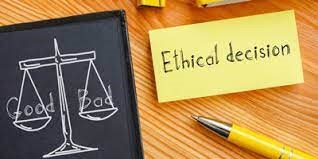
AI is like a junior analyst with infinite memory and no emotional baggage. But it lacks judgment, and judgment is where leadership lives. As project managers, we are not just responsible for outcomes; we are stewards of values. According to the PMI Code of Ethics, we are bound to act with responsibility, respect, fairness, and honesty. Blindly following AI no matter how accurate without human oversight may compromise all four. Use AI like a compass not a map. Let it guide your thinking, but do not let it override your wisdom. Because when things go south, the algorithm will not be in the room explaining the outcome you will. So next time your AI flags a decision, pause. Ask: Does this align with what I know, what I have seen, and what matters most? If the answer is no, trust yourself and intervene. Reference: Webinar: Ethical Project Leadership in the digital age Webinar: When to Trust AI and When to Intervene
|

Project Management Palate: Crafting a Lasting Legacy through Righteous Choices
|
In the world of project management, the final phases often serve as the grand finale, leaving an impression on team members and stakeholders. Similarly, within the ethical realm of project management, the decisions we make can be likened to the sweet treats that define our professional legacy.
Just like a perfectly executed project, ethical decisions in project management are built on a foundation of trust. When project managers consistently make choices guided by integrity and transparency, they establish a reputation for reliability. Trust, much like the sweetness in a well-executed project, becomes the signature flavor that lingers and attracts collaboration. Consider the case of a project manager who prioritizes honesty and fairness in their dealings. Over time, this project manager builds trust not only within the team but also with clients, stakeholders, and the wider project community. The sweetness of trust becomes the defining note in the professional legacy they leave behind.
Ethical choices are the ingredients that nourish collaborative relationships, creating a harmonious blend of respect, empathy, and understanding. Just as a well-executed project brings together different components, ethical decisions in project management foster connections and collaborations. In a project team setting, a project manager who values inclusivity and treats team members with fairness cultivates a positive work environment. This ethical approach becomes the secret recipe for a cohesive and motivated team, leaving a lasting impact on both the individuals involved and the success of the project.
Ethical decisions in project management, like the sweet ripples from a successful project, have a far-reaching impact. When project managers prioritize doing what is right, they inspire those around them to follow suit. This creates a ripple effect of project success that extends beyond immediate project boundaries. Consider a project manager who makes a commitment to sustainable and ethical project practices. The positive impact is not confined to the project itself but resonates throughout the organization, influencing other projects, team dynamics, and even project stakeholders. Ethical decisions, like a sweet ripple, have the power to shape the broader project landscape.
Just as a celebrated chef leaves a legacy through their timeless recipes, project managers can build a legacy of professional integrity through consistent ethical choices. This legacy becomes a guiding light for future project managers, setting a standard for moral conduct in project management. A project manager who stands firm in their ethical convictions, even in the face of project challenges, becomes a beacon of inspiration. Their legacy is one of unwavering principles, leaving a blueprint for others to follow. Likewise, organizations that prioritize ethical project practices become trailblazers, demonstrating that project success can be achieved with a commitment to doing what is right. Conclusion: As we savor the rich flavors of the "Project Management Palate," let us appreciate that ethical decisions are not merely individual acts but the essential ingredients shaping a profound professional legacy. Much like the lingering sweetness of a successfully executed project, ethical choices leave an indelible mark on individuals and projects alike. So, as you navigate the diverse menu of project management decisions, relish the unique sweetness that ethical choices bring. Choose the ingredients of trust, foster collaborative relationships, initiate positive ripples of project success, and construct a legacy steeped in professional integrity. In this grand banquet of project management considerations, let your choices be the dessert that leaves everyone yearning for more – a legacy of sweetness that extends beyond project timelines. We invite you to share your thoughts and opinions on ethical decision-making in project management. How do you prioritize ethics in your projects, and what strategies do you employ to ensure lasting impact? |