Project Management Palate: Crafting a Lasting Legacy through Righteous Choices
From the Ethics Bistro Blog
by Tara Leparulo,
Shenila Shahabuddin, Juan Posada Toro, Albert Agbemenu, Ming Yeung, Kannan Ganesan, Yannick Arekion, Witold Hendrysiak, Stelian ROMAN, Laszlo J. Kremmer MBA, CSPO®, CSM®, PMP®

We all tackle ethical dilemmas. Wrong decisions can break careers. Which are the key challenges faced? What are some likely solutions? Where can we find effective tools? Who can apply these and why? Dry, theoretical discussions don't help. Join us for lively, light conversations to learn, share and grow!
View Posts By:
Tara Leparulo
Shenila Shahabuddin
Juan Posada Toro
Albert Agbemenu
Ming Yeung
Kannan Ganesan
Yannick Arekion
Witold Hendrysiak
Stelian ROMAN
Laszlo J. Kremmer MBA, CSPO®, CSM®, PMP®
Past Contributors:
Dr. Deepa Bhide
Lily Murariu
Alankar Karpe
Bryan Shelby
Amany Nuseibeh
Mohamed Hassan
Fabio Rigamonti
Simona Bonghez
John Watson
Lissa Muncer
Valerie Denney
Majeed Hosseiney
Gretta Kelzi
Enrique Cappella
Rocio Briceno
Karthik Ramamurthy
Recent Posts
Professionalism Under Pressure: Choosing Respect When Conflict Escalates
The Credential Is a Promise: What Do Three Letters Really Say?
When the schedule slipped, so did accountability: Ethical reflections from an early ERP project - Part 2
When the schedule slipped, so did accountability: Ethical reflections from an early ERP project - Part 1
Do You Like to Pick and Choose Your Projects?
Categories
Aerospace and Defense,
Agile,
AI,
Ambassadors,
Artificial Intelligence,
Ask the Experts,
Behavior,
bottom line,
Business Acumen,
Business Ethics,
Business Ethics,
CEO,
CFO,
Change Management,
Chapters,
CIO,
code of conduct,
code of ethics,
Code of Ethics and Professional Conduct,
communication,
Conflict,
Construction,
courage honesty responsibility respect fairness,
Cultural Diversity,
Culture,
CxO,
Decision Making,
Decision-making,
Decision-making,
Digital Project Management,
Digital Transformation,
Diversity,
Do the right thing,
dugutalization project manager professionalism social media,
economy,
EDMF,
EMAG,
empathy,
Ethical Dilemma,
Ethical Leadership,
Ethics,
Ethics,
Ethics,
Ethics,
Ethics,
Ethics,
Ethics,
Ethics as a competence,
Ethics Bistro,
Ethics in Communication,
Ethics Insight Team,
Fairness,
fairness,
Governance,
Honesty,
honesty,
Human,
Information Technology,
Leadership,
Legal Project Management,
Legilsation,
Lessons Learned,
Negotiation,
Nexus,
Organizational Culture,
Organizational Project Management,
PMI Program Management,
PMI Talent Triangle,
PMIAA,
Portfolio Management,
Power Skills,
practitioner,
Product Management,
Professional Conduct,
professional conduct,
Professional Responsibility,
Professionalization,
professonal conduct,
Program Management,
Project,
Project Management,
project manager,
Regulatory,
research,
Respect,
respect,
Responsibility,
responsibility,
Risk Management,
Stakeholder Management,
Strategy,
Sustainability,
Team Assessment,
Teams,
Thought leadership,
tools,
Trust,
trust,
Values,
Values,
values,
Virtual Experience Series,
volunteers,
Ways of Working
Date
Categories:
Business Ethics,
code of ethics,
Code of Ethics and Professional Conduct,
communication,
Decision Making,
Decision-making,
Digital Project Management,
Ethics Bistro,
Ethics in Communication,
Ethics Insight Team,
Professional Conduct
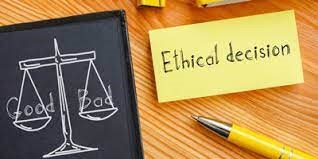
In the world of project management, the final phases often serve as the grand finale, leaving an impression on team members and stakeholders. Similarly, within the ethical realm of project management, the decisions we make can be likened to the sweet treats that define our professional legacy.
- The Sweetness of Trust:
Just like a perfectly executed project, ethical decisions in project management are built on a foundation of trust. When project managers consistently make choices guided by integrity and transparency, they establish a reputation for reliability. Trust, much like the sweetness in a well-executed project, becomes the signature flavor that lingers and attracts collaboration.
Consider the case of a project manager who prioritizes honesty and fairness in their dealings. Over time, this project manager builds trust not only within the team but also with clients, stakeholders, and the wider project community. The sweetness of trust becomes the defining note in the professional legacy they leave behind.
- Nourishing Collaborative Relationships:
Ethical choices are the ingredients that nourish collaborative relationships, creating a harmonious blend of respect, empathy, and understanding. Just as a well-executed project brings together different components, ethical decisions in project management foster connections and collaborations.
In a project team setting, a project manager who values inclusivity and treats team members with fairness cultivates a positive work environment. This ethical approach becomes the secret recipe for a cohesive and motivated team, leaving a lasting impact on both the individuals involved and the success of the project.
- A Ripple Effect of Project Success:
Ethical decisions in project management, like the sweet ripples from a successful project, have a far-reaching impact. When project managers prioritize doing what is right, they inspire those around them to follow suit. This creates a ripple effect of project success that extends beyond immediate project boundaries.
Consider a project manager who makes a commitment to sustainable and ethical project practices. The positive impact is not confined to the project itself but resonates throughout the organization, influencing other projects, team dynamics, and even project stakeholders. Ethical decisions, like a sweet ripple, have the power to shape the broader project landscape.
- Building a Legacy of Professional Integrity:
Just as a celebrated chef leaves a legacy through their timeless recipes, project managers can build a legacy of professional integrity through consistent ethical choices. This legacy becomes a guiding light for future project managers, setting a standard for moral conduct in project management.
A project manager who stands firm in their ethical convictions, even in the face of project challenges, becomes a beacon of inspiration. Their legacy is one of unwavering principles, leaving a blueprint for others to follow. Likewise, organizations that prioritize ethical project practices become trailblazers, demonstrating that project success can be achieved with a commitment to doing what is right.
Conclusion:
As we savor the rich flavors of the "Project Management Palate," let us appreciate that ethical decisions are not merely individual acts but the essential ingredients shaping a profound professional legacy. Much like the lingering sweetness of a successfully executed project, ethical choices leave an indelible mark on individuals and projects alike.
So, as you navigate the diverse menu of project management decisions, relish the unique sweetness that ethical choices bring. Choose the ingredients of trust, foster collaborative relationships, initiate positive ripples of project success, and construct a legacy steeped in professional integrity. In this grand banquet of project management considerations, let your choices be the dessert that leaves everyone yearning for more – a legacy of sweetness that extends beyond project timelines.
We invite you to share your thoughts and opinions on ethical decision-making in project management. How do you prioritize ethics in your projects, and what strategies do you employ to ensure lasting impact?
Posted
by
Shenila Shahabuddin
on: December 18, 2023 12:00 AM |
Permalink
Comments (16)
Please login or join to subscribe to this item

Kwiyuh Michael Wepngong
 Community Champion
Financial Management Specialist | US Peace Corps
Yaounde, Centre, Cameroon
I couldn't agree more when you said "ust as a celebrated chef leaves a legacy through their timeless recipes, project managers can build a legacy of professional integrity through consistent ethical choices"
Thanks for this article
@Kwiyuh Thank you so much for sharing your thoughts on the blog! I'm thrilled to hear that the analogy between celebrated chefs and project managers resonated with you.
Indeed, just like a chef's legacy is crafted through timeless recipes, project managers have the opportunity to shape a legacy of professional integrity by consistently making ethical choices. It's heartening to know that the concept struck a chord with you.

Ming Yeung
Professor (adjunct part time)| George Brown Polytechnic/Fanshawe College/Humber Polytechnic
Toronto, Ontario, Canada
Thank you for sharing the thought-provoking article on the importance of having ethics embedded in the discipline of project management.

Markus Kopko
AI Enabler for Project & Program Mgmt | Founder PMotion.ai / The PM
AI Coach| PMotion.ai
Hamburg, Hamburg, Germany
The way you've woven the concepts of ethics and project management together, likening them to the sweet culmination of a well-executed project, is both poetic and profound. It truly resonates with the essence of what makes a project, and indeed a project manager, stand out in the long run.
In the realm of project management, the final stages do indeed leave a lasting impression, similar to the final course of a grand meal. Your metaphor of ethics being akin to the sweet treats that define our professional legacy is particularly striking. It's true, the decisions we make, especially in those crucial final phases, are often what we're remembered by.
Your focus on trust as the sweetness of a project is spot on. Trust, built through consistent ethical decisions, becomes the backbone of not only a single project but also a project manager's entire career. It's like that secret ingredient that makes a dish memorable. When project managers are known for their integrity and transparency, it creates a foundation that others are drawn to and rely upon.
Nourishing collaborative relationships is another key aspect you've beautifully highlighted. Ethical choices in project management are indeed like essential nutrients that foster a healthy, thriving team environment. When a project manager nurtures an inclusive, fair, and respectful culture, it's akin to crafting a recipe that brings out the best in all its ingredients – each team member's unique skills and perspectives.
And then, there's the ripple effect of project success driven by ethical choices. It's amazing how the actions of one project manager, committed to ethical practices, can influence an entire organizational culture, setting a precedent for how projects are approached and managed.
Building a legacy of professional integrity, much like a celebrated chef's timeless recipes, is a powerful concept. Project managers who steadfastly adhere to their ethical principles become role models, their methodologies and approaches becoming blueprints for others in the field.
In conclusion, as we appreciate the rich tapestry of project management, it's vital to recognize how significant ethical decisions are. They're not just isolated choices but the very essence of what shapes a meaningful and impactful professional legacy. Like the lingering taste of a well-crafted dessert, ethical choices leave a lasting impression on our teams, projects, and the broader project management community.
I'd love to hear your thoughts on how you weave ethical decision-making into your project management practices. How do you ensure that these choices not only guide your current projects but also contribute to building a legacy of integrity and trust? Your strategies and experiences would undoubtedly provide valuable insights into the art of ethical project management.
@Ming Thank you so much for taking the time to read and engage with my blog on the importance of embedding ethics in the discipline of project management. I appreciate your thoughtful comment and am delighted to delve deeper into the discussion.
@Markus Thank you for sharing your reflection
In my approach to project management, weaving ethical decision-making into the fabric of each project is a non-negotiable aspect. I believe that fostering a culture of integrity starts with clear communication and a commitment to transparency. From the initiation of a project, I make it a point to set realistic expectations and communicate openly with both the team and stakeholders. This not only helps in building trust from the outset but also establishes a foundation for ethical decision-making throughout the project lifecycle.
One strategy I find effective is integrating ethical considerations into the project planning phase. Just as we meticulously plan for timelines and resources, I ensure that ethical guidelines are explicitly outlined. This includes discussions about potential conflicts of interest, stakeholder expectations, and any ethical challenges that may arise during the project. By addressing these aspects upfront, we can navigate potential pitfalls with a clear ethical framework.
Furthermore, I believe in leading by example. As a project manager, I strive to embody the ethical principles I expect from my team. This involves making decisions that prioritize fairness, equity, and respect for diverse perspectives. Consistency in ethical behavior not only builds trust within the team but also sets the stage for a positive project legacy.
To ensure that ethical choices contribute to a lasting legacy, I focus on learning from each project. After project completion, I conduct a thorough review, not only to evaluate outcomes but also to reflect on the ethical decisions made and their impact. This feedback loop allows me to refine my approach continuously and reinforces a commitment to ethical practices in future projects.
In summary, the art of ethical project management, in my experience, involves proactive communication, integrating ethics into planning, leading by example, and learning from each project's ethical journey. By incorporating these strategies, I aim to not only guide current projects ethically but also contribute to a legacy of integrity and trust in the broader project management community.
Thank you for initiating this important conversation, and I look forward to hearing more perspectives on ethical project management.

Luis Branco
CEO| Business Insight, Consultores de Gestão, Ldª
Carcavelos, Lisboa, Portugal
Dear Shenila
The topic you brought to our reflection and debate is very interesting.
Thank you for sharing and for these tips
Nowadays, do people (organizations) orient themselves based on ethics or based on interests?
As Becker suggested, people commit crimes based on a rational analysis of each situation.
One day Becker was late for a meeting and, due to a shortage of parking spaces, decided to park illegally and risk a fine.
Becker analyzed his own thought process in this situation and noted that his decision had been entirely a matter of weighing the possible cost of being “caught” and having his car fined and eventually towed, against the benefit of arriving at the meeting on time. .
He also noted that when weighing costs and benefits there was no place for considerations of right or wrong, it was only a matter of comparing positive and negative results.
The essence of Becker's theory is that decisions about honesty, like most others, are based on a cost-benefit analysis.
Gary Becker from the University of Chicago, winner of the Nobel Prize in Economics in 1992

Bryan Shelby
Retired| Retired and volunteering, having left "employment" behind!
New York, Ny, United States
Shenila, this is a great post, and I hope that it reaches many PMs who are early in their careers. It could shape their futures and the future of their colleagues, teams, and organizations. I particularly liked the comment that "ethical decisions are not merely individual acts but the essential ingredients shaping a profound professional legacy." As PMs, we lead by example, and those around us are shaped by their reactions to our actions. As ethical PMs, we are to a great extent predictable -- stakeholders can count on us to do the right thing! Unethical PMs are unpredictable -- one does not know *what* they might do in any given situation...
Thank you for an eloquent perspective on this topic.

Zohaib Qadir
System Administrator Picture Archiving and Communication System (PACS)| Peshawar Institute of Cardiology
Peshawar, Kpk, Pakistan
In essence, ethical decision-making is not a static concept but a dynamic and integral part of the project management journey. By weaving ethics into the fabric of project management practices, professionals can ensure that their legacy is not just one of successful projects but also of enduring ethical principles.
@Luis Thank you for engaging in the discussion and sharing your thoughts on the intriguing topic of ethics and decision-making. It's always stimulating to explore the dynamics between ethical considerations and personal interests.
Your question about whether people or organizations tend to orient themselves based on ethics or interests is indeed a critical aspect of contemporary discourse. In a world that often seems driven by self-interest, the balance between ethical principles and personal gains becomes a thought-provoking area of reflection.
The example you provided, citing Gary Becker's rational analysis of decision-making, is a compelling illustration. Becker's theory, emphasizing the role of cost-benefit analysis in decisions about honesty, resonates with the idea that individuals may weigh the potential consequences against the benefits when making choices.
It raises the broader question of whether ethical considerations are perceived as constraints or as integral aspects of decision-making. Becker's observation that considerations of right or wrong may not always factor into the decision-making process highlights the complex interplay between rational analysis and ethical frameworks.
While Becker's perspective provides insights into individual decision-making, it's fascinating to consider how collective decisions within organizations may be influenced by similar cost-benefit analyses. The tension between ethical principles and pragmatic interests often shapes the culture and practices of organizations.
As we delve deeper into this conversation, I'm curious to hear your reflections on whether you believe ethical considerations are becoming more or less central in contemporary decision-making, both at the individual and organizational levels. Additionally, how do you think societal expectations and cultural shifts impact the choices people make?
Thank you again for bringing such a thought-provoking topic to our attention, and I look forward to further exploring these ideas with you.
@Bryan Thank you for your encouraging words on the post. I'm glad the perspective on ethical decision-making resonated with you, especially regarding its impact on emerging project managers. Your insight into the predictability of ethical project managers and the unpredictability of unethical ones is spot on. It's heartening to recognize that ethical choices contribute to a stable and trustworthy professional environment. Your thoughtful comment adds depth to the discussion, and I look forward to more engaging conversations.
@Zohaib Absolutely! Your insightful comment beautifully captures the essence of ethical decision-making in project management. Indeed, it's not a fixed idea but a dynamic force shaping the entire journey. Integrating ethics into project management practices ensures that success isn't just measured by project outcomes but by the enduring legacy of ethical principles. It's a continuous commitment to doing what's right, leaving an indelible mark on our professional landscape. Thank you for highlighting the importance of weaving ethics into our project management tapestry – a key to a meaningful and impactful legacy.
Markus Kopko
AI Enabler for Project & Program Mgmt | Founder PMotion.ai / The PM
AI Coach| PMotion.ai
Hamburg, Hamburg, Germany
Dear Shenila,
Reading through your approach to embedding ethical decision-making in project management, it's clear that you've thought deeply about how to integrate ethics seamlessly into every phase of a project. Your commitment to open communication, transparency, and leading by example is commendable and indeed sets the standard for ethical practices in project management.
I particularly admire how you've made ethical considerations an integral part of your project planning phase. This proactive approach ensures that ethical guidelines are not an afterthought but a foundational element of your projects. It's like laying down the moral compass of a project right at the start, guiding every decision and action thereafter.
Your emphasis on leading by example is a powerful strategy. As you rightly pointed out, embodying the ethical principles you advocate for creates a ripple effect within the team. It fosters an environment where fairness, equity, and respect are the norm, not the exception. This kind of leadership not only builds trust but also encourages a collective commitment to uphold these values.
The idea of conducting a reflective review post-project completion is an excellent practice. It ensures that ethical decision-making is not just a box to be checked but a continuous learning process. This reflective practice likely enriches your understanding and approach to ethics in project management, making each project a stepping stone to even higher standards of ethical practice.
Your approach is a testament to the fact that ethical project management is more than just adhering to guidelines; it's about creating a culture of integrity that permeates every aspect of a project. It's about shaping not just the outcomes of the project but also the moral framework within which it operates.
I'm curious, in your experience, have you faced any particular challenges in maintaining these ethical standards, especially under pressure or tight deadlines? How do you navigate situations where ethical principles might be in tension with other project objectives? Your insights on balancing these sometimes competing demands would be incredibly valuable.
BR,
Markus
@Markus: Thank you for your comments. Navigating ethical standards in project management, especially amid tight deadlines, poses challenges. A robust ethical framework from the project's start is crucial—it serves as our compass during intense periods. Open communication is key; encouraging team members to voice ethical concerns fosters a culture where ethics are integrated into decisions. Emphasizing non-negotiable ethical decision-making, anticipating dilemmas, and balancing ethical principles with project objectives contribute to success. Empowering the team to challenge unethical practices, continuous ethical training, and actively seeking ethical resolutions are vital components. Integrating ethics into project management practices ensures we uphold professional standards and contribute to long-term success.
I like the sound of a ripple effect for project success!
@Barkev Daron
Love that you picked up on the ripple effect, small actions can lead to big, lasting impact!
Please Login/Register to leave a comment.
|
"It's not whether you win or lose, it's how you place the blame."
- Oscar Wilde
|




