Support to Develop
by Luis Branco

This blog addresses management-related topics and has three areas of focus: 1. Technical skills; 2. Competencies in the field of interpersonal relations and communication (including personal organization and delegation, leadership, teamwork, conflict resolution, conducting meetings, and negotiation); and 3. Strategy (including diagnosis, strategic guidelines, and implementation).4.Technology
Recent Posts
Evolving Mindset: Knowing When to Rethink What You Know
Flexibility: Knowing What to Change and What to Preserve
Purpose & Impact: Turning Purpose into Choices That Matter
Regenerative Trust: Building the Conditions for Responsible Action
Collaborative Culture: Turning Shared Understanding into Coordinated Action
Categories
Agile,
Career Development,
Career Development,
Career Development,
Career Development,
Career Development,
Career Development,
Career Development,
Career Development,
Career Development,
Career Development,
Career Development,
Career Development,
Career Development,
Career Development,
Career Development,
Career Development,
Career Development,
Career Development,
Career Development,
Career Development,
Career Development,
Career Development,
Career Development,
Career Development,
Career Development,
Career Development,
Career Development,
Career Development,
Career Development,
Career Development,
Career Development,
Career Development,
Career Development,
Career Development,
Career Development,
Career Development,
Career Development,
Career Development,
Career Development,
Career Development,
Career Development,
Career Development,
Career Development,
Career Development,
Career Development,
Career Development,
Career Development,
Career Development,
Career Development,
Career Development,
Career Development,
Career Development,
Career Development,
Career Development,
Career Development,
Career Development,
Career Development,
Career Development,
Career Development,
Career Development,
Career Development,
Career Development,
Career Development,
Career Development,
Career Development,
Career Development,
Career Development,
Career Development,
Career Development,
Career Development,
Career Development,
Career Development,
Career Development,
Career Development,
Career Development,
Career Development,
Career Development,
Career Development,
Career Development,
Career Development,
Career Development,
Career Development,
Career Development,
Career Development,
Career Development,
Career Development,
Career Development,
Career Development,
Career Development,
Career Development,
Career Development,
Career Development,
Career Development,
Career Development,
Career Development,
Career Development,
Career Development,
Career Development,
Career Development,
Career Development,
Career Development,
Career Development,
Career Development,
Career Development,
Career Development,
Career Development,
Career Development,
Career Development,
Career Development,
Career Development,
Career Development,
Career Development,
Career Development,
Career Development,
Career Development,
Career Development,
Career Development,
Career Development,
Career Development,
Career Development,
Career Development,
Career Development,
Education,
Governance,
Governance,
Governance,
Governance,
Governance,
Governance,
Governance,
Governance,
Governance,
Governance,
Governance,
Governance,
Governance,
Governance,
Governance,
Governance,
Governance,
Governance,
Governance,
Governance,
Governance,
Governance,
Governance,
Governance,
Governance,
Governance,
Governance,
Governance,
In,
Integration Management,
Interpersonal Skills,
Interpersonal Skills,
Interpersonal Skills,
Interpersonal Skills,
Interpersonal Skills,
Interpersonal Skills,
Interpersonal Skills,
Interpersonal Skills,
Interpersonal Skills,
Interpersonal Skills,
Interpersonal Skills,
Interpersonal Skills,
Interpersonal Skills,
Interpersonal Skills,
Interpersonal Skills,
Interpersonal Skills,
Interpersonal Skills,
Interpersonal Skills,
Interpersonal Skills,
Interpersonal Skills,
Interpersonal Skills,
Interpersonal Skills,
Interpersonal Skills,
Interpersonal Skills,
Interpersonal Skills,
Interpersonal Skills,
Interpersonal Skills,
Interpersonal Skills,
Interpersonal Skills,
Interpersonal Skills,
Interpersonal Skills,
Interpersonal Skills,
Interpersonal Skills,
Interpersonal Skills,
Interpersonal Skills,
Interpersonal Skills,
Interpersonal Skills,
Interpersonal Skills,
Interpersonal Skills,
Interpersonal Skills,
Interpersonal Skills,
Interpersonal Skills,
Interpersonal Skills,
Interpersonal Skills,
Interpersonal Skills,
Interpersonal Skills,
Interpersonal Skills,
Interpersonal Skills,
Interpersonal Skills,
Interpersonal Skills,
Interpersonal Skills,
Interpersonal Skills,
Interpersonal Skills,
Interpersonal Skills,
Interpersonal Skills,
Interpersonal Skills,
Interpersonal Skills,
Interpersonal Skills,
Interpersonal Skills,
Interpersonal Skills,
Interpersonal Skills,
Interpersonal Skills,
Interpersonal Skills,
Interpersonal Skills,
Interpersonal Skills,
Interpersonal Skills,
Interpersonal Skills,
Interpersonal Skills,
Interpersonal Skills,
Interpersonal Skills,
Interpersonal Skills,
Interpersonal Skills,
Interpersonal Skills,
Interpersonal Skills,
Interpersonal Skills,
Interpersonal Skills,
Interpersonal Skills,
Interpersonal Skills,
Interpersonal Skills,
Interpersonal Skills,
Interpersonal Skills,
Interpersonal Skills,
Interpersonal Skills,
Interpersonal Skills,
Interpersonal Skills,
Interpersonal Skills,
Interpersonal Skills,
Interpersonal Skills,
Interpersonal Skills,
Interpersonal Skills,
Interpersonal Skills,
Interpersonal Skills,
Interpersonal Skills,
Interpersonal Skills,
Interpersonal Skills,
Interpersonal Skills,
Interpersonal Skills,
Interpersonal Skills,
Interpersonal Skills,
Interpersonal Skills,
Interpersonal Skills,
Interpersonal Skills,
Interpersonal Skills,
Interpersonal Skills,
Interpersonal Skills,
Interpersonal Skills,
Interpersonal Skills,
Interpersonal Skills,
Interpersonal Skills,
Interpersonal Skills,
Interpersonal Skills,
Interpersonal Skills,
Interpersonal Skills,
Interpersonal Skills,
Interpersonal Skills,
Interpersonal Skills,
Interpersonal Skills,
Interpersonal Skills,
Interpersonal Skills,
Interpersonal Skills,
Interpersonal Skills,
Interpersonal Skills,
Knowledge Management,
le,
lea,
Leadership,
Leadership,
Leadership,
Leadership,
Leadership,
Leadership,
Leadership,
Leadership,
Leadership,
Leadership,
Leadership,
Leadership,
Leadership,
Leadership,
Leadership,
Leadership,
Leadership,
Leadership,
Leadership,
Leadership,
Leadership,
Leadership,
Leadership,
Leadership,
Leadership,
Leadership,
Leadership,
Leadership,
Leadership,
Leadership,
Leadership,
Leadership,
Leadership,
Leadership,
Leadership,
Leadership,
Leadership,
Leadership,
Leadership,
Leadership,
Leadership,
Leadership,
Leadership,
Leadership,
Leadership,
Leadership,
Leadership,
Leadership,
Leadership,
Leadership,
Leadership,
Leadership,
Leadership,
Leadership,
Leadership,
Leadership,
Leadership,
Leadership,
Leadership,
Leadership,
Leadership,
Leadership,
Leadership,
Leadership,
Leadership,
Leadership,
Leadership,
Leadership,
Leadership,
Leadership,
Leadership,
Leadership,
Leadership,
Leadership,
Leadership,
Leadership,
Leadership,
Leadership,
Leadership,
Leadership,
Leadership,
Leadership,
Leadership,
Leadership,
Leadership,
Leadership,
Leadership,
Leadership,
Leadership,
Leadership,
Leadership,
Leadership,
Leadership,
Leadership,
Leadership,
Leadership,
Leadership,
Leadership,
Leadership,
Leadership,
Leadership,
Leadership,
Leadership,
Leadership,
Leadership,
Leadership,
Leadership,
Leadership,
Leadership,
Leadership,
Leadership,
Leadership,
Leadership,
Leadership,
Leadership,
Leadership,
Leadership,
Leadership,
Leadership,
Leadership,
Leadership,
Leadership,
Leadership,
or,
Organizational Project Management,
Portfolio Management,
Program,
Program Management,
Strategy,
Strategy,
Strategy,
Strategy,
Strategy,
Strategy,
Strategy,
Strategy,
Strategy,
Strategy,
Strategy,
Strategy,
Strategy,
Strategy,
Strategy,
Strategy,
Strategy,
Strategy,
Strategy,
Strategy,
Strategy,
Strategy,
Strategy,
Strategy,
Strategy,
Strategy,
Strategy,
Strategy,
Strategy,
Strategy,
Strategy,
Strategy,
Strategy,
Strategy,
Strategy,
Strategy,
Strategy,
Strategy,
Strategy,
Strategy,
Strategy,
Strategy,
Strategy,
Strategy,
Strategy,
Strategy,
Strategy,
Strategy,
Strategy,
Strategy,
Strategy,
Strategy,
Strategy,
Strategy,
Strategy,
Strategy,
Strategy,
Strategy,
Strategy,
Strategy,
Strategy,
Strategy,
Strategy,
Strategy,
Strategy,
Strategy,
Strategy,
Strategy,
Strategy,
Strategy,
Strategy,
Strategy,
Strategy,
Strategy,
Strategy,
Strategy,
Strategy,
Strategy,
Strategy,
Strategy,
Strategy,
Strategy,
Strategy,
Strategy,
Strategy,
Strategy,
Strategy,
Strategy,
Strategy,
Strategy,
Strategy,
Strategy,
Strategy,
Strategy,
Strategy,
Strategy,
Strategy,
Strategy,
Strategy,
Strategy,
Strategy,
Strategy,
Strategy,
Strategy,
Strategy,
Strategy,
Strategy,
Strategy,
Strategy,
Strategy,
Strategy,
Strategy,
Strategy,
Strategy,
Strategy,
Strategy,
Strategy,
Strategy,
Strategy,
Strategy,
Strategy,
Strategy,
Strategy,
Sustainability,
Talent Management,
Talent Management,
Talent Management,
Talent Management,
Talent Management,
Talent Management,
Talent Management,
Talent Management,
Talent Management,
Talent Management,
Talent Management,
Talent Management,
Talent Management,
Talent Management,
Talent Management,
Talent Management,
Talent Management,
Talent Management,
Talent Management,
Talent Management,
Talent Management,
Talent Management,
Talent Management,
Talent Management,
Talent Management,
Talent Management,
Talent Management,
Talent Management,
Talent Management,
Talent Management,
Talent Management,
Talent Management,
Talent Management,
Talent Management,
Talent Management,
Talent Management,
Talent Management,
Talent Management,
Talent Management,
Talent Management,
Talent Management,
Talent Management,
Talent Management,
Talent Management,
Talent Management,
Talent Management,
Talent Management,
Talent Management,
Talent Management,
Talent Management,
Talent Management,
Talent Management,
Talent Management,
Talent Management,
Talent Management,
Talent Management,
Talent Management,
Talent Management,
Talent Management,
Talent Management,
Talent Management,
Talent Management,
Talent Management,
Talent Management,
Talent Management,
Talent Management,
Talent Management,
Talent Management,
Talent Management,
Talent Management,
Talent Management,
Talent Management,
Talent Management,
Talent Management,
Talent Management,
Talent Management,
Talent Management,
Talent Management,
Talent Management,
Talent Management,
Talent Management,
Talent Management,
Talent Management,
Talent Management,
Talent Management,
Talent Management,
Talent Management,
Talent Management,
Talent Management,
Talent Management,
Talent Management,
Talent Management,
Talent Management,
Talent Management,
Talent Management,
Talent Management,
Talent Management,
Talent Management,
Talent Management,
Talent Management,
Talent Management,
Talent Management,
Talent Management,
Talent Management,
Talent Management,
Talent Management,
Talent Management,
Talent Management,
Talent Management,
Talent Management,
Talent Management,
Talent Management,
Talent Management,
Talent Management,
Talent Management,
Talent Management,
Talent Management,
Talent Management,
Talent Management,
Talent Management,
Talent Management,
Talent Management,
Talent Management,
Teams
Date
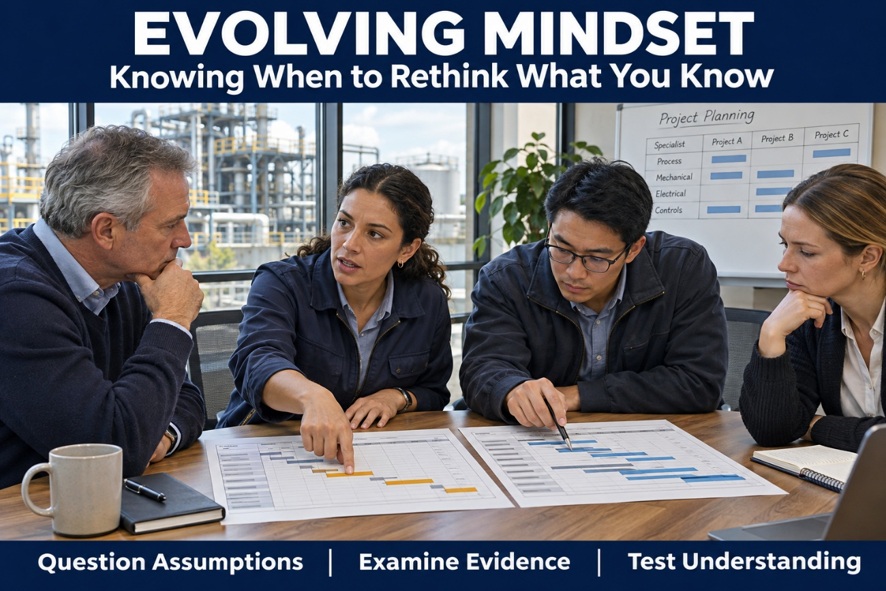
Experience helps us recognise patterns and act with confidence. It can also make an explanation feel so familiar that we stop asking whether it still fits. Leadership requires knowing when to rely on what we have learned and when to reconsider it.
A missed deadline may suggest poor planning. Repeated delays may appear to confirm that explanation. Yet the same pattern could arise from conflicting priorities, unresolved decisions or commitments that exceed available capacity.
The explanation matters because it shapes the response. More detailed plans will have limited value if the work remains blocked by decisions outside the team’s authority.
An evolving mindset involves examining the assumptions and interpretations that guide our choices. Experience can justify retaining them, refining them or replacing them. In regenerative leadership, this examination also matters for the capability people develop to question and improve their own understanding.
Three practices help make this approach actionable: making assumptions explicit, examining evidence that challenges them and testing our understanding in practice.
Make assumptions explicit
Experience gives us useful shortcuts. We recognise a situation, connect it with something encountered before and form an initial judgment.
That judgment may be well founded. Its familiarity alone does not establish that it is appropriate now.
Making assumptions explicit helps distinguish what we have observed from what we have inferred. “Three activities finished late” describes an observation. “The team lacks commitment” is an interpretation that requires examination.
Useful questions include: What leads us to this explanation? Which conditions are we assuming remain unchanged? What information would help distinguish it from another explanation?
The scrutiny should be proportionate. A routine, reversible decision may need only a brief check. A judgment that could affect someone’s role, reputation or workload deserves closer examination.
Examine what challenges your interpretation
Consultation becomes an opportunity to reconsider when we are willing to examine contributions that challenge our initial view.
Someone close to the work may see a dependency the leader has missed. They may also hold an incomplete interpretation of their own. Authentic listening involves taking their contribution seriously and examining the evidence behind it.
Psychological safety matters here. People need a credible opportunity to say, “I think we are explaining this incorrectly,” including when the explanation belongs to someone with greater authority. How that person responds influences whether concerns will be raised again.
Disagreement may reveal a gap worth investigating. Examination may also leave the original interpretation better supported. The question is what the evidence warrants.
AI-generated analysis deserves the same scrutiny. A persuasive response may appear to confirm our explanation while overlooking information that would challenge it. Asking what evidence would support a different conclusion can help expose that limitation.
Test your understanding in practice
Comparing explanations helps identify an appropriate response.
If conflicting priorities appear to be causing delays, the next step may be to clarify which work takes precedence. If the main constraint is missing expertise, authority alone cannot substitute for it, although it may enable someone to secure the necessary support.
Before acting, identify what the response is expected to improve, who can authorise it and what observations would justify continuing, adjusting or stopping it.
Sometimes a decision is needed before the causes are fully understood. In that situation, make the uncertainty explicit, choose an action proportionate to the risk and agree when to review it.
The results also need interpretation. Improvement after an intervention may support the explanation, but other conditions may have changed at the same time. A disappointing result may reflect a mistaken assumption, an incomplete response or difficulty in implementation.
This discipline applies to our revised explanations as much as to our original ones.
A practical example
Consider a hypothetical engineering organisation experiencing recurring delays in preparing technical documents.
The manager initially believes that the delays mainly reflect weak individual planning and follow-through. He asks for more detailed weekly plans, clearer task ownership and more frequent progress updates.
The delays continue.
During a review of specific assignments, team members explain that several projects draw on the same specialists. Each project manager treats their own requests as urgent. Some documents also await decisions about technical interfaces that the authors cannot resolve themselves.
The manager examines these accounts alongside work allocations and decision records. The evidence indicates that his initial explanation overlooked constraints affecting several assignments. More detailed individual plans cannot settle conflicting project priorities or resolve decisions outside the authors’ authority.
He works with the relevant managers to establish an agreed order of priorities and clarify who will resolve the outstanding interface decisions. They test the arrangement over the next delivery cycle.
The review examines time spent waiting for specialist input, how long decisions remain unresolved, delivery reliability and workload. It also checks whether prioritising these assignments has displaced delays to other projects.
Improved performance would support the view that the constraints mattered. The team would still need to examine how consistently the arrangement works and what other difficulties remain.
The review also creates an opportunity to develop judgment. In later assignments, can team members distinguish observations from explanations, investigate plausible causes and recognise when their initial interpretation needs revision? Can the manager do the same when the evidence challenges his own view?
Those subsequent actions provide evidence of capability developed.
Examine what becomes possible
Changing an opinion does not, by itself, demonstrate a more capable way of thinking. Nor does confidently defending an established approach.
More useful questions are:
- Can people explain the assumptions behind a judgment?
- Can they investigate evidence that challenges their preferred explanation?
- Can they distinguish what needs revision from what remains valid?
- Do they act appropriately when uncertainty remains?
- Does subsequent experience inform their next judgment?
This capability needs conditions in which it can be exercised. People require access to relevant information, time proportionate to the decision and a response that treats justified revision as responsible practice.
An evolving mindset becomes regenerative when examining our understanding improves present choices and develops people’s capacity to recognise what needs reconsideration, preserve what remains valid and exercise judgment in future situations.
Which explanation does your team keep repeating, and what evidence would make you reconsider it? |
Posted on: November 15, 2026 04:39 AM
|
Permalink |
Comments (0)
|
"Common sense is the collection of prejudices acquired by age 18."
- Albert Einstein
|




