


By Dr. Valerie Denney, PMI EMAG Member and PMP
Let’s discuss a hypothetical, but all too real project management situation. Let’s suppose you’ve been with the same company for 6 years in which time you have been assigned increasingly responsible positions including 2 years as a project manager. You professional track record is impeccable but you’ve been left aside even if you are so ready for the next step!
Maybe your dreams will come true! The director of projects approaches you and she want to promote you, if you agree to take the project management position on a high priority project that, well, “has had some tough spots”. What a job offer!
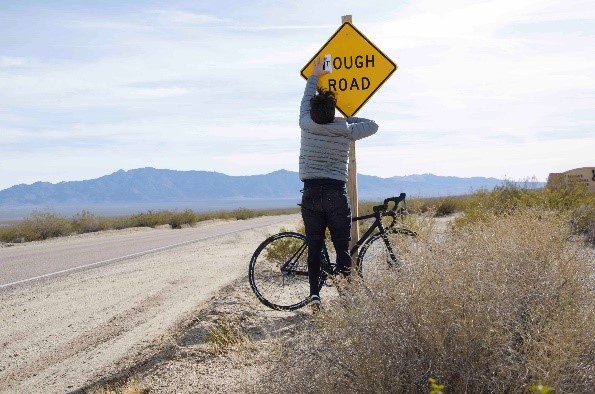
Then the next morning, you receive more details from the director of projects: the project is 30% over budget on a fixed price contract, 50% behind schedule on a 14 months project, and two days ago there was a major technical failure. Oh, and your business unit’s success (and the director’s job) depends on the project success. What’s your second reaction? Do you still want the job? Now you know more about it, and you’ve been given more time to think about it.
At lunch you overhear one of the project team members say”there is no way to save this project from being cancelled”. From other comments you realize that you didn’t know how the team moral can get any worse: “The sponsor hates us and can’t wait for us to fail” another laments in frustration. Now what? What’s your third reaction?
 You go back to the director of projects to discuss your concerns. After all, you’ve been taught that open, honest communication is always the best. You’re told it would reflect badly upon you if you don’t take this opportunity—after all it would seem that you really aren’t interested in career growth after all. The conversation continues with comments about you “needing to step up” and “this is no place for weak players” and “she knows dozens of project managers who would jump at this opportunity if you’re not capable.” You feel that you are being bullied into taking this position but what if you fail? Would I lose my job? How will my family handle this, especially with a new baby on the way?
The discussion continues with what seems like a veiled positive note “you will be given complete authority to do WHATEVER it takes.” OK, I like authority! But wait, there is more! If you are the project manager you are expected to “only bring forth solutions, and not problems”. She concludes with “what I don’t know, can’t hurt us”. If that isn’t a red flag, I don’t know what is? If you are not familiar with the concept of a red flag, it is an idiom or metaphor to signal a dangerous situation.
You reflect on her words and the tone. “WHATEVER it takes”? “Legal and illegal”? Against company policy? Conveniently manipulation of the truth? Poor behavior? Flawed decisions and judgment? WHERE does this end? Could you live with your moral self after the act? Abuse of power and authority?
Think now about the principles in the PMI Code of Conduct and Professional Responsibility.
First is responsibility: we have a “duty to take ownership for the decisions we make or fail to make, the actions we take or fail to take, and the consequences that result.” Wow! Am I really prepared to take responsibility for everything, even things that are outside of my control? There is a lot of history that can’t be undone. Do I have the necessary to understand the consequences of my decisions?
Next is respect: we have a “duty to show a high regard for ourselves, others, and the resources entrusted to us”.
Resources include people, money, and reputation among others. Am I prepared to show respect even if I need to remove poorly performing employees? Even if I face criticism about making tough decisions? Even if I might be bullied? Even if I am told that I was selected only because no one else would take the job?
Next is fairness: we have a “duty to make decisions and act impartially and objectively”. Can I really be free of self-interest? Mine is that I can’t afford to be fired. Can I avoid favoritism and not hurt anyone’s feelings? Are all my decisions fair, for the project, for the team, for the organization, for myself?
The fourth and final principle is honesty: we have a “duty to understand the truth and act in a truthful manner both in our communications and in our conduct”.
What if I am tempted to withhold information? Hide the facts? Bend the truth? Change the truth for beneficial gains? What if the project erodes further before it gets better? What if I fail?
Well, this is my reality! Enough about the questions, what about solutions? There are no easy answers.
Sometimes we are faced with conflicts, and yes, ethical dilemmas. I leave you with some thoughts for consideration and potential solutions.
1. Know yourself. Know your limits. Know your strengths and weaknesses. No one is expected to solve everything alone.
2. Don’t isolate yourself when in a difficult situation. Find a mentor—a trusted person who you can talk to about your concerns and alternatives to tough problems. Who can you turn to for advice and council?
3. Be prepared: Take a class on project management? Can you get Project Management Professional (PMP) certification [or renew] for that continual quest to improve.
4. Use you PMI resources: read the PMI Code of Conduct and Professional Responsibility; learn about how to deal with a bully; practice using the Ethical Decision Making Framework.
Learn more about these through the links below, or contact PMI Ethics Member Advisory Group (EMAG). This team is an advocate of the PMI Code of Ethics, acts as Product Leader in creating tools and techniques, and facilitate stakeholder understanding and application of the Code of Conduct and Professional Responsibility.
5. Don’t be afraid to take on a challenge. If you really want that next career step, give it a try! Just don’t forget about 1, 2, 3 and 4 abov e.
e.
Remember that project management is a team sport. You may have a tough road ahead, but you don’t need to navigate it alone.
For more information, click on the following links:
PMI Code of Conduct and Professional Responsibility (https://www.pmi.org/about/ethics/code)
Project Bully https://www.pmi.org/about/ethics/resources/bully
Ethical Decision-Making Framework. https://www.pmi.org/-/media/pmi/documents/public/pdf/ethics/ethical-decision-making-framework.pdf
Source of all graphics is “Creative Commons”, licensed under CC BY 2.0






