Make your point...Show me your power!
From the Support to Develop Blog
by Luis Branco

This blog addresses management-related topics and has three areas of focus: 1. Technical skills; 2. Competencies in the field of interpersonal relations and communication (including personal organization and delegation, leadership, teamwork, conflict resolution, conducting meetings, and negotiation); and 3. Strategy (including diagnosis, strategic guidelines, and implementation).4.Technology
Recent Posts
Delegation with Purpose: Building Autonomy and Developing Capability
RCPCV™: A Method for Decision-Making and Continuous Improvement
The Same Change Can Succeed and Fail at the Same Time
What Must Exist Even When No Single Role Owns the Whole?
PHASE 4 – THE EMERGENCE
Categories
Agile,
Career Development,
Career Development,
Career Development,
Career Development,
Career Development,
Career Development,
Career Development,
Career Development,
Career Development,
Career Development,
Career Development,
Career Development,
Career Development,
Career Development,
Career Development,
Career Development,
Career Development,
Career Development,
Career Development,
Career Development,
Career Development,
Career Development,
Career Development,
Career Development,
Career Development,
Career Development,
Career Development,
Career Development,
Career Development,
Career Development,
Career Development,
Career Development,
Career Development,
Career Development,
Career Development,
Career Development,
Career Development,
Career Development,
Career Development,
Career Development,
Career Development,
Career Development,
Career Development,
Career Development,
Career Development,
Career Development,
Career Development,
Career Development,
Career Development,
Career Development,
Career Development,
Career Development,
Career Development,
Career Development,
Career Development,
Career Development,
Career Development,
Career Development,
Career Development,
Career Development,
Career Development,
Career Development,
Career Development,
Career Development,
Career Development,
Career Development,
Career Development,
Career Development,
Career Development,
Career Development,
Career Development,
Career Development,
Career Development,
Career Development,
Career Development,
Career Development,
Career Development,
Career Development,
Career Development,
Career Development,
Career Development,
Career Development,
Career Development,
Career Development,
Career Development,
Career Development,
Career Development,
Career Development,
Career Development,
Career Development,
Career Development,
Career Development,
Career Development,
Career Development,
Career Development,
Career Development,
Career Development,
Career Development,
Career Development,
Career Development,
Career Development,
Career Development,
Career Development,
Career Development,
Career Development,
Career Development,
Career Development,
Career Development,
Career Development,
Career Development,
Career Development,
Career Development,
Career Development,
Career Development,
Career Development,
Career Development,
Career Development,
Career Development,
Career Development,
Career Development,
Career Development,
Career Development,
Education,
Governance,
Governance,
Governance,
Governance,
Governance,
Governance,
Governance,
Governance,
Governance,
Governance,
Governance,
Governance,
Governance,
Governance,
Governance,
Governance,
Governance,
Governance,
Governance,
Governance,
Governance,
Governance,
In,
Integration Management,
Interpersonal Skills,
Interpersonal Skills,
Interpersonal Skills,
Interpersonal Skills,
Interpersonal Skills,
Interpersonal Skills,
Interpersonal Skills,
Interpersonal Skills,
Interpersonal Skills,
Interpersonal Skills,
Interpersonal Skills,
Interpersonal Skills,
Interpersonal Skills,
Interpersonal Skills,
Interpersonal Skills,
Interpersonal Skills,
Interpersonal Skills,
Interpersonal Skills,
Interpersonal Skills,
Interpersonal Skills,
Interpersonal Skills,
Interpersonal Skills,
Interpersonal Skills,
Interpersonal Skills,
Interpersonal Skills,
Interpersonal Skills,
Interpersonal Skills,
Interpersonal Skills,
Interpersonal Skills,
Interpersonal Skills,
Interpersonal Skills,
Interpersonal Skills,
Interpersonal Skills,
Interpersonal Skills,
Interpersonal Skills,
Interpersonal Skills,
Interpersonal Skills,
Interpersonal Skills,
Interpersonal Skills,
Interpersonal Skills,
Interpersonal Skills,
Interpersonal Skills,
Interpersonal Skills,
Interpersonal Skills,
Interpersonal Skills,
Interpersonal Skills,
Interpersonal Skills,
Interpersonal Skills,
Interpersonal Skills,
Interpersonal Skills,
Interpersonal Skills,
Interpersonal Skills,
Interpersonal Skills,
Interpersonal Skills,
Interpersonal Skills,
Interpersonal Skills,
Interpersonal Skills,
Interpersonal Skills,
Interpersonal Skills,
Interpersonal Skills,
Interpersonal Skills,
Interpersonal Skills,
Interpersonal Skills,
Interpersonal Skills,
Interpersonal Skills,
Interpersonal Skills,
Interpersonal Skills,
Interpersonal Skills,
Interpersonal Skills,
Interpersonal Skills,
Interpersonal Skills,
Interpersonal Skills,
Interpersonal Skills,
Interpersonal Skills,
Interpersonal Skills,
Interpersonal Skills,
Interpersonal Skills,
Interpersonal Skills,
Interpersonal Skills,
Interpersonal Skills,
Interpersonal Skills,
Interpersonal Skills,
Interpersonal Skills,
Interpersonal Skills,
Interpersonal Skills,
Interpersonal Skills,
Interpersonal Skills,
Interpersonal Skills,
Interpersonal Skills,
Interpersonal Skills,
Interpersonal Skills,
Interpersonal Skills,
Interpersonal Skills,
Interpersonal Skills,
Interpersonal Skills,
Interpersonal Skills,
Interpersonal Skills,
Interpersonal Skills,
Interpersonal Skills,
Interpersonal Skills,
Interpersonal Skills,
Interpersonal Skills,
Interpersonal Skills,
Interpersonal Skills,
Interpersonal Skills,
Interpersonal Skills,
Interpersonal Skills,
Interpersonal Skills,
Interpersonal Skills,
Interpersonal Skills,
Interpersonal Skills,
Interpersonal Skills,
Interpersonal Skills,
Interpersonal Skills,
Interpersonal Skills,
Interpersonal Skills,
Interpersonal Skills,
Interpersonal Skills,
Interpersonal Skills,
Interpersonal Skills,
Interpersonal Skills,
Interpersonal Skills,
Knowledge Management,
le,
lea,
Leadership,
Leadership,
Leadership,
Leadership,
Leadership,
Leadership,
Leadership,
Leadership,
Leadership,
Leadership,
Leadership,
Leadership,
Leadership,
Leadership,
Leadership,
Leadership,
Leadership,
Leadership,
Leadership,
Leadership,
Leadership,
Leadership,
Leadership,
Leadership,
Leadership,
Leadership,
Leadership,
Leadership,
Leadership,
Leadership,
Leadership,
Leadership,
Leadership,
Leadership,
Leadership,
Leadership,
Leadership,
Leadership,
Leadership,
Leadership,
Leadership,
Leadership,
Leadership,
Leadership,
Leadership,
Leadership,
Leadership,
Leadership,
Leadership,
Leadership,
Leadership,
Leadership,
Leadership,
Leadership,
Leadership,
Leadership,
Leadership,
Leadership,
Leadership,
Leadership,
Leadership,
Leadership,
Leadership,
Leadership,
Leadership,
Leadership,
Leadership,
Leadership,
Leadership,
Leadership,
Leadership,
Leadership,
Leadership,
Leadership,
Leadership,
Leadership,
Leadership,
Leadership,
Leadership,
Leadership,
Leadership,
Leadership,
Leadership,
Leadership,
Leadership,
Leadership,
Leadership,
Leadership,
Leadership,
Leadership,
Leadership,
Leadership,
Leadership,
Leadership,
Leadership,
Leadership,
Leadership,
Leadership,
Leadership,
Leadership,
Leadership,
Leadership,
Leadership,
Leadership,
Leadership,
Leadership,
Leadership,
Leadership,
Leadership,
Leadership,
Leadership,
Leadership,
Leadership,
Leadership,
Leadership,
Leadership,
Leadership,
Leadership,
Leadership,
Leadership,
Leadership,
Leadership,
Leadership,
or,
Organizational Project Management,
Portfolio Management,
Program,
Program Management,
Strategy,
Strategy,
Strategy,
Strategy,
Strategy,
Strategy,
Strategy,
Strategy,
Strategy,
Strategy,
Strategy,
Strategy,
Strategy,
Strategy,
Strategy,
Strategy,
Strategy,
Strategy,
Strategy,
Strategy,
Strategy,
Strategy,
Strategy,
Strategy,
Strategy,
Strategy,
Strategy,
Strategy,
Strategy,
Strategy,
Strategy,
Strategy,
Strategy,
Strategy,
Strategy,
Strategy,
Strategy,
Strategy,
Strategy,
Strategy,
Strategy,
Strategy,
Strategy,
Strategy,
Strategy,
Strategy,
Strategy,
Strategy,
Strategy,
Strategy,
Strategy,
Strategy,
Strategy,
Strategy,
Strategy,
Strategy,
Strategy,
Strategy,
Strategy,
Strategy,
Strategy,
Strategy,
Strategy,
Strategy,
Strategy,
Strategy,
Strategy,
Strategy,
Strategy,
Strategy,
Strategy,
Strategy,
Strategy,
Strategy,
Strategy,
Strategy,
Strategy,
Strategy,
Strategy,
Strategy,
Strategy,
Strategy,
Strategy,
Strategy,
Strategy,
Strategy,
Strategy,
Strategy,
Strategy,
Strategy,
Strategy,
Strategy,
Strategy,
Strategy,
Strategy,
Strategy,
Strategy,
Strategy,
Strategy,
Strategy,
Strategy,
Strategy,
Strategy,
Strategy,
Strategy,
Strategy,
Strategy,
Strategy,
Strategy,
Strategy,
Strategy,
Strategy,
Strategy,
Strategy,
Strategy,
Strategy,
Strategy,
Strategy,
Strategy,
Strategy,
Strategy,
Strategy,
Strategy,
Sustainability,
Talent Management,
Talent Management,
Talent Management,
Talent Management,
Talent Management,
Talent Management,
Talent Management,
Talent Management,
Talent Management,
Talent Management,
Talent Management,
Talent Management,
Talent Management,
Talent Management,
Talent Management,
Talent Management,
Talent Management,
Talent Management,
Talent Management,
Talent Management,
Talent Management,
Talent Management,
Talent Management,
Talent Management,
Talent Management,
Talent Management,
Talent Management,
Talent Management,
Talent Management,
Talent Management,
Talent Management,
Talent Management,
Talent Management,
Talent Management,
Talent Management,
Talent Management,
Talent Management,
Talent Management,
Talent Management,
Talent Management,
Talent Management,
Talent Management,
Talent Management,
Talent Management,
Talent Management,
Talent Management,
Talent Management,
Talent Management,
Talent Management,
Talent Management,
Talent Management,
Talent Management,
Talent Management,
Talent Management,
Talent Management,
Talent Management,
Talent Management,
Talent Management,
Talent Management,
Talent Management,
Talent Management,
Talent Management,
Talent Management,
Talent Management,
Talent Management,
Talent Management,
Talent Management,
Talent Management,
Talent Management,
Talent Management,
Talent Management,
Talent Management,
Talent Management,
Talent Management,
Talent Management,
Talent Management,
Talent Management,
Talent Management,
Talent Management,
Talent Management,
Talent Management,
Talent Management,
Talent Management,
Talent Management,
Talent Management,
Talent Management,
Talent Management,
Talent Management,
Talent Management,
Talent Management,
Talent Management,
Talent Management,
Talent Management,
Talent Management,
Talent Management,
Talent Management,
Talent Management,
Talent Management,
Talent Management,
Talent Management,
Talent Management,
Talent Management,
Talent Management,
Talent Management,
Talent Management,
Talent Management,
Talent Management,
Talent Management,
Talent Management,
Talent Management,
Talent Management,
Talent Management,
Talent Management,
Talent Management,
Talent Management,
Talent Management,
Talent Management,
Talent Management,
Talent Management,
Talent Management,
Talent Management,
Talent Management,
Talent Management
Date

Introduction
The PMBOK Guide 6th edition has an appendix dedicated to the techniques and tools that are grouped together for their objectives.
In a total of 132 techniques and tools, 72 of which are grouped into 6 groups according to the intention of what should be done and the different methods to achieve that intention.
The remaining 60 tools and techniques are not grouped
This grouping is performed in a table that crosses the process and area of knowledge with the techniques and tools
Groups of tools and techniques
The groups integrate a set of tools and techniques and have the following designations:
- Data collection techniques - 9 tools and techniques
- Data analysis techniques - 27 tools and techniques
- Data representation techniques - 15 tools and techniques
- Decision making techniques - 2 tools and techniques
- Communication skills - 2 tools and techniques
- Interpersonal and team skills - 17 tools and techniques
- As mentioned, there are 60 techniques and tools not grouped
One of the techniques and tools used in Communication skills is presentations
Show me your PowerPoint
The use of audiovisual media was generalized to support the presentations
Many people just read what they write and project when presenting
To be more effective in presentations supported by PowerPoint (or any other program), I share some suggestions:
1. Only one message per slide
2. To guide the attention of recipients, resort to:
- Contrast
- Size of images and body of letters
3. Avoid using phrases while speaking
4. The background of the slides must be dark or black
5. Use 6 objects (maximum) per slide
I share this video by David J.P. Philips on the topic:
.jpg)
Make your point...Show me your power!
In order to have an impact on the audience, presentations must have 3 essential ingredients.
To provoke reactions, to captivate, a presentation has to be:
- Emotive: Reaching the heart
- Singular: Teaching something new
- Memorable: Present the content in an unforgettable way
Emotive
Great communicators appeal to the mind and heart, but most people who make presentations forget to attend to the "heart"
Singular
Originality is the most effective attribute to capture someone's attention
Memorable
There is little point in presenting memorable ideas if the audience is unable to remember what was said
Some tips to have more impact
For a presentation to have a great impact, use the following structure
- Create a key idea you want to convey
- Repeat this key idea several times during the presentation
- Between two key ideas, tell a story or an episode that "anchors" that key idea
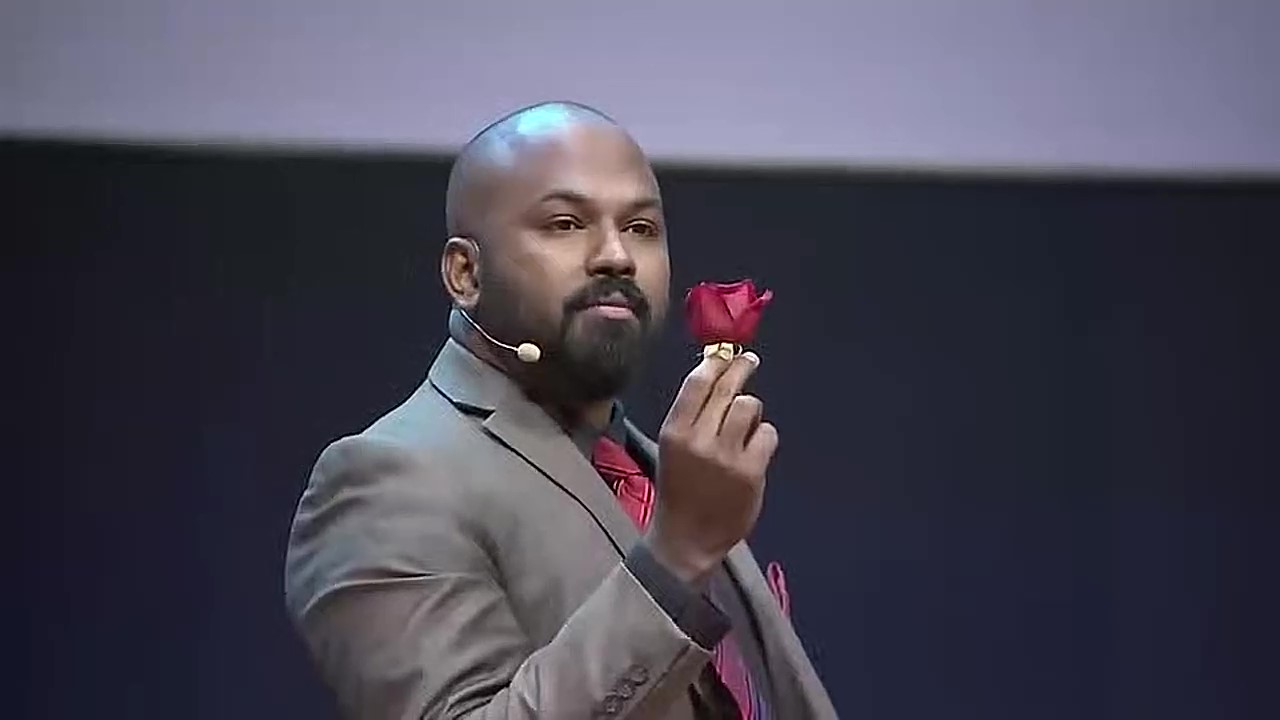
I share this video by Dananjaya Hettiarachchi where you can see how the presentation is structured and check the impact it causes
Conclusion
This article addresses how to integrate the elements that distinguish inspiring presentations and the way we see ourselves as leaders and communicators
Posted on: February 29, 2020 09:44 AM |
Permalink
Comments (18)
Please login or join to subscribe to this item

Alexandre Costa
Scrum Master| Integer Consulting - Pictet technologies
Loures, Portugal
Luis,
Great points about presentations and how to capture focus from the attendees.
Alexandre

Luis Branco
CEO| Business Insight, Consultores de Gestão, Ldª
Carcavelos, Lisboa, Portugal
Dear Alexandre
Thank you for participating in this reflection and for your opinion
Did you have the opportunity to see Dananjaya Hettiarachchi's speech?
That two other famous speeches were made using the structure I proposed:
- Create a key idea you want to convey
- Repeat this key idea several times during the presentation
- Between two key ideas, tell a story or an episode that "anchors" that key idea

Antonio Monteiro
Head of IT, Professor/Researcher| Nova Information Management School, NOVA-IMS
Lisbon, Portugal
Excelente tips to keep in our mind when we need to give a presentation.
Luis Branco
CEO| Business Insight, Consultores de Gestão, Ldª
Carcavelos, Lisboa, Portugal
Dear Antonio
Thank you for participating in this reflection and for your opinion
Did you have the opportunity to see Dananjaya Hettiarachchi's speech?
That two other famous speeches were made using the structure I proposed?
Luis Branco
CEO| Business Insight, Consultores de Gestão, Ldª
Carcavelos, Lisboa, Portugal
Dear Tyler
Thank you for participating in this reflection and for your opinion
Did you have the opportunity to see Dananjaya Hettiarachchi's speech?
That two other famous speeches were made using the structure I proposed?
Hi LB,
Nowadays there are only two constants, changes and distraction. An inviting and empathetic presentation is a good ingredient for better knowledge transfer.
Luis Branco
CEO| Business Insight, Consultores de Gestão, Ldª
Carcavelos, Lisboa, Portugal
Dear Alcides
Thank you for participating in this reflection and for your opinion
Did you have the opportunity to see Dananjaya Hettiarachchi's speech?
That two other famous speeches were made using the structure I proposed?

Tania Belmiro
Senior Program and Process Management Advisor| Carbon Life Consulting
São Paulo, São Paulo, Brazil
Unique Luis, The Speech of Mr. Hettiarachchi it conveys, perfectly, in his 7 min video the main idea of your text about an impact presentation...
"Repeat this key idea" - "I know you have something special..."
Then he tells a story - memos about family, friends, work people showing you no matter your ups and downs they can piece you back again.
Storytelling method is a great way to convey any lesson in a presentation.
Congratulations Luis...
Luis Branco
CEO| Business Insight, Consultores de Gestão, Ldª
Carcavelos, Lisboa, Portugal
Dear Tania
Thank you for participating in this reflection and for your opinion
We agree that the discourse of Dananjaya Hettiarachchi is FANTASTIC
That two other famous speeches were made using the structure I proposed?
Luís,
Just can say that a learned a lot. Your exposition so coherent, the brilliant Philip's presentation, and amazing Hettiarachchi's speech gave a strong learning experience to me. Thank you so much.
Excelent post on communications technics.
Project management is 90% communication, right? So this is a must read for the introductory techniques needed to reach and inspire others.
Luis Branco
CEO| Business Insight, Consultores de Gestão, Ldª
Carcavelos, Lisboa, Portugal
Dear James Allen
Thank you for participating in this reflection and for your comment
We agree with what you wrote: "amazing Hettiarachchi's speech"
That two other famous speeches were made using the structure I proposed?
Luis Branco
CEO| Business Insight, Consultores de Gestão, Ldª
Carcavelos, Lisboa, Portugal
Dear Sebastião
Thank you for participating in this reflection and for your comment
We agree with what you wrote: "This is a must read for the introductory techniques needed to reach and inspire others"
That two other famous speeches were made using the structure I proposed?
Dear Luís,
Yes! Speeches reflect the way you advised.
Thanks.
Luis Branco
CEO| Business Insight, Consultores de Gestão, Ldª
Carcavelos, Lisboa, Portugal
Dear James
Thanks for your comment
One of the speeches I was referring to (where the speaker used this technique) was "I Have a Dream" by Martin Luther King Jr.
It was so remarkable that we still remember it today

Jacob Cruz
Subsea Engineer| Sonangol E.P
Luanda, Luanda, Angola
Pessoalmente, gosto de fazer apresentações apesar que ainda tenho um longo caminho de aprendizado pela frente, mas quando os 3 ingredientes que mencionou (emotive, singular and memorable) estão reunidos o sucesso é garantido...

Bob Macaia
Gestor de Talento| Unitel
Luanda, Luanda, Angola
Excelente partilha sobre técnicas de comunicação, é uma competência que estou a investir bastante para estar preparado para as pequenas e grandes audiências.
Please Login/Register to leave a comment.
|
"Forgive your enemies, but never forget their names."
- John F. Kennedy
|




