Digital Transformation & Ethical Decisions
From the Ethics Bistro Blog
by Tara Leparulo,
Shenila Shahabuddin, Juan Posada Toro, Albert Agbemenu, Ming Yeung, Kannan Ganesan, Yannick Arekion, Witold Hendrysiak, Stelian ROMAN, Laszlo J. Kremmer MBA, CSPO®, CSM®, PMP®

We all tackle ethical dilemmas. Wrong decisions can break careers. Which are the key challenges faced? What are some likely solutions? Where can we find effective tools? Who can apply these and why? Dry, theoretical discussions don't help. Join us for lively, light conversations to learn, share and grow!
View Posts By:
Tara Leparulo
Shenila Shahabuddin
Juan Posada Toro
Albert Agbemenu
Ming Yeung
Kannan Ganesan
Yannick Arekion
Witold Hendrysiak
Stelian ROMAN
Laszlo J. Kremmer MBA, CSPO®, CSM®, PMP®
Past Contributors:
Dr. Deepa Bhide
Lily Murariu
Alankar Karpe
Bryan Shelby
Amany Nuseibeh
Mohamed Hassan
Fabio Rigamonti
Simona Bonghez
John Watson
Lissa Muncer
Valerie Denney
Majeed Hosseiney
Gretta Kelzi
Enrique Cappella
Rocio Briceno
Karthik Ramamurthy
Recent Posts
Professionalism Under Pressure: Choosing Respect When Conflict Escalates
The Credential Is a Promise: What Do Three Letters Really Say?
When the schedule slipped, so did accountability: Ethical reflections from an early ERP project - Part 2
When the schedule slipped, so did accountability: Ethical reflections from an early ERP project - Part 1
Do You Like to Pick and Choose Your Projects?
Categories
Aerospace and Defense,
Agile,
AI,
Ambassadors,
Artificial Intelligence,
Ask the Experts,
Behavior,
bottom line,
Business Acumen,
Business Ethics,
Business Ethics,
CEO,
CFO,
Change Management,
Chapters,
CIO,
code of conduct,
code of ethics,
Code of Ethics and Professional Conduct,
communication,
Conflict,
Construction,
courage honesty responsibility respect fairness,
Cultural Diversity,
Culture,
CxO,
Decision Making,
Decision-making,
Decision-making,
Digital Project Management,
Digital Transformation,
Diversity,
Do the right thing,
dugutalization project manager professionalism social media,
economy,
EDMF,
EMAG,
empathy,
Ethical Dilemma,
Ethical Leadership,
Ethics,
Ethics,
Ethics,
Ethics,
Ethics,
Ethics,
Ethics,
Ethics as a competence,
Ethics Bistro,
Ethics in Communication,
Ethics Insight Team,
Fairness,
fairness,
Governance,
Honesty,
honesty,
Human,
Information Technology,
Leadership,
Legal Project Management,
Legilsation,
Lessons Learned,
Negotiation,
Nexus,
Organizational Culture,
Organizational Project Management,
PMI Program Management,
PMI Talent Triangle,
PMIAA,
Portfolio Management,
Power Skills,
practitioner,
Product Management,
Professional Conduct,
professional conduct,
Professional Responsibility,
Professionalization,
professonal conduct,
Program Management,
Project,
Project Management,
project manager,
Regulatory,
research,
Respect,
respect,
Responsibility,
responsibility,
Risk Management,
Stakeholder Management,
Strategy,
Sustainability,
Team Assessment,
Teams,
Thought leadership,
tools,
Trust,
trust,
Values,
Values,
values,
Virtual Experience Series,
volunteers,
Ways of Working
Date
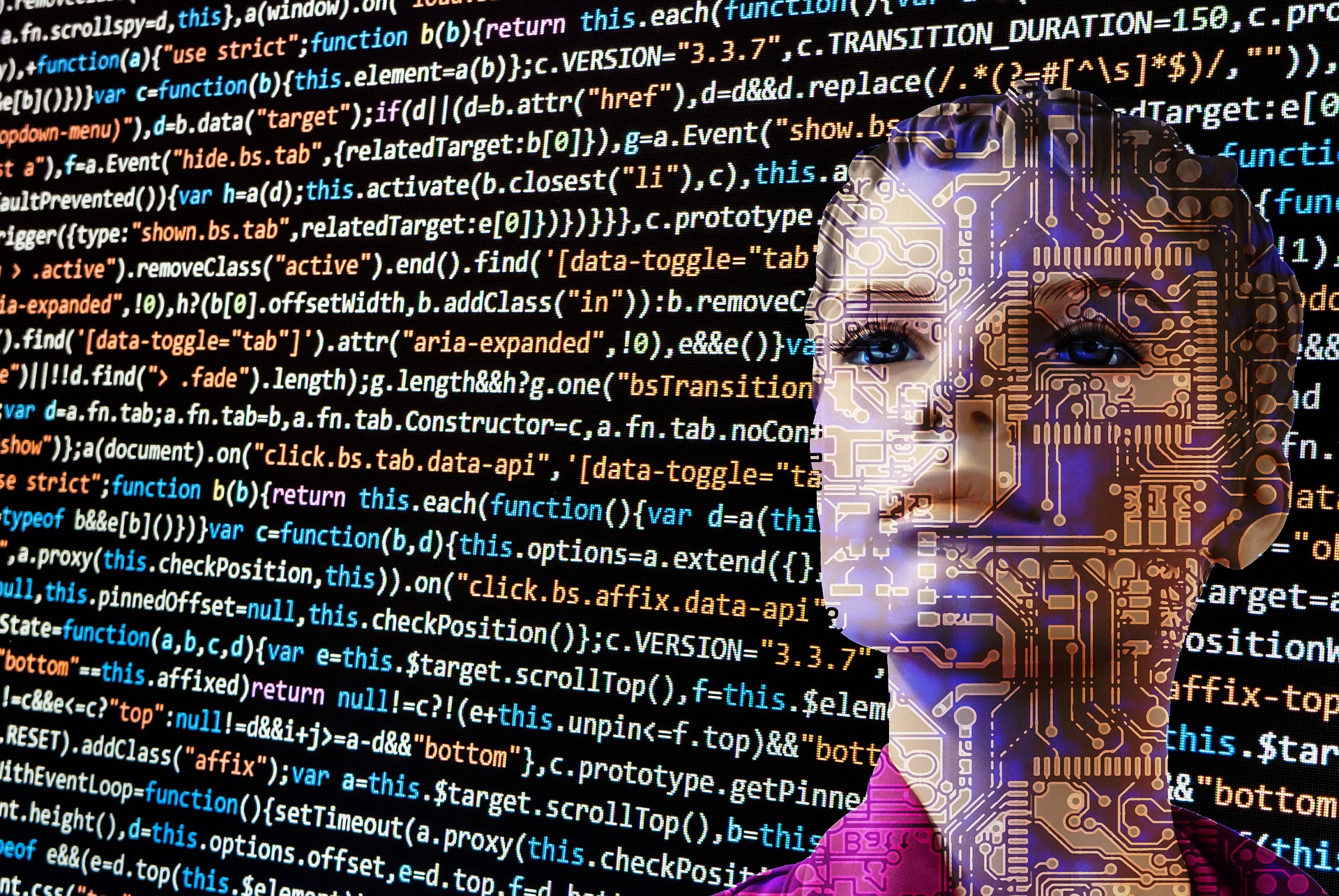 Digital Transformation (DX) provides the critical response needed by organizations to meet rising customer expectations, deliver scalable, individualized experiences, and respond to market forces with ever increasing levels of business agility. Technologies like cloud computing, robotics, AI and big data combined with optimized operating models enable organizations to drive innovation and respond to internal and external events quicker and cheaper than ever before. All of these seem to be steps in the right direction and while they can definitely get characterized as being so, one cannot overlook the challenges posed by DX. Ethical concerns like individual privacy rights, potential job losses, implicit consent, digital trust, unanticipated consequences of innovations and decision making by machines must be carefully evaluated and addressed.
Through this post, I want to pick your brain regarding some of the less rosy consequences of rapid DX. According to World Economic Forum (WEF), current estimates of global job losses due to digitalization range from 2 million to 2 billion by 2030. Also, for every 1% increase in global GDP, CO2e emissions have risen by approximately 0.5% and resource intensity by 0.4%. The trend will contribute to a global gap of 8 billion tonnes between the supply and demand of natural resources by 2030, translating to $4.5 trillion of lost economic growth by 2030. According to the Edelman Trust Barometer, trust in all technology-based sectors is declining with concerns over data privacy and security being key factors. Broader ethical questions about the way organizations use digital technology also threaten to erode trust in DX. Few organizations and their leaders develop an overall approach to the ethical impacts of technology use—at least not at the start of a digital transformation. In a recent study, only 35 percent of respondents said their organization’s leaders spend enough time thinking about and communicating the impact of digital initiatives on society.
In order to be truly savvy in the age of advanced, connected, and autonomous technologies, leaders must think beyond designing and implementing technologically driven capabilities. They should consider how to do so responsibly from the start. In order to be ethically driven from the start, business leaders need to be proactive and stay ahead of potential ethical challenges and consider designing new technology-driven products and services with ethical principles in mind from the start. This can help organizations anticipate and avoid problems, rather than having to react after a situation arises.
PMI’s Code of Ethics and Professional Conduct provides guidelines which can help in addressing many ethical concerns related to fast paced DX. Responsibility entails that organizations own the decisions they make or fail to make, the actions they take or fail to take, and the resulting consequences. In exhibiting Respect, an organization must show high regard for themselves, others, and the resources entrusted to their management. Resources may include people, money, reputation, the safety of others, and natural or environmental resources. Fairness requires that humans and machines trained by them take decisions and act impartially and objectively. Algorithms running the technologies must be free from competing self-interest, prejudice, and favoritism. Honesty requires that facts are interpreted in a manner which is truthful and not misleading.
I strongly believe that DX is a great trend, and it may not be an option. To leverage it properly, decision makers must keep ethical values as the base of their decisions to guarantee sustainable success. Please share your perspective and experience with the rest of us so we can also learn from your insights.
Posted
by
Mohamed Hassan
on: January 04, 2021 04:50 AM |
Permalink
Comments (8)
Please login or join to subscribe to this item
Thank you Mohamed for this thought provoking dilemma and perspective
You’ve exposed multiple issues with surfacing this iceberg,
DX has been going on for a long time before the hot topic and buzzword it has become . While there are desired needs, experiences, expectations and anticipated outcomes , I sometimes wonder if the rush to market is more negatively transformational and some times becomes more of a digital disruption instead
We keep hearing about fail fast , which is not always a good idea as some of the Unintended consequences of the. MVP rapid releases bring more pain than benefits and the outcomes are difficult or unable to be be reversed.
I strongly agree with your conclusions for the inclusion of an ethical mindset. The thought of Beginning with the end in mind can be a preventive and proactive approach which can restore trust and confidence and bring sustainable product success versus short term wins with long term negative consequences.

Kwiyuh Michael Wepngong
 Community Champion
Financial Management Specialist | US Peace Corps
Yaounde, Centre, Cameroon
Thanks Mohammed for posting, A lot of this new tech processes throws organizations into ethical dilemma....
Thanks for sharing, very interesting.
Thank you Mohamed,
Straight to the point, I fully agree on the fact of never disregarding the human side of the project economy, in the DX world.

Lissa Muncer
Transformation & Portfolio Director| Avanade
United Kingdom
Thank you Mohammed for a very thought provoking blog. Certainly very applicable to the transformation journeys that all companies are embarking, some accelerated by the global pandemic. Keeping PMI’s Code of Ethics and Professional Conduct at the forefront to these transformations facilitates and effective journey for all involved.
Please Login/Register to leave a comment.
|
"There is nothing more difficult than talking about music."
- Camille Saint-Saens
|




