Are you treating yourself ethically?
Categories:
Ethics
Categories: Ethics


|
When I ask them how they can implement them, they said a lot of things makes me feel they are angels working in the heaven (which is also nice). Maybe they are, I don’t judge. The problem is they don’t mention anything about how they apply these core values on themselves. No one said “I first respect myself and my passion, then respect my family, then respect my society, and then respect everyone at work. No one said I'm fair with myself first. I'm honest with myself first. I'm fair with myself firstand I am responsible of myself. I believe that before we look at the world around us and apply those good values at work, we need first to treat ourselves ethically. First you need apply this to yourself, before you can it elsewhere. The ethics assessment always focus on your actions in different situations with others not ourselves. To make it easy, did you ask yourself these questions? Am I fair with myself? Do I get a fair price for my services? Am I responsible of my own happiness? What about my peace of mind? What about decisions that I take or not take to make myself happy and healthy? Do I respect myself and build a good brand for myself? Do I influence everyone to give me the respect I deserve? Am I honest with myself about what I capable to do or not to do? You need to sit with yourself and prepare a list of questions. After that, you need to make a cup of coffee and sit in quite place to start your journey inside yourself Possibly you will discover that the world outside yourself makes it difficult to treat yourself ethically. The question here is, if you don’t treat yourself ethically, how can you do this with others? I'm not psychologist, but I'm a professional like all of you. I found that in order to make everyone happy, I forget to treat myself ethically. I was working on more than I could do, or accept attacks on my personal respect, or not being responsible enough on myself. I decided to change and be ethical with myself first before I do this with others. I believe that if I can't do this with myself I can't offer these values to others. If work and society, don’t allow you to implement the values that you believe in, how can they expect you to give back to them? Start your self-discovery journey today, not tomorrow. After you fix the weakness go to the world stronger, bolder and more ethically. This is what I believe. The discussion is now about treating yourself first, and then others”
|
 PMI has an excellent code of Ethics and Professional conduct, with four core values. If you don't remember them, don't feel guilty. In my sessions I asked the participants if they remember them. I found less than 10% remember them all, half of them remember two, and all just remember one. The good thing is if you ask them to guess, they often come with more than 10 values with one or two of them are in the core values. Anyway they are “Respect, Honesty, Responsibly and Fairness”.
Ethics and You: What If I Fail?
| By Dr. Valerie Denney, PMI EMAG Member and PMP Let’s discuss a hypothetical, but all too real project management situation. Let’s suppose you’ve been with the same company for 6 years in which time you have been assigned increasingly responsible positions including 2 years as a project manager. You professional track record is impeccable but you’ve been left aside even if you are so ready for the next step! Maybe your dreams will come true! The director of projects approaches you and she want to promote you, if you agree to take the project management position on a high priority project that, well, “has had some tough spots”. What a job offer!
Then the next morning, you receive more details from the director of projects: the project is 30% over budget on a fixed price contract, 50% behind schedule on a 14 months project, and two days ago there was a major technical failure. Oh, and your business unit’s success (and the director’s job) depends on the project success. What’s your second reaction? Do you still want the job? Now you know more about it, and you’ve been given more time to think about it. At lunch you overhear one of the project team members say”there is no way to save this project from being cancelled”. From other comments you realize that you didn’t know how the team moral can get any worse: “The sponsor hates us and can’t wait for us to fail” another laments in frustration. Now what? What’s your third reaction?
The discussion continues with what seems like a veiled positive note “you will be given complete authority to do WHATEVER it takes.” OK, I like authority! But wait, there is more! If you are the project manager you are expected to “only bring forth solutions, and not problems”. She concludes with “what I don’t know, can’t hurt us”. If that isn’t a red flag, I don’t know what is? If you are not familiar with the concept of a red flag, it is an idiom or metaphor to signal a dangerous situation. You reflect on her words and the tone. “WHATEVER it takes”? “Legal and illegal”? Against company policy? Conveniently manipulation of the truth? Poor behavior? Flawed decisions and judgment? WHERE does this end? Could you live with your moral self after the act? Abuse of power and authority? Think now about the principles in the PMI Code of Conduct and Professional Responsibility. First is responsibility: we have a “duty to take ownership for the decisions we make or fail to make, the actions we take or fail to take, and the consequences that result.” Wow! Am I really prepared to take responsibility for everything, even things that are outside of my control? There is a lot of history that can’t be undone. Do I have the necessary to understand the consequences of my decisions? Next is respect: we have a “duty to show a high regard for ourselves, others, and the resources entrusted to us”. Resources include people, money, and reputation among others. Am I prepared to show respect even if I need to remove poorly performing employees? Even if I face criticism about making tough decisions? Even if I might be bullied? Even if I am told that I was selected only because no one else would take the job? Next is fairness: we have a “duty to make decisions and act impartially and objectively”. Can I really be free of self-interest? Mine is that I can’t afford to be fired. Can I avoid favoritism and not hurt anyone’s feelings? Are all my decisions fair, for the project, for the team, for the organization, for myself? The fourth and final principle is honesty: we have a “duty to understand the truth and act in a truthful manner both in our communications and in our conduct”. What if I am tempted to withhold information? Hide the facts? Bend the truth? Change the truth for beneficial gains? What if the project erodes further before it gets better? What if I fail? Well, this is my reality! Enough about the questions, what about solutions? There are no easy answers. Sometimes we are faced with conflicts, and yes, ethical dilemmas. I leave you with some thoughts for consideration and potential solutions. 1. Know yourself. Know your limits. Know your strengths and weaknesses. No one is expected to solve everything alone. 2. Don’t isolate yourself when in a difficult situation. Find a mentor—a trusted person who you can talk to about your concerns and alternatives to tough problems. Who can you turn to for advice and council? 3. Be prepared: Take a class on project management? Can you get Project Management Professional (PMP) certification [or renew] for that continual quest to improve. 4. Use you PMI resources: read the PMI Code of Conduct and Professional Responsibility; learn about how to deal with a bully; practice using the Ethical Decision Making Framework. Learn more about these through the links below, or contact PMI Ethics Member Advisory Group (EMAG). This team is an advocate of the PMI Code of Ethics, acts as Product Leader in creating tools and techniques, and facilitate stakeholder understanding and application of the Code of Conduct and Professional Responsibility. 5. Don’t be afraid to take on a challenge. If you really want that next career step, give it a try! Just don’t forget about 1, 2, 3 and 4 abov Remember that project management is a team sport. You may have a tough road ahead, but you don’t need to navigate it alone. For more information, click on the following links: PMI Code of Conduct and Professional Responsibility (https://www.pmi.org/about/ethics/code) Project Bully https://www.pmi.org/about/ethics/resources/bully Ethical Decision-Making Framework. https://www.pmi.org/-/media/pmi/documents/public/pdf/ethics/ethical-decision-making-framework.pdf
Source of all graphics is “Creative Commons”, licensed under CC BY 2.0 |
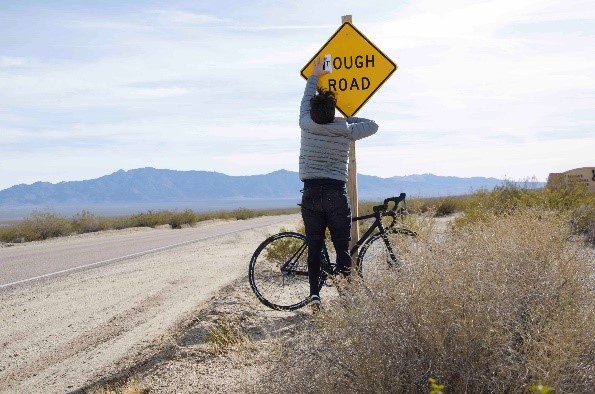
 You go back to the director of projects to discuss your concerns. After all, you’ve been taught that open, honest communication is always the best. You’re told it would reflect badly upon you if you don’t take this opportunity—after all it would seem that you really aren’t interested in career growth after all. The conversation continues with comments about you “needing to step up” and “this is no place for weak players” and “she knows dozens of project managers who would jump at this opportunity if you’re not capable.” You feel that you are being bullied into taking this position but what if you fail? Would I lose my job? How will my family handle this, especially with a new baby on the way?
 e.
e.
An approach to ethics for Digital disruption projects
Categories:
Digital Transformation
Categories: Digital Transformation
| Categories: Ethics, responsibility, respect, fairness, honesty, digital disruption, digital transformation, leadership, research
George is a newly hired project manager. It was his dream to join the company, a start-up on artificial intelligence (AI) and machine learning in education. Working with digital disrupted technology was something he has waiting for a long time. As a project manager, he is aware of the rise of these technologies and has decided to “get his feet wet” and develop his knowledge base with these concepts. In a recent read George become aware that according to Gartner 1, by 2020, AI will generate 2.3 million jobs, and $2.9 trillion in business value by 2021. “AI is one of the most important things humanity is working on. It is more profound than […] electricity or fire”, indicates Google’s CEO2. George is so ready to lead this project! Using the existing data base of client information, via a customer-centric approach, using AI and machine learning the client information will be analyzed, identifying patterns, and predictive capabilities to enrich and develop customized education products. With a global user-based audience the company is seeking to create long-lasting products that support, meet and exceed customers’ expectations.
The day of the kickoff meeting come, George met his team of data engineer, data scientist, infrastructure engineering, training specialists. The discussions were heated, as the project was very interesting, the deliverables were heavy, some of them a novelty in the field, but with strict and short deadlines as the company wanted to “break the ice” on the market with their products. The team was so excited, eager to apply knowledge and start the work. Right away they shared concerns towards the processes, the products to be created /delivered, and the impact on the users.
(Source: pixabay.com) During the meeting the team posed a variety of ethical questions related to how AI and machine learning impact the current and future of the project and the deliverables.
George recalled a recent issue on this topic of Brightline™ 3 and he immediately shared the insights:
(Source: pixabay.com) The data scientist, the two software developers asked George if accessing the existing database of client information using AI and machine learning there are digital ethics and privacy concern, and how the users trust will be built, and maintained. Personal information is sensitive and valuable, said George, and users may want access control over them. Fairness, trust, consent, protection of the individual privacy, the choice of users on how their information is to be used are just a few of the ethical aspects to be investigated. The team engaged in the broader topic of digital ethics, how privacy and security are key elements in building trust. The team will share best practices and be early adopters of the ones that support the needs of their project.
(Source: pixabay.com) The ethical quest continued on the ethical principles of the organization. George indicated that the journey of developing a digital ethical framework on the use of the disrupted technology is just in its early stages, as the company was moving from “are we compliant” toward “are we doing the right thing”, a bold move from compliance-driven organizations to ethics-driven organizations.
(Source: pixabay.com) The entire team was eager to learn about the ethics resources in place. George shared the company’s Code of Ethics, and reminded the team that responsibility, respect, fairness, and honesty 6 are the core values in their work; he has shared the compendium of PMI ethics resources 7 , including the practical tools of the Ethics in Project Management Toolkit 8. It is George’s commitment to discuss ethics in each of the weekly meetings of the team and ensure that concerns are addressed, leadership is involved, and stakeholders are properly informed.
(Source: pixabay.com) The kick-off meeting was indeed one of a kind, as it was the project that everybody was so looking forward to advance. The team agreed to continue to engage in these conversations and support the organization throughout the development of the necessary policies, guidelines and tools that will bring run business ethically while addressing user needs and stakeholders’ expectations. George realized that for this project ethics will be the status quo item on the agenda of the project team throughout the lifecycle of the project. As a project manager, he was ready to start his learning journey and take the team with him in developing their digital competencies, and project management skills and knowledge.
(Source: pixabay.com) Digital disrupted technology, digital transformation will result in more projects like this one or may be embedded as components of any other type of project, bringing ethics at the forefront of the discussion.
As a project manager, from your experience, what else could George do for his team to better support them to be “ethically equipped” during this interesting but challenging project? What is the role of the team in all this time and what actions should they take? How should the internal and external stakeholders be made aware and be involved? As project managers what is our stance towards the four core values and how can we make sure that we do the right thing?
Thanks for sharing your insights and your experience.
DISCLAIMER: The names, roles in this story are fictional. Any resemblance to actual persons, living or dead, or actual events is purely coincidental. GLOSSARY of TERMS:
SOURCES of INFORMATION:
|

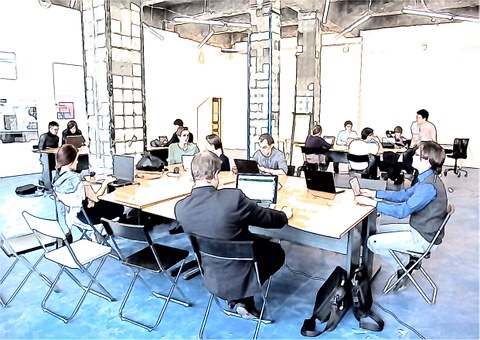

 Tom, the data engineer asked about the ethical considerations on this strategic project, and the role of the company’s leadership?

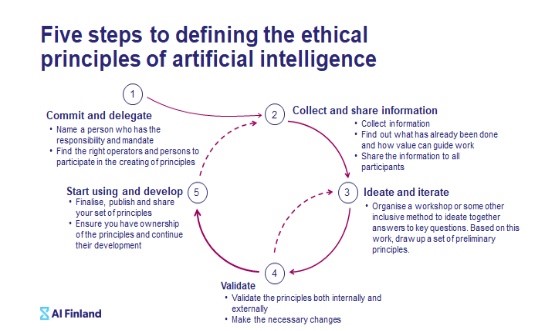 For defining the ethical principles of AI, on how AI is used in a fair and trust-building way, George suggested to the team a series of approaches, among which a European approach.The team agreed to continue the conversation for finding a model that support their organizational and project context. (Source: AI Finland:


Vacation time...
| I read some time ago that a good project manager is the one who can leave for vacation without causing any impediments to his/her project (as the team is prepared, everyone knows exactly what to do and how to do it). Assuming that you are such a project manager, who will enjoy your vacation not worrying about your project 😊, we thought to give you some nerd kind of entertainment: do you fancy a crossword?! Solve it and let us know if you succeed to find the hidden word (made of the light blue highlighted letters). Enjoy!
Horizontal:
Vertical:
Note: the Ethics Toolkit is available on the PMI website: https://www.pmi.org/about/ethics/resources/toolkit |

Can empathy turn the tide in a project?
Categories:
respect,
fairness,
honesty,
empathy,
professional conduct,
Leadership,
Ethics,
Organizational Culture
Categories: respect, fairness, honesty, empathy, professional conduct, Leadership, Ethics, Organizational Culture
| Note – Readers might find this story distressing as it involves a team member passing away. Please use your own judgement. Helen has heard it a few times, her counterpart from the supplier’s side wanted to attend to a team member related emergency. Maya, the new team member has arrived just last week to take on a change management piece of work for a large and complex program. Maya hasn’t been on site but once. When Maya arrived to meet her new team, she excused herself as soon as she could – not feeling well and suspecting that she had food poisoning. Maya joined a couple of conference calls during the week. However, she has not joined the call she scheduled just before the weekend. Maya’s colleagues have been trying to get in touch with her via phone and email with no response from Maya’s side. Knowing that she wasn’t feeling well, they thought initially that she might need to rest. As a new week started and another day went by, with Maya not responding to emails, text messages or phone calls, they thought they would ask the hotel staff to check on her. The staff advised that they have not entered the room for a few days respecting the “Do not disturb” sign that was put up. Fearing the worst, the team urged the hotel staff to get into the room to check on her. Unfortunately, fears translated into reality as she was found in her room resting peacefully but with no sign of life! What could have happened if the team checked on Maya before? What would have happened if any of her team members accompanied her or insisted to pay her a visit or take her to the doctor? Everyone in the team was in mere shock, the emotions ranged from guilt, blame, sadness, frustration and anger. The blow was more than any team member could handle on their own. This was one of so many defining moments for Jack, who himself has moved countries to run the IT department and drive a large and complex transformation, modernizing the organization’s customers journey and building the back-bone for further incremental transformations to follow. The program has partnered with one of the off-shore IT suppliers to accompany them on the transformation journey, providing experienced resources both onshore and off-shore, flying people in and out of the country. Moving from his home country, Jack embraced his new-found home, the diversity of his teams, the variety of cultures, values, attitudes and behaviors that they all bring. Jack has been tested numerous times while driving this initiative. The organization’s policies and priorities have safety and well-being at the top. This is well advertised and communicated, with functions, activities and awareness campaigns running in every corner. However, this specific program has faced several safety and well-being challenges. The program progress was slower than anticipated, running behind schedule, there was a definite need for the team to work harder in order to catch-up. Working late and during weekends have become the norm rather than the exception. The team members have been trying their best to ensure that all of this happens while still adhering to the organisation’s policies and practices ensuring safety and well-being, especially those who were new to the country. Eighteen months since Maya’s incident, things have changed. Jack managed not only to deliver the program successfully, but also to have a happy and safe team, satisfied stakeholders, executives and the organisation’s Board. Jack managed to turn the environment from a grim, sad one that had a negative impact on the team’s health and well-being to one that is more compassionate and understanding, translating policies into actions. Furthermore, Jack was now looking forward to the new executive role he’s been offered in recognition of his outstanding leadership. So how did Jack manage to turn this negative situation into a positive one, bring the team together, deliver and be promoted? Simply put “Empathy and Ethics”.
Empathy as defined by Pressley, Delores[i]”is the ability to experience and relate to the thoughts, emotions or experience of others. Empathy is more than simple sympathy, which is being able to understand and support others with compassion or sensitivity. Simply put, empathy is the ability to step into someone else’s shoes, be aware of their feelings and understand their needs”. Empathy is the oxygen breathing life into the relationship between individual and other, a metaphor introduced by Heinz Kohut (1977)[ii] Applying the questions posed by Pressley, Deloresion The Importance of Empathy in the Workplace might help us understand how Jack’s empathy played a critical role in turning the tide. Jack understood the needs of all team members Jack was well-aware of the conflicting priorities on the program, the layers of complexities within the cultures, especially co-locating client and supplier’s teams to work under one roof, bringing people from all corners of the world, while at the same time embedding new practices and policies. The supplier has won this gig in a very competitive bid, that pushed margins down. The supplier was pushing hard to meet their obligations under the contract, delivering according to schedules and timelines that have been committed as part of the bid. However, the toll that this took on team members was too dear a price to pay no matter which side they worked for. While Jack was committed to delivery, his priorities were surely team safety and well-being. He realized that there are a number of factors at play in this situation, some he would have to tackle immediately and others he would have to put in place at a later stage. His humanistic side has come to the forefront, gathering the team, going through the detailed steps of the situation, analyzing what could have been done better and what can be done in the future. His empathy; putting himself into the supplier’s shoes, understanding the context without judgement or fear, taking steps to ensure that no other staff would have to go through any similar situation. He assembled the team members who were most close to Maya, gathering data and collecting information about what has been going on with her as a person, tracing her steps from the time she landed in the country, who contacted her and which capacity, drawing the timeline and the interactions. While collecting the information, Jack demonstrated his appreciation for Maya and for every team member who got in touch with her, as well as the approach the supplier is undertaking to catch-up on delays. His empathy combined with his high ethical standards, made each and every team member share detailed information about their communications, coming to an agreement on the gaps and what to needs to be in place to ensure that this situation would not be repeated in future. In understanding each team member’s experience in this instant, Jack has been developing a close relationship with the team. What traits/behaviors did Jack have that would qualify his as empathetic? Empathy requires three things [i]: listening, openness and understanding. Jack realized that delivering a successful transformation required that all team members, no matter which camp they belong to, are to feel safe and be well - both physically and mentally. Hence, his understanding of the team’s feelings and emotions were critical to the next steps that he had to undertake. Empathy drove Jack to have a meeting with the executives and organization’s Board to negotiate more acceptable timelines taking into consideration the current situation and the progress rate to date. At the same time, he worked with the team to re-visit the schedule and suggest a couple of alternatives for delivery. This bad news has already claimed the previous head! Yet, Jack was not deterred. He believed firmly that there was a fine balance that needed to be maintained between delivery and well-being. He cared about his team, every single individual and the incidents that they have been through to date, while also caring about successful delivery of this very critical strategic initiative. What role does empathy play in the workplace? Why does it matter? Jack’s understanding of the team members was critical to understanding the challenges that he would face. He made the team feel safe by not resorting to blame, but by listening openly and without any judgement. This openness and understanding made the next steps much easier and as Jack had a clearer picture of the challenges he and the team would face. As each team member felt safe sharing their experiences, Jack had a better understanding of the changes that were needed. He identified areas for improvement such as formulating a “body system” for each employee, re-negotiating a more acceptable timeline - assisting struggling teams in catching-up while maintaining their well-being. So why isn’t everyone like Jack - more empathetic at work? Jack was one of the most humanistic, empathetic and ethical bosses the team and organization could ever have. With empathy and ethics, he managed to get the team through these heart-breaking times. Empathy was not easy and took lot of hard work on Jack’s part, and this helped him put his head and shoulders above other leaders within the organization, where not only he was recognized for his outstanding leadership by his teams, his colleagues, the organization and the Board, but also his professional community. Would you consider yourself to be empathetic? Would you share your empathy story? or how about sharing a “lack of empathy” story along with its impact? References [i]https://www.psychologytoday.com/us/blog/empathy-and-relationships/201701/the-connection-between-empathy-toward-others-and-ethics [ii]http://www.sbnonline.com/article/the-importance-of-empathy-in-the-workplace/
|