Vacation time...


| I read some time ago that a good project manager is the one who can leave for vacation without causing any impediments to his/her project (as the team is prepared, everyone knows exactly what to do and how to do it). Assuming that you are such a project manager, who will enjoy your vacation not worrying about your project 😊, we thought to give you some nerd kind of entertainment: do you fancy a crossword?! Solve it and let us know if you succeed to find the hidden word (made of the light blue highlighted letters). Enjoy!
Horizontal:
Vertical:
Note: the Ethics Toolkit is available on the PMI website: https://www.pmi.org/about/ethics/resources/toolkit |

Can empathy turn the tide in a project?
Categories:
respect,
fairness,
honesty,
empathy,
professional conduct,
Leadership,
Ethics,
Organizational Culture
Categories: respect, fairness, honesty, empathy, professional conduct, Leadership, Ethics, Organizational Culture
| Note – Readers might find this story distressing as it involves a team member passing away. Please use your own judgement. Helen has heard it a few times, her counterpart from the supplier’s side wanted to attend to a team member related emergency. Maya, the new team member has arrived just last week to take on a change management piece of work for a large and complex program. Maya hasn’t been on site but once. When Maya arrived to meet her new team, she excused herself as soon as she could – not feeling well and suspecting that she had food poisoning. Maya joined a couple of conference calls during the week. However, she has not joined the call she scheduled just before the weekend. Maya’s colleagues have been trying to get in touch with her via phone and email with no response from Maya’s side. Knowing that she wasn’t feeling well, they thought initially that she might need to rest. As a new week started and another day went by, with Maya not responding to emails, text messages or phone calls, they thought they would ask the hotel staff to check on her. The staff advised that they have not entered the room for a few days respecting the “Do not disturb” sign that was put up. Fearing the worst, the team urged the hotel staff to get into the room to check on her. Unfortunately, fears translated into reality as she was found in her room resting peacefully but with no sign of life! What could have happened if the team checked on Maya before? What would have happened if any of her team members accompanied her or insisted to pay her a visit or take her to the doctor? Everyone in the team was in mere shock, the emotions ranged from guilt, blame, sadness, frustration and anger. The blow was more than any team member could handle on their own. This was one of so many defining moments for Jack, who himself has moved countries to run the IT department and drive a large and complex transformation, modernizing the organization’s customers journey and building the back-bone for further incremental transformations to follow. The program has partnered with one of the off-shore IT suppliers to accompany them on the transformation journey, providing experienced resources both onshore and off-shore, flying people in and out of the country. Moving from his home country, Jack embraced his new-found home, the diversity of his teams, the variety of cultures, values, attitudes and behaviors that they all bring. Jack has been tested numerous times while driving this initiative. The organization’s policies and priorities have safety and well-being at the top. This is well advertised and communicated, with functions, activities and awareness campaigns running in every corner. However, this specific program has faced several safety and well-being challenges. The program progress was slower than anticipated, running behind schedule, there was a definite need for the team to work harder in order to catch-up. Working late and during weekends have become the norm rather than the exception. The team members have been trying their best to ensure that all of this happens while still adhering to the organisation’s policies and practices ensuring safety and well-being, especially those who were new to the country. Eighteen months since Maya’s incident, things have changed. Jack managed not only to deliver the program successfully, but also to have a happy and safe team, satisfied stakeholders, executives and the organisation’s Board. Jack managed to turn the environment from a grim, sad one that had a negative impact on the team’s health and well-being to one that is more compassionate and understanding, translating policies into actions. Furthermore, Jack was now looking forward to the new executive role he’s been offered in recognition of his outstanding leadership. So how did Jack manage to turn this negative situation into a positive one, bring the team together, deliver and be promoted? Simply put “Empathy and Ethics”.
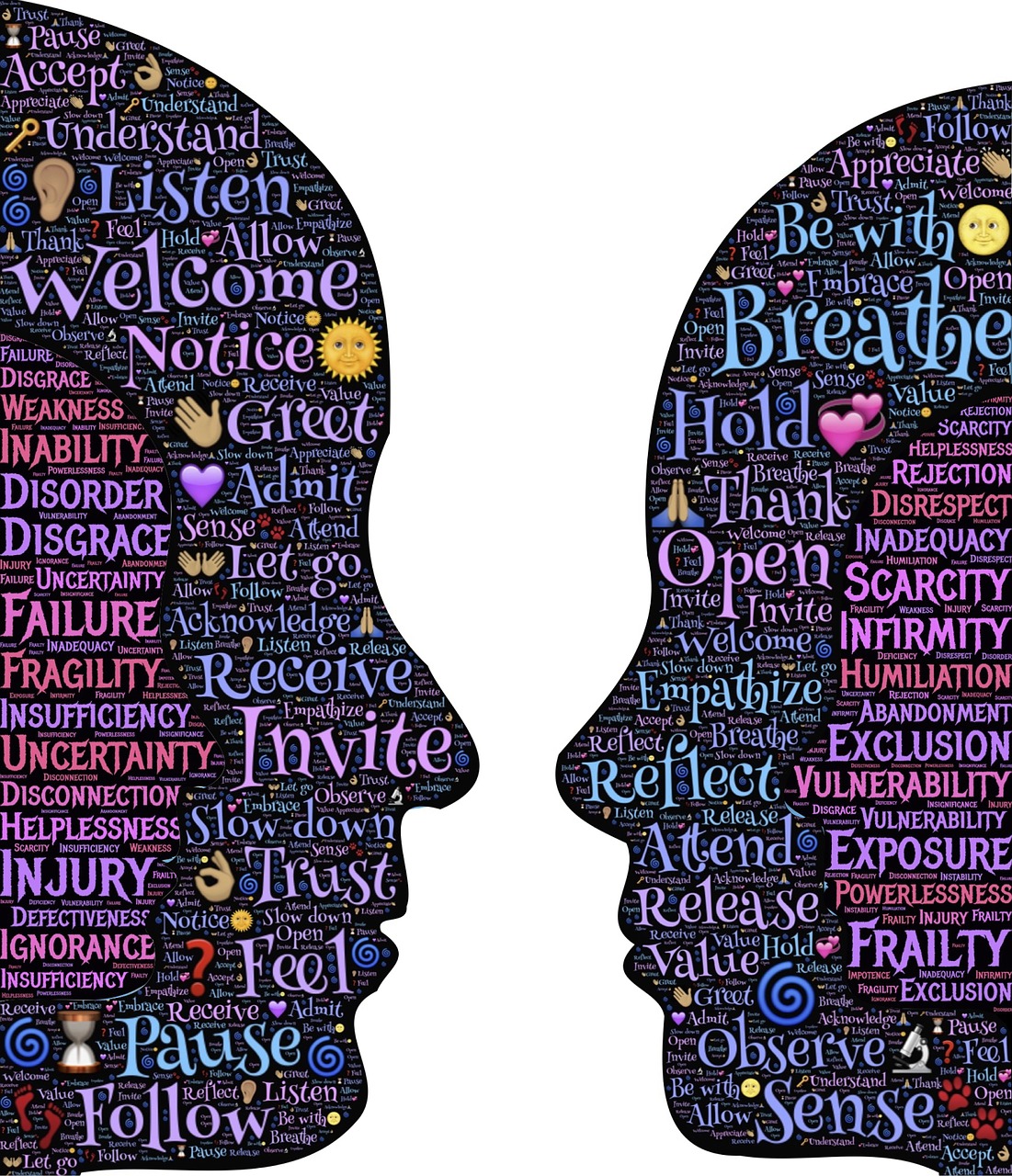
Empathy as defined by Pressley, Delores[i]”is the ability to experience and relate to the thoughts, emotions or experience of others. Empathy is more than simple sympathy, which is being able to understand and support others with compassion or sensitivity. Simply put, empathy is the ability to step into someone else’s shoes, be aware of their feelings and understand their needs”. Empathy is the oxygen breathing life into the relationship between individual and other, a metaphor introduced by Heinz Kohut (1977)[ii] Applying the questions posed by Pressley, Deloresion The Importance of Empathy in the Workplace might help us understand how Jack’s empathy played a critical role in turning the tide. Jack understood the needs of all team members Jack was well-aware of the conflicting priorities on the program, the layers of complexities within the cultures, especially co-locating client and supplier’s teams to work under one roof, bringing people from all corners of the world, while at the same time embedding new practices and policies. The supplier has won this gig in a very competitive bid, that pushed margins down. The supplier was pushing hard to meet their obligations under the contract, delivering according to schedules and timelines that have been committed as part of the bid. However, the toll that this took on team members was too dear a price to pay no matter which side they worked for. While Jack was committed to delivery, his priorities were surely team safety and well-being. He realized that there are a number of factors at play in this situation, some he would have to tackle immediately and others he would have to put in place at a later stage. His humanistic side has come to the forefront, gathering the team, going through the detailed steps of the situation, analyzing what could have been done better and what can be done in the future. His empathy; putting himself into the supplier’s shoes, understanding the context without judgement or fear, taking steps to ensure that no other staff would have to go through any similar situation. He assembled the team members who were most close to Maya, gathering data and collecting information about what has been going on with her as a person, tracing her steps from the time she landed in the country, who contacted her and which capacity, drawing the timeline and the interactions. While collecting the information, Jack demonstrated his appreciation for Maya and for every team member who got in touch with her, as well as the approach the supplier is undertaking to catch-up on delays. His empathy combined with his high ethical standards, made each and every team member share detailed information about their communications, coming to an agreement on the gaps and what to needs to be in place to ensure that this situation would not be repeated in future. In understanding each team member’s experience in this instant, Jack has been developing a close relationship with the team. What traits/behaviors did Jack have that would qualify his as empathetic? Empathy requires three things [i]: listening, openness and understanding. Jack realized that delivering a successful transformation required that all team members, no matter which camp they belong to, are to feel safe and be well - both physically and mentally. Hence, his understanding of the team’s feelings and emotions were critical to the next steps that he had to undertake. Empathy drove Jack to have a meeting with the executives and organization’s Board to negotiate more acceptable timelines taking into consideration the current situation and the progress rate to date. At the same time, he worked with the team to re-visit the schedule and suggest a couple of alternatives for delivery. This bad news has already claimed the previous head! Yet, Jack was not deterred. He believed firmly that there was a fine balance that needed to be maintained between delivery and well-being. He cared about his team, every single individual and the incidents that they have been through to date, while also caring about successful delivery of this very critical strategic initiative. What role does empathy play in the workplace? Why does it matter? Jack’s understanding of the team members was critical to understanding the challenges that he would face. He made the team feel safe by not resorting to blame, but by listening openly and without any judgement. This openness and understanding made the next steps much easier and as Jack had a clearer picture of the challenges he and the team would face. As each team member felt safe sharing their experiences, Jack had a better understanding of the changes that were needed. He identified areas for improvement such as formulating a “body system” for each employee, re-negotiating a more acceptable timeline - assisting struggling teams in catching-up while maintaining their well-being. So why isn’t everyone like Jack - more empathetic at work? Jack was one of the most humanistic, empathetic and ethical bosses the team and organization could ever have. With empathy and ethics, he managed to get the team through these heart-breaking times. Empathy was not easy and took lot of hard work on Jack’s part, and this helped him put his head and shoulders above other leaders within the organization, where not only he was recognized for his outstanding leadership by his teams, his colleagues, the organization and the Board, but also his professional community. Would you consider yourself to be empathetic? Would you share your empathy story? or how about sharing a “lack of empathy” story along with its impact? References [i]https://www.psychologytoday.com/us/blog/empathy-and-relationships/201701/the-connection-between-empathy-toward-others-and-ethics [ii]http://www.sbnonline.com/article/the-importance-of-empathy-in-the-workplace/
|
Caustic Comment Causes Cultural Crisis
Categories:
Professional Conduct,
Project Management,
Conflict,
Cultural Diversity,
Leadership,
Ethics
Categories: Professional Conduct, Project Management, Conflict, Cultural Diversity, Leadership, Ethics
| Guru was happy that the weekly project status call was conflict-free. His feel-good was shattered by a sudden jolt. Nathan, a system architect, seemed to be in a foul mood. He was almost screaming. “Ananya: This is the worst documentation I’ve ever seen. You also delivered this trash several days late. I don’t want to work with you anymore!”
Ananya, a fresh college graduate and new recruit to the team, was shell-shocked. Her silence further angered Nathan, who demanded, “Is there a reply coming?” Guru was also shocked by Nathan’s outburst. With Ananya staying silent, he moved through the remaining agenda items and ended the call. Still dazed, Ananya headed straight to the cafeteria. Feeling for her, Guru wanted to immediately tackle the issue with sensitivity. Reaching out to her, he said, “What Nathan did was inexcusable. I apologize on his behalf. Why was he so upset with your work?” She replied, “My colleague Jahangir was supposed to peer-review my manual on Wednesday. He fell sick. Since we were already late, I emailed it immediately. I agree that there were some quality issues. But that’s no reason for Nathan to humiliate me!” Guru soothed the youngster. “I agree. Nathan shouldn’t have been so harsh. Maybe he was just being brutally frank. I too have faced the music from several people who are brutally honest with their views. But that’s no excuse for disrespect. I’ll certainly talk to him.”
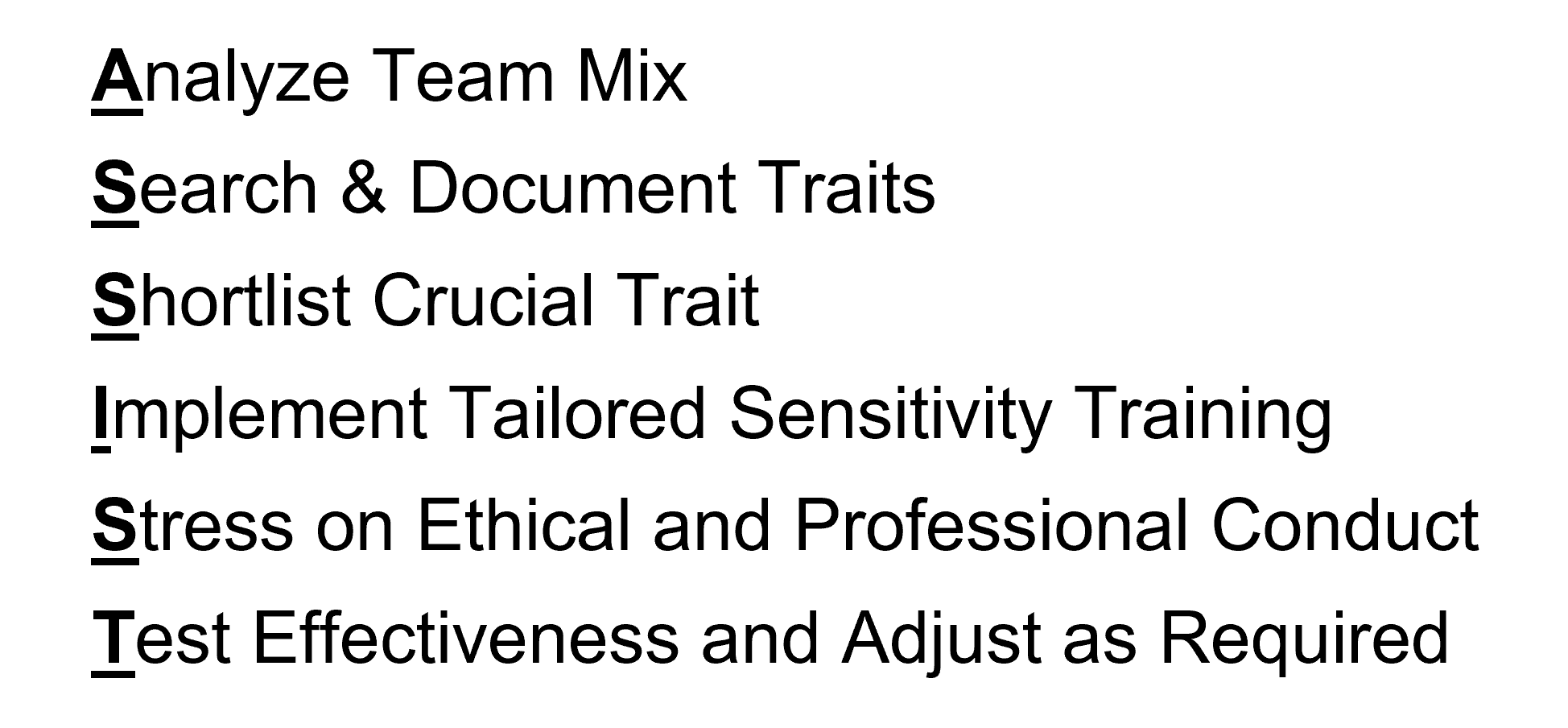
He connected with Nathan for a brief discussion explaining the serious impact of the harsh words and unwarranted outburst. Nathan understood. He promised to immediately call Ananya and apologize. Guru’s project was staffed by a virtual team with contributors from the US, UK, Brazil, India, and Japan. There had been several past conflicts based on cultural issues. However, severe time constraints had not allowed him to deal with these challenges. At the PMI EMEA Congress that weekend, Guru attended the session, “Respect Culture or Face Failure: Leadership Lessons from the world over.” Katherine, the speaker, started with the impactful words, “Does your project team gel well? If not, success will certainly elude you! If you, as PM, ignore this, you invite disaster.” The presenter listed many factors that could adversely impact virtual teams: Age, Geography, Language, Attitudes towards Ethics, Religion, etc. Quoting NASA’s Dr. Stephen Johnson, she said, “The root causes of project failure are often cultural, not technical.” She said that her experience as a global cultural consultant showed that such situations could be reversed. Proactive leaders could leverage positive cultural traits for the good of the project. Katherine proposed a six-step process named “ASSIST” to manage cultural differences effectively:
When Katherine asked attendees to share their experiences, Guru narrated the recent project issue and actions he had taken. He asked, “What would you recommend?” She replied that Guru’s actions were excellent responses. However, to prevent more such dangerous conflicts, the team would need to take a proactive stance on cultural differences. At the tea break, Guru requested Katherine’s professional assistance in turning around the difficult situation. She readily agreed to help. She began with an analysis of the team’s cultural mix and various traits that needed careful handling. Using customized team activities such as quizzes and role-plays, she sensitized the team on cultural differences.
Katherine’s interventions worked like a charm as conflicts significantly dropped. As he approved a final payment, Guru thanked the consultant for her inputs. He told her that she had made a huge difference to his team’s chemistry and resolved to apply the six-step ASSIST process on every project.
Please comment on these factors to benefit our dynamic community here on projectmanagement.com:
|


Respect @ Workplace
| If you ask anyone in your workplace how they would like to be treated by their managers and co-workers, most will use the words ‘Respect’, ‘Dignity’ and ‘Trust’. No one wants to be treated poorly, with bias and mistrust irrespective of the status, titles at workplace. In today’s digital age where tweets run faster than thoughts and opinions are shared faster than the facts, the diversity is no longer means having different race, gender and religions but it also means respecting and treating differences in work style, generations and personalities with equality. Embracing workplace diversity is important, as it increases the talent pool and brings new ideas, perspectives and skills to your workforce.
Be Original - An Ethical Dilemma!
Categories: respect, fairness, communication, honesty, responsibility, professonal conduct, research, Leadership, Ethics, Organizational Culture
ADVERTISEMENTS
|
 Posted
by
Posted
by