

Navigating AI in Project Management: A Comparison with Racing Co-Pilots and Driverless Cars
Categories:
Ethics as a competence,
Values,
values,
Ethical Leadership,
Decision-making,
Ethics Insight Team,
Ethics Bistro,
trust,
Ways of Working,
Decision-making,
Values,
AI,
Do the right thing,
Ethical Dilemma,
respect,
Professional Conduct,
Honesty,
Respect,
Responsibility,
Trust,
honesty,
responsibility,
professonal conduct,
empathy,
professional conduct,
Ethics in Communication,
Leadership,
Decision Making,
Ethics
Categories: Ethics as a competence, Values, values, Ethical Leadership, Decision-making, Ethics Insight Team, Ethics Bistro, trust, Ways of Working, Decision-making, Values, AI, Do the right thing, Ethical Dilemma, respect, Professional Conduct, Honesty, Respect, Responsibility, Trust, honesty, responsibility, professonal conduct, empathy, professional conduct, Ethics in Communication, Leadership, Decision Making, Ethics


 Artificial Intelligence (AI) is revolutionizing industries, and project management is no exception. With advanced tools supporting decision-making, risk mitigation, and efficiency, the project management landscape is increasingly intertwined with AI technologies. However, this evolution raises questions about human responsibility, autonomy, and ethics—questions like those faced in the realms of racing co-pilots and driverless cars. This blog explores the pros and cons of using AI in project management and compares these dynamics with racing environments and autonomous vehicle scenarios, focusing on the balance between human involvement and ethical considerations.  The Role of AI in Project Management AI-driven tools, such as virtual assistants and machine learning algorithms, are increasingly used to streamline project management processes. From schedule optimization and predictive analytics to stakeholder communication and resource allocation, AI empowers project managers to make well-informed and efficient decisions. The Racing Co-Pilot Analogy: Shared Responsibility, Enhanced Performance In professional racing environments, a co-pilot performs critical tasks: navigating the course, analysing conditions, and advising the driver. This relationship mirrors the human-machine collaboration often seen in project management. Here, AI acts as a "co-pilot," assisting project managers while leaving primary control in human hands. Let us examine this analogy: Pros of AI as a Co-Pilot in Project Management:
The Driverless Car Comparison: Autonomous AI in Project Management Shifting perspective, consider driverless cars: vehicles fully controlled by AI, requiring minimal human intervention. Some envision project management systems that resemble a driverless car—autonomous AI overseeing the project's execution from start to finish. While promising, this model has risks and challenges to consider. Pros of Autonomous AI in Project Management:
Ethical Considerations: Responsibility and Integrity Both racing co-pilots and driverless cars illustrate contrasting extremes in human-machine collaboration. A key differentiator in these scenarios is ethical responsibility:
Conclusion: The Road Ahead for AI in Project Management The racing co-pilot and driverless car analogies shed light on the pivotal balance required in leveraging AI for project management. While AI offers immense benefits—such as efficiency, precision, and scalability—it also raises concerns about accountability, ethical responsibility, and judgment. As the PMI Code of Ethics underscores values like fairness, honesty, and responsibility, project managers must ensure AI tools serve as partners rather than replacements, fostering trust and inclusivity. By choosing the right path—whether enhanced collaboration or selective autonomy—project managers can steer their projects responsibly toward success while maintaining the ethical values essential to effective leadership. Related discussion topic: Can project management run on AI autopilot?https://tinyurl.com/mr497je7 |
What is new in PMBOK 8 – An ethics perspective
Categories:
Ethics as a competence,
Values,
Behavior,
values,
code of ethics,
Ethical Leadership,
Decision-making,
Ethics Insight Team,
Ethics Bistro,
Business Ethics,
code of conduct,
PMI Talent Triangle,
Ways of Working,
Decision-making,
Values,
Business Ethics,
AI,
Project,
PMI Program Management,
Do the right thing,
Culture,
Ethical Dilemma,
respect,
Professional Responsibility,
Professional Conduct,
Honesty,
Respect,
Responsibility,
Project Management,
Code of Ethics and Professional Conduct,
honesty,
responsibility,
professonal conduct,
volunteers,
professional conduct,
Digital Transformation,
Ethics in Communication,
Agile,
Leadership,
Decision Making,
Ethics,
Diversity,
Organizational Project Management,
Information Technology,
Organizational Culture,
Governance,
Artificial Intelligence
Categories: Ethics as a competence, Values, Behavior, values, code of ethics, Ethical Leadership, Decision-making, Ethics Insight Team, Ethics Bistro, Business Ethics, code of conduct, PMI Talent Triangle, Ways of Working, Decision-making, Values, Business Ethics, AI, Project, PMI Program Management, Do the right thing, Culture, Ethical Dilemma, respect, Professional Responsibility, Professional Conduct, Honesty, Respect, Responsibility, Project Management, Code of Ethics and Professional Conduct, honesty, responsibility, professonal conduct, volunteers, professional conduct, Digital Transformation, Ethics in Communication, Agile, Leadership, Decision Making, Ethics, Diversity, Organizational Project Management, Information Technology, Organizational Culture, Governance, Artificial Intelligence
 Imagine a team of explorers crossing a desert. No matter how skilled its members are or how modern their vehicles are, they may not succeed in reaching their destination without a compass. In project management, ethics serve as that compass, guiding decision-making, fostering trust, and ensuring accountability. For PMI Members, the compass is the Code of Ethics and Professional Conduct. Developed even before the first edition of the Project Management Book of Knowledge, the Code was and remains the holder of the guardrails of the project management profession. PMBOK 7 replaced knowledge areas with performance domains. The 8th is more aligned with the Agile delivery approach, whilst retaining the importance of good governance. Like the previous version, the PMBOK highlights alignment with both internal and external environments. It is important to note the focus on artificial intelligence and sustainability. Principles of project management PMBOK 8 simplified the 12 principles from the 7th edition to create a more focused and actionable foundation for modern project management. The principles of project management are aligned with the values of PMI’s Code of Ethics and Professional Conduct. They do not follow the same format, and they are not duplicative; rather, the principles and the Code of Ethics are complementary. ·Adopt a holistic view: Consider the project within its larger organizational and ecosystem context. ·Focus on value: Prioritize delivering tangible value and aligning project outcomes with strategic goals. ·Embed quality into processes and deliverables: Integrate quality throughout the project lifecycle, not just as a final check. ·Be an accountable leader: Take ownership and responsibility for the project's success and outcomes. ·Integrate sustainability within all project areas: Include environmental and social considerations in project work. ·Build an empowered culture: Foster a project environment that empowers team members. Enterprise environmental factors: Internal and external to the Organization ·The standard emphasises the impact of organizational culture, structure, and governance. Aspects like vision, mission, values, beliefs, cultural norms, leadership style, hierarchy and authority relationships, organizational style, ethics, and code of conduct remain critical success factors, as well as a framework for ethical decision making. Social and cultural influences and issues. External factors include political climate, regional customs and traditions, public holidays and events, codes of conduct, ethics, and perceptions. Artificial Intelligence (AI) AI ethical issues, especially the responsible use of AI tools and the negative impact on project team members, are an especially important aspect. Topics like data privacy and security can be addressed using technical controls. Issues like bias and fairness require special attention from project managers. Lack of clarity on who is responsible when AI-driven decisions go wrong can create confusion and an unending blame game. AI agents cannot be (yet) included in a Responsible, Accountable, Consulted, or Informed (RACI) matrix. Although their use is unavoidable, the responsibility and accountability remain with the human user. The use of AI is dependent on context, and it should be assessed for each project through a decision-making process to determine when AI can assist with tasks or provide more time for other valuable activities. The evaluation should be focused on the use of AI to produce project artifacts. Initiative-taking measures should be considered to identify and assess the risk of incorporating AI and determine if it is acceptable or it should be controlled. Below is a list of some ethical concerns related to the use of AI in projects
·Diversification of the data sets on which the AI system is trained; ·Periodic tests conducted on the AI system, with particular focus on bias; and ·Involvement of different teams in the development of the AI system. Procurement is another ethics area of focus that PMBOK 8 provides guidance on. In chapter X4.9.2, Sensitivity of Legal Actions and Upholding Ethics Codes, the standard provides considerations to avoid impact on project outcomes and stakeholder relationships: ·Nuanced communication. ·Escalation protocols. ·Confidentiality. ·Impartiality. PMBOK 7 explicitly references the PMI Code of Ethics as a complementary and essential guide for project professionals. This code provides the specific rules for ethical conduct, based on core values of honesty, responsibility, respect, and fairness.
|
Falsified by AI, Rectified by Ethics: Project Managers at the Crossroads
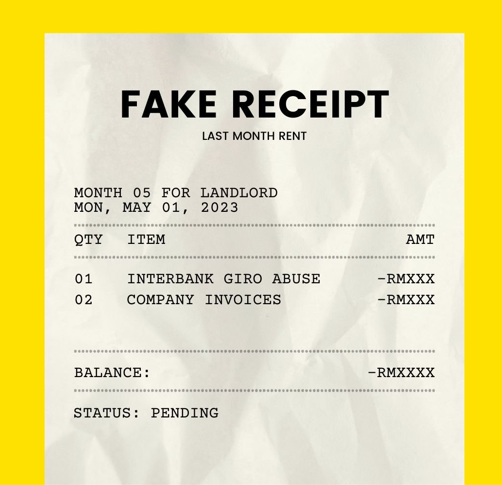 The rise of generative artificial intelligence has ushered in unprecedented efficiencies across industries. However, as highlighted in the article “Phony AI-Created Receipts Become Real Problem for Businesses” (PYMNTS, 2025), it has also enabled new forms of ethical misconduct. The report reveals a troubling trend: employees using AI-powered image generation tools to create fraudulent expense receipts. Platforms like AppZen and Ramp have detected a surge in falsified documents, with AppZen reporting that 14% of all fraudulent submissions last month were AI-generated, a stark increase from zero the previous year. These receipts often feature realistic details such as wrinkles, itemized menus, and forged signatures, making them difficult to detect. This misuse of AI technology violates the core principles of ethical conduct, particularly within the project management profession. The Project Management Institute (PMI) Code of Ethics and Professional Conduct emphasizes four foundational values: responsibility, respect, fairness, and honesty (PMI, 2016). Falsifying receipts for reimbursement breaches all four values. It undermines trust, exploits organizational systems, and shifts financial burdens unfairly with actions that are antithetical to the integrity expected of project professionals. To navigate such ethical dilemmas, PMI offers the Ethical Decision-Making Framework (EDMF), a structured tool that guides professionals through evaluating options, considering stakeholder impact, and aligning decisions with PMI’s core values (PMI, 2019). The EDMF encourages reflection on whether an action is legal, fair, and in line with professional standards. In cases like AI-generated receipt fraud, the framework would clearly identify the behavior as unethical, regardless of technological sophistication or perceived harmlessness. Discrediting the use of AI for fraudulent purposes is essential. While AI can enhance productivity, its misuse for deception erodes organizational culture and exposes companies to financial and reputational risks. Ethical misconduct, especially when aided by advanced tools, must be met with robust countermeasures. These include implementing AI-detection systems, conducting regular audits, and fostering a culture of ethics through training and leadership modeling. Project professionals must lead by example. As stewards of organizational resources and strategy, they are uniquely positioned to champion ethical behavior. This includes reporting misconduct, mentoring peers, and integrating ethical considerations into project planning and execution. Organizations should also reinforce ethical standards by embedding the PMI Code of Ethics into performance evaluations and decision-making processes. In conclusion, the project management community must remain vigilant and proactive. The misuse of AI to falsify expense receipts is not merely a technical issue, but a moral one. By adhering to PMI’s Code of Ethics and leveraging the EDMF, professionals can uphold integrity, protect organizational assets, and ensure that technological advancements serve the greater good. As the use of AI becomes mainstream and widespread, the improper application becomes prevalent. How would you practice ethical leadership in this situation? What guardrails would you implement to mitigate the ethical use of AI? Our Ethics Advisory Team loves to hear from you on your perspectives. References Project Management Institute. (2016). Code of Ethics and Professional Conduct. https://www.pmi.org/about/ethics/code Project Management Institute. (2019). Ethical Decision-Making Framework. https://www.pmi.org/about/ethics/ethical-decision-making-framework PYMNTS. (2025, October 25). Phony AI-Created Receipts Become Real Problem for Businesses. https://www.pymnts.com/news/security-and-risk/2025/phony-ai-created-receipts-become-real-problem-for-businesses |
The Hidden Cost of Falsified Receipts: A Breach of PMI’s Ethical Foundations
|
In the bustling offices of YKF Technical Solutions, a mid-sized IT firm, Lai-mui, its project manager, was leading a high-stakes software deployment for a government client. With tight deadlines and mounting pressure, Lai-mui delegated expense reporting to her trusted team lead, Deejay. Weeks later, during a routine audit, discrepancies surfaced as receipts for meals, travel, and equipment were inflated or entirely fabricated. Deejay admitted to falsifying receipts to “compensate for overtime and stress.” Lai-mui was stunned. What seemed like a minor infraction was, in fact, a serious ethical breach. This scenario is not uncommon, yet it strikes at the heart of the PMI Code of Ethics and Professional Conduct, which is built on four core values: Responsibility, Respect, Fairness, and Honesty. Violations of PMI’s Core Values
Applying the PMI Ethical Decision-Making Framework (EDMF) Lai-mui, now faced with an ethical dilemma, turned to the PMI Ethical Decision-Making Framework. The EDMF guided her through:
Call to Action The project management community must treat ethics as a living practice, not a checkbox. We must:
Conclusion Ethical leadership is not just about doing things right; it’s about doing the right things. Falsifying receipts may seem minor, but its ripple effects can compromise entire projects. Let’s recommit to the values that define our profession and lead with integrity, every step of the way. Questions for Reflection
References: Project Management Institute, Inc. (2025). Ethics. pmi.org. https://www.pmi.org/about/ethics Project Management Institute, Inc. (n.d.). Ethics Guidelines. pmi.org. https://www.pmi.org/about/ethics/guidelines Project Management Institute, Inc. (n.d.). PMI Code of Ethics and Professional Conduct. pmi.org. https://www.pmi.org/-/media/pmi/documents/public/pdf/ethics/pmi-code-of-ethics.pdf ==== |
Navigating the Ethical Landscape of Artificial Intelligence: A Balancing Act
|
How do you deal with the balancing act of ethics in an AI-powered world? Artificial intelligence (AI) has rapidly evolved from a science fiction concept to ubiquitous in our daily lives, transforming industries and shaping the future. However, this transformative power comes with significant ethical considerations, raising concerns about potential biases, discrimination, and the erosion of human autonomy. In the ever-evolving realm of technology, artificial intelligence (AI) stands as both a beacon of innovation and a source of ethical quandaries. AI is increasingly used in businesses across the board, ethical concerns are likely to arise due to conflict between the AI recommendation and human values or what needs to be done right! "With artificial intelligence, we are summoning the demon." – Elon Musk. Musk's ominous warning reflects a widespread concern about the potential dangers of unchecked AI development. While Musk's perspective may lean toward caution, it underscores the importance of ethical considerations in AI. "There is a diversity crisis in AI... there is a tendency to build technology that benefits a select few." - Timnit Gebru. Gebru's emphasis on the lack of diversity in AI development brings attention to an ethical concern often overlooked. The potential biases embedded in AI systems can perpetuate social inequalities, making diversity a crucial aspect of ethical AI design. One of the primary ethical concerns surrounding AI is the issue of bias. AI algorithms are trained on vast amounts of data, which may contain inherent biases that can be amplified through learning. These biases can lead to discriminatory outcomes, particularly in areas such as hiring, lending, etc. A 2018 study by Joy Buolamwini revealed that facial recognition systems from prominent companies exhibited higher error rates for darker-skinned and female faces, highlighting the bias present in AI algorithms. This study highlighted the importance of removing bias from the data before an AI model could work on it. This data also emphasizes the need for rigorous testing and diverse datasets to mitigate biased outcomes in AI applications. Mitigating bias in AI requires careful data curation, algorithmic auditing, and the development of fairness-aware machine learning techniques. Another ethical concern is the potential for AI to erode human autonomy. As AI systems become more sophisticated, they may make recommendations that have significant impacts on people's lives without their input or consent. This raises concerns about transparency, accountability, and the preservation of individual autonomy. Ensuring human oversight and control over AI systems is crucial to preventing their misuse and preserving human agency. To address ethical concerns, AI developers must prioritize transparency in their algorithms. Understanding how AI systems make decisions is essential for developers and end-users, fostering accountability in deploying AI technologies. Navigating the ethical landscape of AI requires a comprehensive approach involving policy, regulation, and industry collaboration. Governments must establish clear guidelines and regulations for AI development and deployment, ensuring that these systems are transparent, accountable, and aligned with ethical principles. Industry leaders must adopt responsible AI practices, prioritizing fairness, transparency, and human oversight. And researchers must continue to develop AI technologies that are ethically sound and beneficial to society. As artificial intelligence continues to reshape our world, the ethical considerations surrounding its development are more critical than ever. Quotes from thought leaders serve as a poignant reminder of the potential risks, while objective data sheds light on real challenges faced by AI systems. Achieving a balance between innovation and ethics is not just a choice but a necessity in the responsible evolution of artificial intelligence. The path forward requires collaborative efforts, transparency, and a commitment to ensuring that AI benefits humanity as a whole. What is our take on ethics and AI? How do we see treading the balancing act? Are there any specific pointers that we should be aware of? I would like to know your view of this contemporary topic… References: Buolamwini, J., & Gebru, T. (2018). Gender Shades: Intersectional Accuracy Disparities in Commercial Gender Classification. Proceedings of Machine Learning Research, 81, 1–15 |



