


Categories: Code of Ethics and Professional Conduct, Decision Making, EDMF, Ethical Dilemma, Ethical Leadership, Ethics, Ethics Bistro, Ethics Insight Team, Fairness, Honesty, Respect, Responsibility, Thought leadership, Values
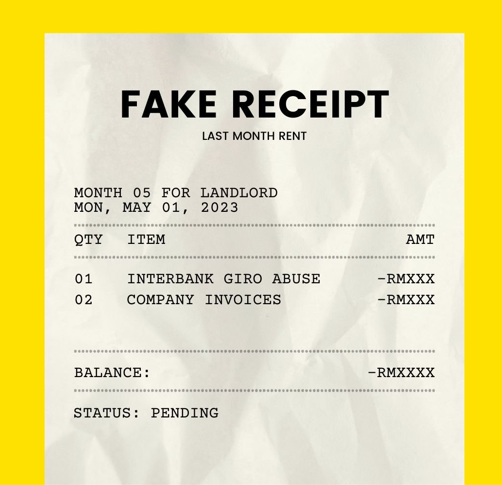
The rise of generative artificial intelligence has ushered in unprecedented efficiencies across industries. However, as highlighted in the article “Phony AI-Created Receipts Become Real Problem for Businesses” (PYMNTS, 2025), it has also enabled new forms of ethical misconduct. The report reveals a troubling trend: employees using AI-powered image generation tools to create fraudulent expense receipts. Platforms like AppZen and Ramp have detected a surge in falsified documents, with AppZen reporting that 14% of all fraudulent submissions last month were AI-generated, a stark increase from zero the previous year. These receipts often feature realistic details such as wrinkles, itemized menus, and forged signatures, making them difficult to detect.
This misuse of AI technology violates the core principles of ethical conduct, particularly within the project management profession. The Project Management Institute (PMI) Code of Ethics and Professional Conduct emphasizes four foundational values: responsibility, respect, fairness, and honesty (PMI, 2016). Falsifying receipts for reimbursement breaches all four values. It undermines trust, exploits organizational systems, and shifts financial burdens unfairly with actions that are antithetical to the integrity expected of project professionals.
To navigate such ethical dilemmas, PMI offers the Ethical Decision-Making Framework (EDMF), a structured tool that guides professionals through evaluating options, considering stakeholder impact, and aligning decisions with PMI’s core values (PMI, 2019). The EDMF encourages reflection on whether an action is legal, fair, and in line with professional standards. In cases like AI-generated receipt fraud, the framework would clearly identify the behavior as unethical, regardless of technological sophistication or perceived harmlessness.
Discrediting the use of AI for fraudulent purposes is essential. While AI can enhance productivity, its misuse for deception erodes organizational culture and exposes companies to financial and reputational risks. Ethical misconduct, especially when aided by advanced tools, must be met with robust countermeasures. These include implementing AI-detection systems, conducting regular audits, and fostering a culture of ethics through training and leadership modeling.
Project professionals must lead by example. As stewards of organizational resources and strategy, they are uniquely positioned to champion ethical behavior. This includes reporting misconduct, mentoring peers, and integrating ethical considerations into project planning and execution. Organizations should also reinforce ethical standards by embedding the PMI Code of Ethics into performance evaluations and decision-making processes.
In conclusion, the project management community must remain vigilant and proactive. The misuse of AI to falsify expense receipts is not merely a technical issue, but a moral one. By adhering to PMI’s Code of Ethics and leveraging the EDMF, professionals can uphold integrity, protect organizational assets, and ensure that technological advancements serve the greater good.
As the use of AI becomes mainstream and widespread, the improper application becomes prevalent. How would you practice ethical leadership in this situation? What guardrails would you implement to mitigate the ethical use of AI? Our Ethics Advisory Team loves to hear from you on your perspectives.
References
Project Management Institute. (2016). Code of Ethics and Professional Conduct. https://www.pmi.org/about/ethics/code
Project Management Institute. (2019). Ethical Decision-Making Framework. https://www.pmi.org/about/ethics/ethical-decision-making-framework
PYMNTS. (2025, October 25). Phony AI-Created Receipts Become Real Problem for Businesses. https://www.pymnts.com/news/security-and-risk/2025/phony-ai-created-receipts-become-real-problem-for-businesses
Posted
by Ming Yeung
on: November 14, 2025 02:39 AM |
Permalink




