What is new in PMBOK 8 – An ethics perspective
Categories:
Ethics as a competence,
Values,
Behavior,
values,
code of ethics,
Ethical Leadership,
Decision-making,
Ethics Insight Team,
Ethics Bistro,
Business Ethics,
code of conduct,
PMI Talent Triangle,
Ways of Working,
Decision-making,
Values,
Business Ethics,
AI,
Project,
PMI Program Management,
Do the right thing,
Culture,
Ethical Dilemma,
respect,
Professional Responsibility,
Professional Conduct,
Honesty,
Respect,
Responsibility,
Project Management,
Code of Ethics and Professional Conduct,
honesty,
responsibility,
professonal conduct,
volunteers,
professional conduct,
Digital Transformation,
Ethics in Communication,
Agile,
Leadership,
Decision Making,
Ethics,
Diversity,
Organizational Project Management,
Information Technology,
Organizational Culture,
Governance,
Artificial Intelligence
Categories: Ethics as a competence, Values, Behavior, values, code of ethics, Ethical Leadership, Decision-making, Ethics Insight Team, Ethics Bistro, Business Ethics, code of conduct, PMI Talent Triangle, Ways of Working, Decision-making, Values, Business Ethics, AI, Project, PMI Program Management, Do the right thing, Culture, Ethical Dilemma, respect, Professional Responsibility, Professional Conduct, Honesty, Respect, Responsibility, Project Management, Code of Ethics and Professional Conduct, honesty, responsibility, professonal conduct, volunteers, professional conduct, Digital Transformation, Ethics in Communication, Agile, Leadership, Decision Making, Ethics, Diversity, Organizational Project Management, Information Technology, Organizational Culture, Governance, Artificial Intelligence


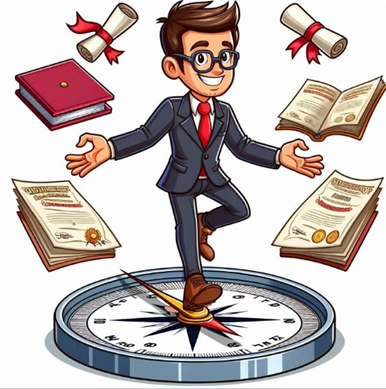 Imagine a team of explorers crossing a desert. No matter how skilled its members are or how modern their vehicles are, they may not succeed in reaching their destination without a compass. In project management, ethics serve as that compass, guiding decision-making, fostering trust, and ensuring accountability. For PMI Members, the compass is the Code of Ethics and Professional Conduct. Developed even before the first edition of the Project Management Book of Knowledge, the Code was and remains the holder of the guardrails of the project management profession. PMBOK 7 replaced knowledge areas with performance domains. The 8th is more aligned with the Agile delivery approach, whilst retaining the importance of good governance. Like the previous version, the PMBOK highlights alignment with both internal and external environments. It is important to note the focus on artificial intelligence and sustainability. Principles of project management PMBOK 8 simplified the 12 principles from the 7th edition to create a more focused and actionable foundation for modern project management. The principles of project management are aligned with the values of PMI’s Code of Ethics and Professional Conduct. They do not follow the same format, and they are not duplicative; rather, the principles and the Code of Ethics are complementary. ·Adopt a holistic view: Consider the project within its larger organizational and ecosystem context. ·Focus on value: Prioritize delivering tangible value and aligning project outcomes with strategic goals. ·Embed quality into processes and deliverables: Integrate quality throughout the project lifecycle, not just as a final check. ·Be an accountable leader: Take ownership and responsibility for the project's success and outcomes. ·Integrate sustainability within all project areas: Include environmental and social considerations in project work. ·Build an empowered culture: Foster a project environment that empowers team members. Enterprise environmental factors: Internal and external to the Organization ·The standard emphasises the impact of organizational culture, structure, and governance. Aspects like vision, mission, values, beliefs, cultural norms, leadership style, hierarchy and authority relationships, organizational style, ethics, and code of conduct remain critical success factors, as well as a framework for ethical decision making. Social and cultural influences and issues. External factors include political climate, regional customs and traditions, public holidays and events, codes of conduct, ethics, and perceptions. Artificial Intelligence (AI) AI ethical issues, especially the responsible use of AI tools and the negative impact on project team members, are an especially important aspect. Topics like data privacy and security can be addressed using technical controls. Issues like bias and fairness require special attention from project managers. Lack of clarity on who is responsible when AI-driven decisions go wrong can create confusion and an unending blame game. AI agents cannot be (yet) included in a Responsible, Accountable, Consulted, or Informed (RACI) matrix. Although their use is unavoidable, the responsibility and accountability remain with the human user. The use of AI is dependent on context, and it should be assessed for each project through a decision-making process to determine when AI can assist with tasks or provide more time for other valuable activities. The evaluation should be focused on the use of AI to produce project artifacts. Initiative-taking measures should be considered to identify and assess the risk of incorporating AI and determine if it is acceptable or it should be controlled. Below is a list of some ethical concerns related to the use of AI in projects
·Diversification of the data sets on which the AI system is trained; ·Periodic tests conducted on the AI system, with particular focus on bias; and ·Involvement of different teams in the development of the AI system. Procurement is another ethics area of focus that PMBOK 8 provides guidance on. In chapter X4.9.2, Sensitivity of Legal Actions and Upholding Ethics Codes, the standard provides considerations to avoid impact on project outcomes and stakeholder relationships: ·Nuanced communication. ·Escalation protocols. ·Confidentiality. ·Impartiality. PMBOK 7 explicitly references the PMI Code of Ethics as a complementary and essential guide for project professionals. This code provides the specific rules for ethical conduct, based on core values of honesty, responsibility, respect, and fairness.
|
Falsified by AI, Rectified by Ethics: Project Managers at the Crossroads
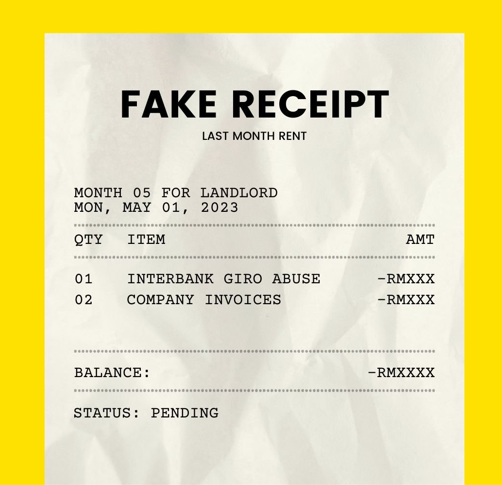 The rise of generative artificial intelligence has ushered in unprecedented efficiencies across industries. However, as highlighted in the article “Phony AI-Created Receipts Become Real Problem for Businesses” (PYMNTS, 2025), it has also enabled new forms of ethical misconduct. The report reveals a troubling trend: employees using AI-powered image generation tools to create fraudulent expense receipts. Platforms like AppZen and Ramp have detected a surge in falsified documents, with AppZen reporting that 14% of all fraudulent submissions last month were AI-generated, a stark increase from zero the previous year. These receipts often feature realistic details such as wrinkles, itemized menus, and forged signatures, making them difficult to detect. This misuse of AI technology violates the core principles of ethical conduct, particularly within the project management profession. The Project Management Institute (PMI) Code of Ethics and Professional Conduct emphasizes four foundational values: responsibility, respect, fairness, and honesty (PMI, 2016). Falsifying receipts for reimbursement breaches all four values. It undermines trust, exploits organizational systems, and shifts financial burdens unfairly with actions that are antithetical to the integrity expected of project professionals. To navigate such ethical dilemmas, PMI offers the Ethical Decision-Making Framework (EDMF), a structured tool that guides professionals through evaluating options, considering stakeholder impact, and aligning decisions with PMI’s core values (PMI, 2019). The EDMF encourages reflection on whether an action is legal, fair, and in line with professional standards. In cases like AI-generated receipt fraud, the framework would clearly identify the behavior as unethical, regardless of technological sophistication or perceived harmlessness. Discrediting the use of AI for fraudulent purposes is essential. While AI can enhance productivity, its misuse for deception erodes organizational culture and exposes companies to financial and reputational risks. Ethical misconduct, especially when aided by advanced tools, must be met with robust countermeasures. These include implementing AI-detection systems, conducting regular audits, and fostering a culture of ethics through training and leadership modeling. Project professionals must lead by example. As stewards of organizational resources and strategy, they are uniquely positioned to champion ethical behavior. This includes reporting misconduct, mentoring peers, and integrating ethical considerations into project planning and execution. Organizations should also reinforce ethical standards by embedding the PMI Code of Ethics into performance evaluations and decision-making processes. In conclusion, the project management community must remain vigilant and proactive. The misuse of AI to falsify expense receipts is not merely a technical issue, but a moral one. By adhering to PMI’s Code of Ethics and leveraging the EDMF, professionals can uphold integrity, protect organizational assets, and ensure that technological advancements serve the greater good. As the use of AI becomes mainstream and widespread, the improper application becomes prevalent. How would you practice ethical leadership in this situation? What guardrails would you implement to mitigate the ethical use of AI? Our Ethics Advisory Team loves to hear from you on your perspectives. References Project Management Institute. (2016). Code of Ethics and Professional Conduct. https://www.pmi.org/about/ethics/code Project Management Institute. (2019). Ethical Decision-Making Framework. https://www.pmi.org/about/ethics/ethical-decision-making-framework PYMNTS. (2025, October 25). Phony AI-Created Receipts Become Real Problem for Businesses. https://www.pymnts.com/news/security-and-risk/2025/phony-ai-created-receipts-become-real-problem-for-businesses |
Facing an ethics complaint? Don’t Panic: Hints for PMI Ethics Complaint’s Respondent
| Getting notice that you’re accused of violating PMI’s Code of Ethics and Professional Conduct is unsettling. Breathe. This is the moment to steady yourself, get clear on the facts, and respond thoughtfully. The path forward is practical and values-based. Use the following steps to organize your response and act with responsibility, respect, fairness, and honesty.
A steady, principled response demonstrates professionalism under pressure. Focus on facts, align with the Code, cooperate fully, and—if needed—make amends and show how you will do better. Don’t panic. Lead with integrity, and let that guide your next steps. Familiarize yourself with the PMI Code of Ethics and Professional Conduct and refer to Ethics Case Responses & Findings for more details. Let me know if you find this article valuable. What other hints would you add? |
The Hidden Cost of Falsified Receipts: A Breach of PMI’s Ethical Foundations
|
In the bustling offices of YKF Technical Solutions, a mid-sized IT firm, Lai-mui, its project manager, was leading a high-stakes software deployment for a government client. With tight deadlines and mounting pressure, Lai-mui delegated expense reporting to her trusted team lead, Deejay. Weeks later, during a routine audit, discrepancies surfaced as receipts for meals, travel, and equipment were inflated or entirely fabricated. Deejay admitted to falsifying receipts to “compensate for overtime and stress.” Lai-mui was stunned. What seemed like a minor infraction was, in fact, a serious ethical breach. This scenario is not uncommon, yet it strikes at the heart of the PMI Code of Ethics and Professional Conduct, which is built on four core values: Responsibility, Respect, Fairness, and Honesty. Violations of PMI’s Core Values
Applying the PMI Ethical Decision-Making Framework (EDMF) Lai-mui, now faced with an ethical dilemma, turned to the PMI Ethical Decision-Making Framework. The EDMF guided her through:
Call to Action The project management community must treat ethics as a living practice, not a checkbox. We must:
Conclusion Ethical leadership is not just about doing things right; it’s about doing the right things. Falsifying receipts may seem minor, but its ripple effects can compromise entire projects. Let’s recommit to the values that define our profession and lead with integrity, every step of the way. Questions for Reflection
References: Project Management Institute, Inc. (2025). Ethics. pmi.org. https://www.pmi.org/about/ethics Project Management Institute, Inc. (n.d.). Ethics Guidelines. pmi.org. https://www.pmi.org/about/ethics/guidelines Project Management Institute, Inc. (n.d.). PMI Code of Ethics and Professional Conduct. pmi.org. https://www.pmi.org/-/media/pmi/documents/public/pdf/ethics/pmi-code-of-ethics.pdf ==== |
Conflict Resolution: Leading with Ethics to Prevent Fractures from Becoming Irreparable and Transform Them into Growth
| This past week, I caught up with several former colleagues and friends from different organisations. A recurring theme emerged in our conversations: many of them are grappling with significant challenges, with much of their time and energy consumed in trying to resolve conflicts within their teams. In several cases, these conflicts are escalating and beginning to get out of hand. By the end of the week, these discussions prompted me to pause and reflect, analysing not only what I had heard, but also how it connects with lessons I’ve learned through teaching, leadership, and practice.
Why Do We End Up in Conflict? Across these reflections, one root cause stood out: misaligned expectations. When expectations are not met, trust begins to erode. But why are expectations so often out of alignment? Each person brings their own interpretation of what success will look like working in this team driven mostly by their own sense of purpose. Over time, when those expectations are not met for a variety of reasons. Without the right guardrails in place, signs of disengagement or frustration go unnoticed until conflict surfaces. How individuals react is strongly influenced by their values and coping mechanisms. For organisations, this can result in good employees quietly leaving disruptive arguments within teams, or prolonged disputes that drain productivity and morale. Drawing from My Teaching Experience When teaching the PMI Agile Certified Practitioner (PMI-ACP®) course under Domain IV: Team Performance, one of the models I referenced often was Speed B. Leas’ Model of Conflict. It outlines five escalating levels of conflict from manageable problem solving to entrenched, intractable disputes. The lesson is simple but powerful: leaders must recognise and address conflict early. In agile environments, where transparency and collaboration are vital, even small misunderstandings can snowball into major disputes if left unchecked. Another useful framework is the Thomas-Kilmann Conflict Mode Instrument (TKI), which identifies five approaches: competing, collaborating, compromising, avoiding, and accommodating. Effective leaders learn to adapt their approach to context, while prioritising collaboration for long term trust and cohesion. Together, these frameworks reinforce a core truth: effective conflict resolution requires awareness, adaptability, and timing. Preventing Conflict Before It Escalates The best approach to conflict is prevention. From my reflections, several practices stand out as essential:
When these practices are embedded in the way we work, conflict shifts from being destructive to becoming a constructive part of problem solving. The Role of PMI Ethics Conflict also brings us back to values and ethics. How we respond under pressure whether we lash out, withdraw, resign quietly, or seek constructive dialogue is guided by both personal values and professional standards. The PMI Code of Ethics and Professional Conduct provide a compass for leaders and teams alike:
Applied consistently, these principles not only help to prevent conflict but also shape how teams respond when disagreements inevitably arise. When Conflict Becomes Beyond Repair Despite best efforts, some conflicts move beyond repair. This typically happens when:
At this stage, leadership often shifts from resolution to containment, restructuring, or separation, to protect the wider team and organisation. These conversations reinforced my belief that conflict is not a sign of failure it is an inevitable part of human interaction. When addressed constructively, it can become a powerful driver of learning, innovation, and stronger collaboration. The true test of leadership lies in how early we recognise conflict, how openly we create space for resolution, and how firmly we anchor our actions in ethical principles. By leading with responsibility, respect, fairness, and honesty, we can transform conflict into an opportunity for trust and growth ultimately strengthening the very foundations of collaboration and leadership. |