


Navigating AI-Enhanced Project Management through the PMI Ethical Decision-Making Framework


|
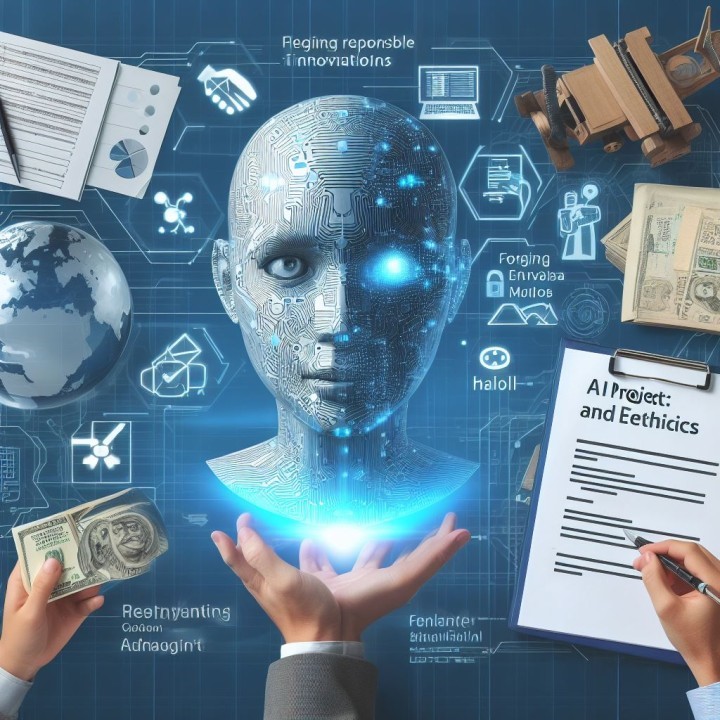
Once upon a time in the dynamic realm of project management, where the hum of algorithms met the cadence of human decisions, ethical considerations took center stage. Project managers found themselves at a crossroads, facing dilemmas influenced by the advent of Artificial Intelligence (AI). Our story unfolds within the context of the Project Management Institute's (PMI) Ethical Decision-Making Framework, a guiding compass in the unfolding ethical odyssey of AI-enhanced project management. In the heart of project management, the integration of AI introduced both opportunities and challenges. Project managers grappled with ethical dilemmas as algorithms influenced decisions that shaped project destinies. The PMI Ethical Decision-Making Framework emerged as a beacon, illuminating the path to navigate these ethical nuances. Our protagonist, the conscientious project manager, embarked on a journey guided by the PMI framework. The first step was to define the ethical dilemma at hand, unraveling the intricacies of AI-driven decision-making. Real-world scenarios became the canvas on which the project manager painted the ethical landscape. Armed with knowledge, our protagonist delved into the second stage – gathering information. Transparency became a key quest, as the project manager sought to understand the inner workings of AI algorithms. The goal was to make informed decisions while ensuring clarity and explainability. As the story unfolded, the importance of stakeholders came into focus. The project manager recognized the diverse cast involved – from team members to end-users. The ethical responsibility extended beyond immediate concerns, considering the far-reaching impact on all stakeholders. A myriad of options lay on the ethical table, each with its consequences and implications. Our project manager evaluated each option against the ethical principles embedded in the PMI framework – responsibility, respect, fairness, and honesty. At the decision-making crossroads, the project manager made choices that aligned not only with the immediate ethical concern but also contributed to the project's long-term ethical culture. The PMI's Code of Ethics and Professional Conduct served as the guiding script. With the decision made, the project manager moved into the implementation phase. Practical considerations, communication, and transparency took center stage. The ethical resolution wasn’t just a decision but a commitment to ethical culture throughout the project. The story ends with a promise to navigate the ethical journey of AI-enhanced project management, guided by the PMI Ethical Decision-Making Framework. As we think back on this adventure, we invite you to share your thoughts on how AI ethics will shape the future of project management. What problems and opportunities do you see, and how can the collective wisdom of the project management community contribute to an ethical and creative landscape? We value your insights, so please share your thoughts in the comments section below. Let's keep exploring the connection between ethics and innovation in the dynamic world of project management together! Reference: |

Ethical Horizons: Navigating Project Management with AI Compassion
|
In the heart of Projectville, where projects pulsated with ambition, a seasoned project manager named Alex embarked on a transformative journey. This is a tale not just of innovation but of ethical leadership, where the integration of artificial intelligence (AI) became a beacon guiding projects through the ever-evolving landscape. Setting the Ethical Stage: Amidst the whirlwind of project complexities, Alex was entrusted with a groundbreaking initiative. The project was not just a quest for deliverables; it was a commitment to ethical project management. It was in this ethical context that AI emerged, promising efficiency without compromising on fairness and transparency. AI as the Ethical Ally: The introduction of AI was not merely a technological upgrade; it was a strategic decision to embed ethics into the project's DNA. The AI algorithms were programmed not just for optimal outcomes but for ethical considerations, fostering a culture of responsibility from the outset. The Dilemma of Ethical Efficiency: As the project unfolded, Alex encountered the delicate balance between efficiency and ethical considerations. The AI, equipped with its algorithms, made decisions that required scrutiny. The project manager grappled with the responsibility of ensuring that AI-driven efficiency did not compromise on fairness or diversity. Illuminating Ethical Transparency: In a pivotal team meeting, Alex chose transparency as the cornerstone of ethical leadership. The black box of AI decision-making was opened, and the team engaged in a candid discussion about the ethical implications. Transparency became the catalyst for fostering a shared understanding of AI's role in decision-making. Collaboration as the Ethical Paradigm: Recognizing AI not as a substitute but as an ethical partner, Alex advocated for a collaborative approach. The diverse team, each member embodying unique perspectives, collaborated harmoniously with AI. The result was not just efficient project outcomes but an ethical legacy that permeated the project's every fiber. AI's Ethical Legacy: As the project concluded, it left behind not just deliverables but an ethical legacy. Alex's leadership had infused a commitment to fairness, transparency, and collaboration. The ethical considerations, meticulously woven into the project's fabric, became a foundation for future initiatives. Conclusion: As the story of Alex unfolds, it reveals a deep truth: AI in project management goes beyond tasks; it's a guide through the ethical landscape. Alex's journey shows that in project management, where innovation and ethics blend, the process is as crucial as the outcome. Now, let's ponder: Can we, like Alex, see AI as more than a tool? Can it be a force for ethical change, shaping a future filled with compassion and inclusivity? The story prompts us to ask: How can we use AI ethically to navigate not just projects but also the moral challenges in our work? So, here's a question for you: How can AI be a compass for ethical choices in your projects? Related to PMI's Code of Ethics and Professional Conduct: This narrative aligns with PMI's emphasis on ethical conduct, reflecting the commitment to responsibility, fairness, and transparency in project management. AI's ethical integration resonates with PMI's principles, ensuring ethical considerations echo through every project. References: |
Project Management Palate: Crafting a Lasting Legacy through Righteous Choices
|
In the world of project management, the final phases often serve as the grand finale, leaving an impression on team members and stakeholders. Similarly, within the ethical realm of project management, the decisions we make can be likened to the sweet treats that define our professional legacy.
Just like a perfectly executed project, ethical decisions in project management are built on a foundation of trust. When project managers consistently make choices guided by integrity and transparency, they establish a reputation for reliability. Trust, much like the sweetness in a well-executed project, becomes the signature flavor that lingers and attracts collaboration. Consider the case of a project manager who prioritizes honesty and fairness in their dealings. Over time, this project manager builds trust not only within the team but also with clients, stakeholders, and the wider project community. The sweetness of trust becomes the defining note in the professional legacy they leave behind.
Ethical choices are the ingredients that nourish collaborative relationships, creating a harmonious blend of respect, empathy, and understanding. Just as a well-executed project brings together different components, ethical decisions in project management foster connections and collaborations. In a project team setting, a project manager who values inclusivity and treats team members with fairness cultivates a positive work environment. This ethical approach becomes the secret recipe for a cohesive and motivated team, leaving a lasting impact on both the individuals involved and the success of the project.
Ethical decisions in project management, like the sweet ripples from a successful project, have a far-reaching impact. When project managers prioritize doing what is right, they inspire those around them to follow suit. This creates a ripple effect of project success that extends beyond immediate project boundaries. Consider a project manager who makes a commitment to sustainable and ethical project practices. The positive impact is not confined to the project itself but resonates throughout the organization, influencing other projects, team dynamics, and even project stakeholders. Ethical decisions, like a sweet ripple, have the power to shape the broader project landscape.
Just as a celebrated chef leaves a legacy through their timeless recipes, project managers can build a legacy of professional integrity through consistent ethical choices. This legacy becomes a guiding light for future project managers, setting a standard for moral conduct in project management. A project manager who stands firm in their ethical convictions, even in the face of project challenges, becomes a beacon of inspiration. Their legacy is one of unwavering principles, leaving a blueprint for others to follow. Likewise, organizations that prioritize ethical project practices become trailblazers, demonstrating that project success can be achieved with a commitment to doing what is right. Conclusion: As we savor the rich flavors of the "Project Management Palate," let us appreciate that ethical decisions are not merely individual acts but the essential ingredients shaping a profound professional legacy. Much like the lingering sweetness of a successfully executed project, ethical choices leave an indelible mark on individuals and projects alike. So, as you navigate the diverse menu of project management decisions, relish the unique sweetness that ethical choices bring. Choose the ingredients of trust, foster collaborative relationships, initiate positive ripples of project success, and construct a legacy steeped in professional integrity. In this grand banquet of project management considerations, let your choices be the dessert that leaves everyone yearning for more – a legacy of sweetness that extends beyond project timelines. We invite you to share your thoughts and opinions on ethical decision-making in project management. How do you prioritize ethics in your projects, and what strategies do you employ to ensure lasting impact? |
Applying Ethics and Ethical Learning in Projectized and Matrix Environments
|
Navigating the Ethical Landscape of Artificial Intelligence: A Balancing Act
ADVERTISEMENTS
|
 Posted
by
Posted
by 


