Cómo consolidar una cultura de proyectos madura: hoja de ruta práctica - How to Establish a Mature Project Culture: A Practical Roadmap
Categories:
Estrategias,
project management,
project culture,
Management,
Organizational Culture,
Governance,
Strategy
Categories: Estrategias, project management, project culture, Management, Organizational Culture, Governance, Strategy


| Hablar de cultura de proyectos en cualquier lugar implica ir más allá de metodologías, formatos, cronogramas o certificaciones. Una cultura madura de proyectos no se construye únicamente porque una empresa declare que trabaja “por proyectos”, ni porque utilice herramientas digitales, tableros ágiles o reuniones de seguimiento. Se consolida cuando la organización aprende a convertir sus ideas estratégicas en iniciativas priorizadas, financiadas, ejecutadas, controladas y evaluadas por el valor que generan. En ese punto, la dirección de proyectos deja de ser una función operativa y se convierte en una capacidad organizacional. El Análisis de la Gestión de Proyectos en Ecuador – Volumen 2 muestra que el país atraviesa una segunda ola de profesionalización. La primera medición, realizada en 2024, permitió elaborar una radiografía inicial de la disciplina. La segunda, en 2025, amplió la muestra, lo que permitió observar tendencias más claras. El mensaje central es potente: Ecuador avanza, pero aún no ha consolidado una cultura de proyectos plenamente madura. Hay más conciencia, más estructuras, más jóvenes entrando al ecosistema, más interés por la inteligencia artificial y una mayor presencia de los PMO. Sin embargo, persisten debilidades estructurales: baja certificación internacional, recursos limitados, autoridad incompleta del Project Manager, corrupción del alcance, adopción tecnológica desigual y una gestión aún muy dependiente de esfuerzos individuales. La cultura madura de proyectos empieza con una decisión ejecutiva: dejar de aprobar proyectos por presión, intuición o entusiasmo, y comenzar a priorizarlos por valor, capacidad y alineación estratégica. Muchas organizaciones ecuatorianas aún tienen carteras infladas, en las que todos los proyectos parecen importantes, pero solo unos pocos reciben recursos suficientes. Esto se refleja en el informe de 2025: el 47,6% de los encuestados identifica los recursos limitados como la principal causa de fracaso. Esta cifra revela que el problema no está solo en la ejecución; muchas veces nace antes, cuando la empresa compromete resultados sin validar su capacidad real. Por eso, la primera práctica para consolidar la madurez consiste en crear un filtro de priorización. Toda empresa debería clasificar sus proyectos según criterios mínimos: alineación estratégica, beneficio esperado, urgencia, complejidad, riesgo, disponibilidad de recursos, impacto en clientes o ciudadanos y costo de no ejecutar. Este filtro no requiere una plataforma sofisticada para empezar. Puede comenzar con una matriz simple y una reunión mensual de portafolio. Lo importante es cambiar la pregunta: no se trata de “¿qué proyecto queremos hacer?”, sino de “¿qué proyecto debemos ejecutar primero y qué estamos dispuestos a detener para hacerlo bien?”. La segunda práctica consiste en profesionalizar la PMO, pero sin que se convierta en una oficina de reportes. Una PMO madura no existe para pedir matrices, perseguir cronogramas o consolidar presentaciones. Su verdadero valor radica en mejorar la calidad de las decisiones. Debe ayudar a definir estándares, priorizar iniciativas, anticipar riesgos, proteger recursos críticos, controlar cambios, medir beneficios y generar aprendizaje organizacional. El enfoque recomendado por PMI es coherente con esta visión: las PMO más efectivas priorizan la entrega de valor por encima del proceso, y actúan como soporte para equipos y tomadores de decisión orientados a resultados. La tercera práctica consiste en medir lo que realmente importa. Durante años, muchas empresas han medido los proyectos con tres indicadores clásicos: tiempo, costo y alcance. Son necesarios, pero insuficientes. Una cultura madura debe incorporar indicadores de valor realizado, predictibilidad, salud del alcance, capacidad real de los recursos, experiencia del usuario, riesgos anticipados, decisiones pendientes, sostenibilidad y aprendizaje organizacional. Un proyecto puede terminar dentro del cronograma y aun así no generar beneficios. Puede ejecutar el presupuesto y aun así no resolver el problema. Puede entregar todos sus productos y, aun así, dejar procesos débiles o usuarios insatisfechos. Medir mejor es decidir mejor. La cuarta práctica consiste en fortalecer la gestión de recursos como capacidad organizacional. El avance de 2025 muestra una mejora en la asignación completa de recursos respecto de 2024, pero los recursos limitados siguen siendo el principal obstáculo. Esto demuestra que asignar personas no equivale a planificar la capacidad. Toda empresa debería contar con una matriz de capacidad por rol crítico: director de proyecto, sponsor, usuario clave, especialistas técnicos, financiero, compras, legal, operaciones, calidad y proveedores. Antes de aprobar un proyecto, la organización debe saber si esos perfiles existen, si tienen disponibilidad real y qué impacto tendrá el nuevo proyecto en la carga actual. La quinta práctica consiste en disciplinar el control de cambios. La corrupción del alcance sigue siendo un signo de baja madurez. En organizaciones inmaduras, los cambios se aceptan por presión, para evitar conflictos o para complacer al stakeholder más influyente. En organizaciones maduras, los cambios se analizan. Cada solicitud debe responder cinco preguntas: qué valor agrega, qué impacto tiene en el tiempo, qué impacto tiene en el costo, qué riesgo introduce y qué beneficio modifica. El problema no es cambiar; el problema es cambiar sin trazabilidad, sin análisis y sin decisión ejecutiva. La sexta práctica consiste en formar líderes capaces de dirigir sin autoridad formal. En Ecuador, muchos Project Managers no tienen control total sobre los recursos, los presupuestos ni las prioridades. Por ello, la madurez no depende únicamente de nombrar directores de proyecto, sino también de desarrollar líderes capaces de influir. Liderar sin poder jerárquico exige persuasión, negociación, construcción de alianzas y comunicación ejecutiva. El PM debe aprender a presentar decisiones con evidencia: “con esta capacidad, el proyecto se retrasa”; “con este cambio, el presupuesto aumenta”; “sin este recurso, el beneficio se reduce”; “si se prioriza este proyecto, otro debe pausarse”. Esa es la diferencia entre reportar problemas y tomar decisiones. La séptima práctica consiste en integrar la tecnología y la inteligencia artificial con propósito. El informe 2025 muestra un mayor interés por tecnologías emergentes, especialmente en machine learning, servicios en la nube, procesamiento del lenguaje natural y automatización. Sin embargo, la tecnología solo genera valor cuando hay información confiable. Una organización que no registra tiempos reales, costos reales, cambios, riesgos, decisiones y beneficios no podrá aprovechar la IA de manera seria. La hoja de ruta debe comenzar con datos básicos de calidad y evolucionar hacia tableros ejecutivos, analítica predictiva, simulación de escenarios y alertas tempranas. La octava práctica consiste en conectar los proyectos con la sostenibilidad y el impacto. En Ecuador, especialmente en obras públicas, infraestructura, servicios, educación, salud y tecnología, los proyectos no solo tienen impacto financiero, sino también social, ambiental e institucional. Una cultura madura debe preguntarse no solo si el proyecto terminó, sino también qué cambió positivamente para los usuarios, los ciudadanos, los clientes o las comunidades. Esta visión se alinea con la gestión de beneficios: los entregables no son el fin; son medios para generar resultados, beneficios y valor sostenible. La novena práctica consiste en fortalecer la formación y la certificación. El informe de 2025 señala que el 73% de los profesionales no posee certificación internacional. Este dato debe preocupar, no porque la certificación sea la única medida de capacidad, sino porque refleja una brecha de formalización frente a los estándares globales. Ecuador necesita una ruta de profesionalización por niveles: formación básica para quienes inician, certificaciones ágiles o predictivas según el tipo de proyecto, especialización en riesgos, portafolios, PMO, beneficios, sostenibilidad e inteligencia artificial aplicada. La universidad, la empresa y los gremios deben trabajar juntos para que el talento joven no aprenda únicamente por ensayo y error. La décima práctica consiste en construir la memoria organizacional. Muchas empresas repiten los mismos errores porque no convierten sus proyectos en oportunidades de aprendizaje. Una cultura madura documenta las lecciones aprendidas, analiza las causas raíz, identifica patrones de desviación, evalúa a los proveedores, mejora las plantillas, ajusta los contratos y retroalimenta la planificación futura. La madurez no se demuestra solo ejecutando un proyecto exitoso; se demuestra cuando cada proyecto mejora la forma en que la organización ejecutará el siguiente. Esta hoja de ruta también se aplica al sector público y a las obras públicas. Una obra no debería considerarse exitosa solo porque fue inaugurada. Debe evaluarse por el beneficio que genera: reducción de tiempos, mejora de servicios, cobertura, seguridad, eficiencia, sostenibilidad y confianza pública. En ese sentido, una cultura madura de proyectos también es una política de competitividad y de desarrollo nacional. La transición hacia una cultura madura de proyectos no será inmediata. Requiere disciplina, liderazgo y consistencia. También requiere aceptar una verdad incómoda: muchas organizaciones no fallan porque no tengan metodología, sino porque no tienen gobernanza suficiente para sostenerla. Una metodología sin decisiones oportunas es burocracia. Una PMO sin valor es un reporte. Un cronograma sin recursos es una ilusión. Un proyecto sin beneficios medidos es una promesa incompleta. Consolidar una cultura de proyectos madura implica formar organizaciones capaces de ejecutar proyectos con menos improvisación y más evidencia. Significa que los proyectos públicos y privados deben dejar de depender exclusivamente del esfuerzo individual del Project Manager y empezar a sustentarse en sistemas de gobernanza, datos, liderazgo y aprendizaje. Significa entender que los proyectos no son documentos ni cronogramas; son vehículos para convertir la estrategia en resultados. Fuente: basado en el Análisis de la Gestión de Proyectos en Ecuador – Volumen 2 y su contraste con el Volumen 1. Puedes revisar ambos informes aquí: https://www.grupogonzalez.ec/Publicaciones Sobre la Autor PhD(c) José Luis González Rugel. | MAE, MBI, MIE, PMP®, PMI-RMP®, PMI-ACP®, PMI-PMOCP®, GPM-b®, SMC®, SPOC®, TPM® | Asesor, docente, investigador en dirección de proyectos. Contacto profesional: [email protected] Red Social: https://www.linkedin.com/in/josegonzalezproyectos/ English Version Talking about project culture anywhere means going beyond methodologies, templates, schedules, or certifications. A mature project culture isn't built simply because a company declares it works “by projects,” or because it uses digital tools, agile boards, or follow-up meetings. It takes hold when the organization learns to turn strategic ideas into initiatives that are prioritized, funded, executed, controlled, and evaluated by the value they generate. At that point, project management ceases to be an operational function and becomes an organizational capability. The Analysis of Project Management in Ecuador – Volume 2 shows that the country is going through a second wave of professionalization. The first measurement, carried out in 2024, enabled an initial snapshot of the discipline. The second, in 2025, expanded the sample, allowing clearer trends to be observed. The central message is powerful: Ecuador is advancing, but it has not yet consolidated a fully mature project culture. Awareness is higher, structures are stronger, more young professionals are entering the ecosystem, interest in artificial intelligence is growing, and PMOs are more present. However, structural weaknesses persist: low international certification, limited resources, incomplete Project Manager authority, scope creep, uneven technology adoption, and management that still depends heavily on individual effort. A mature project culture begins with an executive decision: stop approving projects based on pressure, intuition, or enthusiasm, and start prioritizing them based on value, capacity, and strategic alignment. Many Ecuadorian organizations still have inflated portfolios, where every project seems important, but only a few receive sufficient resources. The 2025 report reflects this: 47.6% of respondents identify limited resources as the main cause of failure. This figure shows the problem isn't only execution; it often starts earlier, when a company commits to results without validating its real capacity. That is why the first practice for consolidating maturity is to create a prioritization filter. Every company should classify its projects according to minimum criteria: strategic alignment, expected benefit, urgency, complexity, risk, resource availability, impact on customers or citizens, and the cost of not executing. This filter does not require a sophisticated platform to get started. It can begin with a simple matrix and a monthly portfolio meeting. What matters is changing the question: it is not about “which project do we want to do?” but rather “which project should we execute first, and what are we willing to stop in order to do it well?” The second practice is to professionalize the PMO without letting it become a reporting office. A mature PMO does not exist to request metrics, chase schedules, or consolidate presentations. Its true value lies in improving decision quality. It must help define standards, prioritize initiatives, anticipate risks, protect critical resources, control changes, measure benefits, and generate organizational learning. PMI's recommended approach aligns with this vision: the most effective PMOs prioritize value delivery over process and serve as support structures for teams and decision-makers focused on results. The third practice is to measure what truly matters. For years, many companies have measured projects using three classic indicators: time, cost, and scope. They are necessary, but insufficient. A mature culture must incorporate indicators of realized value, predictability, scope health, real resource capacity, user experience, anticipated risks, pending decisions, sustainability, and organizational learning. A project may finish on schedule and still fail to generate benefits. It may execute the budget and still fail to solve the problem. It may deliver all its outputs and still leave weak processes or dissatisfied users. Measuring better means deciding better. The fourth practice is to strengthen resource management as an organizational capability. Progress in 2025 shows improved full resource allocation compared to 2024, but limited resources remain the main obstacle. This demonstrates that assigning people is not the same as planning capacity. Every company should have a capacity matrix by critical role: project manager, sponsor, key user, technical specialists, finance, procurement, legal, operations, quality, and suppliers. Before approving a project, the organization must know whether those profiles exist, whether they have real availability, and what impact the new project will have on the current workload. The fifth practice is to discipline change control. Scope creep remains a sign of low maturity. In immature organizations, people accept changes because of pressure, to avoid conflict, or to satisfy the most influential stakeholder. In mature organizations, they analyze changes. Every request must answer five questions: what value it adds, what impact it has on time, what impact it has on cost, what risk it introduces, and what benefit it modifies. The problem is not change; it is changing without traceability, analysis, or executive decision-making. The sixth practice is to develop leaders who can manage without formal authority. In Ecuador, many Project Managers do not have full control over resources, budgets, or priorities. Therefore, maturity does not depend only on appointing project managers, but also on developing leaders capable of influencing. Leading without hierarchical power requires persuasion, negotiation, alliance-building, and executive communication. The PM must learn to present decisions with evidence: “with this capacity, the project will be delayed”; “with this change, the budget will increase”; “without this resource, the benefit will be reduced”; “if this project is prioritized, another one must be paused.” That is the difference between reporting problems and driving decisions. The seventh practice is to integrate technology and artificial intelligence with purpose. The 2025 report shows greater interest in emerging technologies, especially machine learning, cloud services, natural language processing, and automation. However, technology generates value only when information is reliable. An organization that does not record actual times, costs, changes, risks, decisions, and benefits cannot take AI seriously. The roadmap must start with basic data quality and evolve toward executive dashboards, predictive analytics, scenario simulation, and early-warning alerts. The eighth practice is to connect projects with sustainability and impact. In Ecuador, especially in public works, infrastructure, services, education, health, and technology, projects have not only financial impact, but also social, environmental, and institutional impact. A mature culture must ask not only whether the project was completed, but also what changed positively for users, citizens, customers, or communities. This vision aligns with benefits management: deliverables are not the end; they are means to generate outcomes, benefits, and sustainable value. The ninth practice is to strengthen training and certification. The 2025 report indicates that 73% of professionals do not hold an international certification. This data should be concerning, not because certification is the only measure of capability, but because it reflects a formalization gap compared to global standards. Ecuador needs a tiered professionalization pathway: basic training for those starting out, agile or predictive certifications depending on the project type, and specialization in risks, portfolios, PMO, benefits, sustainability, and applied artificial intelligence. Universities, companies, and professional associations must work together so that young talent does not learn only through trial and error. The tenth practice is to build organizational memory. Many companies repeat the same mistakes because they do not turn their projects into learning opportunities. A mature culture documents lessons learned, analyzes root causes, identifies deviation patterns, evaluates suppliers, improves templates, adjusts contracts, and feeds future planning. Maturity is not demonstrated by executing one successful project; it is demonstrated when each project improves how the organization executes the next one. This roadmap also applies to the public sector and public works. A public work should not be considered successful simply because it was inaugurated. It must be evaluated by the benefits it generates: reduced times, improved services, coverage, safety, efficiency, sustainability, and public trust. In this sense, a mature project culture is also a policy for competitiveness and national development. The transition toward a mature project culture will not be immediate. It requires discipline, leadership, and consistency. It also requires accepting an uncomfortable truth: many organizations fail not because they lack methodology, but because they lack enough governance to sustain it. A methodology without timely decisions is bureaucracy. A PMO without value is a report. A schedule without resources is an illusion. A project without measured benefits is an incomplete promise. Consolidating a mature project culture means forming organizations capable of executing projects with less improvisation and more evidence. It means public and private projects must stop depending exclusively on the individual effort of the Project Manager and start being supported by systems of governance, data, leadership, and learning. It means understanding that projects are not documents or schedules; they are vehicles for turning strategy into results. Source: Based on the Analysis of Project Management in Ecuador – Volume 2 and its comparison with Volume 1. Both reports are available here: https://www.grupogonzalez.ec/Publicaciones About the Author PhD(c) José Luis González Rugel | MAE, MBI, MIE, PMP®, PMI-RMP®, PMI-ACP®, PMI-PMOCP®, GPM-b®, SMC®, SPOC®, TPM® | Advisor, lecturer, and researcher in project management. Professional Contact: [email protected] LinkedIn: https://www.linkedin.com/in/josegonzalezproyectos/ |
La PMO en el Mundo y en Ecuador: Evolución, Tendencias y Oportunidades - The PMO in the World and in Ecuador: Evolution, Trends, and Opportunities
| La Oficina de Dirección de Proyectos (PMO, por sus siglas en inglés), que puede ser nombrada de diferentes maneras en las empresas, ha evolucionado significativamente en las últimas décadas. De ser una función administrativa limitada a la gestión documental de proyectos, ha pasado a convertirse en un eje estratégico para la creación de valor empresarial Las PMO han demostrado su importancia en la mejora del éxito de los proyectos. Según el informe Pulse of the Profession 2019 del PMI a nivel mundial, el 67% de las organizaciones encuestadas cuentan con una PMO. Además, aquellas con PMO establecida por más de dos años reportan que el 62% de sus proyectos alcanzan los beneficios empresariales previstos. El ecosistema de PMO ha evolucionado hacia una integración más profunda con la estrategia organizacional. Un punto clave en esta evolución es la colaboración entre el PMI y la PMO Global Alliance (PMOGA), una iniciativa que busca estandarizar y elevar el rol de las PMO en las organizaciones a nivel mundial. Esta alianza refuerza la importancia de la certificación PMO-CP (PMO Certified Practitioner), que acredita a los profesionales en la implementación y gestión efectiva de oficinas de dirección de proyectos. Las tendencias actuales en PMO incluyen:
El estudio "Análisis de la Gestión de Proyectos en Ecuador" revela una realidad desafiante para las PMO en Ecuador:
A pesar de estos desafíos, Ecuador presenta un terreno fértil para el crecimiento de las PMO. La necesidad de mayor madurez en la dirección de proyectos brinda la posibilidad de implementar estructuras robustas de PMO que alineen los proyectos con los objetivos estratégicos de las organizaciones. La certificación PMO Certified Practitioner (PMO-CP) del PMI es una credencial especializada diseñada para aquellos que desean liderar, establecer y optimizar Oficinas de Dirección de Proyectos en cualquier tipo de organización. Esta certificación está dirigida a:
Si eres un profesional en los perfiles antes indicados, la certificación PMI-PMOCP (PMO Certified Practitioner) es una buena opción que te permitirá implementar y liderar PMO de alto impacto. Para profundizar en estos temas y comprender mejor el estado actual de la dirección de proyectos en Ecuador, recomendamos la lectura del informe "Análisis de la Gestión de Proyectos en Ecuador, Volumen 1". Este documento ofrece datos clave y análisis detallados que permiten visualizar las tendencias, oportunidades y desafíos del sector. Lo pueden encontrar en el link: https://www.researchgate.net/publication/385885147_Analisis_de_la_Gestion_de_Proyectos_en_Ecuador. Además, invitamos a todos los profesionales de Ecuador, interesados a participar en el levantamiento de información para la edición 2025, contribuyendo con su experiencia y conocimientos a la construcción de un ecosistema de proyectos más sólido y alineado con las necesidades del mercado. Puede realizar al encuesta en el siguiente link: https://forms.gle/SLWicZEPWe4TRuyd6.
English VersionThe Project Management Office (PMO), which many different names in companies can call, has evolved significantly in recent decades. From being an administrative function limited to project document management, it has become a strategic pillar for creating business value. PMOs have demonstrated their importance in improving project success. According to PMI's 2019 Pulse of the Profession report, 67% of organizations surveyed have a PMO. Furthermore, those with a PMO established over two years report that 62% of their projects achieve the intended business benefits. The PMO ecosystem has evolved toward a deeper integration with organizational strategy. A key point in this evolution is the collaboration between the PMI and the PMO Global Alliance (PMOGA). This initiative seeks to standardize and elevate the role of PMOs in organizations worldwide. This alliance reinforces the importance of the PMO-CP (PMO Certified Practitioner) certification, which accredits professionals in effectively implementing and managing project management offices.
• Focus on value creation: It's not just about meeting deadlines and budgets but about generating strategic impact on organizations, ensuring alignment with corporate objectives. The "Analysis of Project Management in Ecuador" study reveals a challenging reality for PMOs in Ecuador:
The PMI PMO Certified Practitioner (PMO-CP) certification is a specialized credential designed for those who want to lead, establish, and optimize Project Management Offices in any organization. This certification is intended for: • Project and program managers seeking to expand their organizational governance capabilities. Suppose you are a professional with the profiles above. In that case, the PMI-PMOCP (PMO Certified Practitioner) certification is a good option that will allow you to implement and lead high-impact PMOs. To delve deeper into these topics and better understand the current state of project management in Ecuador, we recommend reading the report "Analysis of Project Management in Ecuador, Volume 1." This document offers key data and detailed analysis that allow you to visualize the sector's trends, opportunities, and challenges. You can find it at the link: Additionally, we invite all interested professionals in Ecuador to participate in the data collection for the 2025 edition, contributing their experience and knowledge to building a more robust project ecosystem aligned with market needs. You can take the survey using the following link: https://forms.gle/SLWicZEPWe4TRuyd6. |
¿Por qué ejecutamos las buenas prácticas? / Why do we execute good practices? Part 1.
| Desde mi punto de vista cuando comenzamos a aprender algo nuevo lo primero que preguntamos es ¿Qué tengo que hacer?; aprendemos los pasos que debo seguir, contamos con alguien que nos enseña y acompañe a seguir los pasos, pero llega un momento en que deseamos saber ¿Por qué? lo hago. Conocer el POR QUÉ nos permitirá estar más motivados en hacerlo y conocer los beneficios que se pueden lograr y en algunos casos incluso encontrar puntos de mejora. Es por ello por lo que voy a comenzar una serie de publicaciones donde pueda presentar el ¿POR QUÉ? debemos implementar las buenas prácticas de cada una de las áreas de conocimiento en nuestros proyectos. ¿Por qué y para qué hacemos la gestión de interesados?
¿Por qué y para qué hacemos la gestión de alcance?
Continuaremos con las siguientes áreas de conocimiento y deja tus comentarios si tienes alguna otra razón por la que desarrollamos las buenas prácticas en estás áreas de conocimiento. English version. From my point of view, when we start to learn something new, the first thing we ask is what do I have to do? we learn the steps that I must follow, we have someone to teach us and accompany us to follow the steps, but there comes a time when we want to know why do I do?. Knowing the WHY will allow us to be more motivated to do so and to know the benefits that can be achieved and in some cases even find areas for improvement. That is why I am going to start a series of publications where I can present the WHY? we must implement the good practices of each of the areas of knowledge in our projects.
Why and for what do we do scope management? We will continue with the following areas of knowledge and leave your comments if you have any other reason why we develop good practices in these areas of knowledge. |
¿Dónde se encuentran los Directores de Proyectos durante esta Pandemia?
| Definitivamente muy pocos Directores de Proyectos logramos identificar adecuadamente el impacto del virus COVID-19. En América Latina se veía como un evento muy lejano y que tardaría mucho en llegar. Por lo tanto, existió un supuesto que tendríamos tiempo para reaccionar, pero…. … nada más lejos de la realidad, el cambio fue muy brusco, en menos de 2 semanas la mayoría nos encontrábamos tratando de realizar teletrabajo, los negocios y actividades comerciales rápidamente tuvieron que cerrar sus instalaciones, los clientes en algunos proyectos no críticos en esta pandemia fueron suspendidos y ahora llevamos más de 3 semanas en cuarentena y con limitaciones de movilidad.
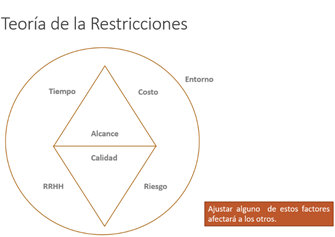
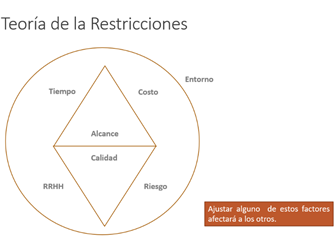
El concepto más claro de la teoría de restricción. Donde el entorno cambió de manera drástica e impactó en algún grado a cada uno de los proyectos existentes. Las preguntas en este momento son: ¿dónde se encuentran los Directores de Proyectos?, ¿qué están haciendo en esta crisis?, ¿qué sucedió con los proyectos?, ¿en tiempo de crisis todo desaparece? La realidad es que hoy más que nunca los Directores de Proyectos se encuentran allí.
Desde mi punto de vista, la vida es proyectizada, todo lo que hacemos se puede gestionar como un proyecto y por ello todos somos directores de proyectos. Es por eso, que nos encontramos en todos lados, realizando las gestiones que mas se puedan para cumplir con éxito nuestros proyectos en cualquier instancia y sobre todo cuidando de nuestro equipo, que puede ser nuestros colaboradores, nuestros clientes, nuestra familia y nosotros mismos. Sigamos con fuerza y recordemos las buenas prácticas de dirección de proyectos las cuales podemos usar en estos momentos para reducir la pérdida de recursos y maximizar el éxito de los proyectos que estemos viviendo.
English Version Definitely very few Project Directors managed to adequately identify the impact of the COVID-19 virus. In Latin America it was seen as a very distant event that would take a long time to arrive. Therefore, there was an assumption that we would have time to react, but…. ... nothing further from reality, the change was very abrupt, in less than 2 weeks most of us were trying to telework, businesses and commercial activities quickly had to close their facilities, clients in some non-critical projects in this pandemic They were suspended and now we have been in quarantine for more than 3 weeks and with mobility limitations.
The clearest concept of constraint theory. Where the environment changed dramatically and impacted to some degree each of the existing projects. The questions now are: where are the Project Directors? What are they doing in this crisis? What happened to the projects?. In times of crisis everything disappears? The reality is that today more than ever Project Managers are there. - There is a large group of project managers in which, the change in environment did not stop the projects, but rather accelerated them, the time to market was shortened and working hours increased, adding to the difficulties of mobilization we found one more limitation, the team. The Project Director's work should not only be based on the development of activities but also on the care of his collaborators, and where many are using the following tools: o Perform fast tracking and crashing to speed up the delivery of activities. o Redefine the priorities and the minimum viable product, to shorten the time of putting the product on the market. o Make use of soft skills tools to empathize with your collaborators and seek a balance between deliveries and their well-being. It must be remembered that only the work team will ensure that the projects are fulfilled, and it is necessary to keep the team together and monitor the status of each one. - In the second instance there are projects that have been suspended, in this scenario there are also the Project Directors, especially looking for the solution of how to return to activities, how to get their team to have work in the following days. Here the tools they are using are: o Focus on current customer needs. o Use a business approach. o Caring for your team in these times of need is the best way to achieve commitment. - In the third instance are the Project Directors who are in the entities with the most work now, such as health, sanitation, security, food, etc. Although this is their daily activity, surely the over-demand means that many project managers are working 200% in order to be able to maintain the necessary resources and logistics activities in operation. - In fourth instance are the families who are in their homes, maintaining the quarantine and helping without leaving. Some continue to work from their homes and others are limited to fully carry out their activities. And although many do not believe it, the Project Directors are also there, managing the resources they have and looking for the mechanisms to optimize them to meet the objective of quarantining and keeping their family safe and sound. From my point of view, life is projected, everything we do can be managed as a project and therefore we are all project managers. That is why, we are everywhere, making the most possible efforts to successfully complete our projects in any instance and above all taking care of our team, which can be our collaborators, our clients, our family and ourselves. Let's continue with strength and remember the good practices of project management which we can use now to reduce the loss of resources and maximize the success of the projects we are living. |
El nuevo perfil del Director de Proyectos. / The new profile of the Project Director.
| El nuevo perfil del Director de Proyectos. Ya no va más un director de orquesta. Definitivamente el mundo de hoy tiene un comportamiento bastante acelerado y con actores en el mercado con otras cualidades y necesidades. Partiendo de mi experiencia en proyectos de transformación digital en los dos últimos años, así como considerando las tendencias en dirección de proyectos que nombré en mi blog anterior y que invito a que lo lean (https://www.projectmanagement.com/blog-post/50254/Tendencias-en-Direcci-n-de-Proyectos-para-el-a-o-2019---Trends-in-Project-Management-for-the-year-2019), todo indica que los negocios y los proyectos cada vez más entra en el mundo VUCA (siglas en ingles que significa: volátil, incierto, complejo y ambiguo), lo cual hace que el perfil del Director de Proyectos también se ajuste a las nuevas necesidades del mercado.
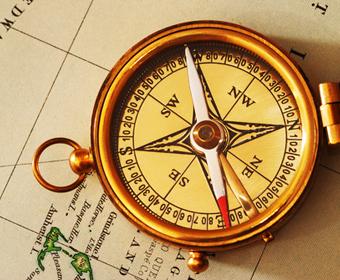
Donde su guía es importante para el desarrollo y culminación con éxito del producto y/o servicio final. Donde la planificación y acciones a seguir se basa mucho de la experiencia del director de proyecto o se sigue una partitura (planificación) rígida y muy predictiva. El mercado laboral ha cambiado, hoy en día existe un porcentaje alto de fuerza laboral millennials, donde sus principales características son: 1. Son nativos digitales 2. Tienen mayor capacidad multitarea 3. Están más y mejor preparados 4. Son hijos de la globalización 5. Son menos conformistas Este mercado millennials al no ser conformistas y estar mejor preparados, no buscan en los trabajos jefes que les den ordenes y/o indicaciones; buscan retos, buscan crecer, buscan tener oportunidades de aportar y buscan ser considerados en la toma de decisiones. Todo este entorno y perfil del mercado laboral hace que el Director de Proyecto también cambie su estrategia de trabajo, ya no se ve como un director de orquesta, sino como una BRUJULA. No se aparta de lo básico y siempre necesario de un Director de Proyectos, pero si debe contar con otras habilidades y comportamientos necesarios en este entorno. Los nuevos comportamientos que creo que debe tener un Director de Proyectos en este nuevo entorno son: 1. Ser un priorizador. Una de las funciones principales del Director de Proyectos hoy en día es priorizar las actividades a los colaboradores, dar ese norte que necesita el colaborar en momentos en los cuales tiene varias acciones que hacer. Ya no se le dice que hacer, sino cuál es la prioridad y el colaborar si siente más a gusto para poder tomar las decisiones y acciones de acuerdo con esa prioridad. 2. Ser un Servant Leader, es decir, un líder basado en el servicio. Ya no se busca ser un líder guía, fuerte, luchador; las cuales son buenas cualidades, pero hoy en día se busca ser un líder servicial, donde su principal función es eliminar los bloqueantes que puedan tener los colaboradores y que no le permitan realizar sus funciones de la manera adecuada. En segunda instancia queda la pregunta ¿Cómo van?, ahora la principal pregunta es ¿En qué puedo colaborar? ¿Qué bloqueante tienes? 3. Ser un desarrollar de colaboradores, aunque este no es un tema nuevo se vuelve más crítico en un ambiente donde los colabores desean crecer de manera exponencial, donde estar en lo mismo en periodos continuos los aburre y buscan nuevos rumbos. Un director de proyectos debe siempre buscar mecanismos de crecimiento para sus colaboradores, ellos crecen… todos crecemos. 4. Ser un desarrollar de autonomía, cada vez más los equipos tendrán una mayor autonomía, como células vivas y auto organizadas. Si bien la autonomía permite que los colaboradores participen en la toma de decisiones, la misma debe ser desarrollada de una manera controlada y teniendo en claro el norte completo del equipo y proyecto. Creo firmemente que debe existir una planificación macro y desarrollo autónomos, cuyo alcance de autonomía dependerá del tipo de proyecto. 5. Ser un padre, debe alejarse, creo que es lo más difícil, uno que está acostumbrado a estar siempre en la toma de decisiones, debe aprender a dar el espacio suficiente para que el equipo pueda aplicar nuevas ideas, temas de innovación, business intelligence, inteligencia artificial, etc. Acá hago un símil como si uno fuera un padre, aunque nos gustaría tomar todas las decisiones de nuestros hijos, para evitar que sufran daño, es necesario permitir que ellos mismos tomen sus decisiones y en muchos casos son mejores que las que nosotros hubiésemos tomados. Este enfoque del nuevo perfil del Director de Proyecto es independiente del acercamiento que se desea dar a la gestión del proyecto, ya sea más ágil o predictivo, el director de proyecto seguirá siendo una parte fundamental de los mismos, pero debe también aprender a desarrollar al equipo y así desarrollarse a sí mismo. El director de Proyecto es una brújula, siempre necesario para mantener el norte, pero no indispensable para dar un paso.
English Version. The new profile of the Project Director. It is no longer going to be like an Orchestra Director. Definitely the world today has a fairly fast behavior and with actors in the market with other qualities and needs. Based on my experience in digital transformation projects in the last two years, as well as considering the trends in project management that I named in my previous blog and that I invite you to read (https://www.projectmanagement.com/blog- post / 50254 / Trends-in-Project-Direction-for-the-year-2019 --- Trends-in-Project-Management-for-the-year-2019), everything indicates that business and Projects increasingly enters the world VUCA (acronym in English meaning: volatile, uncertain, complex and ambiguous), which makes the profile of the Project Manager also meets the new market needs. Back already the Project Director was seen as an Orchestra Director, where his main function was to indicate at what time was the entrance or exit of each project specialist in order to harmonize the team, seen as a leader with which the orchestra She feels safe and calm, being the person who should always give the solution and face the problems directly. Where your guide is important for the development and successful completion of the product and / or final service. Where the planning and actions to be followed is based a lot on the experience of the project manager or a rigid and highly predictive score (planning) is followed. The labor market has changed, today there is a high percentage of millennials labor force, where its main characteristics are: 1. They are digital natives 2. They have a greater ability to multitask 3. They are more and better prepared 4. They are children of globalization 5. They are less conformist This market millennials not to be conformist and be better prepared, do not look for in the chief works that give them orders and / or indications; They look for challenges, seek to grow, seek opportunities to contribute and seek to be considered in decision making. All this environment and profile of the labor market makes the Project Manager also change his work strategy, he no longer looks like an orqueta director, but as a COMPASS. It does not depart from the basic and always necessary of a Project Director, but must have other skills and behaviors necessary in this environment. The new behaviors that I believe a Project Director should have in this new environment are: 1. Be a priority. One of the main functions of the Project Manager today is to prioritize the activities to the collaborators, to give that north that he needs to collaborate in moments in which he has several actions to do. He is no longer told what to do, but what is the priority and collaborate if he feels more at ease to be able to make decisions and actions in accordance with that priority. 2. Being a Servant Leader, that is, a leader based on the service. It is no longer sought to be a leader leader, strong, fighter; which are good qualities, but today seeks to be a servant leader, where its main function is to eliminate blockers that may have collaborators and not allow him to perform their duties in the right way. In the second instance, the question remains: How are they going? Now the main question is: How can I collaborate? What blocker do you have? 3. Being a collaborator, although this is not a new topic, becomes more critical in an environment where collaborators want to grow exponentially, where being in the same in continuous periods bores them and they look for new directions. A project manager must always look for growth mechanisms for their collaborators, they grow ... we all grow. 4. Being a development of autonomy, more and more teams will have greater autonomy, as living cells and self-organized. Although autonomy allows collaborators to participate in decision-making, it must be developed in a controlled manner and keeping in mind the complete north of the team and project. I firmly believe that there must be autonomous macro planning and development, whose scope of autonomy will depend on the type of project. 5. Being a father, must move away, I think it is the most difficult, one that is used to being always in decision making, must learn to give enough space for the team to apply new ideas, innovation topics, business intelligence, artificial intelligence, etc. Here I make a simile as if one were a father, although we would like to make all the decisions of our children, to avoid that they suffer damage, it is necessary to allow them to make their own decisions and in many cases they are better than what we would have taken. This approach of the new profile of the Project Director is independent of the approach that one wishes to give to the management of the project, be it more agile or predictive, the project manager will continue to be a fundamental part of them, but he must also learn to develop the team and thus develop itself. The project director is a compass, always necessary to maintain the north, but not indispensable for him to take a step. |
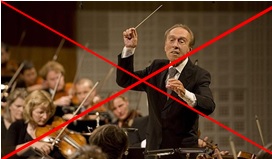 Atrás ya quedo el Director de Proyectos visto como un Director de Orquesta, donde su principal función era indicar en qué momento era la entrada o salida de cada especialista del proyecto con el fin de armonizar al equipo, visto como un líder con el cuál la orquesta se siente segura y tranquila, siendo la persona que siempre debía dar la solución y enfrentar los problemas directamente.