


El nuevo perfil del Director de Proyectos.
Ya no va más un director de orquesta.
Definitivamente el mundo de hoy tiene un comportamiento bastante acelerado y con actores en el mercado con otras cualidades y necesidades.
Partiendo de mi experiencia en proyectos de transformación digital en los dos últimos años, así como considerando las tendencias en dirección de proyectos que nombré en mi blog anterior y que invito a que lo lean (https://www.projectmanagement.com/blog-post/50254/Tendencias-en-Direcci-n-de-Proyectos-para-el-a-o-2019---Trends-in-Project-Management-for-the-year-2019), todo indica que los negocios y los proyectos cada vez más entra en el mundo VUCA (siglas en ingles que significa: volátil, incierto, complejo y ambiguo), lo cual hace que el perfil del Director de Proyectos también se ajuste a las nuevas necesidades del mercado.
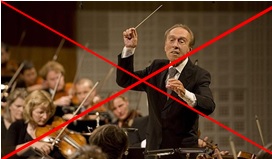 Atrás ya quedo el Director de Proyectos visto como un Director de Orquesta, donde su principal función era indicar en qué momento era la entrada o salida de cada especialista del proyecto con el fin de armonizar al equipo, visto como un líder con el cuál la orquesta se siente segura y tranquila, siendo la persona que siempre debía dar la solución y enfrentar los problemas directamente.
Donde su guía es importante para el desarrollo y culminación con éxito del producto y/o servicio final. Donde la planificación y acciones a seguir se basa mucho de la experiencia del director de proyecto o se sigue una partitura (planificación) rígida y muy predictiva.
El mercado laboral ha cambiado, hoy en día existe un porcentaje alto de fuerza laboral millennials, donde sus principales características son:
1. Son nativos digitales
2. Tienen mayor capacidad multitarea
3. Están más y mejor preparados
4. Son hijos de la globalización
5. Son menos conformistas
Este mercado millennials al no ser conformistas y estar mejor preparados, no buscan en los trabajos jefes que les den ordenes y/o indicaciones; buscan retos, buscan crecer, buscan tener oportunidades de aportar y buscan ser considerados en la toma de decisiones.
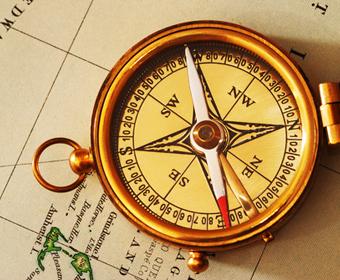
Todo este entorno y perfil del mercado laboral hace que el Director de Proyecto también cambie su estrategia de trabajo, ya no se ve como un director de orquesta, sino como una BRUJULA.
No se aparta de lo básico y siempre necesario de un Director de Proyectos, pero si debe contar con otras habilidades y comportamientos necesarios en este entorno.
Los nuevos comportamientos que creo que debe tener un Director de Proyectos en este nuevo entorno son:
1. Ser un priorizador. Una de las funciones principales del Director de Proyectos hoy en día es priorizar las actividades a los colaboradores, dar ese norte que necesita el colaborar en momentos en los cuales tiene varias acciones que hacer. Ya no se le dice que hacer, sino cuál es la prioridad y el colaborar si siente más a gusto para poder tomar las decisiones y acciones de acuerdo con esa prioridad.
2. Ser un Servant Leader, es decir, un líder basado en el servicio. Ya no se busca ser un líder guía, fuerte, luchador; las cuales son buenas cualidades, pero hoy en día se busca ser un líder servicial, donde su principal función es eliminar los bloqueantes que puedan tener los colaboradores y que no le permitan realizar sus funciones de la manera adecuada. En segunda instancia queda la pregunta ¿Cómo van?, ahora la principal pregunta es ¿En qué puedo colaborar? ¿Qué bloqueante tienes?
3. Ser un desarrollar de colaboradores, aunque este no es un tema nuevo se vuelve más crítico en un ambiente donde los colabores desean crecer de manera exponencial, donde estar en lo mismo en periodos continuos los aburre y buscan nuevos rumbos. Un director de proyectos debe siempre buscar mecanismos de crecimiento para sus colaboradores, ellos crecen… todos crecemos.
4. Ser un desarrollar de autonomía, cada vez más los equipos tendrán una mayor autonomía, como células vivas y auto organizadas. Si bien la autonomía permite que los colaboradores participen en la toma de decisiones, la misma debe ser desarrollada de una manera controlada y teniendo en claro el norte completo del equipo y proyecto. Creo firmemente que debe existir una planificación macro y desarrollo autónomos, cuyo alcance de autonomía dependerá del tipo de proyecto.
5. Ser un padre, debe alejarse, creo que es lo más difícil, uno que está acostumbrado a estar siempre en la toma de decisiones, debe aprender a dar el espacio suficiente para que el equipo pueda aplicar nuevas ideas, temas de innovación, business intelligence, inteligencia artificial, etc. Acá hago un símil como si uno fuera un padre, aunque nos gustaría tomar todas las decisiones de nuestros hijos, para evitar que sufran daño, es necesario permitir que ellos mismos tomen sus decisiones y en muchos casos son mejores que las que nosotros hubiésemos tomados.
Este enfoque del nuevo perfil del Director de Proyecto es independiente del acercamiento que se desea dar a la gestión del proyecto, ya sea más ágil o predictivo, el director de proyecto seguirá siendo una parte fundamental de los mismos, pero debe también aprender a desarrollar al equipo y así desarrollarse a sí mismo.
El director de Proyecto es una brújula, siempre necesario para mantener el norte, pero no indispensable para dar un paso.
English Version.
The new profile of the Project Director.
It is no longer going to be like an Orchestra Director.
Definitely the world today has a fairly fast behavior and with actors in the market with other qualities and needs.
Based on my experience in digital transformation projects in the last two years, as well as considering the trends in project management that I named in my previous blog and that I invite you to read (https://www.projectmanagement.com/blog- post / 50254 / Trends-in-Project-Direction-for-the-year-2019 --- Trends-in-Project-Management-for-the-year-2019), everything indicates that business and Projects increasingly enters the world VUCA (acronym in English meaning: volatile, uncertain, complex and ambiguous), which makes the profile of the Project Manager also meets the new market needs.
Back already the Project Director was seen as an Orchestra Director, where his main function was to indicate at what time was the entrance or exit of each project specialist in order to harmonize the team, seen as a leader with which the orchestra She feels safe and calm, being the person who should always give the solution and face the problems directly.
Where your guide is important for the development and successful completion of the product and / or final service. Where the planning and actions to be followed is based a lot on the experience of the project manager or a rigid and highly predictive score (planning) is followed.
The labor market has changed, today there is a high percentage of millennials labor force, where its main characteristics are:
1. They are digital natives
2. They have a greater ability to multitask
3. They are more and better prepared
4. They are children of globalization
5. They are less conformist
This market millennials not to be conformist and be better prepared, do not look for in the chief works that give them orders and / or indications; They look for challenges, seek to grow, seek opportunities to contribute and seek to be considered in decision making.
All this environment and profile of the labor market makes the Project Manager also change his work strategy, he no longer looks like an orqueta director, but as a COMPASS.
It does not depart from the basic and always necessary of a Project Director, but must have other skills and behaviors necessary in this environment.
The new behaviors that I believe a Project Director should have in this new environment are:
1. Be a priority. One of the main functions of the Project Manager today is to prioritize the activities to the collaborators, to give that north that he needs to collaborate in moments in which he has several actions to do. He is no longer told what to do, but what is the priority and collaborate if he feels more at ease to be able to make decisions and actions in accordance with that priority.
2. Being a Servant Leader, that is, a leader based on the service. It is no longer sought to be a leader leader, strong, fighter; which are good qualities, but today seeks to be a servant leader, where its main function is to eliminate blockers that may have collaborators and not allow him to perform their duties in the right way. In the second instance, the question remains: How are they going? Now the main question is: How can I collaborate? What blocker do you have?
3. Being a collaborator, although this is not a new topic, becomes more critical in an environment where collaborators want to grow exponentially, where being in the same in continuous periods bores them and they look for new directions. A project manager must always look for growth mechanisms for their collaborators, they grow ... we all grow.
4. Being a development of autonomy, more and more teams will have greater autonomy, as living cells and self-organized. Although autonomy allows collaborators to participate in decision-making, it must be developed in a controlled manner and keeping in mind the complete north of the team and project. I firmly believe that there must be autonomous macro planning and development, whose scope of autonomy will depend on the type of project.
5. Being a father, must move away, I think it is the most difficult, one that is used to being always in decision making, must learn to give enough space for the team to apply new ideas, innovation topics, business intelligence, artificial intelligence, etc. Here I make a simile as if one were a father, although we would like to make all the decisions of our children, to avoid that they suffer damage, it is necessary to allow them to make their own decisions and in many cases they are better than what we would have taken.
This approach of the new profile of the Project Director is independent of the approach that one wishes to give to the management of the project, be it more agile or predictive, the project manager will continue to be a fundamental part of them, but he must also learn to develop the team and thus develop itself.
The project director is a compass, always necessary to maintain the north, but not indispensable for him to take a step.




