

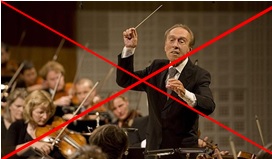
 Atrás ya quedo el Director de Proyectos visto como un Director de Orquesta, donde su principal función era indicar en qué momento era la entrada o salida de cada especialista del proyecto con el fin de armonizar al equipo, visto como un líder con el cuál la orquesta se siente segura y tranquila, siendo la persona que siempre debía dar la solución y enfrentar los problemas directamente.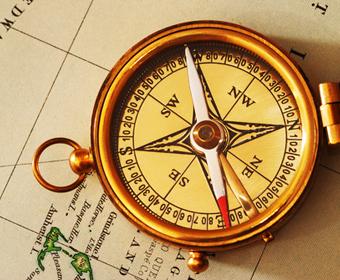



Guessing is not a strategy: How to build decision velocity with AI and real-time data
June 10, 2026 | Live Webinar

Agile, Artificial Intelligence, Benefits Realization, Business Intelligence, Certification, Cost Management, COSTO, Decision Making, Director de Proyecto, Director de Proyectos, Diversity, Energy and Utilities, Estimating, Estrategias, Ethics, Gestión, Governance, Government, IA, Innovation, Integration Management, Leadership, Legal Project Management, Management, management, New Practitioners, Organizational Culture, Organizational Project Management, PMO, PMO, PMO, PMO, Portfolio Management, Program Management, project culture, project management, project manager, recursos, Resource Management, RIESGO, Scope Management, Scrum, SOFT SKILL, Strategy, Sustainability, Teams, trends, Utility, Virtual Project Management


| En mi post anterior comenzamos a conversar el ¿Por qué? y ¿Para qué? utilizar las buenas prácticas, así que vamos a retomar el tema y continuaremos con las siguientes área de conocimiento. ¿Por qué y para qué hacemos la gestión de cronograma? La gestión del cronograma es una parte crítica en los proyectos y el tiempo una de las variables con mayor atención en el desarrollo del mismo. Dado lo antes indicados la gestión de cronograma se realiza por: 1. Nos permite conocer las tareas del proyecto, partiendo de la EDT al realizar el proceso de desgloce de las tareas y determinar específicamente que se debe hacer. 2. Nor permite conocer las secuencias de las tareas, cuando una tarea debe realizarse, si la misma depender de uan o varias tareas previas, y que debe estar listo para seguir desarrollando. 3. Junto con el área de conocimiento de gestión de recursos, nos ayuda a saber que recursos se necesita para completar cada tarea, este razón para mi es crítica, dado que muchas veces definidos duración de una tarea sin saber específicamente que recursos tenemos disponible para el desarrollo de la misma. La duración y costo de una tarea es directamente proporcional a la cantidad de recursos que se tenga para ella. 4. Nos permite conocer la duración de cada actividad, que sumado a los recursos y secuencia antes indicados nos define una ruta bien detallado de lo que se debe realizar en el proyecto, cuando y cuanto tiempo. 5. Nos permite hacer seguimiento de los avances del proyecto ya sea con indicadores como porcentaje de avance del cronograma, índice de desempeño del cronograma, schedule variance or SPI, dándonos una visión clara de como va avanzando el proyecto y que tarea se está retrasando. 6. Nos permite identificar en que tarea plantear un plan de acción específico para logar que el proyecto se mantenga en el mismo tiempo de entrega. 7. También nos ayuda a pronosticar, y esto es muy útil para poder anticiparnos en acciones y riesgos.
¿Por qué y para qué hacemos la gestión de costo? Otro de los recursos indispensables es el dinero, algunos proyectos no culminan por la facta de liquidez en el mismo o por retrasos en pagos. Es por ello que la gestión de costo sirve para: 1. Si se realiza la estimación del presupuesto de manera ascendete partiendo desde el costos de cada tarea, nos permite conocer los recursos económicos que se requieren por tareas y su control específico. 2. Conocer de antemano el presupuesto requerido para todo el proyecto, incluyendo las reserva de contigencia (para atención de los planes de contingencia de riesgos conocidos) y la reserva de gestión (para imprevistos) y verificar que esté de acuerdo con lo objetivos del proyecto y de organización. 3. Permite definir el flujo de caja requerido durante todo el ciclo de vida del proyecto y definir la necesidad de financiamiento en caso de ser necesario en el periodo adecuado. 4. Al igual que el cronograma nos ayuda a hacer seguimiento de los avances del proyecto ya sea con indicadores como porcentaje de avance del costo, índice de desempeño del costo, coste variance or CPI, dándonos una visión clara de como va avanzando el proyecto en le tema de costos incurridos y que tarea fue más costosa de lo planificado. 5.Nos ayuda a tener acciones oportunas, si una tarea se tuvo que gastar más de lo planificaco inicialmente, es posible buscar ajustes en tareas futuras para mantener el presupuesto del proyecto.
¿Por qué y para qué hacemos la gestión de calidad? La gestión de calidad no es solo un tema de un punto en el ciclo de vida del proyecto, sino que durante todo el ciclo de vida, por la siguientes razones: 1. Permite asegurar en su planificación los recursos que se necesitan para el aseguramiento y el control de calidad. 2. Permite verificar el cumplimiento los procesos de la gestión de proyectos (la planificación) al momento de realizar el seguramiento de calidad, normalmente con auditoría. Esto permite verificar que todos en el proyecto esté realizando lo que se planificó y como se planificó. 3. Evita que los productos o servicios se entreguen fuera de las especificaciones solicitadas, esto por medio del control de calidad, al verificar que se cumpla con la requerimiento levantados en gestión de alcance por cada producto o servicio. 4. Reducir costos de no calidad, evitando que se tengan que realizar retrabajos en productos o servicios entregados. 5. Permite a los equipos de proyectos realizar mejoras continuas a los procesos de gestión de proyectos. 6. Ayuda a aumentar la satisfacción del cliente a validar que se está entregando lo que el cliente deseaba desde el principio, Continuaremos con las siguientes áreas de conocimiento y esta véz trataremos que no sea muy lejano el siguiente post. Además te invito a escribir en los comentarios si tienes alguna otra razón por la que desarrollamos las buenas prácticas en estás áreas de conocimiento.
English version. In my previous post we started talking about why? And for what? use good practices, so we will return to the topic and continue with the following areas of knowledge. Why and for what do we do schedule management? Schedule management is a critical part of projects and time is one of the variables with the greatest attention in its development. Given the above, the schedule management is carried out by: 1. It allows us to know the tasks of the project, starting from the WBS when carrying out the task breakdown process and specifically determining what must be done. 2. Nor allows to know the sequences of the tasks, when a task must be carried out, if it will depend on one or several previous tasks, and that it must be ready to continue developing. 3. Together with the area of knowledge of resource management, it helps us to know what resources are needed to complete each task, this reason for me is critical, since many times the duration of a task is defined without knowing specifically what resources we have available for the development of it. The duration and cost of a task is directly proportional to the amount of resources that are available for it. 4. It allows us to know the duration of each activity, which, added to the resources and sequence indicated above, defines a well-detailed route of what must be done in the project, when and for how long. 5. It allows us to monitor the progress of the project either with indicators such as schedule progress percentage, schedule performance index, schedule variance or SPI, giving us a clear vision of how the project is progressing and what task is being delayed. 6. It allows us to identify which task to propose a specific action plan to ensure that the project is maintained within the same delivery time. 7. It also helps us to forecast, and this is very useful to be able to anticipate actions and risks. Why and for what do we do cost management? Another of the indispensable resources is money, some projects do not culminate due to the fact of liquidity in it or due to delays in payments. That is why cost management serves to: 1. If the estimate of the budget is carried out in an ascending manner starting from the costs of each task, it allows us to know the economic resources that are required by tasks and their specific control. 2. Know in advance the budget required for the entire project, including the contingency reserve (for attention to contingency plans for known risks) and the management reserve (for contingencies) and verify that it is in accordance with the project objectives and organization. 3. It allows defining the required cash flow throughout the project's life cycle and defining the need for financing if necessary in the appropriate period. 4. Just like the schedule, it helps us to monitor the progress of the project, either with indicators such as cost progress percentage, cost performance index, cost variance or CPI, giving us a clear vision of how the project is progressing in The topic of costs incurred and which task was more expensive than planned. 5. It helps us to have timely actions, if a task had to spend more than initially planned, it is possible to look for adjustments in future tasks to maintain the project budget. Why and for what do we do quality management? Quality management is not just an issue at one point in the project life cycle, but throughout the entire life cycle, for the following reasons: 1. It allows to ensure in its planning the resources that are needed for quality assurance and control. 2. It allows verifying compliance with project management processes (planning) at the time of quality assurance, normally with an audit. This allows you to verify that everyone in the project is doing what was planned and as planned. 3. Prevents products or services from being delivered outside of the requested specifications, this through quality control, by verifying that the requirement raised in scope management for each product or service is met. 4. Reduce non-quality costs, avoiding having to perform rework on products or services delivered. 5. Allows project teams to make continuous improvements to project management processes. 6. Helps increase customer satisfaction by validating that you are delivering what the customer wanted all along, We will continue with the following areas of knowledge and this time we will try not to make the next post too far away. I also invite you to write in the comments if you have any other reason why we develop good practices in these areas of knowledge. |
| Desde mi punto de vista cuando comenzamos a aprender algo nuevo lo primero que preguntamos es ¿Qué tengo que hacer?; aprendemos los pasos que debo seguir, contamos con alguien que nos enseña y acompañe a seguir los pasos, pero llega un momento en que deseamos saber ¿Por qué? lo hago. Conocer el POR QUÉ nos permitirá estar más motivados en hacerlo y conocer los beneficios que se pueden lograr y en algunos casos incluso encontrar puntos de mejora. Es por ello por lo que voy a comenzar una serie de publicaciones donde pueda presentar el ¿POR QUÉ? debemos implementar las buenas prácticas de cada una de las áreas de conocimiento en nuestros proyectos. ¿Por qué y para qué hacemos la gestión de interesados?
¿Por qué y para qué hacemos la gestión de alcance?
Continuaremos con las siguientes áreas de conocimiento y deja tus comentarios si tienes alguna otra razón por la que desarrollamos las buenas prácticas en estás áreas de conocimiento. English version. From my point of view, when we start to learn something new, the first thing we ask is what do I have to do? we learn the steps that I must follow, we have someone to teach us and accompany us to follow the steps, but there comes a time when we want to know why do I do?. Knowing the WHY will allow us to be more motivated to do so and to know the benefits that can be achieved and in some cases even find areas for improvement. That is why I am going to start a series of publications where I can present the WHY? we must implement the good practices of each of the areas of knowledge in our projects.
Why and for what do we do scope management? We will continue with the following areas of knowledge and leave your comments if you have any other reason why we develop good practices in these areas of knowledge. |
| Definitivamente muy pocos Directores de Proyectos logramos identificar adecuadamente el impacto del virus COVID-19. En América Latina se veía como un evento muy lejano y que tardaría mucho en llegar. Por lo tanto, existió un supuesto que tendríamos tiempo para reaccionar, pero…. … nada más lejos de la realidad, el cambio fue muy brusco, en menos de 2 semanas la mayoría nos encontrábamos tratando de realizar teletrabajo, los negocios y actividades comerciales rápidamente tuvieron que cerrar sus instalaciones, los clientes en algunos proyectos no críticos en esta pandemia fueron suspendidos y ahora llevamos más de 3 semanas en cuarentena y con limitaciones de movilidad.
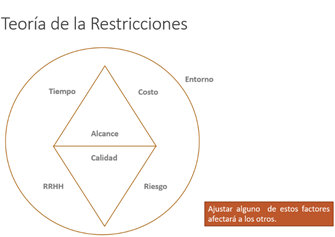
El concepto más claro de la teoría de restricción. Donde el entorno cambió de manera drástica e impactó en algún grado a cada uno de los proyectos existentes. Las preguntas en este momento son: ¿dónde se encuentran los Directores de Proyectos?, ¿qué están haciendo en esta crisis?, ¿qué sucedió con los proyectos?, ¿en tiempo de crisis todo desaparece? La realidad es que hoy más que nunca los Directores de Proyectos se encuentran allí.
Desde mi punto de vista, la vida es proyectizada, todo lo que hacemos se puede gestionar como un proyecto y por ello todos somos directores de proyectos. Es por eso, que nos encontramos en todos lados, realizando las gestiones que mas se puedan para cumplir con éxito nuestros proyectos en cualquier instancia y sobre todo cuidando de nuestro equipo, que puede ser nuestros colaboradores, nuestros clientes, nuestra familia y nosotros mismos. Sigamos con fuerza y recordemos las buenas prácticas de dirección de proyectos las cuales podemos usar en estos momentos para reducir la pérdida de recursos y maximizar el éxito de los proyectos que estemos viviendo.
English Version Definitely very few Project Directors managed to adequately identify the impact of the COVID-19 virus. In Latin America it was seen as a very distant event that would take a long time to arrive. Therefore, there was an assumption that we would have time to react, but…. ... nothing further from reality, the change was very abrupt, in less than 2 weeks most of us were trying to telework, businesses and commercial activities quickly had to close their facilities, clients in some non-critical projects in this pandemic They were suspended and now we have been in quarantine for more than 3 weeks and with mobility limitations.
The clearest concept of constraint theory. Where the environment changed dramatically and impacted to some degree each of the existing projects. The questions now are: where are the Project Directors? What are they doing in this crisis? What happened to the projects?. In times of crisis everything disappears? The reality is that today more than ever Project Managers are there. - There is a large group of project managers in which, the change in environment did not stop the projects, but rather accelerated them, the time to market was shortened and working hours increased, adding to the difficulties of mobilization we found one more limitation, the team. The Project Director's work should not only be based on the development of activities but also on the care of his collaborators, and where many are using the following tools: o Perform fast tracking and crashing to speed up the delivery of activities. o Redefine the priorities and the minimum viable product, to shorten the time of putting the product on the market. o Make use of soft skills tools to empathize with your collaborators and seek a balance between deliveries and their well-being. It must be remembered that only the work team will ensure that the projects are fulfilled, and it is necessary to keep the team together and monitor the status of each one. - In the second instance there are projects that have been suspended, in this scenario there are also the Project Directors, especially looking for the solution of how to return to activities, how to get their team to have work in the following days. Here the tools they are using are: o Focus on current customer needs. o Use a business approach. o Caring for your team in these times of need is the best way to achieve commitment. - In the third instance are the Project Directors who are in the entities with the most work now, such as health, sanitation, security, food, etc. Although this is their daily activity, surely the over-demand means that many project managers are working 200% in order to be able to maintain the necessary resources and logistics activities in operation. - In fourth instance are the families who are in their homes, maintaining the quarantine and helping without leaving. Some continue to work from their homes and others are limited to fully carry out their activities. And although many do not believe it, the Project Directors are also there, managing the resources they have and looking for the mechanisms to optimize them to meet the objective of quarantining and keeping their family safe and sound. From my point of view, life is projected, everything we do can be managed as a project and therefore we are all project managers. That is why, we are everywhere, making the most possible efforts to successfully complete our projects in any instance and above all taking care of our team, which can be our collaborators, our clients, our family and ourselves. Let's continue with strength and remember the good practices of project management which we can use now to reduce the loss of resources and maximize the success of the projects we are living. |
| El nuevo perfil del Director de Proyectos. Ya no va más un director de orquesta. Definitivamente el mundo de hoy tiene un comportamiento bastante acelerado y con actores en el mercado con otras cualidades y necesidades. Partiendo de mi experiencia en proyectos de transformación digital en los dos últimos años, así como considerando las tendencias en dirección de proyectos que nombré en mi blog anterior y que invito a que lo lean (https://www.projectmanagement.com/blog-post/50254/Tendencias-en-Direcci-n-de-Proyectos-para-el-a-o-2019---Trends-in-Project-Management-for-the-year-2019), todo indica que los negocios y los proyectos cada vez más entra en el mundo VUCA (siglas en ingles que significa: volátil, incierto, complejo y ambiguo), lo cual hace que el perfil del Director de Proyectos también se ajuste a las nuevas necesidades del mercado.
Donde su guía es importante para el desarrollo y culminación con éxito del producto y/o servicio final. Donde la planificación y acciones a seguir se basa mucho de la experiencia del director de proyecto o se sigue una partitura (planificación) rígida y muy predictiva. El mercado laboral ha cambiado, hoy en día existe un porcentaje alto de fuerza laboral millennials, donde sus principales características son: 1. Son nativos digitales 2. Tienen mayor capacidad multitarea 3. Están más y mejor preparados 4. Son hijos de la globalización 5. Son menos conformistas Este mercado millennials al no ser conformistas y estar mejor preparados, no buscan en los trabajos jefes que les den ordenes y/o indicaciones; buscan retos, buscan crecer, buscan tener oportunidades de aportar y buscan ser considerados en la toma de decisiones. Todo este entorno y perfil del mercado laboral hace que el Director de Proyecto también cambie su estrategia de trabajo, ya no se ve como un director de orquesta, sino como una BRUJULA. No se aparta de lo básico y siempre necesario de un Director de Proyectos, pero si debe contar con otras habilidades y comportamientos necesarios en este entorno. Los nuevos comportamientos que creo que debe tener un Director de Proyectos en este nuevo entorno son: 1. Ser un priorizador. Una de las funciones principales del Director de Proyectos hoy en día es priorizar las actividades a los colaboradores, dar ese norte que necesita el colaborar en momentos en los cuales tiene varias acciones que hacer. Ya no se le dice que hacer, sino cuál es la prioridad y el colaborar si siente más a gusto para poder tomar las decisiones y acciones de acuerdo con esa prioridad. 2. Ser un Servant Leader, es decir, un líder basado en el servicio. Ya no se busca ser un líder guía, fuerte, luchador; las cuales son buenas cualidades, pero hoy en día se busca ser un líder servicial, donde su principal función es eliminar los bloqueantes que puedan tener los colaboradores y que no le permitan realizar sus funciones de la manera adecuada. En segunda instancia queda la pregunta ¿Cómo van?, ahora la principal pregunta es ¿En qué puedo colaborar? ¿Qué bloqueante tienes? 3. Ser un desarrollar de colaboradores, aunque este no es un tema nuevo se vuelve más crítico en un ambiente donde los colabores desean crecer de manera exponencial, donde estar en lo mismo en periodos continuos los aburre y buscan nuevos rumbos. Un director de proyectos debe siempre buscar mecanismos de crecimiento para sus colaboradores, ellos crecen… todos crecemos. 4. Ser un desarrollar de autonomía, cada vez más los equipos tendrán una mayor autonomía, como células vivas y auto organizadas. Si bien la autonomía permite que los colaboradores participen en la toma de decisiones, la misma debe ser desarrollada de una manera controlada y teniendo en claro el norte completo del equipo y proyecto. Creo firmemente que debe existir una planificación macro y desarrollo autónomos, cuyo alcance de autonomía dependerá del tipo de proyecto. 5. Ser un padre, debe alejarse, creo que es lo más difícil, uno que está acostumbrado a estar siempre en la toma de decisiones, debe aprender a dar el espacio suficiente para que el equipo pueda aplicar nuevas ideas, temas de innovación, business intelligence, inteligencia artificial, etc. Acá hago un símil como si uno fuera un padre, aunque nos gustaría tomar todas las decisiones de nuestros hijos, para evitar que sufran daño, es necesario permitir que ellos mismos tomen sus decisiones y en muchos casos son mejores que las que nosotros hubiésemos tomados. Este enfoque del nuevo perfil del Director de Proyecto es independiente del acercamiento que se desea dar a la gestión del proyecto, ya sea más ágil o predictivo, el director de proyecto seguirá siendo una parte fundamental de los mismos, pero debe también aprender a desarrollar al equipo y así desarrollarse a sí mismo. El director de Proyecto es una brújula, siempre necesario para mantener el norte, pero no indispensable para dar un paso.
English Version. The new profile of the Project Director. It is no longer going to be like an Orchestra Director. Definitely the world today has a fairly fast behavior and with actors in the market with other qualities and needs. Based on my experience in digital transformation projects in the last two years, as well as considering the trends in project management that I named in my previous blog and that I invite you to read (https://www.projectmanagement.com/blog- post / 50254 / Trends-in-Project-Direction-for-the-year-2019 --- Trends-in-Project-Management-for-the-year-2019), everything indicates that business and Projects increasingly enters the world VUCA (acronym in English meaning: volatile, uncertain, complex and ambiguous), which makes the profile of the Project Manager also meets the new market needs. Back already the Project Director was seen as an Orchestra Director, where his main function was to indicate at what time was the entrance or exit of each project specialist in order to harmonize the team, seen as a leader with which the orchestra She feels safe and calm, being the person who should always give the solution and face the problems directly. Where your guide is important for the development and successful completion of the product and / or final service. Where the planning and actions to be followed is based a lot on the experience of the project manager or a rigid and highly predictive score (planning) is followed. The labor market has changed, today there is a high percentage of millennials labor force, where its main characteristics are: 1. They are digital natives 2. They have a greater ability to multitask 3. They are more and better prepared 4. They are children of globalization 5. They are less conformist This market millennials not to be conformist and be better prepared, do not look for in the chief works that give them orders and / or indications; They look for challenges, seek to grow, seek opportunities to contribute and seek to be considered in decision making. All this environment and profile of the labor market makes the Project Manager also change his work strategy, he no longer looks like an orqueta director, but as a COMPASS. It does not depart from the basic and always necessary of a Project Director, but must have other skills and behaviors necessary in this environment. The new behaviors that I believe a Project Director should have in this new environment are: 1. Be a priority. One of the main functions of the Project Manager today is to prioritize the activities to the collaborators, to give that north that he needs to collaborate in moments in which he has several actions to do. He is no longer told what to do, but what is the priority and collaborate if he feels more at ease to be able to make decisions and actions in accordance with that priority. 2. Being a Servant Leader, that is, a leader based on the service. It is no longer sought to be a leader leader, strong, fighter; which are good qualities, but today seeks to be a servant leader, where its main function is to eliminate blockers that may have collaborators and not allow him to perform their duties in the right way. In the second instance, the question remains: How are they going? Now the main question is: How can I collaborate? What blocker do you have? 3. Being a collaborator, although this is not a new topic, becomes more critical in an environment where collaborators want to grow exponentially, where being in the same in continuous periods bores them and they look for new directions. A project manager must always look for growth mechanisms for their collaborators, they grow ... we all grow. 4. Being a development of autonomy, more and more teams will have greater autonomy, as living cells and self-organized. Although autonomy allows collaborators to participate in decision-making, it must be developed in a controlled manner and keeping in mind the complete north of the team and project. I firmly believe that there must be autonomous macro planning and development, whose scope of autonomy will depend on the type of project. 5. Being a father, must move away, I think it is the most difficult, one that is used to being always in decision making, must learn to give enough space for the team to apply new ideas, innovation topics, business intelligence, artificial intelligence, etc. Here I make a simile as if one were a father, although we would like to make all the decisions of our children, to avoid that they suffer damage, it is necessary to allow them to make their own decisions and in many cases they are better than what we would have taken. This approach of the new profile of the Project Director is independent of the approach that one wishes to give to the management of the project, be it more agile or predictive, the project manager will continue to be a fundamental part of them, but he must also learn to develop the team and thus develop itself. The project director is a compass, always necessary to maintain the north, but not indispensable for him to take a step. |
| Para el año 2019, de acuerdo al informe de La Comisión Económica para América Latina y el Caribe (Cepal) presentado el 20 de diciembre del 2018, se espera un crecimiento económico del 0.9% para Ecuador y del 1.7% para toda la región. Esta proyección en el entorno económico permite prever que no habría un repunte de grandes proyectos en nuestro país. Sin embargo, a lo antes indicado, es claro que los proyectos son el único mecanismo que pueden producir los cambios que nuestra sociedad y empresas necesitan y por otro lado que nuestra cultura de proyectos se encuentra retrasada con nuestros vecinos Colombia y Perú en al menos 15 años. En el año 2019, Ecuador ya cuenta con dos Capítulos oficiales del Project Management Institute – PMI®, lo cuál catalizará la cultura de Dirección de Proyectos y la profesión del Director de Proyecto en todo el país. De acuerdo a lo antes indicado las cuatro principales tendencias que estarán en nuestro país son:
Al igual que la tendencia a nivel mundial, las habilidades blandas serán un nuevo foco de atención en las capacitaciones. Conceptos con Servant Leadership (liderazgo basado en el servicio), comunicación efectiva, trabajo en equipo, serán principales necesidades de capacitación.
De la mano de la transformación digital que algunos segmentos económicos han comenzado a incursionar en el 2018, tendremos cada vez más entornos ágiles con las principales opciones mundiales antes presentadas.
De acuerdo con estadística del PMI® en Ecuador menos del 0.1% del total de la población cuentan con alguna de su certificación internacional en Dirección de Proyectos. Se espera que en el 2019 este número comience a crecer de manera exponencial alineado a las tendencias mundiales de profesionalismo, rol estratégico que los Directores de Proyectos y en sí la cultura de Dirección de Proyectos está obteniendo.
La importancia de las métricas es cada vez más clara en Ecuador, la falta de estadística e información sobre los proyectos de una empresa, segmento de mercado y del mismo Ecuador nos está llevando a la necesidad de contar cada vez con mejores herramientas de registro y gestión de Proyectos. La presencia de Plataformas de Gestión de Proyectos, PPM (Portafolio and Project Management), para llevar todas las métricas que se presenten durante todo el ciclo de vida del proyecto, programa y/o portafolio de la empresa, serán clave en el 2019.
De acuerdo a la encuesta mundial realizado por el PMI® en el 2018, aquellas empresas que tienen un bajo nivel de madurez en Dirección de Proyectos, sólo el 56% de la gestión de sus proyectos cumplen con los objetivos planteados. De allí la importancia de invertir en el desarrollo de cultura, conocimiento, herramientas y sistemas en gestión de proyectos que permitan mejorar el desarrollo de los proyectos durante todo su ciclo de vida, siendo eficientes con los recursos y ampliando los beneficios que la empresa pueden lograr con una correcta gestión y desarrollo de los mismos. Una vez más deseo enfatizar que no existe una manera lineal del desarrollo de la Dirección de Proyectos, pero el conocer de estas tendencias mundiales y locales nos van a permitir prepararnos para el futuro.
English Version
Trends in Project Management for the year 2019 In Ecuador what? For the year 2019, according to the report of the Economic Commission for Latin America and the Caribbean (ECLAC), presented on December 20, 2018, an economic growth of 0.9% is expected for Ecuador and 1.7% for the entire region. This projection in the economic environment allows us to foresee that there would not be a rebound of major projects in our country. However, as indicated above, it is clear that projects are the only mechanism that can produce the changes that our society and companies need and on the other hand that our project culture is delayed with our neighbors Colombia and Peru in at least 15 years. In 2019, Ecuador already has two official Chapters of the Project Management Institute - PMI®, which will catalyze the Project Management culture and the profession of the Project Director throughout the country. According to the above, the four main trends that will be in our country are: 1. Emphasis on soft skills - "SoftSkills". Like the global trend, soft skills will be a new focus of training. Concepts with Servant Leadership (service-based leadership), effective communication, teamwork, will be the main training needs. 2. Increase in agile environments. Hand in hand with the digital transformation that some economic segments have begun to venture into in 2018, we will have more and more agile environments with the main global options previously presented. 3. Increase in professionalism and International Certification. According to PMI® statistics in Ecuador less than 0.1% of the total population have any of their international certification in Project Management. It is expected that in 2019 this number will begin to grow exponentially in line with the global trends of professionalism, a strategic role that Project Managers and the Project Management culture itself is obtaining. 4. Increase in the use of metrics in projects - Project Management Platforms The importance of metrics is increasingly clear in Ecuador, the lack of statistics and information on the projects of a company, market segment and Ecuador itself is leading to the need to have increasingly better registration and management tools of Projects. The presence of Project Management Platforms, PPM (Portfolio and Project Management), to bring all the metrics that are presented throughout the life cycle of the project, program and / or portfolio of the company, will be key in 2019.
According to the global survey conducted by the PMI® in 2018, those companies that have a low level of maturity in Project Management, only 56% of the management of their projects meet the objectives set. Hence the importance of investing in the development of culture, knowledge, tools and systems in project management to improve the development of projects throughout their life cycle, being efficient with resources and expanding the benefits that the company can achieve with proper management and development of them. Once again I want to emphasize that there is no linear way of the development of Project Management, but knowing these global and local trends will allow us to prepare for the future. |
|
"A jury consists of 12 persons chosen to decide who has the better lawyer." - Robert Frost |