No Cranberries for YOU! (Part 1 of 2)


|
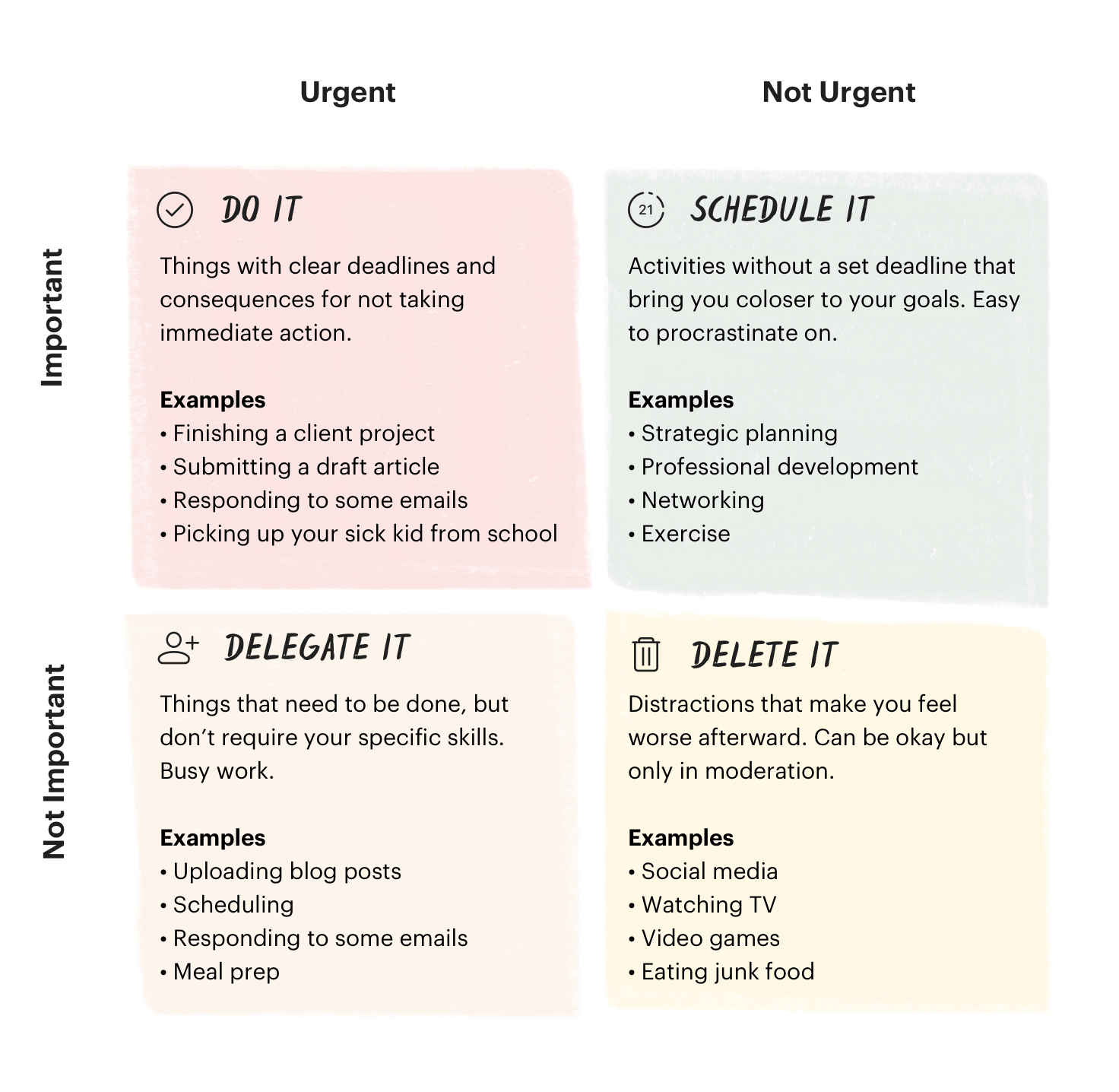
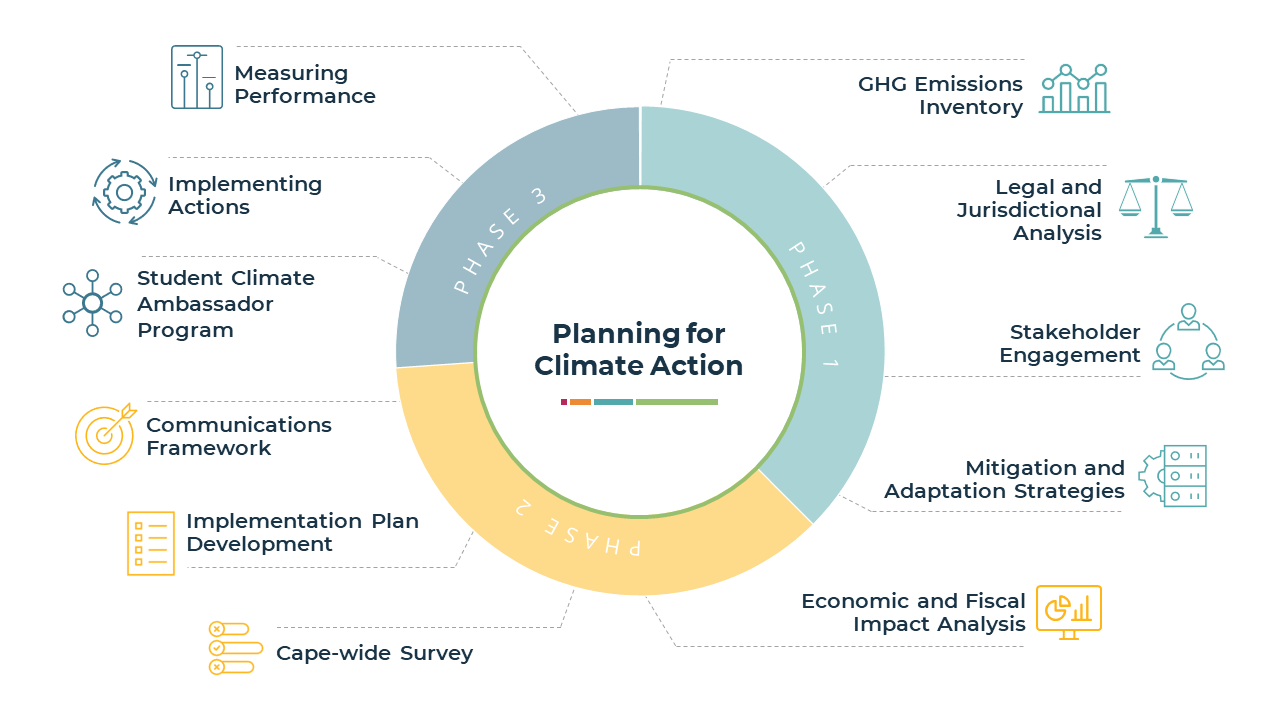
I am sharing my reaction to this article from the Cape Cod Times which paints a not-so-pretty picture of the future of the ecology (and economy) of Cape Cod. The article, “Cape Official: A Sense of Urgency” is particularly interesting to PMs because of the sub headline “Commission Plan Maps Out How To Take Action On Climate Change”. A plan to take action? An initiative to accomplish a valuable deliverable that is urgent and bound by a schedule? Sounds like project management to me! The trigger for this story and the ‘sense of urgency’ in the article’s title is the current and expected effect (or impact) of climate change. Although the changes in temperature are in line with the (fairly scary) prediction of the climate scientists, the impacts of climate change are proving to be larger and more far-reaching than the predictions. The Cape Cod Commission this week released its action report. But before we get to that, let’s talk about these impacts. The head of the commission, Kristy Senatori, says, “Our economy is based on the environment. Making sure we get ahead of this climate crisis is extremely important”. I thought this a good chance to take a slight tangent and bring up the Eisenhower Matrix which plots importance and urgency. It’s actually a good tool for project managers to use for sorting out their issues. Here’s an excellent article on the Eisenhower Matrix and below an image from it.
Image from https://todoist.com/productivity-methods/eisenhower-matrix The concept is pretty simple: the items that are urgent and important (in the upper-left corner here) are the ones you need to work on now – or they will create BIGGER, more dangerous problems in the future – like picking up a sick kid from school – or not dealing with the contributors to climate change NOW. As to the Cape Cod Commission report, I found it to be very well-prepared and hopefully actionable. I’ve decided to break this into two parts because there are several good PM lessons from this initiative. For now, I’d like to point you to this work, giving you a chance to have a look at it before Part 2 of this post is published (in about a week), and tease out the rationale for the title of this post.
I also summarize the purpose statement of the Action Plan below: PURPOSE STATEMENT To identify, study and monitor the causes and consequences of climate change on Cape Cod as a basis to guide and develop science-based policies, strategies and actions that governments, businesses, organizations, and individuals can pursue to:
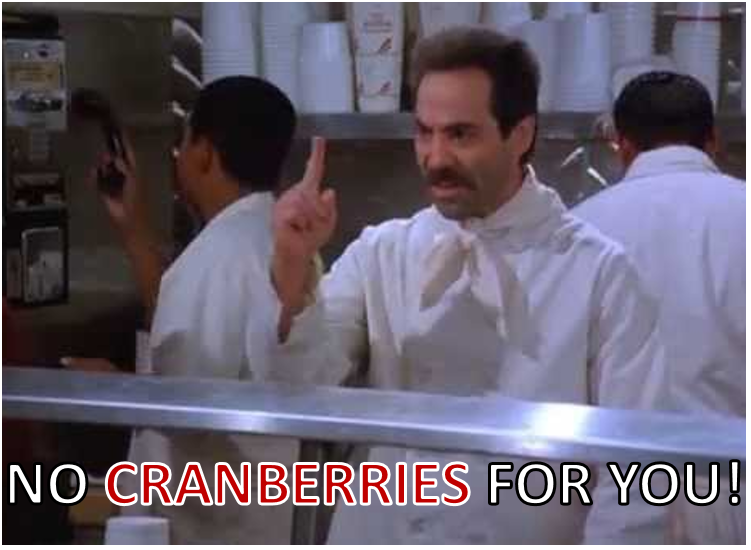
The full, 129-page Technical Report can be downloaded here, and a 14-page Executive Report can be found here. And now, finally, an explainer of the title. For those of you familiar with the very popular US comedy show “Seinfeld”, I don’t have to tell you much about the recurring “No Soup For You” theme in that show. For those who aren’t familiar with it, you can find all of the details here. The bottom line is that the characters in the show had to be very careful in this restaurant because of the delicate sensitivities of the chef, or to no longer have access to his delicious soup. In our case – we have to be very careful in our delicate Cape Cod environment, or lose (for example) those tasty Cape Cod cranberries – and the industry and jobs that they support - as you will see in Part 2. |
Value-able
Categories:
7th Edition
Categories: 7th Edition
|
This is going to be a short blog post, because your time is valuable. I am going to send you to not one, but two valuable videos just contributed by folks I admire: Ricardo Vargas, and Nader Rad, core team contributors to the PMBOK® Guide 7th edition. Each will walk you through the new Guide and Standard, with valuable insight. The connection to value here is no coincidence. I also was one of about 70 reviewers of the document and submitted scores of changes, and I’m pleased and proud to see that they appeared to have made a difference. Clearly (at least to me) there is now a solid encouragement for project managers to consider their project more holistically, in a larger context, and importantly, to look past the end of their project – in the longer term. There is revolutionary feel to this – moving from outputs to outcomes, considering benefits over time: which is (in my mind) the definition of project value delivery. And in fact, “Value” is one of the 12 Principles which form the basis for the Standard for Project Management. Do me (and yourself) a favor. Please take some more of your valuable time to watch at least one of these, and I would value any comments you may have.
Ricardo Vargas
Nader Rad
|
Stubborn Optimism
|
In my last post I discussed things you can do – perhaps in your own home – to reduce the use of plastics. You can take those initiatives to a higher level by looking for such reductions in your projects and programs. Can this be taken to an even higher level – for example, your enterprise? Actually, yes it can. But it goes beyond plastics. Here’s one way that you as an individual can produce an enterprise-level outcome. It has to do with a pledge and with something called “stubborn optimism”. In fact, let’s start there, with a very nice, short video by Christiana Figueres, whom I have blogged about on People, Planet, Profits and Projects before. It’s short, informative and quite interesting background: I mention “Stubborn Optimism” because it is at the heart of the organization “Global Optimism”, which in turn is the partner for something called The Climate Pledge. The Climate Pledge, as summarized by this article in The Verge, is a call to businesses and organizations to take collective action on the world’s greatest crisis and to work together to build towards a safe and healthy planet for the next generations. The Climate Pledge was co-founded by Amazon's Jeff Bezos with Global Optimism in 2019. The Climate Pledge is a platform for signatories to work together on ambitious actions to achieve net zero carbon emissions by 2040, 10 years ahead of the Paris Agreement. There is a lot of good (who would expect anything else from an organization with Optimism In their name) on the Global Optimism site, I encourage you to have a look at. For example, on their Events page, they state: “Achieving a zero emissions future is not a far-off challenge. It’s one we must get on track for now. Science demands that we cut global greenhouse gas emissions by half in the decade between 2020 and 2030, in order to eventually meet the goal of net zero emissions by 2050 at the latest. This goal was adopted by 195 countries through the Paris Agreement. It is now the responsibility of all of us to act with the courage, urgency and solidarity to build the transformative solutions to thrive now and in the future. We work with like-minded people and collectives from all sectors, investing in the steps required to be on this challenging – and life-affirming – journey.” Also on their Events page, you will find some high-quality podcasts including: So there are some excellent resources for you. But let’s get back to the Climate Pledge. The commitments of the signatories of the Climate Change:
A quick perusal revealed these enterprises were indeed on the list:
Is your organization on the list? Check it here: https://www.theclimatepledge.com/us/en/Signatories
Either way, you have more “sway” than you think.
|
Your plastic footprint
|
This blog is usually about big things, like converting oil rigs to reefs, or aligning projects and programs with the UN Sustainable Development Goals (SDGs). This time it’s about you. In particular, it’s about your feet. Well, not really your feet, literally, but your plastic footprint, and some personal, small projects that can help you reduce your plastic impact. I came across a fantastic article (paired with a podcast from NPR’s Life Kit) which you can read – and play – from this link. You will find a 24-minute audio clip right there, and/or you can read the article, entitled: The Plastic Problem Isn't Your Fault, But You Can Be Part Of The Solution. From my experience, most project managers are problem solvers and love to be part of a solution – so, read on. The United States was responsible for more plastic trash than any country in the world, says the article, that's millions and millions of tons of plastic waste. Per capita, that boils down to nearly 300 pounds of plastic trash per person(!) per year. In summary, because you can derive the steps and background from the article, it’s about 6 steps, which are only slightly dependent on each other, in fact much of it can be done in parallel, some of which are intended to be ongoing (so not really a project, but a steady-state operation). The six steps are:
I expand these below in outline form:
And finally (this is not one of the six steps, but it’s still important): Don’t beat yourself up over this. Do what you can, but realize that you are but one pair of plastic footprints.
|


The Fifth International Crime is...
|
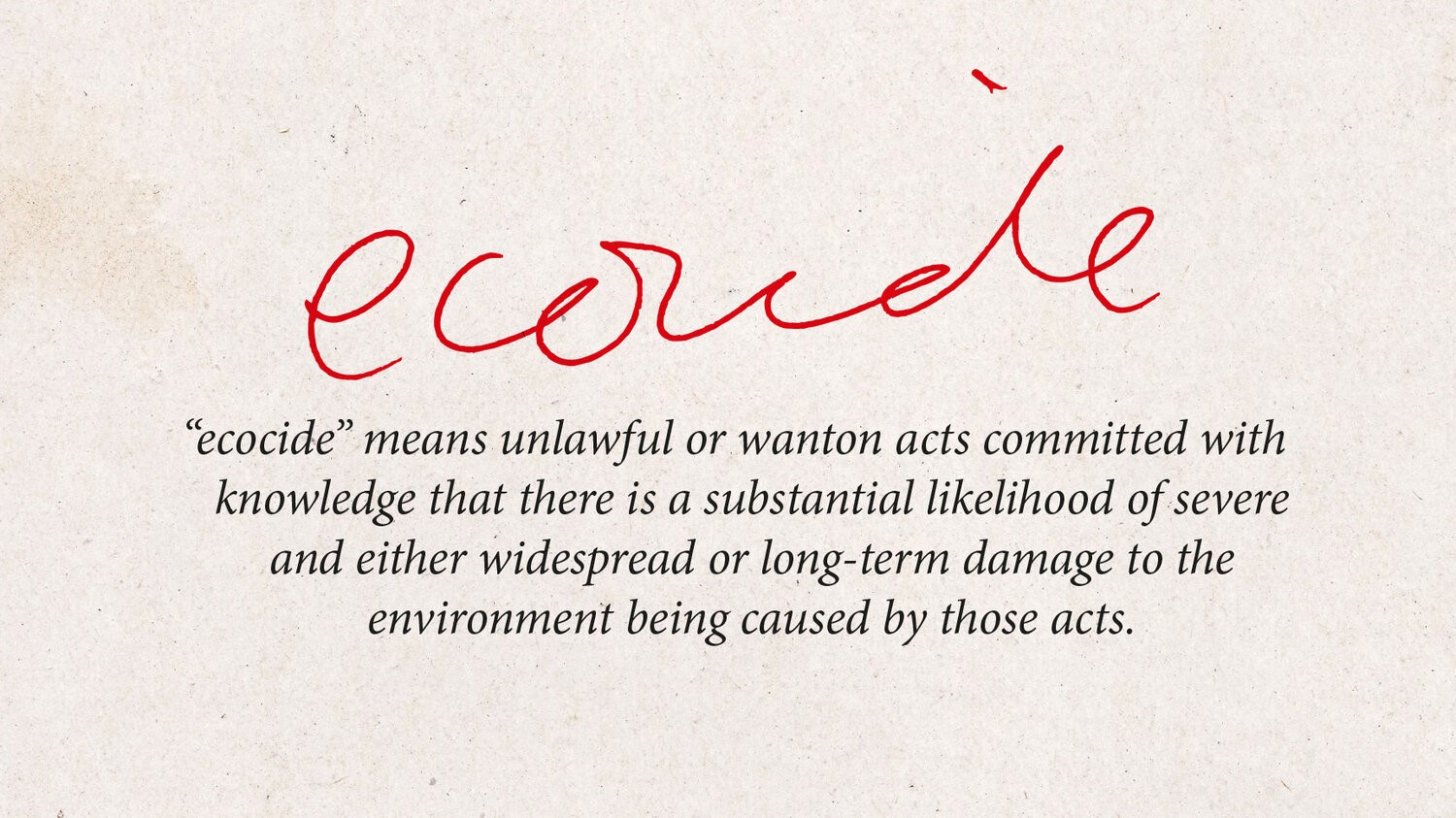
Did you know that there are currently four core international crimes dealt with by the Rome Statute of the International Criminal Court? They are: genocide, war crimes, crimes against humanity, and the crime of aggression. You can read about these four core international crimes (and examples) here. Soon there may be five. An article on this topic, with the curious title: “How 165 Words Could Make Mass Environmental Destruction An International Crime”, from the USA’s National Public Radio website, caught my eye. So what is this 5th Crime? Have you ever heard the word ecocide? Well, that’s it. That is possibly going to become that 5th international crime. Here’s the definition of ecocide:
Image from https://www.stopecocide.earth/expert-drafting-panel
Just this month, an Expert Drafting Panel (see this link for detail) drafted a 165-word statement that would add ecocide as the fifth international crime. Who is this “Expert Drafting Panel”? From the Ecocide Law webpage: The panel was convened by the Stop Ecocide Foundation on the request of interested parliamentarians from the governing parties in Sweden. Expert advice was solicited and a public consultation took place in early 2021 attracting hundreds of responses from legal, political, economic, youth, faith and indigenous perspectives from around the world. All of this material fed into the panel’s deliberations over six months. The panel comprised a mixture of renowned international criminal lawyers, environmental lawyers and legal scholars drawn from around the world, with a wide range of backgrounds and perspectives. The group reported in June 2021 with a core definition text in English and accompanying commentary. Although this seems like it’s something “new”, it’s not. From the NPR article: The intent to make ecocide an international crime isn't new. The idea was brought up by then-Swedish Prime Minister Olof Palme at the 1972 U.N. Conference on the Human Environment. In his speech, he warned that rapid industrial progress could deplete natural resources at unsustainable levels. But even before that biologist and bioethicist Arthur Galston used the word "ecocide" at the 1970 Conference on War and National Responsibility in Washington, D.C. So what are the 165 words? For the purpose of this Statute, “ecocide” means unlawful or wanton acts committed with knowledge that there is a substantial likelihood of severe and either widespread or long-term damage to the environment being caused by those acts. For the purpose of paragraph 1: a. “Wanton” means with reckless disregard for damage which would be clearly excessive in relation to the social and economic benefits anticipated; b. “Severe” means damage which involves very serious adverse changes, disruption or harm to any element of the environment, including grave impacts on human life or natural, cultural or economic resources; c. “Widespread” means damage which extends beyond a limited geographic area, crosses state boundaries, or is suffered by an entire ecosystem or species or a large number of human beings; d. “Long-term” means damage which is irreversible or which cannot be redressed through natural recovery within a reasonable period of time; e. “Environment” means the earth, its biosphere, cryosphere, lithosphere, hydrosphere and atmosphere, as well as outer space. Getting this completed so that the International Criminal Court includes it in the list of crimes is a project unto itself: The steps for getting this to be that 5th international crime:
You can download the full wording here: There is also much more about this here and here. Not everyone agrees. It’s worth listening to skepticism on this (having a variety of views is a good thing). Here are some skeptical thoughts about this from the International Commission of Jurists. I am not a lawyer, and some of this gets pretty geeky (in legal terms), but it is interesting to explore the legal analysis of these 165 words. http://opiniojuris.org/2021/06/23/skeptical-thoughts-on-the-proposed-crime-of-ecocide-that-isnt/ What’s the connection to project management and sustainability? Well, when it comes to responsibility in project management, we should act responsibly (in terms of environmental impact) because it’s the right thing to do. However, knowing that doing otherwise is an international crime – well that adds another whole layer of awareness, doesn’t it? |