Project Management

People, Planet, Profits & Projects

by ,

About this Blog

RSS

View Posts By:

Richard Maltzman
Dave Shirley

Recent Posts

A citrus fruit schools us on material science and project leadership (Part 2 of 2)

A citrus fruit schools us on material science and project leadership (Part 1 of 2)

Black Tape Over the Engine Light

Saving the Sahel (Part 1)

You Can't Get They-ah From Hee-yah

Categories

6th, 6th Edfition, 6th Edition PMBOK, 7th Edition, 7th Edition PMBOK, 8th Edition PMBOK, 8th Edition PMBOK Guide, Activism, actuarial, actuary, adapt, addition by subtraction, Africa, africa, agriculture, airforce, ajaita, Alaska, amazon, analogous, analytics, ancient, and more power, antarctica, anti-science, apple, apps, architecture, arctic, arrakis, Artificial Intelligence, asch paradigm, Assistant, asthma, astronomy, automobile, automotive, autonomous cars, b, bankhar, Banksy Crypto, basalt, baseball, bats, batter, beauty products, benefit, benefits, Benefits Realization, beyond epica, biases, bicycle, big data, big dfata, big dig, bike, biodiversity, biomedicine, birdhouse, blockchain, blood, blue blood, blue trees, bluefin, bluefin tuna, book review, boston, boston university, Boyce, Brazil, brazil, Breakdown Structures, BS, building, buildings, built environment, built environment, bumblebee, cake, capacitor, car, Carbon, carbon, carbon capture, carbon negative, carbon neutral, carbon pool, carbon sequestration, carbonate, careers, CEO, ChatGPT, chatGPT, chatgpt, chatgpt, chess, China, china, chopsticks, citrus, cli-fi, climate, climate change, climate resilience, climeworks, Clumsy, CO2, co2, CO2 Utilization, coalition, cobalt, coffee pods, cognition, cognitive, Collabortion, colombia, concrete, Conflict, construction 5.0, cool projects xyloscope, cooling, coral, corn, cost of good quality, cost of poor quality, cost of quality, crazy, criticism of project management, cryptocurrency, CSR, csr, data, data analytics, data privacy, datacenter, dataset, death spiral, Decision Making, decomposition, Defense and Climate, definition of a project, deforestation, dependencies, dependency, desert, DIKW, dikw, dimopoulos, disposal, dna, DOD, dogs, dolphins, dream, drilling, drink, dune, dune, dutch, early start, earth, eatlocal, eco-tourism, ecological, economic, economics, EKC, electric grid, electricity, electronics, elysis, embodied carbon, emerging technologies, empower, Energy, energy efficiency, environmental degradation, escalate, escalation, ESG, extreme weather, fallacy, FARC, farming, finance, fish, fish brains, fishing, fix, fixing the earth, flint water, Flint Water Supply, flood, flooding, Food supply chain, food waste, forest, forest for the trees, forestation, forrestgump, frank herbert, Fruitcake, fungus, fusion, Galvao, garage, gas, gasoline, geese, gender equality, gender partnerships, generational differences, Generative AI, gladwell, gold, Goodness, google, Government, GPT, great pacific garbage patch, green, green building, green buildings, green energy, green iguana, green project, green project management, greening, guest post, gyre, harkonnen, Harvesting Benefits, hawasina, hedgehogs, heursitics, historical data, hlb, holitsic, holland, horseshoe crab, human-caused climate change, hydrogen, hydrology, ice, iceland, ignition, iguana, imagery, impact, india, inequality, information, initiatives, injection, insurance, intelligence, interacting risk, internal combustion engine, invasive species, investment, isomer, issue escalation, issues, ITER, jobs, Jupiter, justification, kids, kill point, knowledge, koch brothers, Kuznets, laboratory, LAL, landscape mode, lapampa, launch, LCA, Leadership, Leadership, life cycle analyses, life cycle analysis, lifecycle, Linkedin, liquid, lizard, local, long term, long-term, long-term thinking, look up, loud, maintenance, maker, makermovement, malcolm gladwell, management, marathon, marine biology, market, mars, Martin Luther King, mean, megawatt, MeHg, melting, mercury, metal, Microgrid, microplastics, migration, military, millennial, mindset, minerals, mission, mitigate, MLK, mongolia, museum, museum of london, nature, nematodes, net gain, Net Project Success Score, net zero, netherlands, network, New book, New Jersey, New Practitioners, new york, NFT, nitrogen, noise, noreaster, norway, nova, NPSS, NREL, ocean, ocean cleanup, ocean life, oil rig, oil rigs, oklahoma, oman, only murders in the building, opportunity, overall risk, oxygen, packaging, pareto, PBS, permafrost, persistence, peru, Pharmaceutical, planet, planet.com, planning, plant, plasma, plastic, playground, pm, pm education, pmbok, pmbok guide, pmnetwork, PMXPO-2018, podcast, pollutants, pollution, poop, poor, portfolio, power, power skills, privacy, privacy concerns, professors, program, Program Management, project, project leader, project leadership, project management, project management 3.0, project on fire, project progress, Project Success, project success, projecticity, projectleadership, projectmanagement, projects, psychology, pulse of the profession, purple bacteria, purpose, quiet, rainforest, rationale, reef, refugees, renewable, renewables, Repair, repair, repeatable process, repeatable processes, repurpose, research, resource breakdown strucuture, Resource Management, reversing climate change, revisionist history, rich, rigs2reefs, ripe, risk, risk avoidance, Risk Management, risk mitigation, risk response, risk responses, river, robots, rocks, rules of thumb, rural, rural India, russia, Sarcasm/Irony, satellite, saudi, schedule, sci-fi, Science, science, science-fiction, scientific american, screaming monkeys, sea, sea life, Sea-Level Rise, sea-level rise, seagreens, seawall, seawater, seawater temperature, seaweed. beat;es. farming, secondary risk, selena gomez, sequestration, shipping, skyscraper, SLR, smart cities, smart city, smelting, social, social pressure, soil, solar, solar panels, solar perovkites, solar saheli, sonic, sponge cities, SRI, stage-gate, stagegate, stakeholder, stakeholder management, steward, stewardship, storage, strategy, stupid, success, suffer, sulphur, sunk cost, supercapacitor, supply chain, survey, Sustainability, sustainability, Sustainable Investing, Sustainable Tourism, sybiosis, symbiosis, system 03, TBL, temperature, terraform, terraforming, test, threat, threats, totem, touchscreen, tour, tower, Trains, transparency, transportation, trash, tree, tree species, trees, trillion, triple bottom line, triple constraint, truth to power, UMass, us army corps of engineers, USDA, vacuum, value, venus, vision, voice, voltage optimization, vw scandal, washing machine, waste, wastewater, water, we mean business, whales, Whirlpool, wind, wisdom, women, Women in Project Management, wood wide web, woonerf, Work Breakdown Structures (WBS), world breakdown structure, worms, xian, xylotron, Yale

Date

Choosing Sustainability

Categories: Pharmaceutical

linkedin twitter facebook Request to reuse this  

IT Project Decision Making and Energy Policies, EMEA

Because if the huge impact of IT on energy use, we have a particular interest in it; specifically how the “greening” of IT can positively affect a reduction in energy.   While we believe that one person can make a difference, a significant impact can be achieved by policy.  We not saying that the establishment of policies is the end-all-be-all for sustainability, just those policies can provide a “guideline”, albeit forced at times, for project decision making.  A recent report by Green Grid provides information on energy policies in Europe, Middle East and Africa (EMEA), and how those policies “that informs business decisions and prepares data centers for the effects of current and pending changes in the regulatory environment and ensures they can budget for and exploit these policies to gain a competitive advantage." 

One of the primary duties of a project manager is risk management, identifying and assessing the impact of risks in order to prepare for managing and controlling risks.  Failure to include the sustainability aspects of a project, in this case the “legislation, regulations, costs” (or policies if you will) relevant to data centers can have a detrimental effect on you data center projects.  While 2012 shows some decrease in spending for data center projects according to Steve Wexler (http://www.networkcomputing.com/data-center/240002548) “data center equipment sales in the first quarter surged 17% year over year - that was still a 6% drop from the fourth quarter. Data center network equipment revenue for the first quarter came in at $2.2 billion.”  2011 spending is predicted to be $98.9 billion up 12% from 2011 (http://www.gartner.com/it/page.jsp?id=1822214).  That’s a lot of money for data center projects.  By giving attention to energy policies, that money can be better spent on equipment, rather than addressing any "surprise" regulatory or legislative issues.

Just a reminder, Green Grid is “a non-profit, open industry consortium of end-users, policy-makers, technology providers, facility architects, and utility companies collaborating to improve resource efficiency in information technology and data centers. With more than 175 member companies around the world, The Green Grid seeks to unite global industry efforts, create a common set of metrics, and develop technical resources and educational tools to further its goals.”

Posted by Dave Shirley on: August 09, 2012 09:27 AM | Permalink | Comments (0)

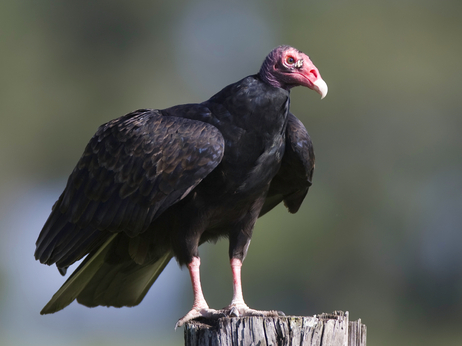
The Vulture, The Cow, and The Diclofenac

Categories: Pharmaceutical

linkedin twitter facebook Request to reuse this  

When you think about recycling, you probably think about an empty water bottle, an egg carton, and today's newspaper.  The remains of the day, so to speak.

But you could also think about one of nature's best recyclers - the vulture.  And they are pretty good at recycling the 'remains of the day'.

In an excellent posting on an excellent blog - "Krulwich Wonders" - Robert Krulwich writes about these amazing birds and their ability to reduce the remaining meat from dead animals to nearly nothing and to return nutrients back to the Earth.

Krulwich says:

"the bulk of the cleanup goes to the hero of my tale, nature's prize janitor — hard-working, efficient, unbeloved, unadmired and now down on its luck. I am talking about the vulture. The vulture needs a little bit of love ...

... not only because these busy birds clean up giraffes (and hippos and gazelles and lions in Africa) weighing, by one estimate, about 12 million kilograms, or the weight of about 200,000 men — but because they do it all over the world, gobbling up dead goats, cows, deer, rats at no charge, recycling that flesh back into other living things and then into the Earth.

They are built for this work. They will spot a corpse from high in the sky, swoop down, then cautiously approach, while tens, then hundreds of other vultures, seeing a gathering, will join in. If the meat is getting a little skanky, they don't care. The have a digestive system that can handle bacterial biotoxins. Rotten meat doesn't make them sick. And if they get covered in blood and body parts, that's a plus, because the odor keeps lions and other enemies away. What's more, because their diet probably makes them taste bad, says biologist Bernd Heinrich, "few animals eat them."

However, there's a problem. And it has to do with the product of a project.  This particular project was to introduce the drug diclofenac for agricultural use in protecting cows in India and Pakistan from immflamatory diseases.  The drug had been used in humans for decades without a problem but things changed when it was used on livestock.

Again, from Krulwich:

But the worst news is that vultures now have a drug problem. In Asia, where (in Hindu countries) cows are allowed to roam and die, where there are elephants, goats, monkeys and rats, vultures have held on, especially the white-rumped vulture. For centuries, the vulture was everywhere, living comfortably near human cities. Then, 20 years ago, very suddenly, it began to vanish. The collapse was so sudden, by the 1990s, biologists counted fewer than 10,000 individuals, mostly in Cambodia.

What happened? It turns out that an American drug developed to protect cattle had become popular in Asia. It's an anti-inflammatory medicine called diclofenac. When vultures descended onto a diclofenac-infused cow, many of them suffered kidney failure. So many vultures feast on a single cow that just one feed can poison hundreds and hundreds of birds.

The decline in the vulture population is one of the steepest ever seen in any bird.

And here is some reinforcing info from a news story on this subject form Bird Life:

In India, vultures have traditionally disposed of carcasses in cities, villages and the countryside, reducing the risk of disease and helping with sanitation. With the vultures gone, carcasses are likely to take much longer to be stripped, increasing the risk to health. Feral dogs are filling the scavenging void, and their growing numbers also increase risks to human health and safety: they are carriers of rabies.

Here we see that the problem comes back and (excuse the pun) bites us humans, not only in the remvoal of an important piece of the mechanism nature uses to return nutrients to the Earth but also with the secondary risks of the un-eaten carcasses and new problems introduced by feral dogs.

So what does this have to do with project managment and sustainability?

The connections are there on two levels.

First, there are the direct project implications of finding new drugs that will work with cows but still have low, or no, impact on the vulture population; and there is the direct connection in terms of research projects to narrow the cause to diclofenac.

But there is also the higher level connection with regards to the product of the project - which was to expand the use of diclofenac to livestock.  Did the project take into account the long-term use of the drug and its ramifications?  Did the project take into account the entire natural system in which it was to be deployed?

These are the questions that we assert that project managers need to ask.  If you will allow us a bit of humor in this very serious topic, we need to think about the way that the project's product will - ahem - carrion.

Posted by Richard Maltzman on: July 04, 2012 12:01 AM | Permalink | Comments (0)
ADVERTISEMENTS

"I respect a man who knows how to spell a word more than one way."

- Mark Twain

ADVERTISEMENT

Sponsors