






Guessing is not a strategy: How to build decision velocity with AI and real-time data
June 10, 2026 | Live Webinar

You Can't Get They-ah From Hee-yah
Floating an idea into reality: the other side of the AI Project Paradox
The Environment of the Built Environment: an AI Paradox
6th, 6th Edfition, 6th Edition PMBOK, 7th Edition, 7th Edition PMBOK, 8th Edition PMBOK, 8th Edition PMBOK Guide, Activism, actuarial, actuary, adapt, addition by subtraction, Africa, africa, agriculture, airforce, ajaita, Alaska, amazon, analogous, analytics, ancient, and more power, antarctica, anti-science, apple, apps, architecture, arctic, arrakis, Artificial Intelligence, asch paradigm, Assistant, asthma, astronomy, automobile, automotive, autonomous cars, b, bankhar, Banksy Crypto, basalt, baseball, bats, batter, beauty products, benefit, benefits, Benefits Realization, beyond epica, biases, bicycle, big data, big dfata, big dig, bike, biodiversity, biomedicine, birdhouse, blockchain, blood, blue blood, blue trees, bluefin, bluefin tuna, book review, boston, boston university, Boyce, Brazil, brazil, Breakdown Structures, BS, building, buildings, built environment, built environment, bumblebee, cake, capacitor, car, Carbon, carbon, carbon capture, carbon negative, carbon neutral, carbon pool, carbon sequestration, carbonate, careers, CEO, ChatGPT, chatGPT, chatgpt, chatgpt, chess, China, china, chopsticks, citrus, cli-fi, climate, climate change, climate resilience, climeworks, Clumsy, CO2, co2, CO2 Utilization, coalition, cobalt, coffee pods, cognition, cognitive, Collabortion, colombia, concrete, Conflict, construction 5.0, cool projects xyloscope, cooling, coral, corn, cost of good quality, cost of poor quality, cost of quality, crazy, criticism of project management, cryptocurrency, CSR, csr, data, data analytics, data privacy, datacenter, dataset, death spiral, Decision Making, decomposition, Defense and Climate, definition of a project, deforestation, dependencies, dependency, desert, DIKW, dikw, dimopoulos, disposal, dna, DOD, dogs, dolphins, dream, drilling, drink, dune, dune, dutch, early start, earth, eatlocal, eco-tourism, ecological, economic, economics, EKC, electric grid, electricity, electronics, elysis, embodied carbon, emerging technologies, empower, Energy, energy efficiency, environmental degradation, escalate, escalation, ESG, extreme weather, fallacy, FARC, farming, finance, fish, fish brains, fishing, fix, fixing the earth, flint water, Flint Water Supply, flood, flooding, Food supply chain, food waste, forest, forest for the trees, forestation, forrestgump, frank herbert, Fruitcake, fungus, fusion, Galvao, garage, gas, gasoline, geese, gender equality, gender partnerships, generational differences, Generative AI, gladwell, gold, Goodness, google, Government, GPT, great pacific garbage patch, green, green building, green buildings, green energy, green iguana, green project, green project management, greening, guest post, gyre, harkonnen, Harvesting Benefits, hawasina, hedgehogs, heursitics, historical data, hlb, holitsic, holland, horseshoe crab, human-caused climate change, hydrogen, hydrology, ice, iceland, ignition, iguana, imagery, impact, india, inequality, information, initiatives, injection, insurance, intelligence, interacting risk, internal combustion engine, invasive species, investment, isomer, issue escalation, issues, ITER, jobs, Jupiter, justification, kids, kill point, knowledge, koch brothers, Kuznets, laboratory, LAL, landscape mode, lapampa, launch, LCA, Leadership, Leadership, life cycle analyses, life cycle analysis, lifecycle, Linkedin, liquid, lizard, local, long term, long-term, long-term thinking, look up, loud, maintenance, maker, makermovement, malcolm gladwell, management, marathon, marine biology, market, mars, Martin Luther King, mean, megawatt, MeHg, melting, mercury, metal, Microgrid, microplastics, migration, military, millennial, mindset, minerals, mission, mitigate, MLK, mongolia, museum, museum of london, nature, nematodes, net gain, Net Project Success Score, net zero, netherlands, network, New book, New Jersey, New Practitioners, new york, NFT, nitrogen, noise, noreaster, norway, nova, NPSS, NREL, ocean, ocean cleanup, ocean life, oil rig, oil rigs, oklahoma, oman, only murders in the building, opportunity, overall risk, oxygen, packaging, pareto, PBS, permafrost, persistence, peru, Pharmaceutical, planet, planet.com, planning, plant, plasma, plastic, playground, pm, pm education, pmbok, pmbok guide, pmnetwork, PMXPO-2018, podcast, pollutants, pollution, poop, poor, portfolio, power, power skills, privacy, privacy concerns, professors, program, Program Management, project, project leader, project leadership, project management, project management 3.0, project on fire, project progress, Project Success, project success, projecticity, projectleadership, projectmanagement, projects, psychology, pulse of the profession, purple bacteria, purpose, quiet, rainforest, rationale, reef, refugees, renewable, renewables, Repair, repair, repeatable process, repeatable processes, repurpose, research, resource breakdown strucuture, Resource Management, reversing climate change, revisionist history, rich, rigs2reefs, ripe, risk, risk avoidance, Risk Management, risk mitigation, risk response, risk responses, river, robots, rocks, rules of thumb, rural, rural India, russia, Sarcasm/Irony, satellite, saudi, schedule, sci-fi, Science, science, science-fiction, scientific american, screaming monkeys, sea, sea life, Sea-Level Rise, sea-level rise, seagreens, seawall, seawater, seawater temperature, seaweed. beat;es. farming, secondary risk, selena gomez, sequestration, shipping, skyscraper, SLR, smart cities, smart city, smelting, social, social pressure, soil, solar, solar panels, solar perovkites, solar saheli, sonic, sponge cities, SRI, stage-gate, stagegate, stakeholder, stakeholder management, steward, stewardship, storage, strategy, stupid, success, suffer, sulphur, sunk cost, supercapacitor, supply chain, survey, Sustainability, sustainability, Sustainable Investing, Sustainable Tourism, sybiosis, symbiosis, system 03, TBL, temperature, terraform, terraforming, test, threat, threats, totem, touchscreen, tour, tower, Trains, transparency, transportation, trash, tree, tree species, trees, trillion, triple bottom line, triple constraint, truth to power, UMass, us army corps of engineers, USDA, vacuum, value, venus, vision, voice, voltage optimization, vw scandal, washing machine, waste, wastewater, water, we mean business, whales, Whirlpool, wind, wisdom, women, Women in Project Management, wood wide web, woonerf, Work Breakdown Structures (WBS), world breakdown structure, worms, xian, xylotron, Yale


|
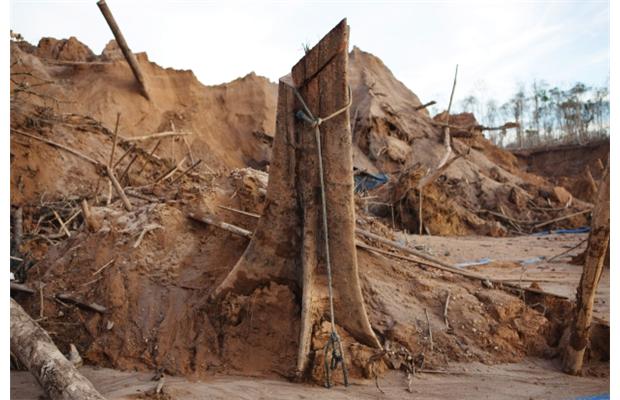
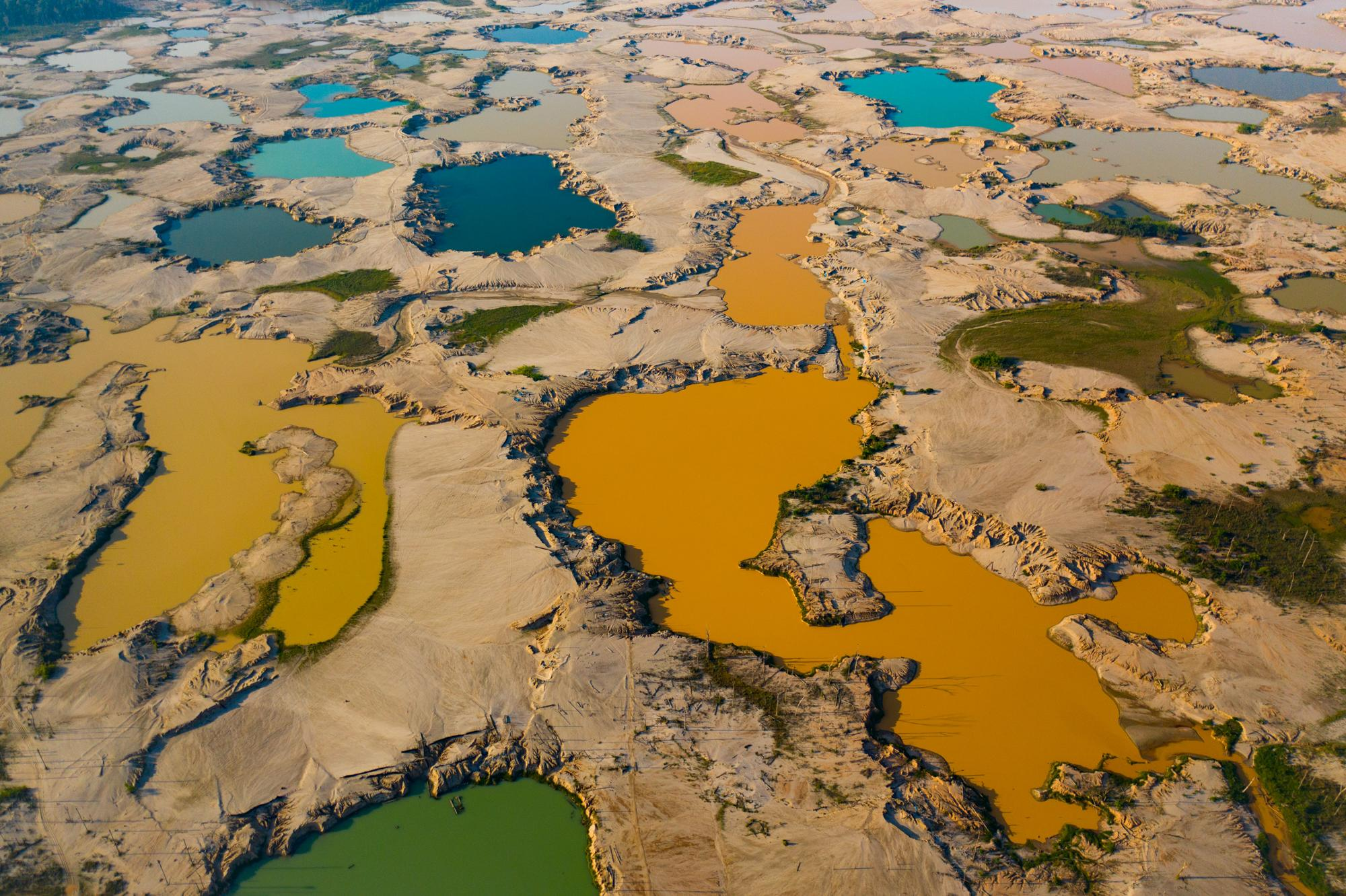
Photo: Rodrigo Abd, AP First up: a quick geography quiz: Most of us know that the Amazon rainforest is mostly in Brazil. That is true… but the question is -True or false: The Amazon also extends into Peru. Answer: Very much true. In fact, only 60% of the Amazon rainforest is in Brazil. The next largest chunk is in Peru (13%), Colombia contains 10%, and the Amazon also extends into Venezuela, Ecuador, Bolivia, Guyana, Suriname and French Guiana. Why this question? I was intrigued by an article in Nature’s most recent edition called “Can A Rainforest Destroyed By Gold-Miners Bounce Back?”. That forced me to better understand the extent of the Amazon, since the article is about gold mining in Peru, and its effects on the Amazon. About the blog post’s title The title of this blog post is a slight take-off (one letter away) from the first telegraph message sent by Samuel F.B. Morse in 1844. The PG-13 is there because of an expletive in the first sentence of the Nature article. Who knew that a respected science journal would start off this way? But I sort of like it – and when you read about it, you will see that it fits. So here is how the article starts: “Holy shit!” Miles Silman gasped as his motorized rickshaw rattled out of the forest and onto a desolate beach. All traces of the trees, vines and swamps that once covered this patch of the Amazon had vanished. In their place were sun-baked dunes and polluted ponds created by illegal gold-mining. Silman, a conservation biologist at Wake Forest University in Winston-Salem, North Carolina, was there to document the carnage. The size of the area is not trivial – we’re talking 5 and a half Manhattans. It’s big, and it’s ugly. How would one describe this? Photographer Jason Houston of the International League of Conservation Photographers, describes it this way: “The temperature as we left the Interoceanic Highway at km98 was climbing towards 101 and the humidity was almost as high, hinting at the hellish landscape I was about to witness. A few hundred yards drive from the main road, through back alleys lined with squatter’s quarters and makeshift sundries shops, we came to a wall of black sandbags and a corrugated metal gate. Beyond this militarized guard post was one of the main tracks into the infamous, lawless, otherworldly gold mining region of La Pampa. A short ride in a three-wheeled cargo cart through some leftover forest, the view exploded open and I entered the belly of a beast that I’d dreamed of exploring since my first, crushing introduction to the region in 2015.” The reason I’m writing about this in a project management blog is simply that the concepts of project management are threaded throughout. NOTE: to best understand this two-part blog post, it’s best if you start with some background and context. I highly recommend you start with this article from The Guardian. That article starts like this: Located along a jungle highway in the Amazon around 60 miles from the nearest city, La Pampa was a place you entered at your own risk. At night it was a riot of neon lights and pulsating cumbía music from “prostibar” brothels, frequented by roaming groups of men flush with cash. Neither authorities nor outsiders – and particularly not journalists – were welcome. This modern-day gold-rush town, home to about 25,000 people, was both a hub for organised crime and people trafficking and a gateway into a treeless, lunar landscape pocked with toxic pools created by illegal gold mining, stretching far into one of the Amazon’s most treasured reserves. But if you are a visual learner (like many of us project managers) you will actually do better looking at some pictures with a bit of narrative.
Photo by Jason Houston / iLCP - see much more here.
This site gives not just ‘pictures’, but amazing, detailed, professional imagery that will make this very, very compelling to you. Visit this ‘storymap’ provided by the aforementioned iLCP, the International League of Conservation Photographers. It’s worth it. Then come back here. A project that will become a Portfolio of Programs and Projects After the Peruvian government raided the area to rid it of illegal miners, it began an initiative – you could think of it as a Portfolio. From the article, the initiative includes: a major reforestation effort — as well as the jobs that it might produce. Working with CINCIA, Peru’s park service and environment ministry have already launched their pilot reforestation project on 30 hectares of the Tambopata National Reserve. The agencies are planning to replicate that work across more than 750 hectares in the reserve. Baselining Mercury One of the problems with gold mining is the use of mercury to bind the gold. Anyone can collect the local silt, which contains gold dust. Even a ‘beginner’ can mix in mercury, to recover as much as several hundred dollars’ worth of gold a day. So the restoration project needs to start with an identified baseline of where the mercury is, and how it got there – so that risk can be properly identified. Risk Risk – and cause/effect – is really a theme throughout this story. In fact, the entire situation of ruined land is a matter of doing this mining without thinking of consequences. But it goes beyond that. In the restoration project itself, project risks (threats and opportunities) are rife. Here’s an example: “What happens if the price of gold is very, very high?” (Silman) asks. “Maybe the illegal miners come back to La Pampa, and there will be conflict with the people who are working in reforestation.” The government would like to make this land useable again. That means farming and fishing. To do that, the land and water must be safe (for example clear of mercury), because if not, the fish from the ponds will contain mercury as well – a major health threat. So far the testing indicates that the land is safe but the ponds are heavily contaminated with mercury. <><><><><><><><><><><><><><><><><><><><><><><><><><><><><><><><><><> Part 1 has focused on the cause (the mining) and the effect (the poisoning and destruction to the Amazon). Part 2 will go much further into the restoration project. |
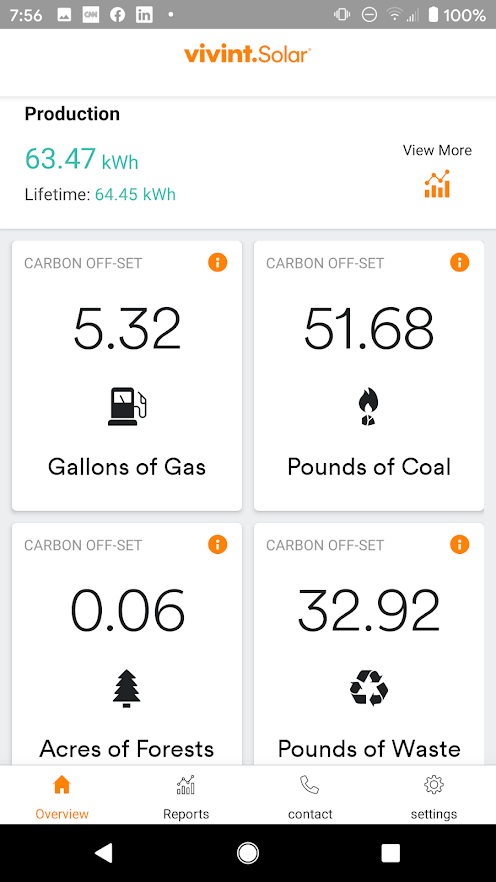
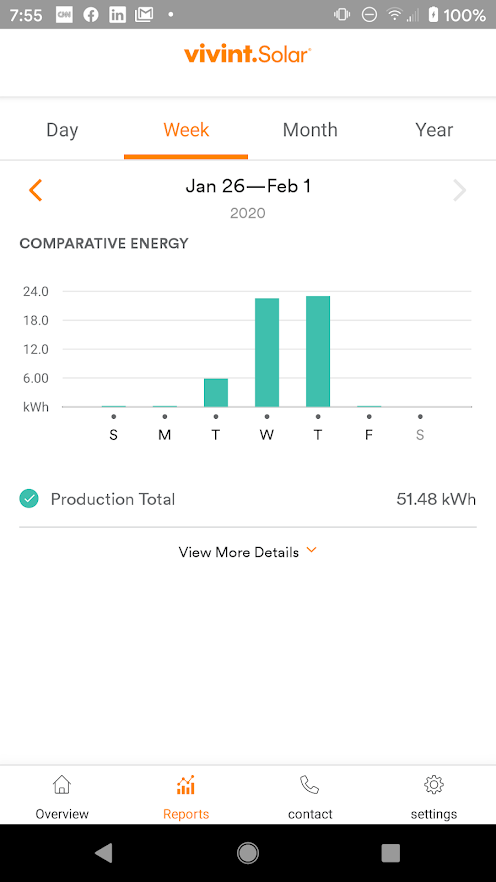
| Early in the year I posted “The Sun Will Come Out Tomorrow” – to say that I’d be sharing with you the progress of our solar power installation and the ‘handover’ of that project to operation. So, here’s a quick update on our solar power installation. This week we got our system online and generating power! So far we are averaging over 20kWh per day. Vivint, the company which installed the system, has an app which provides details including the savings (earth savings, such as reduced carbon use). See the screenshots below:
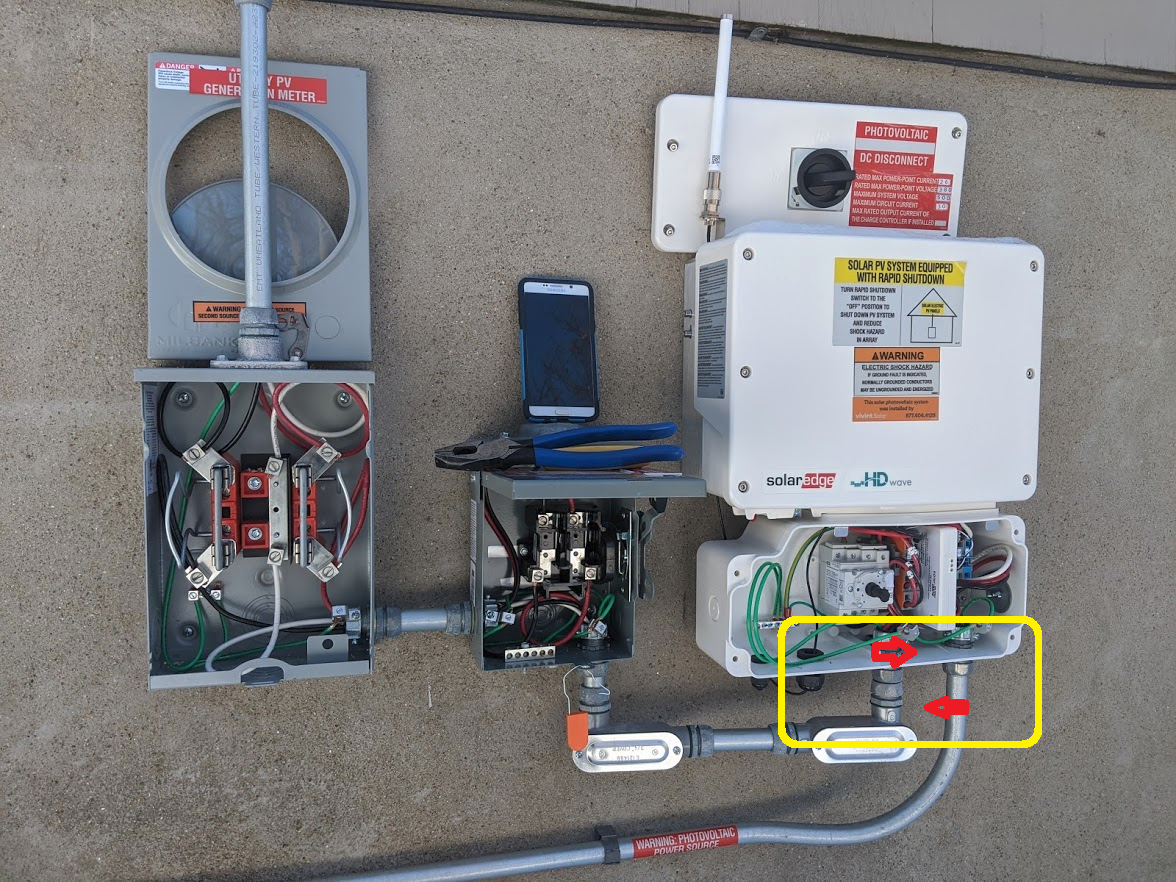
We had hoped to be generating power weeks ago, however a new standard was established in our town regarding the position of AC and DC runs into the system (see photo, with highlighted area of the two inputs which had to be swapped).
The installers were not aware of the new town requirement. So the system failed inspection (even though it worked perfectly and would have passed if the inspector hadn’t happened to have gone through a seminar just a couple of days ago). So, Vivint had to come back and re-wire the system, which they did fairly promptly, but now the town had to schedule a re-inspection. Bottom line: this cost 3 weeks of unexpected delay. This is a good example of estimation optimism bias. There are also some communications issues here, right? However, the good news is that the system is up and running and I hope to follow up next with an ability to talk about the monetary aspect of the project. Yes, we did this for the right reasons: economic and ecological. We have started to see the ecological benefits, but as they say: show me the money! I should have that update in a month. Or.... am I being too optimistic in that estimate?
|
|
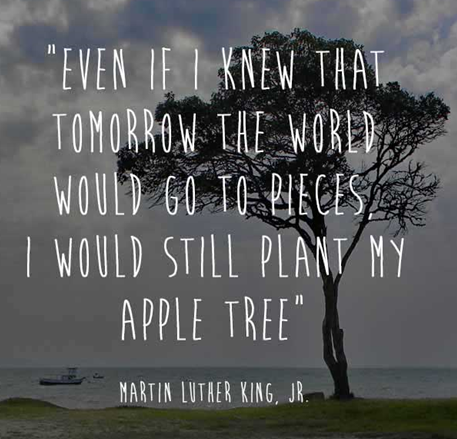
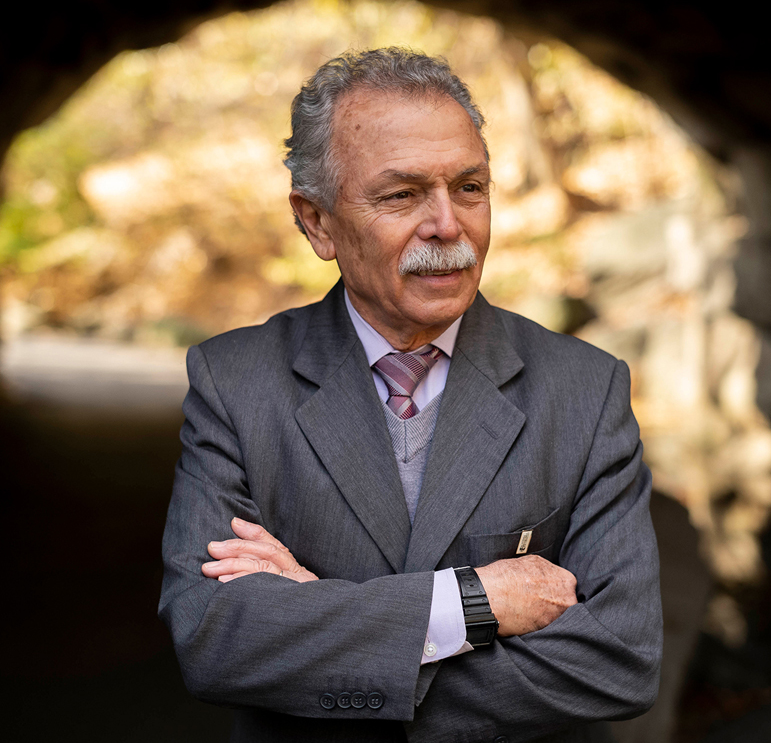
Project Management is an art and a science. Most of the practice areas in which we apply our art and science are indeed science-oriented: Pharmaceuticals, IT, Telecom, Research, Medical Devices, and Data Science. In all cases, we need to manage projects – and make decisions – based on fact, based on truth. At times, authorities in power seek to alter the truth to suit their own narrative. It’s at these times when we need leadership. We need to listen to leaders, be inspired by leadership, and act like leaders. And project managers are nothing if not leaders. We do need to do the hard work of speaking truth to power, even when, as often is the case, we are not at the top of the hierarchy. It’s in this vein today that we honor Dr. Martin Luther King, Jr., on the celebration of his birthday, and this short post is about speaking truth to power, illustrated by one example I found recently in Nature magazine. They had a feature article called “Natures 10”, covering 10 people who ‘mattered in science’ in 2019. The first person featured was Ricardo Galvão (pictured below). |
|
That's not a typo. That says "how to B". We often write about the importance of the connection between the enterprise’s mission/vision/values and project rationale. We often find that project managers – due to their justifiable need to meet specific, generally short-term, deadlines – are not as connected as they should be to the longer term. Interestingly, the “enterprise” is a main “customer” of the project team. And, increasingly, our “customer” is buying into the idea that there exists not a single bottom line, but a triple bottom line, which includes (of course!) economic considerations but also includes social and ecological considerations. To illustrate this, let’s take a look at something called a “B Corp”. You can learn a lot about the concept of a B Corp is to read the B Corp Declaration of Interdependence
THE B CORP DECLARATION OF INTERDEPENDENCE We envision a global economy that uses business as a force for good. This economy is comprised of a new type of corporation - the B Corporation - Which is purpose-driven and creates benefit for all stakeholders, not just shareholders. As B Corporations and leaders of this emerging economy, we believe: That we must be the change we seek in the world. That all business ought to be conducted as if people and place mattered. That, through their products, practices, and profits, businesses should aspire to do no harm and benefit all. To do so requires that we act with the understanding that we are each dependent upon another and thus responsible for each other and future generations. So there is motivation for the enterprise to move this way – towards a more holistic view of what “success” means.
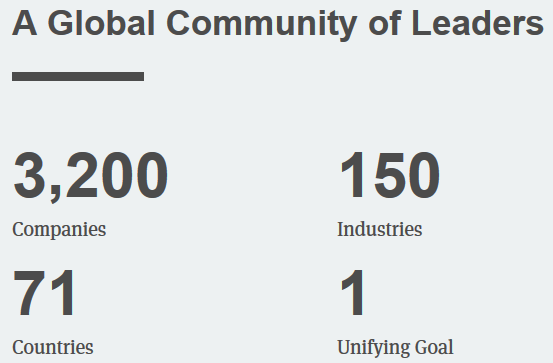
And it’s catching on. Here are some up-to-date statistics…
Is your company on the list? You can look it up here. So…why? Why is this catching on? Rather than try to explain this myself, I’ll refer you to this article from Harvard Business Review. It begins: The landscape of American corporations is changing. Since the financialization of the economy in the late 1970s, corporate governance practices have tightly linked the purpose of business with maximizing shareholder value. However, as the 21st century pushes on, there has been an increased emphasis on other stakeholder values, particularly social and environmental concerns. This trend in corporate governance – which has led to the growth in “triple-bottom line” thinking – has fueled the emergence of a new organizational form: the Certified B Corporation. But why? Why not just go after the dollars, the yuan, the pounds, the Euros? Here’s what the article has to say about that: Increasingly, corporations are donning the persona of a responsible citizen, while continuously performing practices to maximize profit. These contradictory tendencies motivate traditionally “green” and ethical businesses to unite and stake a claim to their authentic difference, fueling the growth of B corporations and other new types of organizations. For mission-driven businesses, these alternative forms of organizing provide an opportunity to better communicate their commitment to society and to the natural environment in a world where everybody claims to be “green” and “good.” If you disagree with this reasoning, or even if you disagree with the movement of companies to this more holistic view, as a project manager, you do have to understand, appreciate, and align with your sponsor’s thinking. And this is how they’re thinking. So maybe it's the way you should B thinking as well. Have a look at this very brief video – which makes a great analogy to the birth of human flight – to get a great background on what it takes to become a B Corporation. Interesting! This one is a little ‘glitzier’ but it’s also very informative. |
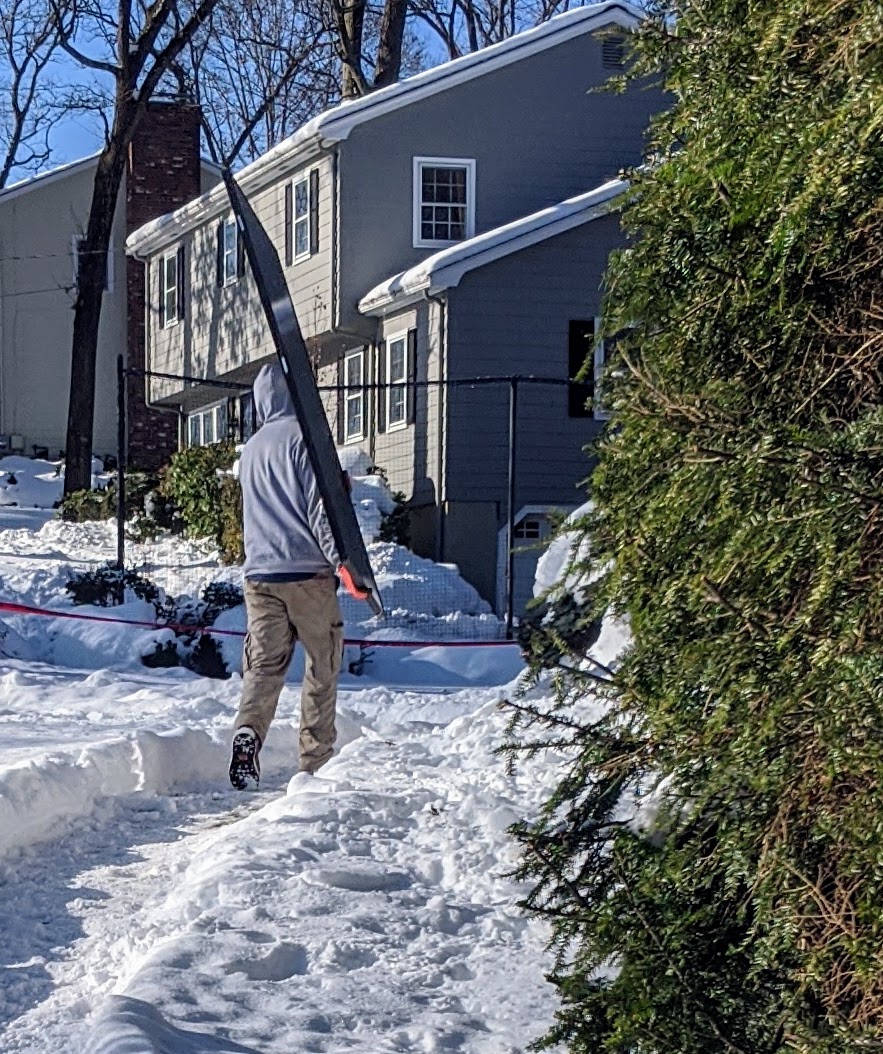
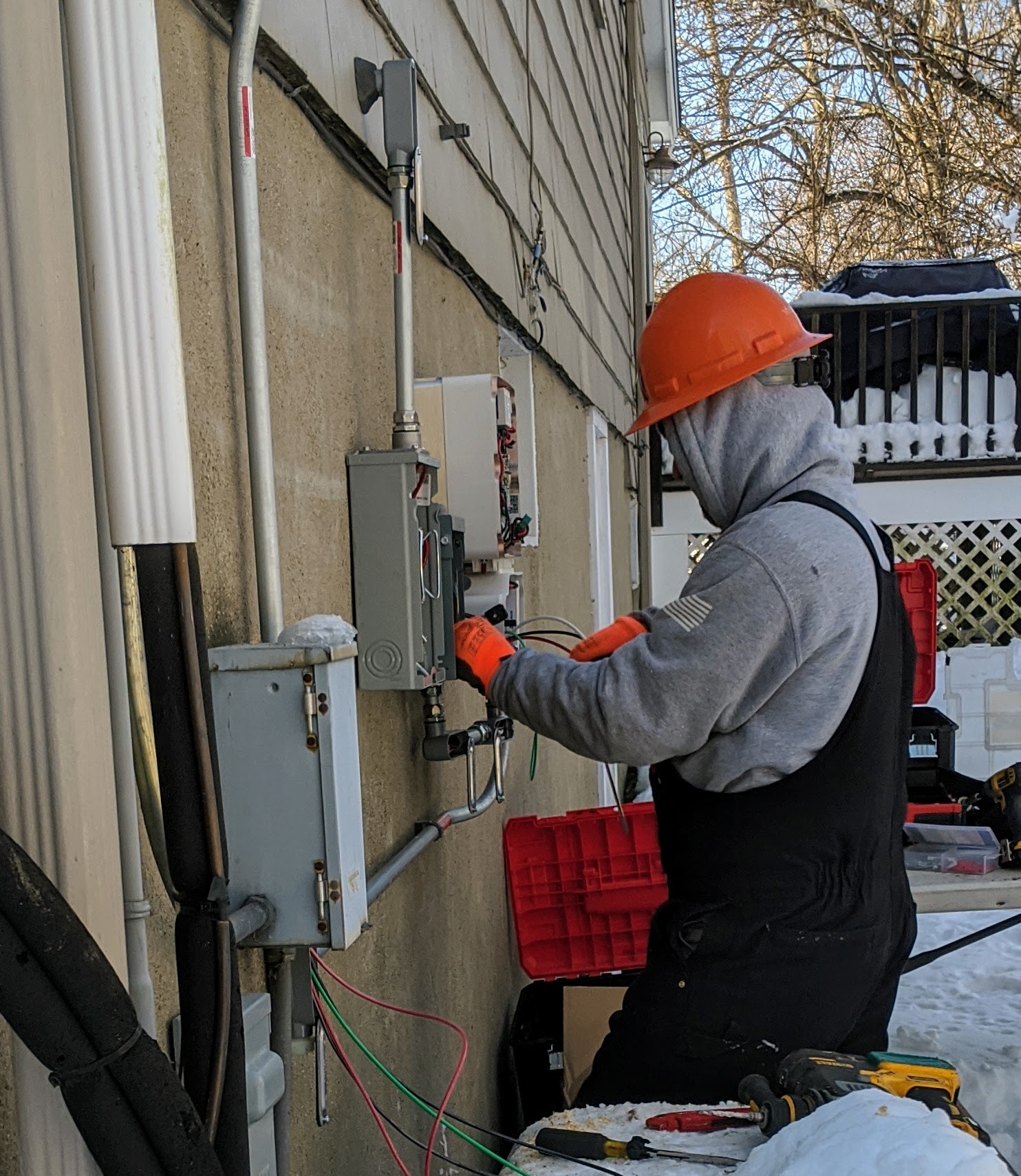
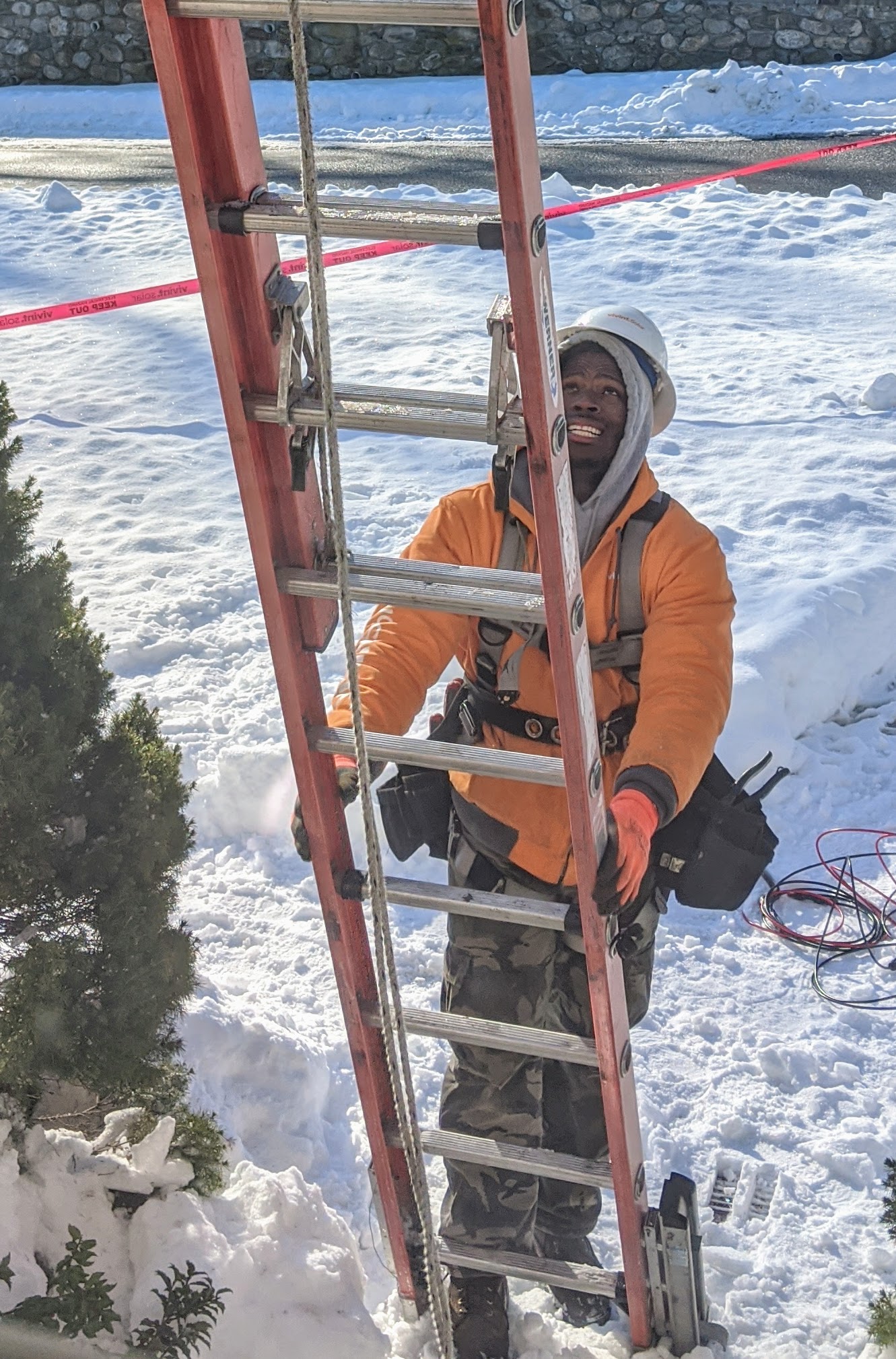
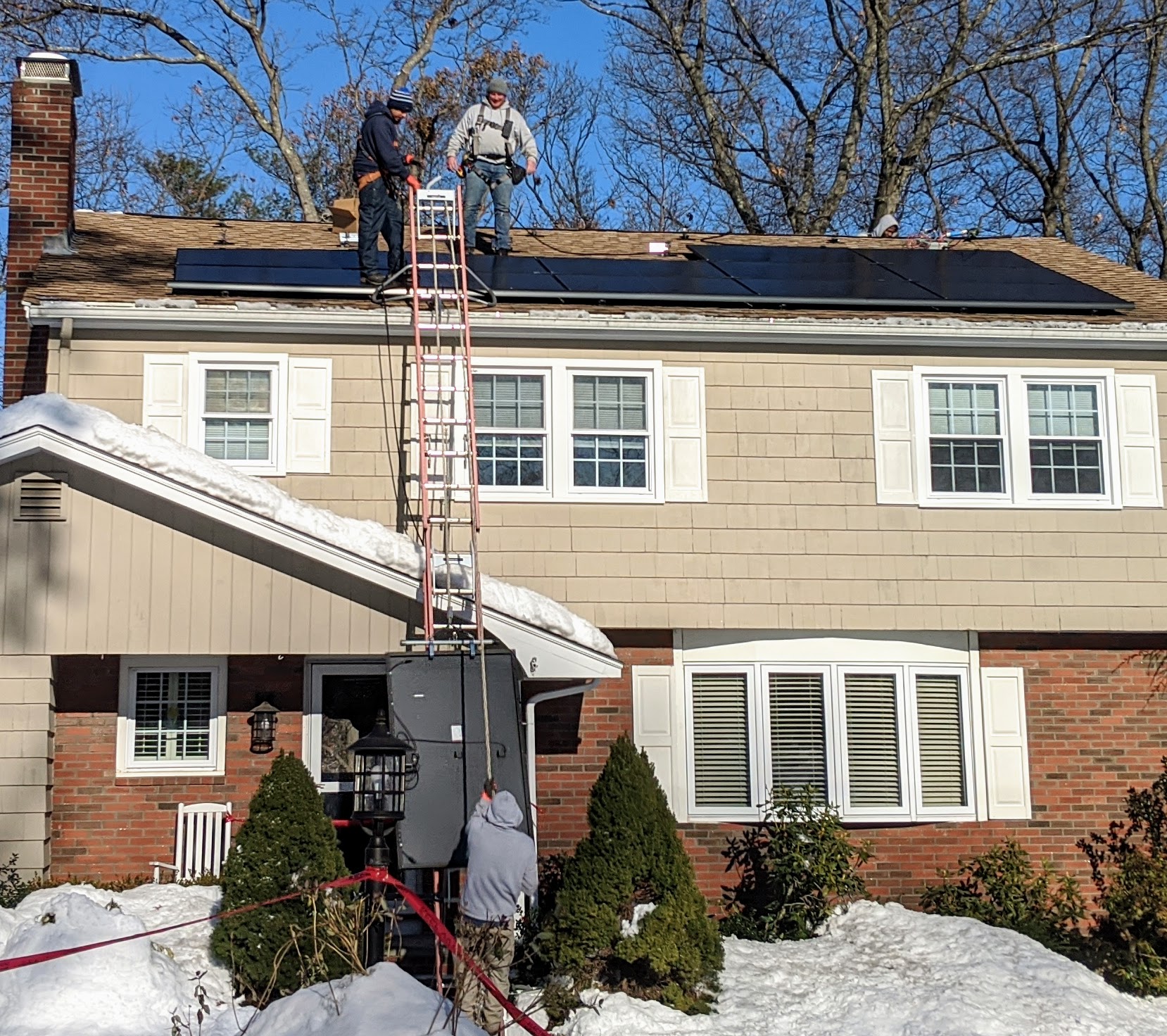
| This post is just to let you know that I intend to share with you our own solar project in a series of update posts which I'll intersperse with regular posts. We’ve had solar panels installed on our roof. I’ll be discussing the installation itself, the inspection process, and then, as I have preached here on PPP&P, the handover to “operations” in which we’ll (hopefully) generate an economic and environmental benefit for the longer term. Here are some photos of the installation to whet your appetite.
So we will be crisply at the intersection between projects and sustainability! Look for the first posts in very early 2020. For now, just think about this question: what would happen if everyone ‘went solar’? You'll find some help with this question here. In the meantime, we wish you a very happy new year – and we leave you with this charming and optimistic view for 2020…
|
|
Cyberspace: A consensual hallucination experienced daily by billions of legitimate operators, in every nation - William Gibson |