Viewing Posts by Richard Maltzman


A river runs through it


|
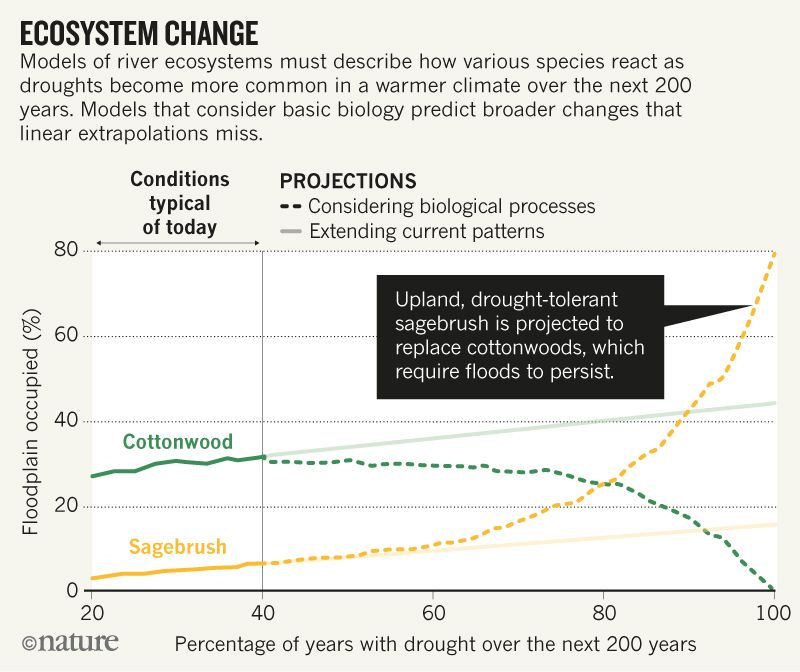
As a ‘seasoned’ project manager, I often find that the tools we use in PM are useful elsewhere – and I’m always on the lookout for tools and philosophies from outside our discipline that can be adapted and brought into PM to help us manage – and contextualize – projects from a broader viewpoint. In a way it's like having a river of sustainability thinking running through PM and a river of PM running through sustainability thinking. Such was the case from a recent article in Nature, Prepare River Ecosystems for an Uncertain Future. I mean, the title says it all, Project Managers: Preparing for an Uncertain Future – well, projects are unique, which means they are, by definition, working with an uncertain future. We’re in unknown territory. With climate change, it’s the same thing. We’ve never seen some of the things we’re going to see over the next few decades. How do we deal with that? The article states: Rivers around the world are struggling to cope with changing weather patterns. In Germany and Switzerland, a heatwave last year killed thousands of fish and blocked shipping on the River Rhine. California is emerging from a six-year drought1 that restricted water supplies and devastated trees, fish and other aquatic life. Across the US southwest, extended dry spells are destroying many more forests and wetlands. The article says that “the tools of old” will not serve us in the same way. We can no longer even hope to restore river systems to their original state as the climate warms. We need to be less reactive, says the article, and more proactive. We need to identify risk, it says in so many words, and come up with risk responses in advance, rather than reacting in real time to the massive changes expected. Sound familiar? In short, the article (and others like it) are promoting the use of tools we know and use in project management: data analytics and modeling (a la Monte Carlo simulation), trend analysis, and so on. Note this extract: Today, river managers track properties such as species diversity and population abundance, and compare them with historical averages. If they spot troubling declines, they might intervene by, for instance, altering the amount of water released from dams. But by the time trends are detected, they can be impossible to arrest. Understanding how sensitive ecosystems might change is crucial to managing them in the future. Again, this is about being proactive, about understanding systems on a system level as opposed to measuring specific reliable attributes we’ve always used in the past. Those indicators simply may not be as trustworthy when the system itself is dynamic and being driven by sweeping changes – overarching changes – that we have never seen before. And, armed with this information (and knowledge and wisdom) we can plan risk responses that are effective: ...in the US southwest, river flows could be increased strategically from reservoirs to protect important species, such as cottonwoods. And in Australia, letting more water pass through dams in spring could stop rivers drying up while the eggs of Murray cod mature. The reason Murray cod are mentioned in particular, is the recent demise of thousands of these very valuable fish (Australia’s largest freshwater species) in a recent heat wave there. Assuring that risk response is both efficient and effective is key here. We’re all familiar with the use of Pareto analysis to choose the 20% of problem causes to get rid of 80% of the problem effects – and the same applies here. So does the concept of secondary risk. If actions are taken to intervene, what are the possible secondary risks? This also comes up in the article: Process-based models can look further ahead and save time, money and disruption by limiting the number of interventions as well as avoiding adverse impacts. They would help stakeholders and managers to choose which features of ecosystems to maintain, to justify costly interventions such as major engineering works and to weigh trade-offs to build resilience under increasing climatic uncertainty An example of using system models to predict change decades or even centuries in advance is shown below. We’re not used to this as PMs, are we? Our projects last months, years, or in some rare ‘megaproject’ cases, last decades, but not centuries. Yet our “planning horizon” can and should be broader, especially when climate change is in the picture.
In other words, we, as PMs, can learn a lot from what these researchers are doing – and I would assert that ‘vice-versa’ is true as well. Since we, as PMs are masters (or should be) at managing in uncertainty, we can help with the application of our mindset and tools for dealing with uncertainty to the important work of identifying, analyzing, and responding to the coming threats (and perhaps even opportunities) |
Solar Empowerer
|
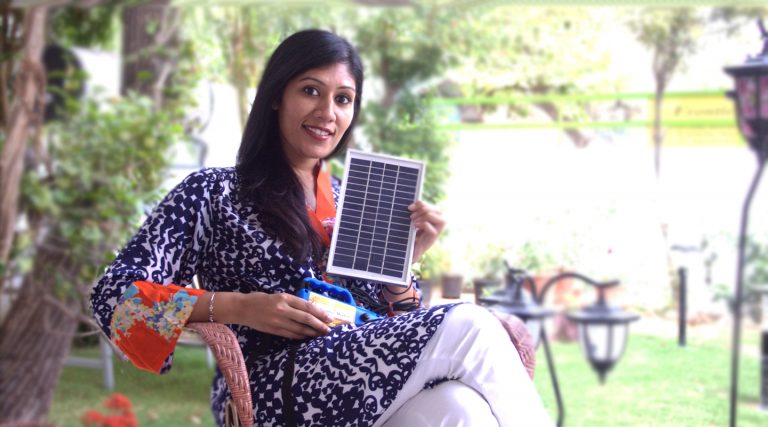
This is not as much a blog post as a ‘teaser’ for an upcoming blog post – a very special one. I will be having a discussion with Ajaita Shah, CEO of Frontier Markets. Read this story (watch the video) and learn about the project (really a portfolio of projects and programs in my opinion). This will put you in the proper mindset to appreciate the upcoming interview. I look forward to it and you should, too. |
Your great-great-great-grandfather's plankton
|
Photo Credit: Michael Kucera Part of the debate on climate change is whether or not it is anthropogenic - meaning caused by humans. Some argue that, sure, the climate is changing, but it’s always changing, it’s natural, and we as humans have nothing to do with it. This is a big deal, because if it is our “handiwork”, [A] we will know more about the nature of the problem, and [B] we would have better information – as well as greater responsibility – to do something about it, and fast. To determine this, a study just published in Nature magazine which was based on a scientific research project that used plankton sediment from greater than 170 years ago (thus the title of this blog post) as a baseline (another project management key word!) to look at the changes. In particular, this study used planktonic foraminifera, which are abundant at greater depths, and in some places can carpet entire swaths of the sea floor. The writeup of the study in Nature is highly technical and frankly hard to read even for a science nerd like myself. However, a summary of the study was provided in Smithsonian magazine, which is summarized here: …one of the sea’s most ubiquitous organisms is helping researchers measure the changes that have already occurred. Centuries of fossil records and live-capture data show that some marine plankton populations reflect a clear change in response to human industrialization and the warming oceans that have come with it. If you’d like to see one of these critters eating another critter (a tiny shrimp, in fact), watch the video below: In any case, here's what the researchers found and just reported on last week:
From the Smithsonian article: The shift, measured by comparing the relative abundances of dozens of plankton species within the samples, doesn’t appear to be random. The amount of change in the plankton communities correlated with the degree of documented temperature change in the surrounding waters. The direction of shifting communities also largely lined up with patterns of ocean temperature change, as authors found when they matched up seafloor fossils with their closest analogues in modern communities. Planktonic foraminifera may not be as majestic as whales or sea stars, but the breadth of their fossil record provides a useful baseline to confirm a wider trend of ocean life changing in response to human activity. Shifts in plankton communities are a concerning indicator of the “bigger picture” for marine ecosystems as ocean temperatures continue to rise at increasing rates, the researchers say. I find this research project fascinating and I think it helps us focus on facts rather than to debate based on guesses and assertions which may or may not be true. Your thoughts? |

Carbon-negative, Cash-Positive
|
By now, we all know that carbon dioxide (CO2) is a greenhouse gas that traps heat in the atmosphere and is a cause of climate change. For an excellent explanation of the overall causes, can go to this NASA site. Or, watch this video. It's 10 minutes well-spent. A recent article from BBC news (https://www.bbc.com/news/business-48723049) summarized three examples of efforts – successful efforts – to convert carbon dioxide into products that can instead help humans, and making money in the process, with deals like this popping up even after the article, which was published only a few days ago. These deals mean initiatives, and these initiatives mean projects – and those projects will need project management expertise from people like you. From the article: Until recently, it was assumed that energy-intensive firms burning gas to fuel their processes would need eventually to capture the resulting carbon emissions and bury them underground. This option is inefficient and costly, so the prospect of utilising some of the CO2 as a valuable raw material is exciting for business. In this post, I’ll summarize a few and point you to some other ideas innovators have been considering. Fizzing your beer or other beverage One farm in the UK has found a way to take “horse muck” (BBC’s word, not mine) and straw and put this mixture through a bio-digester and then use advanced membranes to separate out food-grade CO2, which can be sold to local beverage manufacturers to make beer or lemonade (or seltzer, or any bubbly beverage) fizzy. Find out more at Strutt and Parker Farms’ website.
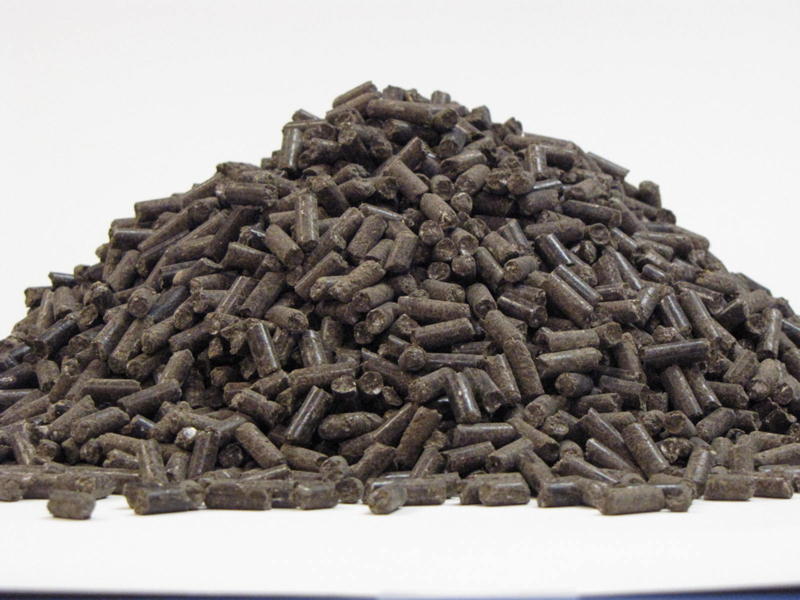
Fertilizer pellets that are carbon-negative With this technique, corn and cow manure are put into a bio-digester, where bacteria break down these materials to produce biofuel. Then, the left-over sludge with other wastes from various industries (fertilizer, sewage plants, farms), and pump in CO2. The CO2 helps the nutrients bind to the sludge, and to produce high-grade fertilizer pellets, which in the process, effectively reduces CO2 while producing a profitable product. Find out more at CCM Technologies (of Swindon, UK).
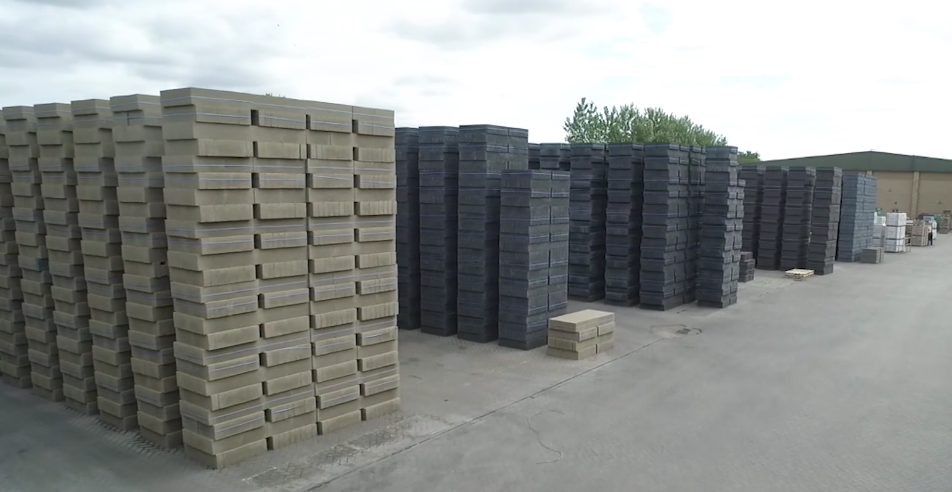
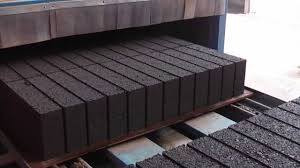
Construction materials: Limestone from CO2 Carbon8 (and others) take ash from the chimney of a waste incinerator plant. This is mixed with water and CO2, which produces heat (which can be used for various purposes, since that is a form of energy in and of itself). However, the main “show” here is the creation of artificial limestone, which can be used for building blocks and other purposes. This permanently captures the CO2 in the blocks. This artificial limestone also reduces the need for cement, which is a carbon intensive material.
You can find out more about these carbon-negative, cash-positive initiatives here: https://earthbound.report/2017/11/21/five-uses-for-captured-co2/ I also suggest that you check the links in each of the three processes above for really good content on each of the techniques.
|

Can we reverse climate change? Should we?
|
Image credit A. Goodson https://www.agoodson.com/andy-potts-illustrating-complex-scientific-concepts-for-bbc-focus/ In the past few posts (four of them in the series Forest for the Trees), I discussed low-tech ways that we can assist nature in fixing climate change. Most of these posts dealt with ways to prevent the loss of trees – for example, doing a better job of policing illegal logging - as well as an a better understanding of – and use of – symbiosis between tree roots and mycorrhiza. In this brief post, I go to the other extreme and discuss much higher-tech, proactive steps that some scientists are considering to take action on climate change. Some of this may be of higher urgency based on a recent report. https://docs.wixstatic.com/ugd/148cb0_a1406e0143ac4c469196d3003bc1e687.pdf
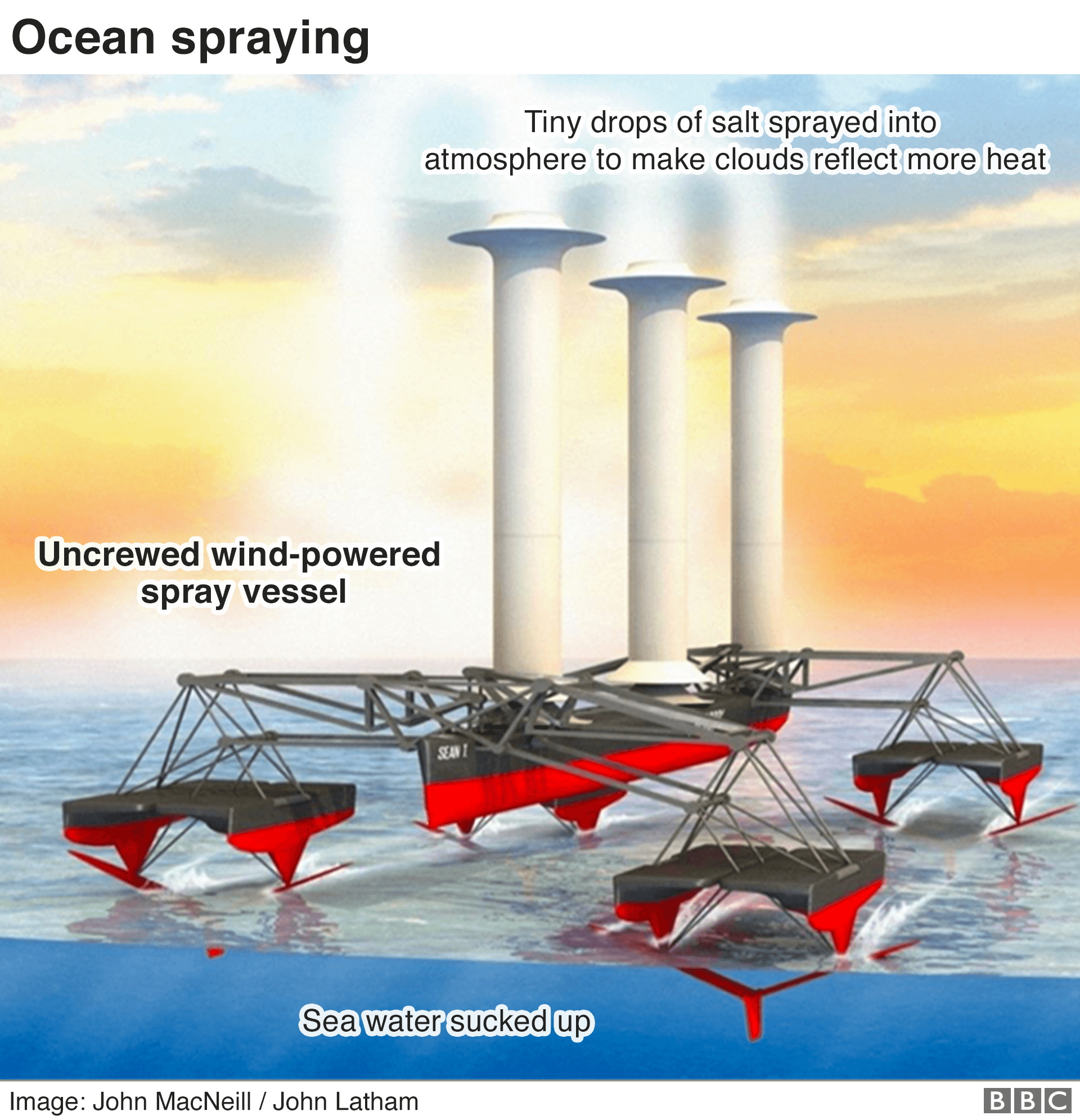
If you are thinking this is from a radical organization such as Greenpeace, you’re quite wrong. One of the authors, Ian Dunlop, was senior Executive of Royal Dutch Shell for many years and chaired the Australian Coal Associations (1987-88). See his profile here: https://www.clubofrome.org/member/ian-t-dunlop/ I’ll likely blog about this report – and the reaction to it - in June so stay tuned. But now, back to the idea of fixing climate change. This article on the BBC News homepage, and this one from TechCrunch also caught my attention. Below is a good abstract from the BBC News story: Scientists in Cambridge plan to set up a research centre to develop new ways to repair the Earth's climate. It will investigate radical approaches such as refreezing the Earth's poles and removing CO2 from the atmosphere. The centre is being created because of fears that current approaches will not on their own stop dangerous and irreversible damage to the planet. The initiative is the first of its kind in the world and could lead to dramatic reductions in carbon emissions. The to-be-established “Centre for Climate Repair” – the establishment of which certainly constitutes a project, one which immediately drew detractors. BusinessGreen magazine says: “some environmental campaigners remain fiercely opposed to the concept and today attacked the new centre's focus on unproven geoengineering fixes, arguing they distract from the urgent necessity to enact the social, technological, and political change necessary to cut carbon emissions.” Greenpeace is indeed one of those voices. To read their objections to the ideas (and even the rationale), go here. That said, let’s have a look at what this new Centre would be researching as programs and projects. I’m going to mainly do this with pictures (credit to the BBC News site referenced above, of course), because, as you know, a picture is worth a whole bunch of words. Refreezing the poles The idea is to pump seawater up to tall masts through very fine nozzles (creating a mist) using purpose-built ‘drone’ ships This misting action produces tiny particles of salt which, when they reach the clouds, ‘strengthens’ the cloud cover, making it more reflective, and increasing its ability to cool the areas below them.
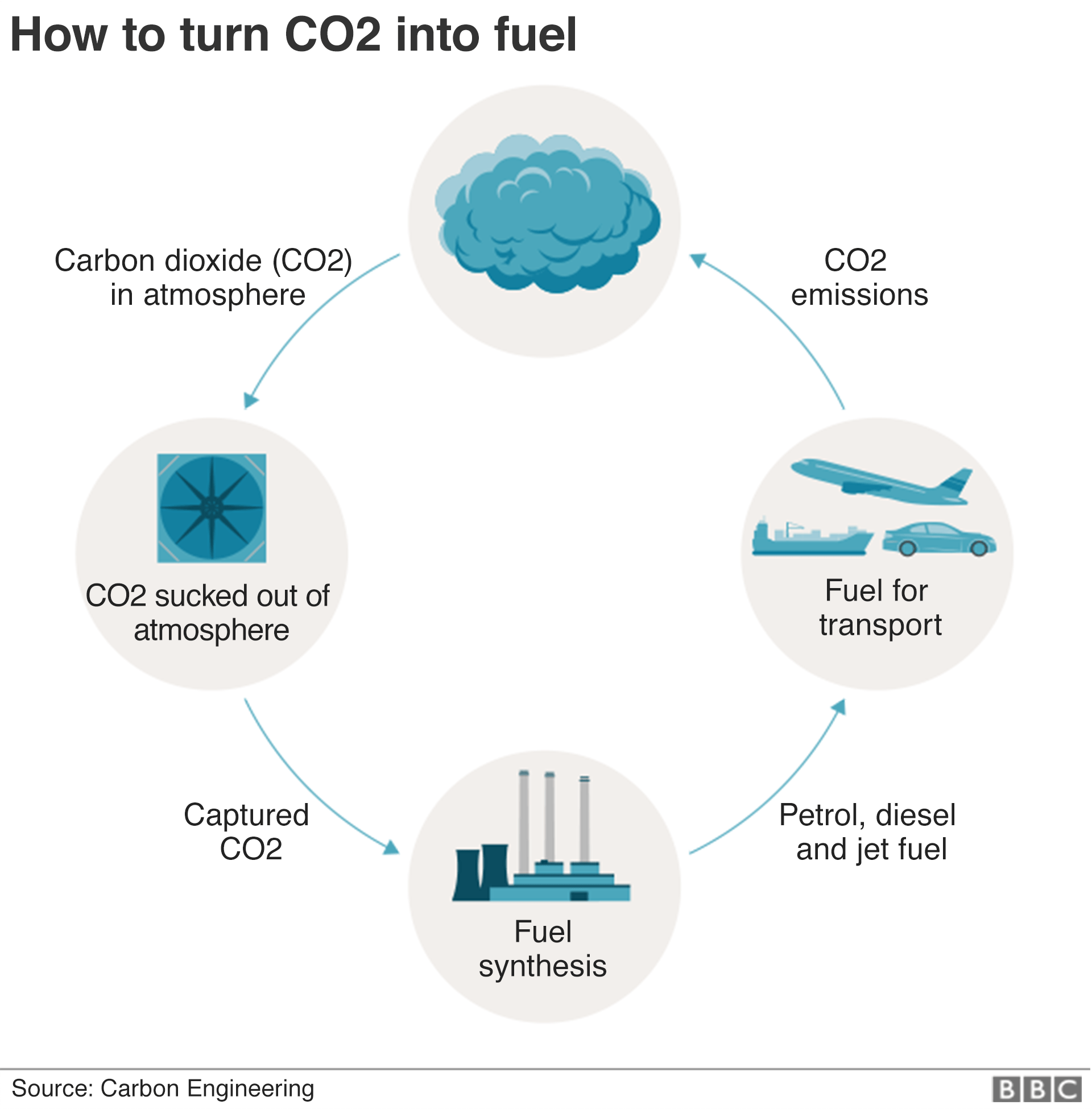
Recycling CO2 This is mainly about CCS (Carbon Capture and Storage), a topic on which I’ve blogged previously.
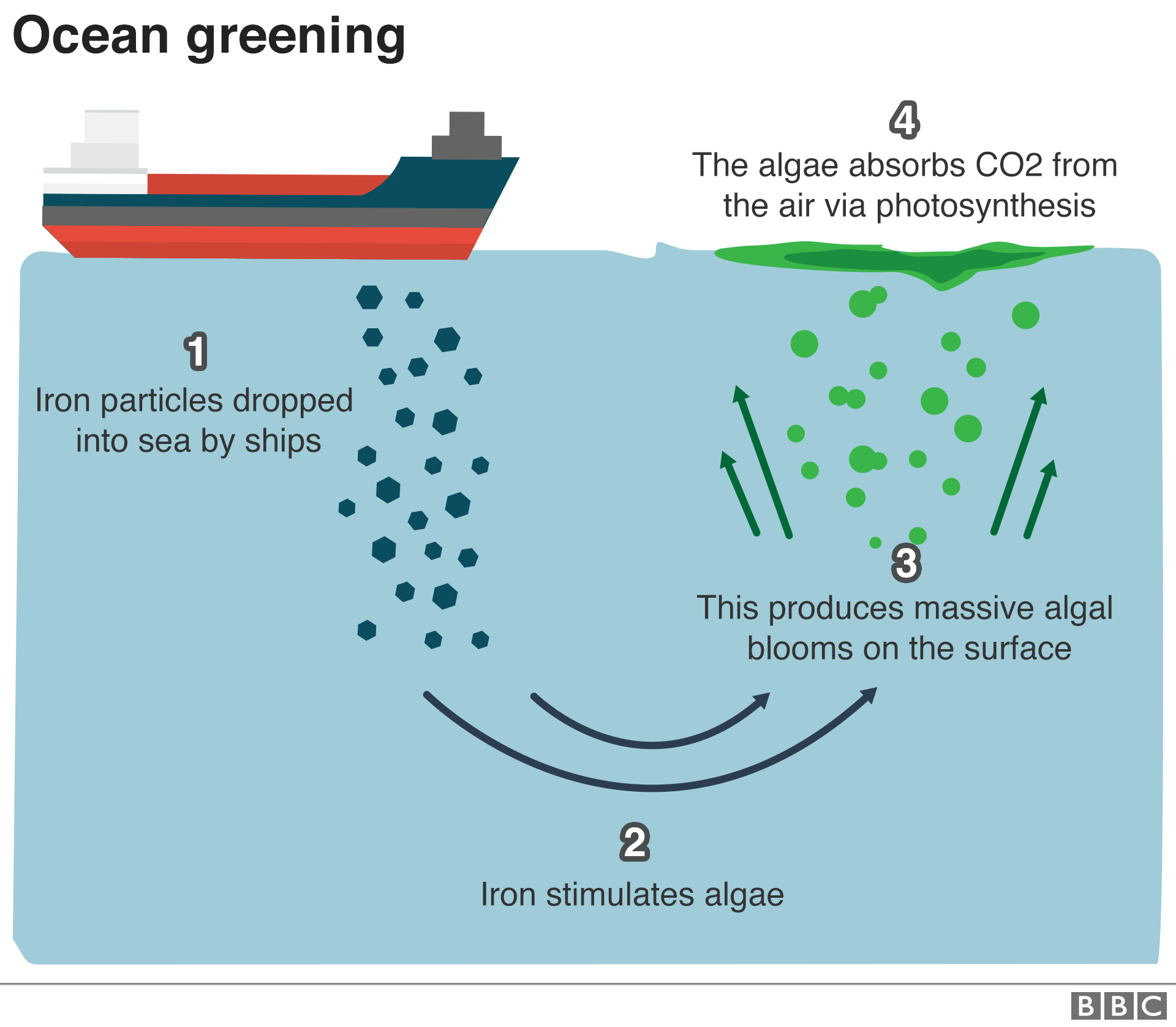
Ocean Greening This is mainly about fertilizing the sea with iron salts (rusts) which promote the growth of plankton.
Your thoughts? If you put your project management hat on, and think about secondary risk. Do these activities pose a threat, in terms of what they may do to the environment beyond the intended result? I personally think there is nothing wrong with researching these ideas (with secondary risk in mind) and in parallel looking at ways to reduce the production of greenhouse gasses and pollutants. What do you think? |