


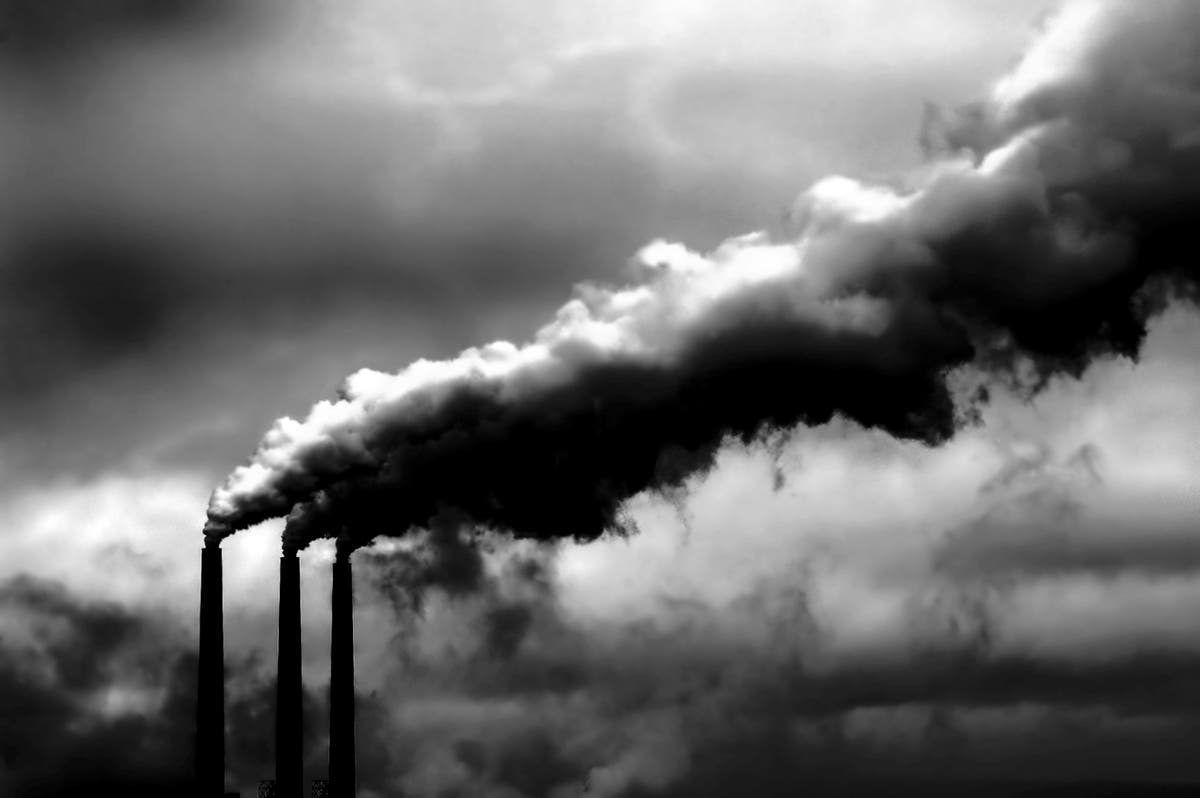
 use gases and global climate change in our



Guessing is not a strategy: How to build decision velocity with AI and real-time data
June 10, 2026 | Live Webinar

You Can't Get They-ah From Hee-yah
Floating an idea into reality: the other side of the AI Project Paradox
The Environment of the Built Environment: an AI Paradox
6th, 6th Edfition, 6th Edition PMBOK, 7th Edition, 7th Edition PMBOK, 8th Edition PMBOK, 8th Edition PMBOK Guide, Activism, actuarial, actuary, adapt, addition by subtraction, Africa, africa, agriculture, airforce, ajaita, Alaska, amazon, analogous, analytics, ancient, and more power, antarctica, anti-science, apple, apps, architecture, arctic, arrakis, Artificial Intelligence, asch paradigm, Assistant, asthma, astronomy, automobile, automotive, autonomous cars, b, bankhar, Banksy Crypto, basalt, baseball, bats, batter, beauty products, benefit, benefits, Benefits Realization, beyond epica, biases, bicycle, big data, big dfata, big dig, bike, biodiversity, biomedicine, birdhouse, blockchain, blood, blue blood, blue trees, bluefin, bluefin tuna, book review, boston, boston university, Boyce, Brazil, brazil, Breakdown Structures, BS, building, buildings, built environment, built environment, bumblebee, cake, capacitor, car, Carbon, carbon, carbon capture, carbon negative, carbon neutral, carbon pool, carbon sequestration, carbonate, careers, CEO, ChatGPT, chatGPT, chatgpt, chatgpt, chess, China, china, chopsticks, citrus, cli-fi, climate, climate change, climate resilience, climeworks, Clumsy, CO2, co2, CO2 Utilization, coalition, cobalt, coffee pods, cognition, cognitive, Collabortion, colombia, concrete, Conflict, construction 5.0, cool projects xyloscope, cooling, coral, corn, cost of good quality, cost of poor quality, cost of quality, crazy, criticism of project management, cryptocurrency, CSR, csr, data, data analytics, data privacy, datacenter, dataset, death spiral, Decision Making, decomposition, Defense and Climate, definition of a project, deforestation, dependencies, dependency, desert, DIKW, dikw, dimopoulos, disposal, dna, DOD, dogs, dolphins, dream, drilling, drink, dune, dune, dutch, early start, earth, eatlocal, eco-tourism, ecological, economic, economics, EKC, electric grid, electricity, electronics, elysis, embodied carbon, emerging technologies, empower, Energy, energy efficiency, environmental degradation, escalate, escalation, ESG, extreme weather, fallacy, FARC, farming, finance, fish, fish brains, fishing, fix, fixing the earth, flint water, Flint Water Supply, flood, flooding, Food supply chain, food waste, forest, forest for the trees, forestation, forrestgump, frank herbert, Fruitcake, fungus, fusion, Galvao, garage, gas, gasoline, geese, gender equality, gender partnerships, generational differences, Generative AI, gladwell, gold, Goodness, google, Government, GPT, great pacific garbage patch, green, green building, green buildings, green energy, green iguana, green project, green project management, greening, guest post, gyre, harkonnen, Harvesting Benefits, hawasina, hedgehogs, heursitics, historical data, hlb, holitsic, holland, horseshoe crab, human-caused climate change, hydrogen, hydrology, ice, iceland, ignition, iguana, imagery, impact, india, inequality, information, initiatives, injection, insurance, intelligence, interacting risk, internal combustion engine, invasive species, investment, isomer, issue escalation, issues, ITER, jobs, Jupiter, justification, kids, kill point, knowledge, koch brothers, Kuznets, laboratory, LAL, landscape mode, lapampa, launch, LCA, Leadership, Leadership, life cycle analyses, life cycle analysis, lifecycle, Linkedin, liquid, lizard, local, long term, long-term, long-term thinking, look up, loud, maintenance, maker, makermovement, malcolm gladwell, management, marathon, marine biology, market, mars, Martin Luther King, mean, megawatt, MeHg, melting, mercury, metal, Microgrid, microplastics, migration, military, millennial, mindset, minerals, mission, mitigate, MLK, mongolia, museum, museum of london, nature, nematodes, net gain, Net Project Success Score, net zero, netherlands, network, New book, New Jersey, New Practitioners, new york, NFT, nitrogen, noise, noreaster, norway, nova, NPSS, NREL, ocean, ocean cleanup, ocean life, oil rig, oil rigs, oklahoma, oman, only murders in the building, opportunity, overall risk, oxygen, packaging, pareto, PBS, permafrost, persistence, peru, Pharmaceutical, planet, planet.com, planning, plant, plasma, plastic, playground, pm, pm education, pmbok, pmbok guide, pmnetwork, PMXPO-2018, podcast, pollutants, pollution, poop, poor, portfolio, power, power skills, privacy, privacy concerns, professors, program, Program Management, project, project leader, project leadership, project management, project management 3.0, project on fire, project progress, Project Success, project success, projecticity, projectleadership, projectmanagement, projects, psychology, pulse of the profession, purple bacteria, purpose, quiet, rainforest, rationale, reef, refugees, renewable, renewables, Repair, repair, repeatable process, repeatable processes, repurpose, research, resource breakdown strucuture, Resource Management, reversing climate change, revisionist history, rich, rigs2reefs, ripe, risk, risk avoidance, Risk Management, risk mitigation, risk response, risk responses, river, robots, rocks, rules of thumb, rural, rural India, russia, Sarcasm/Irony, satellite, saudi, schedule, sci-fi, Science, science, science-fiction, scientific american, screaming monkeys, sea, sea life, Sea-Level Rise, sea-level rise, seagreens, seawall, seawater, seawater temperature, seaweed. beat;es. farming, secondary risk, selena gomez, sequestration, shipping, skyscraper, SLR, smart cities, smart city, smelting, social, social pressure, soil, solar, solar panels, solar perovkites, solar saheli, sonic, sponge cities, SRI, stage-gate, stagegate, stakeholder, stakeholder management, steward, stewardship, storage, strategy, stupid, success, suffer, sulphur, sunk cost, supercapacitor, supply chain, survey, Sustainability, sustainability, Sustainable Investing, Sustainable Tourism, sybiosis, symbiosis, system 03, TBL, temperature, terraform, terraforming, test, threat, threats, totem, touchscreen, tour, tower, Trains, transparency, transportation, trash, tree, tree species, trees, trillion, triple bottom line, triple constraint, truth to power, UMass, us army corps of engineers, USDA, vacuum, value, venus, vision, voice, voltage optimization, vw scandal, washing machine, waste, wastewater, water, we mean business, whales, Whirlpool, wind, wisdom, women, Women in Project Management, wood wide web, woonerf, Work Breakdown Structures (WBS), world breakdown structure, worms, xian, xylotron, Yale


|
People always ask us, "do I need to be an expert in a field to manage projects in that practice area?". Our answer is, of course, 'it depends'. But if pushed, the answer is no. No, one doesn't need to be an expert. But what one needs is something critical and that is conversancy. One needs to be able to talk intelligently and to know how to find out more and to find the expertise, even if it isn't directly part of your own capability. I suppose we could say that one doesn't need to be an expert, but one needs to be able to apply expert knowledge.
To that end, we'd like to help you take advantage of some recent research which will provide you with increased conversancy on the topic of clean energy, improving your knowledge not only of the technical aspects of this area but an advantage in terms of knowing where the PM jobs are - and will be - as the green economy grows. After all, Green Project Management, as we've written about in our book, is about the altruism of doing the right thing.... about PMs being the change agents and the ones who can help apply sustainability prinicples on their jobs... but it's also about the other green. The money, the opportunity, the growth, it provides for your PM career. And there's absolutely nothing wrong with doing the right thing for yourself, your career, your discipline of PM. "Clean Energy Trends 2013" was just released by CleanEdge. You can download the entire document here. The 5 trends they identify in this brand-new report are:
Here are some highlights from the report that shows a project manager how to "follow the money" in terms of clean energy project management opportunities:
Together, we project these three sectors will continue to grow over the next decade, nearly doubling from $248.7 billion in 2012 to $426.1 billion in 2022." Here's a graphic from the report for those visual thinkers out there:
So if you're interested in building your conversancy in the area of clean energy, have a look at the report. Do yourself a 'career favor'. |
|
I am continuing to rewrite my course on Green IT for Boston University using a new text book, Harnessing Green IT, Principles and Practices, Wiley @2012, edited by San Murugesan and G. R. Gangadharan. I keep finding gems within the text. In Chapter 9, written by Edward Curry (Digital Enterprise Research Institute, National University of Ireland, Galway) and Brian Donnellan (Innovation Value Institute, National University of Ireland, Galway) entitled Sustainable Information Systems and Green Metrics, they talk about the different levels of sustainability information and what is included in each level. In the Product Level Information, “Understanding the impacts of a product or service requires an analysis of all potential impacts associated with a product, process or service for its entire life cycle. This is achieved by using a technique known as life cycle assessment.” Those of you who are familiar with us (EarthPM) and our book, Green Project Management, are aware of the emphasis we placed on life cycle assessment. We dedicated a full chapter to it and mentioned it in other chapters. That is how important we feel it is to that intersection between green business and project management. Looking at the product level, there are four stages of LCA; goal and scope definition, determining what type of information to give to decision makers about a particular product; inventory analysis, data collection “include all data related to the environment (e.g. CO2); impact assessment, the contribution to selected assessment categories (e.g. energy usage); and finally, interpretation, determining confidence levels of results to communicate to stakeholders. At the Individual Level, it is necessary to understand all of the aspects of sustainability resulting from impacts by individuals. It included the life cycle assessment of products and services we purchase, materials we use in various construction projects, operations of our primary residence and “private travel,” especially longer airplane flights. The Functional Level includes such things as data center efficiencies, data center power metrics, the standard Power Usage Efficiency (PUE) (PUE = Total facility power/IT equipment power) and data center infrastructure efficiency (DCiE) (DCiE = 1/PUE = IT equipment power/total facility power x 100%) and new data center measures like Carbon Usage Effectiveness (CUE) (CUE = CO2 emitted (kg CO2) eq /unit of energy (kWh) x (Total data Center Energy/IT equipment energy). The Organizational Level Information includes establishing sustainability performance metrics or key performance indicators (KPIs) like; investment in environmental protection, GHG emissions, water usage, etc. One can also get to the Regional/City Information Level taking into account quantitative and qualitative criteria around buildings, transportation, water and waste on the city or regional basis. We believe that by looking at sustainability in “chunks” or level, it will be easier both to convince people of the “why” for sustainability”, and the “how” once there are logical ways to measure it. |
|
As Pope Benedict XVI retires and the conclave meets at the Vatican, it's interesting to us to reflect on his leadership with respect to the environment - and the environmental projecs that he launched. Benedict, according to this article in the National Geographic online magazine, "approved a plan to cover the Vatican's Paul VI hall with solar panels, enough to power the lighting, heating, and cooling of a portion of the entire country (which covers, of course, a mere one-fifth of a square mile). He authorized the Vatican's bank to purchase carbon credits by funding a Hungarian forest that would make the Catholic city-state the only country fully carbon neutral. And several years later, he unveiled a new hybrid Popemobile that would be partially electric." But these are (quite literally) surface-level changes. If you will, in project management terms, these are 'operations' changes. What's much deeper, and much more in line with our (I guess you could call it) preaching, is at the mission/vision/values level. Remember, an enterprise is established, per the Stanford Execution Framework which we adopt to describe it, so that at the top level is "Ideation" which includes mission, vision, and values, in the center is "Strategy:, at the bottom is "Operations" (the steady state) and connecting strategy to operations is an entity with which you'll be familiar: projects, programs, and portofolios. So we - as project managers of any denomination - care a great deal about the strategy, mission, vision, and values 'above' us. And what Benedict, and Pope John Paul VI before him did in this area is not insignficant. Again, according to the article, which we recommend to you, "As Benedict begins his retirement today, the better way to judge Benedict's influence might not be in how many solar panels he had installed at the Vatican or how many gallons of gasoline he saved with the Popemobile, but in how he harnessed the influence of his global church to act on the sort of change he advocated. Many national dioceses around the world now include "environmental stewardship" on their list of advocacy topics. In the U.S., bishops have created curricula for discussing sustainability in school and pushed local officials on issues like clean air." An additional article on this topic from the UK's Telegraph can be found here. Also, if this posting intrigues you, the book which we used to illustrate the post can be found here. |
|
We talk about greenho Anyway, the “Initiative” is targeting the reduction of CO2 emissions fromthe current of 165 million tons to 91 million ton – a 45% reduction from 2005 levels. The cap would be lowered an additional 2.5 percent per year from 2015 – 2020. According to a recent article by AP writer Bob Salsberg, “The RGGI cap-and-trade program is the nation’s first market-based regulatory program for greenhouse gases. It requires power plants that generate more than 25 megawatts to purchase an allowance for each ton of carbon they emit. The allowances can be bought and sold among plants, giving companies a financial incentive to operate more cleanly.” The states, Connecticut, Delaware, Massachusetts, my state, Maine, New Hampshire, New York, Rhode Island, and Vermont participate in the initiative. Auctions of the permits will fund green energy projects. Maryland plans to use their revenue for programs for energy efficiency, low-income energy aid, and renewable energy. RGGI predicted that the program will generate approximately $2.2 billion by 2020. While intended as a national model, it has failed to take hold in other parts of the country. The opponents tend to believe that it will increase the cost of power generation which will be passed on to consumers. But according to RGGI, it is expected that carbon allowances will rise from $4 to $10 resulting in an approximately 1% increase in electric bills. Environmental groups as well as scientists applaud the new rules and urge other regions to adopt similar programs. It is just one of the many proposed solutions that in concert could help to reduce greenhouse gas emissions and by extension, help to mitigate future effects of global climate change. It is clear that global climate change is happening. Recent snow storms in the northeast are adding fuel to that argument. However, even late night comedians still wonder if there is global warming as John Stewart said recently, “It's all a conspiracy of those darned 'fat cat' scientists’ It’s cold where I live.” It may seem that way, but the two recent storms we’ve had here in Maine have been heavier and blizzard like, a potential consequence of global warming. "Shorter snow season, less snow overall, but the occasional knockout punch," Princeton University climate scientist Michael Oppenheimer said. "That's the new world we live in." Can we change it? |
|
In an opinion piece from today's Boston Globe, Richard Murray and Daniel Schrag write about rising sea levels in "The Coming Storm". We know that the climate change mantra can sound like doom gloom. I mean, that title...."The Coming Storm". Cue the Rimsky-Korsakov music. Indeed, and to the authors' credit, there is hardly a way to avoid sounding gloomy when the data seems to point to all kinds of problems we'll face together as 'the third rock from the sun' comes to terms with significant impacts from a clearly changing environment. The article, however, despite its grey photo and dreary title, actually speaks of ways in which 'new thinnking', and 'chances of success' - can come into play. These are optimistic concepts for sure. Focusing on the community of Billingsgate Isalnd, a typical New England coastal settlement 100 years ago - which is now gone, the article does move into thoughtful ways, all of which will require projects and project managers, to react positiely to the changes we face. Let me stop here and acknowledge that some of you are thinking, maybe even saying out loud, or even yelling, "these are all just natural occurances...this is normal shifting of tides and normal erosion...who says humans have anything to do with this...". Okay. We know. However, the very fact that this article is publshised, and the very fact that a google search on the word sustainability yields nearly 100 million results, this should tell you that it doesn't matter. Regardless of the origin, the science, and the politics, the fact of the matter is that there is an increased consciousness about climate change and that this increased consiousness will create projects and change the way we think about projects. That is an indisputable fact. We need to at least deal with that. Can we agree? Thanks. Now back to the post... Here's a sample of the article's 'hidden optimism': The best chance of success in minimizing the effects of sea level rise and increasing storm frequency and intensity will collectively involve industry, government, and individual citizens making challenging decisions that are likely to deviate from historical practices and assumptions. If such measures are not taken, then what happened to Billingsgate will not be an isolated story. One strategy, complementary to constructing expensive sea walls, is to invest in resilience. This means acknowledging that flooding will occur, but making sure that after the storm recedes, our buildings can be pumped dry, and that we can recover with only minimal damage. This will require new building codes and some significant costs, although not the massive public investment required for large infrastructure. Another option is a coordinated plan for managed retreat. After the Blizzard of ’78, nearly 10 homes on Peggotty Beach were purchased through a federal program and the land turned over to the Town of Scituate to be kept as open space. Such programs, teamed with enhancing environmental regulations to preserve open space and marshland buffers, can play a role toward managing the growing vulnerability of coastal communities. Insurance companies can also contribute to the solution, as many current policies encourage people to live in harm’s way. Our point at EarthPM - our blog and our book -is that we need to be ready to tackle new projects like the ones to be triggered by climate change. We can focus on making our own projects more sustainable even if they don't seem to have a pure focus on - say - renewable energy. We can get ourselves more well-informed about climate change and the reactions government and industry are having to it (we'll blog more about this shortly). We don't have to hang our heads or panic. Urgent action - sure. Panic and depression....not for us. We're project managers! |
|
What's so great about a mom and pop store? Let me tell you something, if my mom and pop ran a store I wouldn't shop there. - George Costanza |