

 use gases and global climate change in our
 Boston, like Interface Global that we’ve talked about before, is “climbing Mount Sustainability” with the same intended timeframe for completion of its goals, 2020. Here is a little background on Boston for context. Founded in 1630, it is one of the US’s oldest cities. That means that there is a lot of old infrastructure. There are about 625,000 people in Boston, a relatively small city. It covers a little over 48 square miles and has a population density of almost 13,000 people per square mile. Contrast that with New York City which has a little over twice the density. So the less density of population may make it a little easier to implement some sustainability efforts because people are not as crowded together. What are some of those sustainability goals for Boston?
 Whether it is feedback from our website or feedback after a presentation, we’ve often heard “I’m a code writer or a software developer, how could my project be 'green general*.' There are no aspects of sustainability that I can affect with my code.” Our answer is - you’d be surprised how much you, as a programmer, can affect sustainability or greenality (the degree to which an organization has considered environmental (green) factors that affect its projects during the entire life cycle and beyond).


Guessing is not a strategy: How to build decision velocity with AI and real-time data
June 10, 2026 | Live Webinar

You Can't Get They-ah From Hee-yah
Floating an idea into reality: the other side of the AI Project Paradox
The Environment of the Built Environment: an AI Paradox
6th, 6th Edfition, 6th Edition PMBOK, 7th Edition, 7th Edition PMBOK, 8th Edition PMBOK, 8th Edition PMBOK Guide, Activism, actuarial, actuary, adapt, addition by subtraction, Africa, africa, agriculture, airforce, ajaita, Alaska, amazon, analogous, analytics, ancient, and more power, antarctica, anti-science, apple, apps, architecture, arctic, arrakis, Artificial Intelligence, asch paradigm, Assistant, asthma, astronomy, automobile, automotive, autonomous cars, b, bankhar, Banksy Crypto, basalt, baseball, bats, batter, beauty products, benefit, benefits, Benefits Realization, beyond epica, biases, bicycle, big data, big dfata, big dig, bike, biodiversity, biomedicine, birdhouse, blockchain, blood, blue blood, blue trees, bluefin, bluefin tuna, book review, boston, boston university, Boyce, Brazil, brazil, Breakdown Structures, BS, building, buildings, built environment, built environment, bumblebee, cake, capacitor, car, Carbon, carbon, carbon capture, carbon negative, carbon neutral, carbon pool, carbon sequestration, carbonate, careers, CEO, ChatGPT, chatGPT, chatgpt, chatgpt, chess, China, china, chopsticks, citrus, cli-fi, climate, climate change, climate resilience, climeworks, Clumsy, CO2, co2, CO2 Utilization, coalition, cobalt, coffee pods, cognition, cognitive, Collabortion, colombia, concrete, Conflict, construction 5.0, cool projects xyloscope, cooling, coral, corn, cost of good quality, cost of poor quality, cost of quality, crazy, criticism of project management, cryptocurrency, CSR, csr, data, data analytics, data privacy, datacenter, dataset, death spiral, Decision Making, decomposition, Defense and Climate, definition of a project, deforestation, dependencies, dependency, desert, DIKW, dikw, dimopoulos, disposal, dna, DOD, dogs, dolphins, dream, drilling, drink, dune, dune, dutch, early start, earth, eatlocal, eco-tourism, ecological, economic, economics, EKC, electric grid, electricity, electronics, elysis, embodied carbon, emerging technologies, empower, Energy, energy efficiency, environmental degradation, escalate, escalation, ESG, extreme weather, fallacy, FARC, farming, finance, fish, fish brains, fishing, fix, fixing the earth, flint water, Flint Water Supply, flood, flooding, Food supply chain, food waste, forest, forest for the trees, forestation, forrestgump, frank herbert, Fruitcake, fungus, fusion, Galvao, garage, gas, gasoline, geese, gender equality, gender partnerships, generational differences, Generative AI, gladwell, gold, Goodness, google, Government, GPT, great pacific garbage patch, green, green building, green buildings, green energy, green iguana, green project, green project management, greening, guest post, gyre, harkonnen, Harvesting Benefits, hawasina, hedgehogs, heursitics, historical data, hlb, holitsic, holland, horseshoe crab, human-caused climate change, hydrogen, hydrology, ice, iceland, ignition, iguana, imagery, impact, india, inequality, information, initiatives, injection, insurance, intelligence, interacting risk, internal combustion engine, invasive species, investment, isomer, issue escalation, issues, ITER, jobs, Jupiter, justification, kids, kill point, knowledge, koch brothers, Kuznets, laboratory, LAL, landscape mode, lapampa, launch, LCA, Leadership, Leadership, life cycle analyses, life cycle analysis, lifecycle, Linkedin, liquid, lizard, local, long term, long-term, long-term thinking, look up, loud, maintenance, maker, makermovement, malcolm gladwell, management, marathon, marine biology, market, mars, Martin Luther King, mean, megawatt, MeHg, melting, mercury, metal, Microgrid, microplastics, migration, military, millennial, mindset, minerals, mission, mitigate, MLK, mongolia, museum, museum of london, nature, nematodes, net gain, Net Project Success Score, net zero, netherlands, network, New book, New Jersey, New Practitioners, new york, NFT, nitrogen, noise, noreaster, norway, nova, NPSS, NREL, ocean, ocean cleanup, ocean life, oil rig, oil rigs, oklahoma, oman, only murders in the building, opportunity, overall risk, oxygen, packaging, pareto, PBS, permafrost, persistence, peru, Pharmaceutical, planet, planet.com, planning, plant, plasma, plastic, playground, pm, pm education, pmbok, pmbok guide, pmnetwork, PMXPO-2018, podcast, pollutants, pollution, poop, poor, portfolio, power, power skills, privacy, privacy concerns, professors, program, Program Management, project, project leader, project leadership, project management, project management 3.0, project on fire, project progress, Project Success, project success, projecticity, projectleadership, projectmanagement, projects, psychology, pulse of the profession, purple bacteria, purpose, quiet, rainforest, rationale, reef, refugees, renewable, renewables, Repair, repair, repeatable process, repeatable processes, repurpose, research, resource breakdown strucuture, Resource Management, reversing climate change, revisionist history, rich, rigs2reefs, ripe, risk, risk avoidance, Risk Management, risk mitigation, risk response, risk responses, river, robots, rocks, rules of thumb, rural, rural India, russia, Sarcasm/Irony, satellite, saudi, schedule, sci-fi, Science, science, science-fiction, scientific american, screaming monkeys, sea, sea life, Sea-Level Rise, sea-level rise, seagreens, seawall, seawater, seawater temperature, seaweed. beat;es. farming, secondary risk, selena gomez, sequestration, shipping, skyscraper, SLR, smart cities, smart city, smelting, social, social pressure, soil, solar, solar panels, solar perovkites, solar saheli, sonic, sponge cities, SRI, stage-gate, stagegate, stakeholder, stakeholder management, steward, stewardship, storage, strategy, stupid, success, suffer, sulphur, sunk cost, supercapacitor, supply chain, survey, Sustainability, sustainability, Sustainable Investing, Sustainable Tourism, sybiosis, symbiosis, system 03, TBL, temperature, terraform, terraforming, test, threat, threats, totem, touchscreen, tour, tower, Trains, transparency, transportation, trash, tree, tree species, trees, trillion, triple bottom line, triple constraint, truth to power, UMass, us army corps of engineers, USDA, vacuum, value, venus, vision, voice, voltage optimization, vw scandal, washing machine, waste, wastewater, water, we mean business, whales, Whirlpool, wind, wisdom, women, Women in Project Management, wood wide web, woonerf, Work Breakdown Structures (WBS), world breakdown structure, worms, xian, xylotron, Yale


|
We talk about greenho Anyway, the “Initiative” is targeting the reduction of CO2 emissions fromthe current of 165 million tons to 91 million ton – a 45% reduction from 2005 levels. The cap would be lowered an additional 2.5 percent per year from 2015 – 2020. According to a recent article by AP writer Bob Salsberg, “The RGGI cap-and-trade program is the nation’s first market-based regulatory program for greenhouse gases. It requires power plants that generate more than 25 megawatts to purchase an allowance for each ton of carbon they emit. The allowances can be bought and sold among plants, giving companies a financial incentive to operate more cleanly.” The states, Connecticut, Delaware, Massachusetts, my state, Maine, New Hampshire, New York, Rhode Island, and Vermont participate in the initiative. Auctions of the permits will fund green energy projects. Maryland plans to use their revenue for programs for energy efficiency, low-income energy aid, and renewable energy. RGGI predicted that the program will generate approximately $2.2 billion by 2020. While intended as a national model, it has failed to take hold in other parts of the country. The opponents tend to believe that it will increase the cost of power generation which will be passed on to consumers. But according to RGGI, it is expected that carbon allowances will rise from $4 to $10 resulting in an approximately 1% increase in electric bills. Environmental groups as well as scientists applaud the new rules and urge other regions to adopt similar programs. It is just one of the many proposed solutions that in concert could help to reduce greenhouse gas emissions and by extension, help to mitigate future effects of global climate change. It is clear that global climate change is happening. Recent snow storms in the northeast are adding fuel to that argument. However, even late night comedians still wonder if there is global warming as John Stewart said recently, “It's all a conspiracy of those darned 'fat cat' scientists’ It’s cold where I live.” It may seem that way, but the two recent storms we’ve had here in Maine have been heavier and blizzard like, a potential consequence of global warming. "Shorter snow season, less snow overall, but the occasional knockout punch," Princeton University climate scientist Michael Oppenheimer said. "That's the new world we live in." Can we change it? |
|
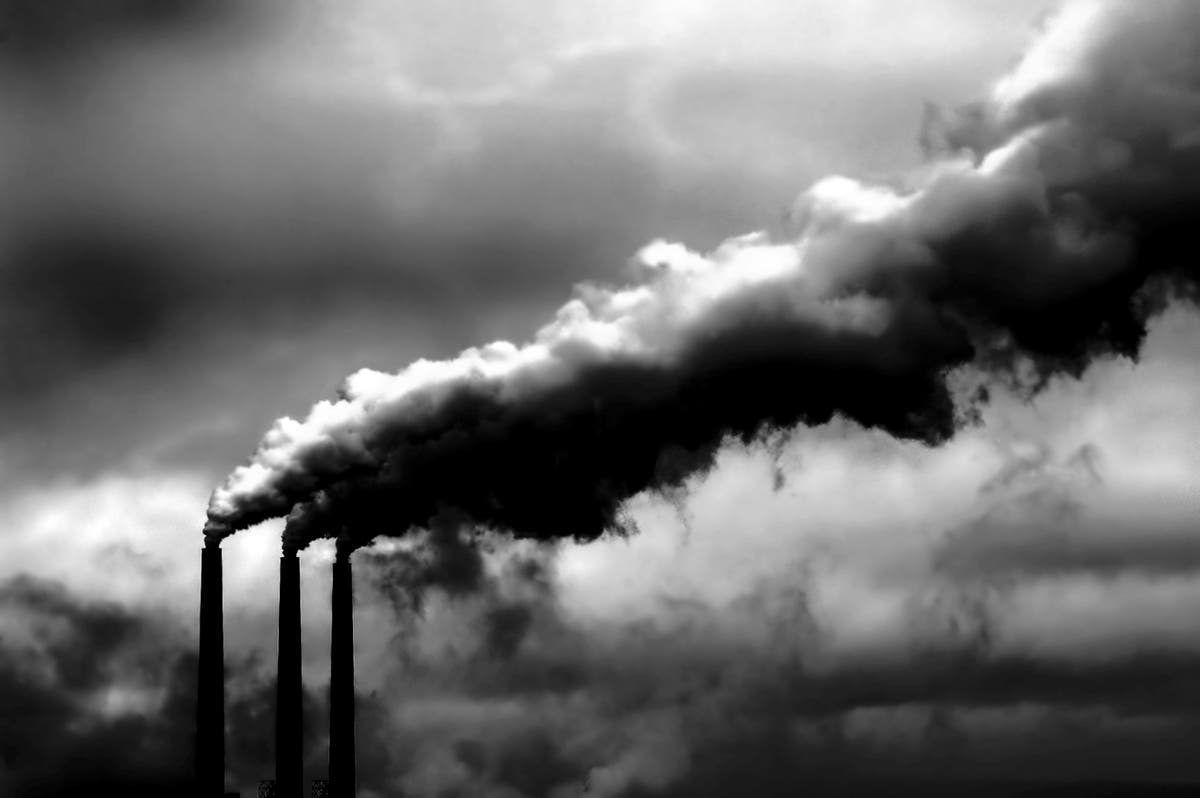
In an opinion piece from today's Boston Globe, Richard Murray and Daniel Schrag write about rising sea levels in "The Coming Storm". We know that the climate change mantra can sound like doom gloom. I mean, that title...."The Coming Storm". Cue the Rimsky-Korsakov music. Indeed, and to the authors' credit, there is hardly a way to avoid sounding gloomy when the data seems to point to all kinds of problems we'll face together as 'the third rock from the sun' comes to terms with significant impacts from a clearly changing environment. The article, however, despite its grey photo and dreary title, actually speaks of ways in which 'new thinnking', and 'chances of success' - can come into play. These are optimistic concepts for sure. Focusing on the community of Billingsgate Isalnd, a typical New England coastal settlement 100 years ago - which is now gone, the article does move into thoughtful ways, all of which will require projects and project managers, to react positiely to the changes we face. Let me stop here and acknowledge that some of you are thinking, maybe even saying out loud, or even yelling, "these are all just natural occurances...this is normal shifting of tides and normal erosion...who says humans have anything to do with this...". Okay. We know. However, the very fact that this article is publshised, and the very fact that a google search on the word sustainability yields nearly 100 million results, this should tell you that it doesn't matter. Regardless of the origin, the science, and the politics, the fact of the matter is that there is an increased consciousness about climate change and that this increased consiousness will create projects and change the way we think about projects. That is an indisputable fact. We need to at least deal with that. Can we agree? Thanks. Now back to the post... Here's a sample of the article's 'hidden optimism': The best chance of success in minimizing the effects of sea level rise and increasing storm frequency and intensity will collectively involve industry, government, and individual citizens making challenging decisions that are likely to deviate from historical practices and assumptions. If such measures are not taken, then what happened to Billingsgate will not be an isolated story. One strategy, complementary to constructing expensive sea walls, is to invest in resilience. This means acknowledging that flooding will occur, but making sure that after the storm recedes, our buildings can be pumped dry, and that we can recover with only minimal damage. This will require new building codes and some significant costs, although not the massive public investment required for large infrastructure. Another option is a coordinated plan for managed retreat. After the Blizzard of ’78, nearly 10 homes on Peggotty Beach were purchased through a federal program and the land turned over to the Town of Scituate to be kept as open space. Such programs, teamed with enhancing environmental regulations to preserve open space and marshland buffers, can play a role toward managing the growing vulnerability of coastal communities. Insurance companies can also contribute to the solution, as many current policies encourage people to live in harm’s way. Our point at EarthPM - our blog and our book -is that we need to be ready to tackle new projects like the ones to be triggered by climate change. We can focus on making our own projects more sustainable even if they don't seem to have a pure focus on - say - renewable energy. We can get ourselves more well-informed about climate change and the reactions government and industry are having to it (we'll blog more about this shortly). We don't have to hang our heads or panic. Urgent action - sure. Panic and depression....not for us. We're project managers! |
|
One of the major 2020 goals is to reduce greenhouse gas (GHG) emissions by 25%. There is a lot of mass transportation infrastructure in and around Boston that could make it happen. Additionally, by 2050, the goal is to reduce GHG emissions by 80%. Another, and we believe very smart goal, is to” incorporate projected climate change into formal planning and project review process. “There are two things that can be said about this effort. The first is that there is an acknowledgement of climate change at the highest levels of city government. The second, we believe, is that new construction/renovation projects will include the “risk” of climate change, like taking into consideration severe weather and other changes to the climate. In June of 2011, I was in Boston teaching when a huge tornado touched down in western Massachusetts and a smaller one hit closer to the city of Boston. That night, and I was a witness, the city suffered some severe thunderstorms not seen before. So it is just smart that Boston look to protect its citizenry by accounting for that type of climate change risks. The city is also intending on a city-wide effort to get the community and community leaders involved in the effort. Finally, another very smart initiative is to “develop innovative businesses and workforce skills to take advantage of climate action opportunities.” This is not unlike the message we have in our book and what we have been saying for more than three years now, project managers need to be aware of sustainability efforts because of the potential job opportunities, not just building a wind farm or adding solar panels to a roof top. The potential is that all projects have some aspect of sustainability, and by being aware of those aspects, a project manager can broaden his or her horizons. For further information on how you can help your city, big or small, see Boston’s green game plan. For more information on our efforts please visit our website. Inspiration: Suffolk Law, Alumni Magazine, Winter 2013, Shades of Green |
|
Today, on Superbowl Sunday* - it seems appropriate to talk about success. For our local team, the New England Patriots, it was a successful season - to a point. They had a tremendous year, but did not win in their game against the Baltimore Ravens, who now advance to the Superbowl to play the NFC's winner, the San Francisco 49'ers. But what about PROJECT success? This has been getting a lot of dicussion lately, and we've been paying attention, becuase a careless definition of project success would be counterproductive to sustainable project management which is our main focus. Let's use as an example an article iIn this month's issue of Project Management Journal. This journal, by the way, is often overlooked by practitioners of our field, becuase authors insist on using words in their article titles (and these are all real examples) like:
These are not always the favorites of a casual weekend reader. Still, there is excellent material in the articles - one needs to just trust that you can get past those academic titles and find that value. It's there. In this month's issue, there is one article called, "Managing the Intangible Aspects of a Project: The Affect of Vision, Artifacts, and Leader Values on Project Spirit and Success in Technology-Driven Projects". Yes - it's a mouthful, as usual, but it's actually quite an interesting article with findings about how motivation and success are related to the amount of effort put into the 'team spirit' and identity of a proejct team. But we were intrigued (quite orthagonally and in a Bayesian sense) by the listing they featured on the definition of "project success". Here it is:
Notice that we have highlighted the bottom chunk of 'success bullets' in green. Why? These green bullets - and we applaud the authors for this - go beyond the traditional view that project managers usually take when they look at project success (and therefore project completion). By taking the view that these 'greener' bullets indicate, the PM takes the longer-term, more sustainable view that we have been talking about now for about four years. We would of course add some others, and we did in our book, Green Project Management. But for now, just focus on these authors' bullets. We will continue to blog on this subject, in fact we have a request in to the authors of this article for more data about these definitions and how they contributed to 'project spirit'; but for now, we'd like to hear from you. How many of the above bullets do YOU and YOUR PROJECT TEAM use when defining success? So, as you watch the Superbowl - or during halftime as you count up the money you may have won by selecting squares for the end-of-quarter-scores - think about this. And take a moment to respond, we really are interested in your definition of project success in the light of these bullets.
*in the United States, this is our celebration of the final game of the American Footbal season, with the winners of the National and American Football Conferences playing each other for the National Footbal League championship |
|
For instance, and I am sure that the software geeks out there know this, but the way you write software can influence the power used by the computer's processor. If you can reduce the “energy” required to execute your instructions, you can reduce the overall energy required to run a data center, therefore saving precious resources. So how does one do that? I have written and am teaching a graduate course at Boston University called “Green IT”. I am using a new book this semester called Harnessing Green IT: Principles and Practices, edited by San Murugesan and G.R. Gangadharan, @ 2012 John Wiley and Sons Ltd. In Chapter 2, Bob Steigerwald and Abhishek Agarwal from Intel talk about some energy saving software techniques. As an example, for DVD playback applications, “you could implement read-ahead buffering methodology and allow the optical drive to take breaks rather than continuously spinning. “ They also talk about; computational efficiency - using more efficient algorithms and multi-threading, data efficiency – effectively using cache memories, and idle efficiency and evaluating a monitoring software impact to platform power - using the PowerCfg utility in Windows7 to determine whether an application has increased the platform timing resolution, thus decreasing the amount of idle time used to reduce power consumption. Just when you thought that what you do doesn’t have any effect on greenality, you find out that using some software methodologies, designs and development tools, you can have a positive effect on reducing the energy required to process data. That is a positive effect on the environment and it reduces costs, all the while people are “doing the right thing”, plant, people, profits. * In our book, we have cover the “spectrum of green” from Green by Definition – building a wind farm, Green by Project Impact – Boston’s Big Dig, Green by Product Impact – Keurig’s K-Cups and Green General – a new software release. I just love this picture, and I realize the caption is a little small so I will explain the jist. This a a mock up of what the RAND Corporation thought the home computer might look like in 2004. Looks like this was published in the 1950's. |
|
"Life begins at 40, but often so does arthritis and the habit of telling the same story three times to the same person." - Sam Levenson |