Inspired by the film, Cities of the Future (see last blog post, “An Optimist’s View of Construction Projects and Programs”), I wanted to look at the engineering, project management, and specifically to dig even further into the sponsorship and chartering of the initiatives I saw in the film.
How did they get started? What was the rationale? Who were the sponsors? How did they identify the key stakeholders for inception, construction, and use? How did they get stakeholders to align?
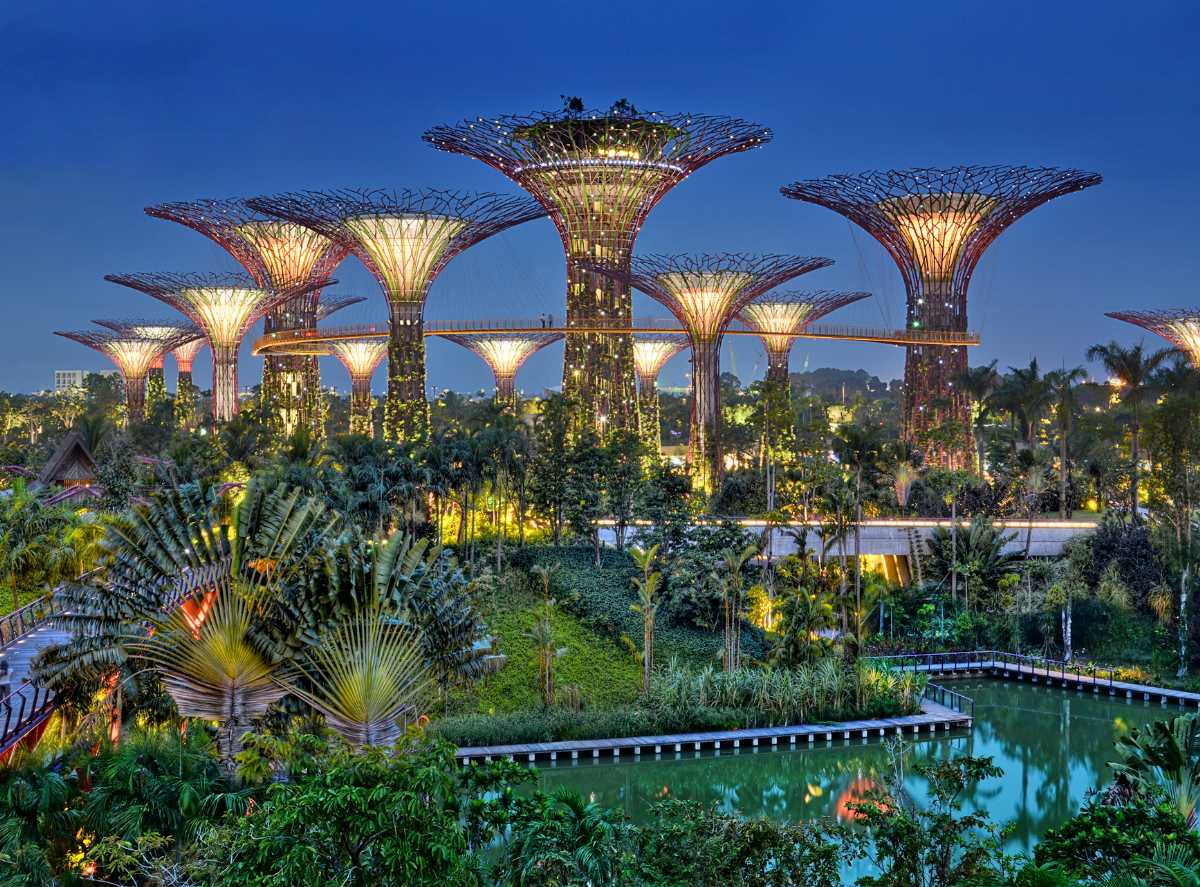
Having already covered The Edge, an amazing office building in Amsterdam, I shift here to Singapore, partially because the IMAX images of things like the Gardens by the Bay, the Marina Sands Expansion Project, and the tree-planting efforts literally evoked a collective gasp from the audience. I admit it – I was one of the louder gaspers.
It turns out that these efforts (as you may have figured) don’t happen on their own. It takes a collaboration of government, industry, academia, as well as engineering prowess and, of course, great project leadership to get things like this started, done – done well, and maintained – thoughtfully.
I came across an interview in ASCE’s with civil engineer Paul Lee, who was featured in the film – pretty much your tour guide to go along with John Krasinski’s narration.
CE (Q): Your own career path has not followed that of a typical civil engineer — you’ve worked as an engineer in technical and governmental policy positions. How might the civil engineers who design future cities need to expand their own experience or expertise in perhaps nontraditional ways?
PL (A): A lot of times we think of civil engineering as a field that has discrete, specific areas. In school, we talk about our track or specialization, such as structural or geotechnical engineering. But more and more, from what I’ve noticed, civil engineers have greater roles and responsibilities as far as project management, planning, and policymaking. And there will be greater opportunities in which our work will be more intersectional, more policy related, more holistic.
I think this speaks to the blurred lines we see even in my work at Boston University. Civil Engineers need project management (and project LEADERSHIP) skills and traits. Project Managers (and the certifications and training that go along with our field) need to know more about the technical fields in which they work.
Bloomberg has produced a short video which gives some context about the drivers for these initiatives – watch it here.
Singapore’s Green Plan is the portfolio of programs and projects. I think that’s worth a deeper dive.
Singapore Green Plan
The portfolio has 5 key pillars (we can think of these as programs).
City in Nature
Sustainable Living
Energy Reset
Green Economy
Resilient Future
Here is a breakdown of the key initiatives within each pillar:
1. City in Nature
This pillar aims to create a greener, more livable, and sustainable home for Singaporeans by restoring nature to the urban landscape.
Key initiatives:
Plant one million more trees across Singapore by 2030.
Increase the land area of nature parks by over 50%.
Ensure every household is within a 10-minute walk of a park.
Strengthen the connectivity between green spaces through park connectors.
2. Sustainable Living
This pillar focuses on encouraging Singaporeans to adopt a more sustainable way of life, with an emphasis on reducing carbon emissions and waste.
Key initiatives:
Reduce waste sent to landfill per capita per day by 30% by 2030.
Encourage water efficiency and reduce household water consumption.
Reduce carbon emissions in schools and implement eco-stewardship programs.
Promote sustainable transportation habits, including public transport, cycling, and walking.
3. Energy Reset
The goal of this pillar is to lower Singapore's carbon footprint by using cleaner energy and increasing energy efficiency.
Key initiatives:
Quadruple solar energy deployment by 2025 and increase it to at least 2 GWp by 2030.
Transition all newly registered cars to cleaner-energy models by 2030.
Deploy 60,000 electric vehicle (EV) charging points nationwide by 2030.
Make 80% of buildings in Singapore "green" by 2030 under the Green Mark scheme.
4. Green Economy
This pillar seeks to create new job opportunities and transform industries by leveraging sustainability as a competitive advantage.
Key initiatives:
Position Singapore as a leading hub for green finance and carbon services in Asia.
Develop Jurong Island into a sustainable energy and chemicals park.
Implement programs, like the Enterprise Sustainability Programme, to help companies, especially SMEs, develop sustainability capabilities.
Attract and foster sustainable tourism.
5. Resilient Future
This pillar focuses on strengthening Singapore's resilience against climate change, including addressing rising sea levels and ensuring food security.
Key initiatives:
Develop coastal protection measures for vulnerable areas.
Enhance food security by targeting to meet 30% of Singapore's nutritional needs with local produce by 2030.
Mitigate the urban heat island effect.
Strengthen research and development in climate resilience.
Here’s a short summary video that covers the Green Plan, coming from the Singapore government (with more detail here).
Finally, since this month’s posts have been about optimism, I leave you with an enjoyable walkthrough of Gardens by the Bay




 Community Champion



