








Guessing is not a strategy: How to build decision velocity with AI and real-time data
June 10, 2026 | Live Webinar

You Can't Get They-ah From Hee-yah
Floating an idea into reality: the other side of the AI Project Paradox
The Environment of the Built Environment: an AI Paradox
6th, 6th Edfition, 6th Edition PMBOK, 7th Edition, 7th Edition PMBOK, 8th Edition PMBOK, 8th Edition PMBOK Guide, Activism, actuarial, actuary, adapt, addition by subtraction, Africa, africa, agriculture, airforce, ajaita, Alaska, amazon, analogous, analytics, ancient, and more power, antarctica, anti-science, apple, apps, architecture, arctic, arrakis, Artificial Intelligence, asch paradigm, Assistant, asthma, astronomy, automobile, automotive, autonomous cars, b, bankhar, Banksy Crypto, basalt, baseball, bats, batter, beauty products, benefit, benefits, Benefits Realization, beyond epica, biases, bicycle, big data, big dfata, big dig, bike, biodiversity, biomedicine, birdhouse, blockchain, blood, blue blood, blue trees, bluefin, bluefin tuna, book review, boston, boston university, Boyce, Brazil, brazil, Breakdown Structures, BS, building, buildings, built environment, built environment, bumblebee, cake, capacitor, car, Carbon, carbon, carbon capture, carbon negative, carbon neutral, carbon pool, carbon sequestration, carbonate, careers, CEO, ChatGPT, chatGPT, chatgpt, chatgpt, chess, China, china, chopsticks, citrus, cli-fi, climate, climate change, climate resilience, climeworks, Clumsy, CO2, co2, CO2 Utilization, coalition, cobalt, coffee pods, cognition, cognitive, Collabortion, colombia, concrete, Conflict, construction 5.0, cool projects xyloscope, cooling, coral, corn, cost of good quality, cost of poor quality, cost of quality, crazy, criticism of project management, cryptocurrency, CSR, csr, data, data analytics, data privacy, datacenter, dataset, death spiral, Decision Making, decomposition, Defense and Climate, definition of a project, deforestation, dependencies, dependency, desert, DIKW, dikw, dimopoulos, disposal, dna, DOD, dogs, dolphins, dream, drilling, drink, dune, dune, dutch, early start, earth, eatlocal, eco-tourism, ecological, economic, economics, EKC, electric grid, electricity, electronics, elysis, embodied carbon, emerging technologies, empower, Energy, energy efficiency, environmental degradation, escalate, escalation, ESG, extreme weather, fallacy, FARC, farming, finance, fish, fish brains, fishing, fix, fixing the earth, flint water, Flint Water Supply, flood, flooding, Food supply chain, food waste, forest, forest for the trees, forestation, forrestgump, frank herbert, Fruitcake, fungus, fusion, Galvao, garage, gas, gasoline, geese, gender equality, gender partnerships, generational differences, Generative AI, gladwell, gold, Goodness, google, Government, GPT, great pacific garbage patch, green, green building, green buildings, green energy, green iguana, green project, green project management, greening, guest post, gyre, harkonnen, Harvesting Benefits, hawasina, hedgehogs, heursitics, historical data, hlb, holitsic, holland, horseshoe crab, human-caused climate change, hydrogen, hydrology, ice, iceland, ignition, iguana, imagery, impact, india, inequality, information, initiatives, injection, insurance, intelligence, interacting risk, internal combustion engine, invasive species, investment, isomer, issue escalation, issues, ITER, jobs, Jupiter, justification, kids, kill point, knowledge, koch brothers, Kuznets, laboratory, LAL, landscape mode, lapampa, launch, LCA, Leadership, Leadership, life cycle analyses, life cycle analysis, lifecycle, Linkedin, liquid, lizard, local, long term, long-term, long-term thinking, look up, loud, maintenance, maker, makermovement, malcolm gladwell, management, marathon, marine biology, market, mars, Martin Luther King, mean, megawatt, MeHg, melting, mercury, metal, Microgrid, microplastics, migration, military, millennial, mindset, minerals, mission, mitigate, MLK, mongolia, museum, museum of london, nature, nematodes, net gain, Net Project Success Score, net zero, netherlands, network, New book, New Jersey, New Practitioners, new york, NFT, nitrogen, noise, noreaster, norway, nova, NPSS, NREL, ocean, ocean cleanup, ocean life, oil rig, oil rigs, oklahoma, oman, only murders in the building, opportunity, overall risk, oxygen, packaging, pareto, PBS, permafrost, persistence, peru, Pharmaceutical, planet, planet.com, planning, plant, plasma, plastic, playground, pm, pm education, pmbok, pmbok guide, pmnetwork, PMXPO-2018, podcast, pollutants, pollution, poop, poor, portfolio, power, power skills, privacy, privacy concerns, professors, program, Program Management, project, project leader, project leadership, project management, project management 3.0, project on fire, project progress, Project Success, project success, projecticity, projectleadership, projectmanagement, projects, psychology, pulse of the profession, purple bacteria, purpose, quiet, rainforest, rationale, reef, refugees, renewable, renewables, Repair, repair, repeatable process, repeatable processes, repurpose, research, resource breakdown strucuture, Resource Management, reversing climate change, revisionist history, rich, rigs2reefs, ripe, risk, risk avoidance, Risk Management, risk mitigation, risk response, risk responses, river, robots, rocks, rules of thumb, rural, rural India, russia, Sarcasm/Irony, satellite, saudi, schedule, sci-fi, Science, science, science-fiction, scientific american, screaming monkeys, sea, sea life, Sea-Level Rise, sea-level rise, seagreens, seawall, seawater, seawater temperature, seaweed. beat;es. farming, secondary risk, selena gomez, sequestration, shipping, skyscraper, SLR, smart cities, smart city, smelting, social, social pressure, soil, solar, solar panels, solar perovkites, solar saheli, sonic, sponge cities, SRI, stage-gate, stagegate, stakeholder, stakeholder management, steward, stewardship, storage, strategy, stupid, success, suffer, sulphur, sunk cost, supercapacitor, supply chain, survey, Sustainability, sustainability, Sustainable Investing, Sustainable Tourism, sybiosis, symbiosis, system 03, TBL, temperature, terraform, terraforming, test, threat, threats, totem, touchscreen, tour, tower, Trains, transparency, transportation, trash, tree, tree species, trees, trillion, triple bottom line, triple constraint, truth to power, UMass, us army corps of engineers, USDA, vacuum, value, venus, vision, voice, voltage optimization, vw scandal, washing machine, waste, wastewater, water, we mean business, whales, Whirlpool, wind, wisdom, women, Women in Project Management, wood wide web, woonerf, Work Breakdown Structures (WBS), world breakdown structure, worms, xian, xylotron, Yale


|
In Part 1 of this post, I introduced you to (probably re-introduced you) to Dr. Emmett Brown, that slightly wacky scientist of Back To The Future fame. I referenced several articles, and in this one I’ll continue with those and others, like this one from Clean Technica, which opens like this: "Researchers at MIT, led by professors Franz-Josef Ulm, Admir Masic, and Yang-Shao Horn, have discovered that mixing cement, carbon black, and water in certain proportions results in concrete that doubles as a supercapacitor that is able to store electrical energy. I like how Professor Masic wraps it up. “You have these at least two millennia old materials (carbon black and cement) that, when you combine them in a specific manner, you come up with a conductive nanocomposite, and that’s when things get really interesting.”, he says." So, great. We have our ‘conductive nano composite’ – our own ‘flux capacitor’. Now what? Well, the best place to start is to remember that we’re literally talking about something foundational. The foundation of a home, the foundation of a wind turbine, the foundation of a highway. If all of these things which were formerly structural are now sources of energy storage, well, that changes things. Charging your car just by driving on the road Doc Brown may have famously said, “Roads, where we going we don’t need roads”. But we still do, and we need electric cars to be easily charged. How about if that was done by … just driving? This has been attempted in the past (see this article about Sweden’s first swipe at it), but these required installing electrical rails in the road. Forget that – with supercapacitors, the job can be much easier. From an article in New Zealand’s DrivenCar Guide magazine: The researchers propose an intriguing concept: integrating this technology within a concrete road could potentially facilitate on-the-go charging for electric vehicles, akin to the principles employed in wireless phone chargers. With this application, the road surface would become a battery while solar panels or windmills provide continuous power.
Don’t get too excited yet, though. There is more project work (development projects!) needed to get this to scale. The scientists have only produced a button-sized version of the material. Can’t drive too far on a button. Also adding more carbon black does increase the power storage capacity of the material, it also decreases concrete strength. There will be research needed to find the ‘sweet spot’ – probably between 3 and 10 percent carbon black that retains enough of the strength of the material while providing the supercapacitor properties. No good having your car charged but falling through a carbon black hole. Same deal for home foundations. It’s great if your home can store energy down there, but not so good if it falls over. There are skeptics (and that’s always a good thing especially when it comes to safety). Witness this article from Eric Worrall, in Waats Up With That: Eric says: My concern is the application. When capacitors fail they go with a bang. Old style televisions were notorious for this kind of failure, the loud bang which preceded the magic smoke was usually caused by capacitors suffering catastrophic dielectric failure, and releasing all their stored energy in a fraction of a second. What concerns me is, if a TV capacitor explodes, abruptly releasing a few joules of energy, you spill your beer and curse a bit. But if a 10KWh household super capacitor goes, that’s 36 million joules of energy – equivalent to 8.6Kg of TNT, enough to turn your house into a sizeable crater. 10KW (10,000 watt hours) x 3600 seconds in an hour = 36,000,000 joules of energy Even more interesting, brittle materials like concrete are vulnerable to mechanical shock. So that 8.6Kg of TNT equivalent, enough to utterly destroy a normal house, could trigger a chain reaction of adjacent dielectric failures, resulting in thousands or even millions of houses abruptly releasing their stored energy. And that’s not even considering the energy storage requirements of even greater concentrations of energy, like high-rise apartments and office buildings. The failure of 115 adjacent household storage super capacitors holding 10KWh could release a kiloton of force – think the Beirut explosion in 2020. Worse, each additional household energy storage system recruited into the chain reaction and explosion would increase the risk to the next house. I’m thinking, that would not be a good day to visit town. Of course, all this risk could be mitigated by using expensive spring or rubber loaded mounts and shock resistant supports, to minimise the risk of the house foundation capacitor detonating because of an adjacent explosion. I’m sure no building contractor would be tempted to cut corners and use cheap, substandard shock protection components, right? See an example of a capacitor blowing up in slow motion here (and imagine this scaled up by Doc Brown levels of magnitude). This type of advocacy for ‘what could go wrong’ is so needed, and it’s best to consider this NOW, not after the first 10,000 kM of roadway and 300,000 homes are built. So: more project work to do, but this is quite certainly a breakthrough that will lead us Back to a green Future. |
|
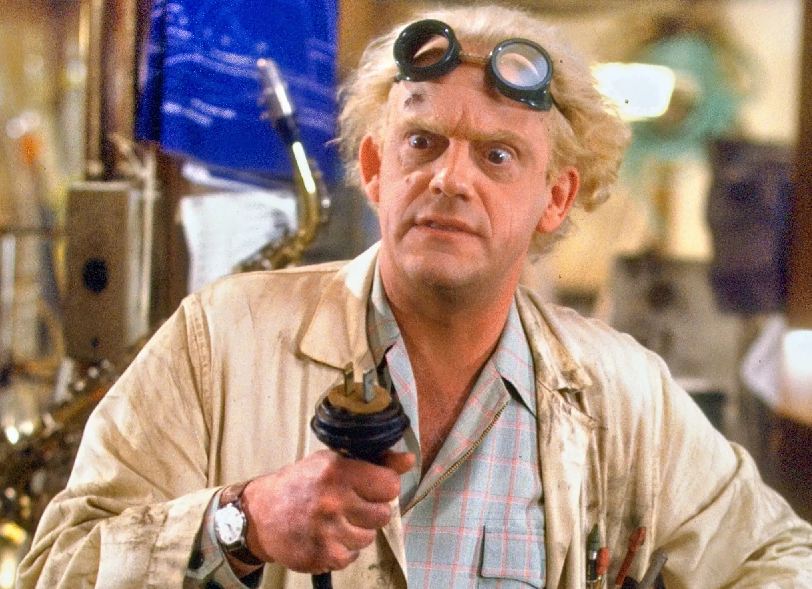
Most of you are probably familiar with Dr. Emmett Brown. That’s a photo of him at the top of this post. He is not a famous psychologist from the University of Chicago, nor is he the leading cardiologist at the Boston Medical Center. He doesn’t even have a PMP(R) credential, and he’s not even a real doctor. Well, he is a real doctor character, the ‘mad scientist’ in Back To the Future, played eloquently by Christopher Lloyd. And he uses an interesting device to power his Delorean electric vehicle: a flux capacitor. See the sign below. Watch out!
Of course, there is no such thing. Or… is there? I have encountered two recent articles which, while not using the term “flux capacitor” are using the term “supercapacitor”. The articles are not from science fiction magazines, either, they are from IEEE Spectrum and from New Scientist. To me, the irony of the story is very sweet, because this is about using two ancient materials - concrete and carbon – to create capacitors which can be built into the environment to power houses and potentially vehicles. Here’s the paragraph that got my attention – in an article from New Scientist magazine, August 2023: A mixture of cement and charcoal powder could enable houses to store a full day’s worth of energy in their concrete foundations. This new way of creating a supercapacitor – an alternative to batteries that can discharge energy much faster – could be incorporated into the foundations of both buildings and wind turbines. When paired with renewable energy sources, it could also someday let concrete road foundations wirelessly recharge electric vehicles as they drive along. This is striking in several ways, not the least of which is the idea that the power source for homes, businesses and vehicles could be built into the environment, which smacks of the whole concept of The Built Environment, for which PMI now is offering a credential (the PMI-CP™). Indeed, I am working with industry professionals and academics to work this into our curriculum at Boston University. The Supercapacitor But let’s get back to this supercapacitor – the project that led to its development and the projects it will undoubtedly launch – projects that would make Dr. Emmett Brown quite proud. Here’s an image of the supercapacitor in the lab (courtesy of IEEE Spectrum):
Let’s start with the ingredients. This is another irony. To power the modern world in an environmentally-responsible manner, requires the generation and storage of electricity without the need for fossil fuels, without hazardous or rare-earth chemicals (like those used in batteries). You would think that some brand-new whiz-kid material would be invented to do that. Not so. One of the main ingredients in this supercapacitor is carbon black. To give you an idea of how new this material is – it was used to write the Dead Sea scrolls. So: not new. The other material is concrete, also ancient. The trick is in the surface area. To make the material for their supercapacitor, the team at MIT (see story here) stirred up a paste made of cement and water, and then introduced carbon black, a fine, charcoal-like form of carbon which is highly conductive, into the paste. As this cement mixture cured, the water was absorbed, and when evaporated, left behind a veinous network of tunnels when ended up being filled by the carbon black. The resulting material is now a latticework ... with a large surface area of conductive, winding, branching tunnels, without expanding the overall volume of the material, which can now serve as an electrode for the capacitor. The Capacitor I suppose I should digress here for a moment and tell those who don’t have an electrical engineering background about capacitors. There is controversy over who developed the first capacitor, and there’s even controversy over the invention of the predecessor of the capacitor, the Leiden (or Leyden) jar. This was invented nearly simultaneously by German cleric E. Georg von Kleist, but was followed up with more research and intent by by Pieter van Musschenbroek at the University of Leiden in the Netherlands in approximately 1745. In effect, they layers of foil separated by an insulator (called a dielectric). You can see them in action in this video:
they are classically represented by this symbol, a quite logical one, two plates separated by a gap (air, glass, plastic, or other dielectric).
As current (excuse the pun) electronic components, they often look like one of these:
However, now, the concept of this small electronic component , with this innovation, is expanded into the very construction material itself. In part 2, I will continue with the possible implementation ideas for this technology. References:
|
|
As a reminder, the theme for this two-part blog post is symbiosis. In the first post I illustrated symbiosis with the example of the clownfish and the sea anemone. This time: another example – the acacia tree and a species of aggressive, stinging Pseudomyrmex ferrugineus ants Once again, I don’t mean to infer that sustainability is represented by the tree and project managers are pseudomyrmex ferruginei. It’s just an an-t-alogy. Learn more about this with this academic paper from SciencDaily. Or, watch this 2 minute video from National Geographic: The symbiosis to which I am referring is about the mutual benefit that the CSO (Chief Sustainability Officer) department of an organization can (and should!) have with the project managers. To take this idea to another level – an important level, I decided to see what this meant in terms of careers and jobs. I entered what I thought would be a very helpful prompt into ChatGPT, and here is what came out. My Prompt: Acting as a talent acquisition manager, identify the connections between project management and the positions of Chief Sustainability Officer or Director of Sustainability or ESG Director. ChatGPT’s response (highlighting is mine): As a talent acquisition manager, it's essential to recognize the connections between project management and positions like Chief Sustainability Officer (CSO), Director of Sustainability, or ESG (Environmental, Social, and Governance) Director. Understanding these connections will help you identify suitable candidates with the right skills and experience for these roles. Here are the key connections:
When recruiting for positions like Chief Sustainability Officer, Director of Sustainability, or ESG Director, it's important to look for candidates with a strong background in project management, excellent communication and collaboration skills, and a passion for sustainability and environmental stewardship. These candidates will be well-equipped to lead sustainability initiatives, drive positive change, and align sustainability efforts with the organization's broader goals. OK. Now that you have seen that, I know that at least my students of my Project Value Strategies class will recognize much of what is taught there. It could almost be the Syllabus of the course. So the lesson here is that the intertwined needs and outcomes of good project leadership and sustainability professionals means that opportunities for holistic, long-term, value-based project leaders (I stay away from the word ‘managers’ here, because… well, because this is leadership) will be the ones that are in highest demand in the near future, especially with the advent of AI. With that in mind, I asked ChatGPT what those skills would be to see if I was at all on target, or more like an ant climbing up the wrong tree. My prompt: Responding to a project manager concerned about losing their job to AI, what particular skills should they work on which will make them more resilient to the advent of AI in project management?
Chat GPT’s ant-ser: To become more resilient to the advent of AI in project management, project managers should focus on developing specific skills that complement and go beyond AI capabilities. Here are some particular skills to work on:
By concentrating on these skills, project managers can position themselves as indispensable assets in the AI-driven project management landscape. Remember that AI should be seen as a tool to augment your capabilities, not a direct threat to your expertise and contributions. Being adaptable, innovative, and focused on adding value will ensure your resilience in the face of AI advancements. Notice the connection here? The more you focus on holistic, long-term thinking, the more secure your career, and the more you can do well by doing good. Bottom line: when it comes to integrating sustainability thinking into your project management work, remember – that’s going to make you more resilient. Think: Project Leadership, not Project Management. |
|
Photo: National Geographic I’d like to start this post off with a very brief biology lesson. It’s about “symbiosis”. From National Geographic’s article, The Art of Living Together Sea anemones live attached to the surface of coral reefs. They trap their prey with stinging cells called nematocysts, which are located on their tentacles. Nematocysts release toxins when a small animal contacts an anemone’s tentacle. This paralyzes the stung animal, allowing the anemone to easily bring the animal into its mouth for ingestion. While other fish succumb to these toxic stings, clownfish secrete a substance in the mucus covering their bodies that suppresses the firing of nematocysts. This allows the clownfish to swim comfortably between the tentacles of anemones, creating a protected environment in which potential predators are killed off by anemone stings. This clearly benefits the clownfish, but how about the sea anemones? The brightly colored clownfish attract other fish looking for a meal. These unsuspecting would-be predators are then caught and eaten by the anemones. Now, I am not saying that ESG leaders are clowns, nor am I saying that project managers trap prey with stinging cells. Or vice-versa This is not that strong an analogy. What I am saying (and have been since 2010 with our book Green Project Management) is that there is a much stronger relationship between sustainability and project leadership than previously thought. So, I was very pleased to see a pair of articles right here on Projectmanagement.com that talk to this symbiosis of sorts. My favorite part of Andy Jordan’s feature story on The Rise of the CSO is this gem: “…every project committed to by an organization will ideally be developed and approved with sustainability in mind. I mentioned above that the approach to delivering a project should be subjected to a sustainability assessment, and that should be built into the organization’s overall project methodologies. But there should also be a review of each proposed initiative to ensure that the specifics of it are aligned with an organization’s sustainability goals.” The symbiosis: projects that embed sustainability will be better aligned with company mission, and thus more successful in the true sense of the word, and sustainability professionals will get ESG-related projects done more effectively. Do well by doing good. Do good by doing well. In Andy Jordan’s excellent post, he talks about the general role of the CSO but importantly says that some of it is project work, such as:
The other article that gave me increasing hope about this symbiosis was from Antonio Nieto-Rodriguez, called The 10-Step ESG Health Check for Project Managers In his article, Antonio details 10 steps (you really should read the article) for PMs, because the transitions and changes and initiatives needed to achieve sustainability goals ARE PROJECTS and REQUIRE PROJECT LEADERSHIP. The 10 steps are highlighted below: 1. Align ESG Goals I am encouraged by the momentum developing in this symbiosis. In Part 2, I want to make this as real as possible to you by (ironically) introducing artificial intelligence into the mix and to focus on jobs and careers for project leaders related to ESG, or supporting ESG efforts. Thank you to Andy Jordan and Antonio Nieto-Rodgriguez for their excellent posts and the spark for this two part-blog post! |
|
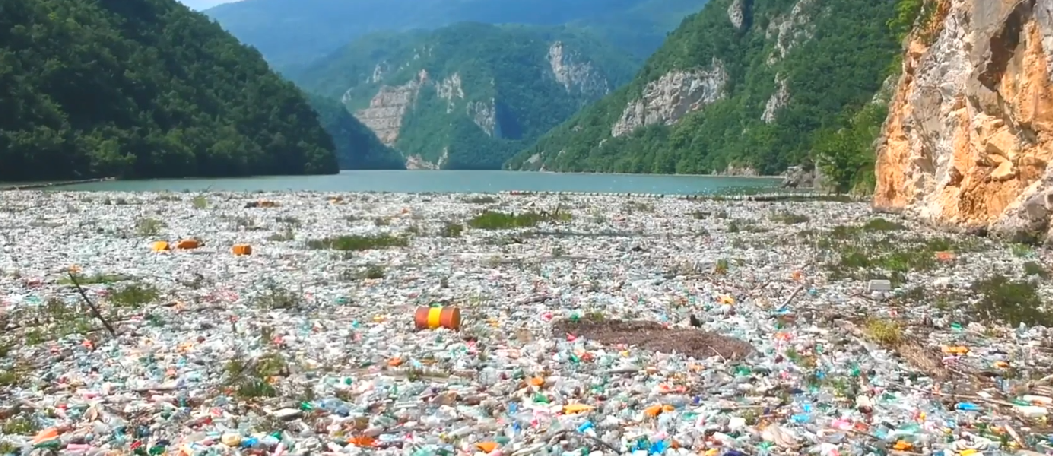
Those two statements are not incompatible and in fact, they’re quite intertwined. Projects to reduce plastics, to increase the effectiveness of recycling and to remove plastics from the oceans (for example) are numerous and frankly insufficient in number. I’ve already blogged about the Boyan Slat’s Ocean Cleanup and other such efforts. A quick update on that amazing initiative is here: This post is about the negotiations which, hopefully by the end of 2023, will result in significant reduction of the amount of plastics produces and to ‘clean up’ the supply of plastic, not the removal or recycling of existing plastic. From this recent article, we learn that “Humanity produces more than 430 million tons of plastic annually, two-thirds of which are short-lived products that soon become waste, filling the ocean and, often, working their way into the human food chain” Yes, you read that right. As you read this and snack on ____ (fill in your favorite guilty-pleasure food here), you are probably ingesting some plastic. Not good. Despite efforts to curtail this, according to that same article, “Plastic waste produced globally is set to almost triple by 2060, with about half ending up in landfill and under a fifth recycled, according to the Organization for Economic Cooperation and Development.” As project managers know, stakeholder identification and engagement is key. In this negotiation, there are several powerful, interested, and opposing stakeholders that need to be engaged. A recent article from Reuters goes through the debate, the support, and the opposition for this negotiation – in fact, the quotes below, in green, come from that article.
"The United States is committed to working with other governments and stakeholders throughout the INC process to develop an ambitious, innovative and country-driven global agreement," a U.S. State Department spokesperson said in a statement. Washington has said it wants the pact to resemble the structure of the Paris climate agreement, in countries set their own greenhouse gas reduction goals and action plans. "Although in the minority, there are some powerful opponents of global rules and standards, which risk potentially weakening obligations on countries to take action,” said Eirik Lindebjerg, WWF global plastics policy lead.
Norway, alongside Rwanda, is leading a self-named High Ambition Coalition of more than 50 countries pushing for an ambitious global plastics treaty aimed at ending plastic pollution by 2040.Environmentalists, like the World Wildlife Federation (WWF)
Industry representatives at the talks touted the essential role of plastics in daily life, calling for the treaty to focus tackling waste rather than measures to sap production. "At the end of the day, we hope the committee comes to the same conclusion we do, which is that increasing recycling offers the best solution to reducing plastic waste," said Matt Seaholm, president and CEO of the Plastics Industry Association.
Just as the world begins to realize the dangers of plastic pollution and take action to reduce it, industry is poised to invest billions in expanding plastic production. Over 99% of plastic is made from chemicals sourced from fossil fuels, and the fossil fuel and plastic industries are deeply connected. Indeed, the shale gas boom in the United States is fueling a massive build-out of plastic infrastructure in the US and beyond. In as little as five years, these investments could increase global plastic production capacity by a third, driving companies to produce ever greater volumes of plastic for years to come. If this plastic is produced, companies will find markets to consume it. Production will drive demand. This wave of investment increases pollution risks to frontline communities throughout the plastic supply chain and directly undermines efforts by cities, countries, and the global community to combat the growing plastic crisis.
It’s an interesting case study in progress that project leaders may do well to watch and from which they may be able to learn – and perhaps even in which they can participate Here’s a quick, short, recent (less than 2 minute) summary of the treaty in progress:
I'll be keeping an eye on this for People, Planet, Projects, and Profits.
References |