One of the power skills that project leaders need to increase is negotiation.
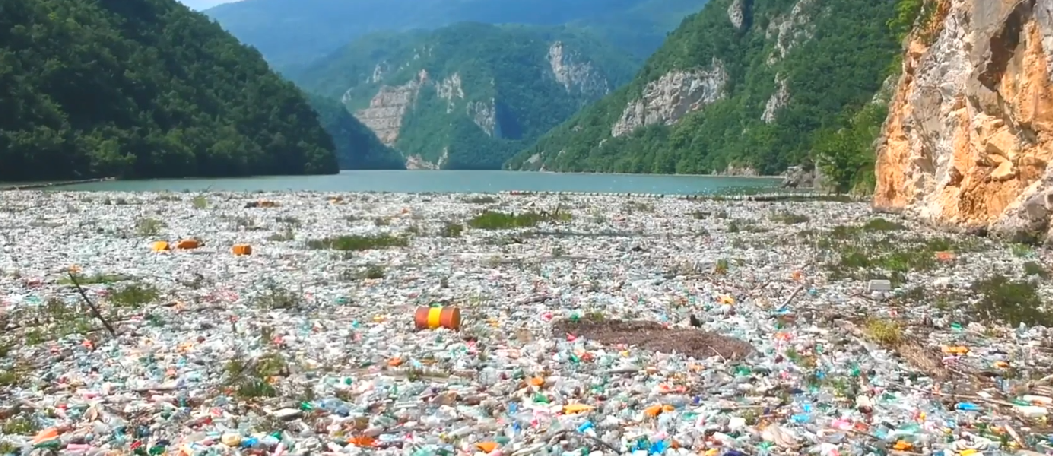
Nations need to make progress on reducing plastics on behalf of life on Earth.
Those two statements are not incompatible and in fact, they’re quite intertwined.
Projects to reduce plastics, to increase the effectiveness of recycling and to remove plastics from the oceans (for example) are numerous and frankly insufficient in number. I’ve already blogged about the Boyan Slat’s Ocean Cleanup and other such efforts. A quick update on that amazing initiative is here:
This post is about the negotiations which, hopefully by the end of 2023, will result in significant reduction of the amount of plastics produces and to ‘clean up’ the supply of plastic, not the removal or recycling of existing plastic.
“Humanity produces more than 430 million tons of plastic annually, two-thirds of which are short-lived products that soon become waste, filling the ocean and, often, working their way into the human food chain”
Yes, you read that right. As you read this and snack on ____ (fill in your favorite guilty-pleasure food here), you are probably ingesting some plastic. Not good.
Despite efforts to curtail this, according to that same article,
“Plastic waste produced globally is set to almost triple by 2060, with about half ending up in landfill and under a fifth recycled, according to the Organization for Economic Cooperation and Development.”
As project managers know, stakeholder identification and engagement is key.
In this negotiation, there are several powerful, interested, and opposing stakeholders that need to be engaged.
A recent article from Reuters goes through the debate, the support, and the opposition for this negotiation – in fact, the quotes below, in green, come from that article.
A few large countries, like the United States, China, and Saudi Arabia, which want country-based rules and are opposed to global standards (for now)
"The United States is committed to working with other governments and stakeholders throughout the INC process to develop an ambitious, innovative and country-driven global agreement," a U.S. State Department spokesperson said in a statement. Washington has said it wants the pact to resemble the structure of the Paris climate agreement, in countries set their own greenhouse gas reduction goals and action plans.
"Although in the minority, there are some powerful opponents of global rules and standards, which risk potentially weakening obligations on countries to take action,” said Eirik Lindebjerg, WWF global plastics policy lead.
Most other countries, led by Norway and Rwanda, which want to forge a set of global standards and initiatives. More about this in this article from Politico.
Norway, alongside Rwanda, is leading a self-named High Ambition Coalition of more than 50 countries pushing for an ambitious global plastics treaty aimed at ending plastic pollution by 2040.Environmentalists, like the World Wildlife Federation (WWF)
The plastics industry
Industry representatives at the talks touted the essential role of plastics in daily life, calling for the treaty to focus tackling waste rather than measures to sap production.
"At the end of the day, we hope the committee comes to the same conclusion we do, which is that increasing recycling offers the best solution to reducing plastic waste," said Matt Seaholm, president and CEO of the Plastics Industry Association.
The fossil fuel industry (plastic is mainly created from fossil fuels – see this site to understand that, and the quote from it below)
Just as the world begins to realize the dangers of plastic pollution and take action to reduce it, industry is poised to invest billions in expanding plastic production. Over 99% of plastic is made from chemicals sourced from fossil fuels, and the fossil fuel and plastic industries are deeply connected. Indeed, the shale gas boom in the United States is fueling a massive build-out of plastic infrastructure in the US and beyond.
In as little as five years, these investments could increase global plastic production capacity by a third, driving companies to produce ever greater volumes of plastic for years to come. If this plastic is produced, companies will find markets to consume it. Production will drive demand. This wave of investment increases pollution risks to frontline communities throughout the plastic supply chain and directly undermines efforts by cities, countries, and the global community to combat the growing plastic crisis.
It’s an interesting case study in progress that project leaders may do well to watch and from which they may be able to learn – and perhaps even in which they can participate
Here’s a quick, short, recent (less than 2 minute) summary of the treaty in progress:
I'll be keeping an eye on this for People, Planet, Projects, and Profits.
Thank you for raising this emerging issue. The way you've connected it to project management is quite interesting. I'd love to read a bit more about negotiation skill here.
Very good work, today this issue and the way to address it must be very clear and/or concrete, since effective and fast work is required to give way to action.
Ruth Marina Lopez PerezResponsable TI| INSTITUTO DE PREVISION SOCIAL MILITAR - NICARAGUAMasaya, Los Madrigales, Nindirí, Nicaragua
The real problem is the production of plastic, no the recycle.
Great work! Thanks for share.