Five Mental Hiccups


|
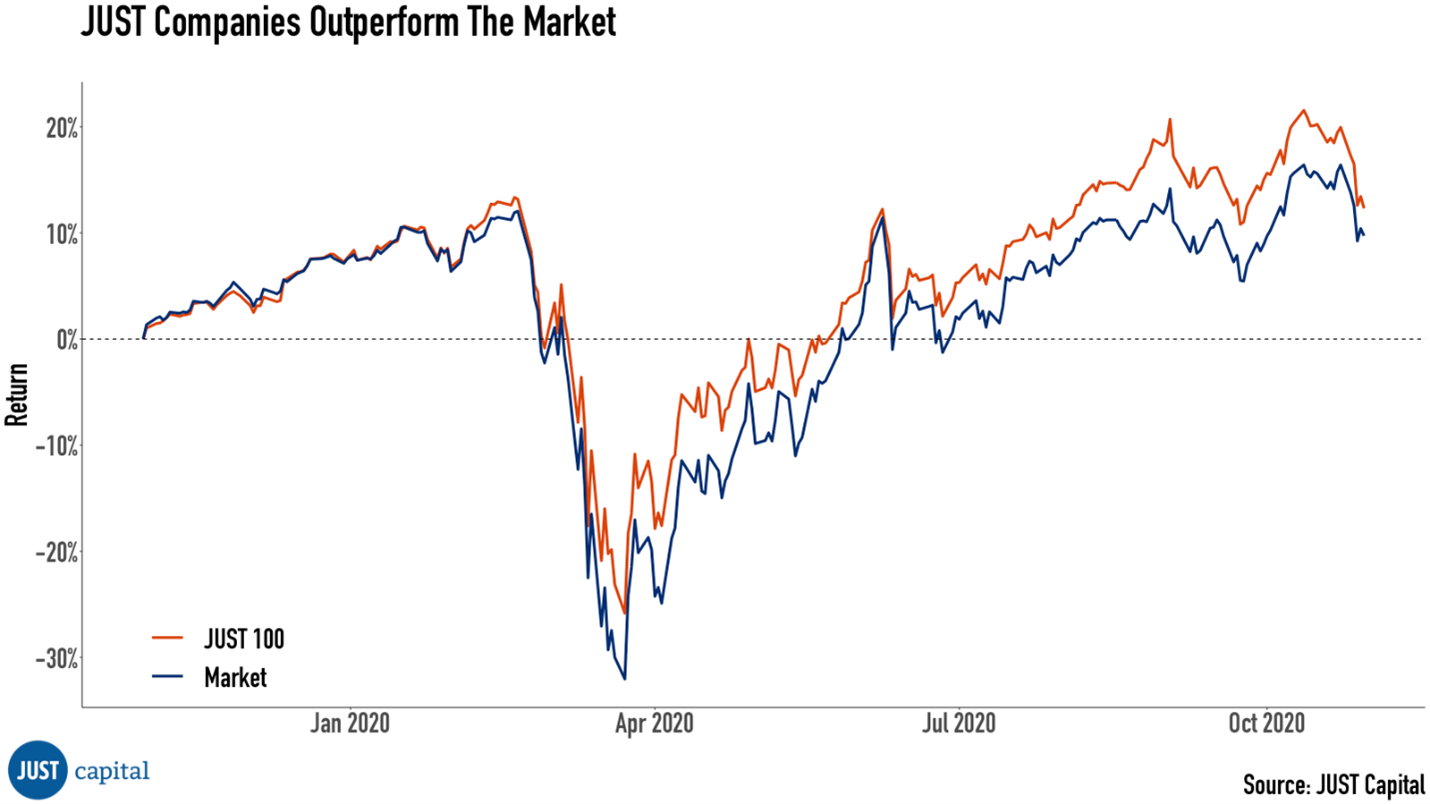
Evolution has changed our minds. I don’t mean like, whether you prefer nachos or potato chips. I mean… it has literally changed the way we think. As humans have evolved, we’ve developed heuristics – mental shortcuts, and biases based on those heuristics. These all have to do with preserving our energy and survival, which is ironic, because we need to understand and work around some of these biases which could actually threaten our economic, social, and environmental survival. This post is related to, but not part of, the series I’m currently running on this blog, Partnering for Sustainable Progress. That series is featuring examples of partnerships between industry, academia, and government. This short post supports the fact that those partnerships pay off – in particular, that focusing on ESG (Environment, Social, Governance) aspects actually helps for-profit organizations do better. Mainly, I want to draw your attention to a new Harvard Business Review article posted this month by Andrew Winston and Paul Polman, called, “Yes, Investing in ESG Pays Off”, and highlight the five “mental hiccups” (rooted in heuristics and biases) that cause us as project managers and other key decision makers to ignore important facts that are staring us right in the face. The article summary is: Why are leaders so reluctant to make ESG investments? Even those who know they’ll pay off are reluctant to do so, for five key reasons. The authors outline each — the numbers hide the truth about the real cost, our biases trick us, we focus on short-term benefits, we think about costs in silos, and we miss the bigger existential costs — and propose a solution for getting past these flawed mental models. Just Capital, for example has created a list of companies prioritizing stakeholders (not just shareholders) that they call the Just 100. This group has outperformed the market. See chart below.
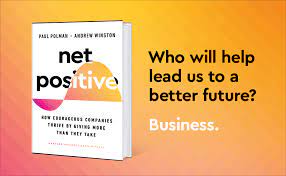
As Project Managers we know that shareholders are not the only stakeholders. In fact, as project managers, we have a chance to be true change agents by pointing this out to senior management, who often have what I will call “shareholder myopia”. Good project leaders scan the landscape for anyone who cares about or is affected by the project (or has the project affect them) in any way. Much of the reason comes down to heuristics and biases – mental hiccups. Below (I will challenge you to read the article to get the full context) is the list of 5 hiccups. 1. The Numbers Hide the Truth About Real Costs Solution: Price the unpriced. 2. Our Own Biases Trick Us Solution: Diversify the group making decisions. 3. We Focus on Short-Term Costs and Benefits Solution: Redefine your tools for investment decisions. 4. We Think About Costs in Silos (Instead of Systems) Solution: Broaden thinking on value and think in systems. Comment from your blogger: this is where we as project managers shine! We are silo-busters!! 5. We Miss the Bigger, Existential Costs Solution: Understand the world’s thresholds and learn to think in net positive terms. Again, from the article: These five mental hiccups are not the only missteps that affect outcomes, but they are the primary ones that drag down sustainability investment. The mental models expose a win-lose, narrow, and negative mindset. In our book Net Positive, we explore ways to build businesses that solve societal problems and improve the well-being of everyone they impact. It takes courage and humility, but also a mindset that we can, in collaboration, solve many problems and improve the economics on sustainability for all. It’s not as simplistic as “win-win” but working together, we can get more done (what we call 1+1=11). It’s easier (and frankly lazier) to think in old ways. We can fight these issues and make sustainability fit into a normal model of seeking a good return on investment. But let’s step back a moment. Why exactly do we have to stick with traditional terms? It’s increasingly absurd and surreal to have to justify investing in our very survival — or have to prove that we should stop funding what’s killing us. At the macro level we’ve long passed the point where the cost of action is far lower than the cost of inaction — i.e., huge swaths of the planet becoming uninhabitable, which, again, is kind of bad for business. It definitely pays to invest in our shared future.
The government, industry, and academic partnerships I’m referring to – they seem to get the idea of the long-term (and even short-term) payoff of ESG investment. They even seem to understand the workarounds listed above for the five hiccups. How about you? Are you using old thinking and (hic) finding yourself getting that (hic) short-term windfall only to find that (hic) you should have considered the longer-term impacts and (hic) advantages and short-term benefits of thinking long-term? Boo! (That was supposed to stop the hiccups, but instead: read the article…get the book).
|

Partnering for Sustainable Progress, Part 2
|
In this series of short posts, I’m reviewing examples of projects which have two attributes: (1) they are geared to have a positive effect on social and environmental aspects in terms of their outcomes, benefits, and values, and (2) they involve key partnerships of major stakeholders.
Teams of engineers (mechanical, electrical, chemical, industrial, and others) as well as (of course!) a project leader work under the guidance of their university’s faculty and practitioners from GM, work together to produce a hybrid/electrical version of a particular vehicle (examples: the Chevrolet Malibu, Camaro, and Blazer). GM donates the car to the university, the teams disassemble it and in a 3 or 4 year period re-assemble it with design changes so that the vehicle is hybrid/electric and must meet or beat the specifications of the production version of the car. The universities compete against each other, with prizes and awards – but the biggest prize is the hands-on experience and job opportunities that the program opens up for them. That’s a benefit for the students. The government wins in helping to increase fuel efficiency and support American innovation. And GM wins because they get to keep and use the patents and ideas from the competitions. It's an amazing program, and I am proud to have been part of it – helping to train those project managers. For more about the history, click here. It all starts with a vision, and here it is (in some detail). Vision
This is a great example of a public/private partnership – one that also includes academia. Everyone wins. We need more of these!! Here are a couple of short videos to inspire you:
|
Partnering for Sustainable Progress: Part 1
|
"COOLSCHOOLS aims to investigate the kind of opportunities provided by the projects being carried out in playgrounds and school environments in Barcelona, Brussels, Paris and Rotterdam," according to Isabel Ruiz Mallén, project leader, and a Ramón y Cajal researcher in the UOC's Urban Transformation and Global Change Laboratory (TURBA). The European COOLSCHOOLS project will investigate social strategies to respond to the challenges of climate change and to improve the quality of life of citizens and of children, in particular. The project is actually a three-year study conducted by the Universitat Oberta de Catalunya (UOC). It examines the transformative potential of nature-based solutions in school environments by creating initiatives such as climate shelters in schools. In line with the theme of this blog post, 16 partners are involved in this project, including European municipal councils, universities, research centers, social associations and cooperatives, and international organizations. The project’s outcomes will be a better understanding of the factors and potential of these initiative for “driving socio-ecological changes towards urban sustainability, climate resilience, social justice and quality education, and to make the educational community a driving force in municipal districts”. The projects will focus on increasing green and shaded areas, using more sustainable and environmentally friendly materials and/or will provide greater access to water. Barcelona as an example In the specific case of Barcelona, the projects will investigate actions to deal with the effects of rising temperatures and increasingly frequent heatwaves will be studied with the expansion of green areas and shaded areas, and the installation of water fountains in school playgrounds and premises. "The solutions that are being adopted aim to protect children against these and other risks arising from climate change, and to improve the schools' adaptation to this new situation," said Ruiz Mallén, who emphasized that the idea is to consolidate spaces in which students can "learn and feel comfortable" in a context of rising temperatures, and to minimize the impact of greenhouse gas emissions on these educational environments.
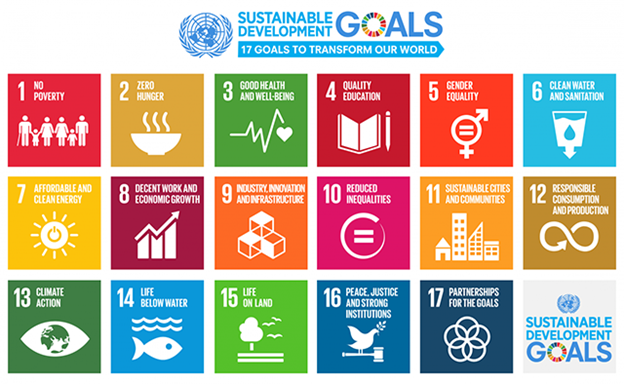
Combining disciplines and bringing partners together The researchers are going to study the combination of all these interventions from a multidisciplinary approach. As a result, they will take into account the impact on biodiversity of changes in land use, and also consider health, safety, and governance. "Starting this research will enable us to evaluate aspects such as the relationship between greening spaces in playgrounds and the students' cognitive development, the increase in pollinating insects, and the access to and use of these climate shelters by the community, among many other issues," said Ruiz Mallén. "We are also going to investigate the potential of changes in education. With all the knowledge that is generated from the different perspectives, we will be able to produce guides and applications to make the most of its potential both in terms of inclusiveness and improved wellbeing, and take advantage of learning opportunities in terms of climate resilience." COOLSCHOOLS has received funding of more than €1.5 million from the European JPI Urban Transformation Capacities (JPI Urban Europe) fund, in which the Spanish State Research Agency (AEI) is participating. As mentioned in the first post in this series, this is highly connected to the UN SDGs. This UOC research supports Sustainable Development Goals (SDGs) 3, Good Health and Well-being; 4, Quality Education; 11, Sustainable Cities and Communities; and 13, Climate Action. Source for this post, and credit for this work: https://www.uoc.edu/portal/en/news/actualitat/2022/072-climate-shelters-schools.html
|

Partnering for Sustainable Progress
|
In this series of posts, I will be discussing how key stakeholders can make a difference in projects related to ESG (Environment, Social, Governance) areas. I have seen some amazing partnerships, especially those between industry, government, and academia, and I would like to feature here some that are making a difference, or at least are about to make a difference. I want to put the United Nations Sustainable Development Goals (UN SDGs) at the base of these posts for proper context. So, it makes sense to have a quick refresher on the here. The best source for the UN SDGs, is (no big surprise here) the UN. Their site (https://sdgs.un.org/goals) has expansive details on the 17 SDGs, but let’s at least list them here and provide the backdrop. The SDGs were part of the 2030 Agenda for Sustainable Development, agreed to by all nations in 2015. The entire Agenda can be found here: https://sdgs.un.org/2030agenda. The main “areas” of focus include the word Partnership, so it fits nicely into this blog series. PeopleWe are determined to end poverty and hunger, in all their forms and dimensions, and to ensure that all human beings can fulfil their potential in dignity and equality and in a healthy environment. PlanetWe are determined to protect the planet from degradation, including through sustainable consumption and production, sustainably managing its natural resources and taking urgent action on climate change, so that it can support the needs of the present and future generations. ProsperityWe are determined to ensure that all human beings can enjoy prosperous and fulfilling lives and that economic, social and technological progress occurs in harmony with nature. PeaceWe are determined to foster peaceful, just and inclusive societies which are free from fear and violence. There can be no sustainable development without peace and no peace without sustainable development. PartnershipWe are determined to mobilize the means required to implement this Agenda through a revitalised Global Partnership for Sustainable Development, based on a spirit of strengthened global solidarity, focussed in particular on the needs of the poorest and most vulnerable and with the participation of all countries, all stakeholders and all people. The interlinkages and integrated nature of the Sustainable Development Goals are of crucial importance in ensuring that the purpose of the new Agenda is realised. If we realize our ambitions across the full extent of the Agenda, the lives of all will be profoundly improved and our world will be transformed for the better. Here are the 17 SDGs:
They are often shown graphically as follows:
In this series, I will be covering at least these examples: Coolschools, an effort of Universitat Oberta de Catalunya EcoCar™ , a partnership to develop hybrid and electric cars The Clean Up Mekong project If you have other suggestions, please let me know. Some of them may make it into our WorldSavers™ video blog.
|

Sunk Costs Part 3 of 3 - Countering SMIRF Behaviors
|
In the last post, I introduced the SMIRF. SMIRF® stands for Spending/Saving Money for Irrational Reasons Fallacy – . As stated in that post: SMIRF project behaviors are in the name of ‘saving money’ and ‘staying on budget’, or in some cases, ‘being on time’ – especially in beating a competitor to market. When this happens, the project has become so narrowly driven by the cost and/or time constraint, that it consciously or subconsciously severs all ties with the objectives not only of the project, but the strategic goals, objectives, vision, and mission of the organization. This can be worse than the Sunk Cost Fallacy, because the outcomes are not simply wasted money, but potentially horrific events and impacts that affect people and planet. There are unfortunately many examples of these events in our recent past, including the Columbia Gas of Massachusetts explosions in the Merrimack Valley, and the crashes of the Boeing 737 Max aircraft. I won’t go into gory details of those two project disasters, in fact, there will be a book chapter devoted to them in an upcoming book to be published in 2022 by DeGruyter – The Responsible PM Handbook.
But briefly:
Both of these cases exemplify SMIRF-like behaviors by the organizations. What can a project manager do? Are we powerless? Not completely. I’ll talk more in upcoming posts about speaking truth to power. In the meantime, it’s important to consider some practical tips. And here’s a source for those tips. A publication of Harvard Business Review (HBR), Cultivating Everyday Courage, by James Detert (9 pages, $8.95) is all about the need – and the means – to speak up when decisions (in our case, project decisions) are being made that may be okay in the short term but which will quite obviously are counter to the mission statements of the organization. Columbia and Boeing are not evil corporations. But there was some SMIRFiness going on for sure.
To get an idea of what Detert is saying, literally, you can go to a 2018 HBR Ideacast (podcast) called Speaking Out Successfully. This is 21 minutes of worthwhile listening. A sample: INTERVIEWER: …it sounds like you’re saying this is also a problem for organizations because they’re basically hamstringing themselves by not letting people speak up? JIM DETERT: Yeah. What’s at stake when people who are closest to customers, who or who know most about the underlying technologies, what’s at stake actually when, when they don’t tell you why customers aren’t going to like something or why a product isn’t going to work? You know, you actually don’t have to work that hard to estimate why it really does matter in a dollars-and-cents way. And not just the costs of, you know, the Wells Fargo type, you know, multibillion-dollar settlements. There are lots and lots of other costs. Have a listen. And then consider if – when – and how – you should speak up! |