







Guessing is not a strategy: How to build decision velocity with AI and real-time data
June 10, 2026 | Live Webinar

You Can't Get They-ah From Hee-yah
Floating an idea into reality: the other side of the AI Project Paradox
The Environment of the Built Environment: an AI Paradox
6th, 6th Edfition, 6th Edition PMBOK, 7th Edition, 7th Edition PMBOK, 8th Edition PMBOK, 8th Edition PMBOK Guide, Activism, actuarial, actuary, adapt, addition by subtraction, Africa, africa, agriculture, airforce, ajaita, Alaska, amazon, analogous, analytics, ancient, and more power, antarctica, anti-science, apple, apps, architecture, arctic, arrakis, Artificial Intelligence, asch paradigm, Assistant, asthma, astronomy, automobile, automotive, autonomous cars, b, bankhar, Banksy Crypto, basalt, baseball, bats, batter, beauty products, benefit, benefits, Benefits Realization, beyond epica, biases, bicycle, big data, big dfata, big dig, bike, biodiversity, biomedicine, birdhouse, blockchain, blood, blue blood, blue trees, bluefin, bluefin tuna, book review, boston, boston university, Boyce, Brazil, brazil, Breakdown Structures, BS, building, buildings, built environment, built environment, bumblebee, cake, capacitor, car, Carbon, carbon, carbon capture, carbon negative, carbon neutral, carbon pool, carbon sequestration, carbonate, careers, CEO, ChatGPT, chatGPT, chatgpt, chatgpt, chess, China, china, chopsticks, citrus, cli-fi, climate, climate change, climate resilience, climeworks, Clumsy, CO2, co2, CO2 Utilization, coalition, cobalt, coffee pods, cognition, cognitive, Collabortion, colombia, concrete, Conflict, construction 5.0, cool projects xyloscope, cooling, coral, corn, cost of good quality, cost of poor quality, cost of quality, crazy, criticism of project management, cryptocurrency, CSR, csr, data, data analytics, data privacy, datacenter, dataset, death spiral, Decision Making, decomposition, Defense and Climate, definition of a project, deforestation, dependencies, dependency, desert, DIKW, dikw, dimopoulos, disposal, dna, DOD, dogs, dolphins, dream, drilling, drink, dune, dune, dutch, early start, earth, eatlocal, eco-tourism, ecological, economic, economics, EKC, electric grid, electricity, electronics, elysis, embodied carbon, emerging technologies, empower, Energy, energy efficiency, environmental degradation, escalate, escalation, ESG, extreme weather, fallacy, FARC, farming, finance, fish, fish brains, fishing, fix, fixing the earth, flint water, Flint Water Supply, flood, flooding, Food supply chain, food waste, forest, forest for the trees, forestation, forrestgump, frank herbert, Fruitcake, fungus, fusion, Galvao, garage, gas, gasoline, geese, gender equality, gender partnerships, generational differences, Generative AI, gladwell, gold, Goodness, google, Government, GPT, great pacific garbage patch, green, green building, green buildings, green energy, green iguana, green project, green project management, greening, guest post, gyre, harkonnen, Harvesting Benefits, hawasina, hedgehogs, heursitics, historical data, hlb, holitsic, holland, horseshoe crab, human-caused climate change, hydrogen, hydrology, ice, iceland, ignition, iguana, imagery, impact, india, inequality, information, initiatives, injection, insurance, intelligence, interacting risk, internal combustion engine, invasive species, investment, isomer, issue escalation, issues, ITER, jobs, Jupiter, justification, kids, kill point, knowledge, koch brothers, Kuznets, laboratory, LAL, landscape mode, lapampa, launch, LCA, Leadership, Leadership, life cycle analyses, life cycle analysis, lifecycle, Linkedin, liquid, lizard, local, long term, long-term, long-term thinking, look up, loud, maintenance, maker, makermovement, malcolm gladwell, management, marathon, marine biology, market, mars, Martin Luther King, mean, megawatt, MeHg, melting, mercury, metal, Microgrid, microplastics, migration, military, millennial, mindset, minerals, mission, mitigate, MLK, mongolia, museum, museum of london, nature, nematodes, net gain, Net Project Success Score, net zero, netherlands, network, New book, New Jersey, New Practitioners, new york, NFT, nitrogen, noise, noreaster, norway, nova, NPSS, NREL, ocean, ocean cleanup, ocean life, oil rig, oil rigs, oklahoma, oman, only murders in the building, opportunity, overall risk, oxygen, packaging, pareto, PBS, permafrost, persistence, peru, Pharmaceutical, planet, planet.com, planning, plant, plasma, plastic, playground, pm, pm education, pmbok, pmbok guide, pmnetwork, PMXPO-2018, podcast, pollutants, pollution, poop, poor, portfolio, power, power skills, privacy, privacy concerns, professors, program, Program Management, project, project leader, project leadership, project management, project management 3.0, project on fire, project progress, Project Success, project success, projecticity, projectleadership, projectmanagement, projects, psychology, pulse of the profession, purple bacteria, purpose, quiet, rainforest, rationale, reef, refugees, renewable, renewables, Repair, repair, repeatable process, repeatable processes, repurpose, research, resource breakdown strucuture, Resource Management, reversing climate change, revisionist history, rich, rigs2reefs, ripe, risk, risk avoidance, Risk Management, risk mitigation, risk response, risk responses, river, robots, rocks, rules of thumb, rural, rural India, russia, Sarcasm/Irony, satellite, saudi, schedule, sci-fi, Science, science, science-fiction, scientific american, screaming monkeys, sea, sea life, Sea-Level Rise, sea-level rise, seagreens, seawall, seawater, seawater temperature, seaweed. beat;es. farming, secondary risk, selena gomez, sequestration, shipping, skyscraper, SLR, smart cities, smart city, smelting, social, social pressure, soil, solar, solar panels, solar perovkites, solar saheli, sonic, sponge cities, SRI, stage-gate, stagegate, stakeholder, stakeholder management, steward, stewardship, storage, strategy, stupid, success, suffer, sulphur, sunk cost, supercapacitor, supply chain, survey, Sustainability, sustainability, Sustainable Investing, Sustainable Tourism, sybiosis, symbiosis, system 03, TBL, temperature, terraform, terraforming, test, threat, threats, totem, touchscreen, tour, tower, Trains, transparency, transportation, trash, tree, tree species, trees, trillion, triple bottom line, triple constraint, truth to power, UMass, us army corps of engineers, USDA, vacuum, value, venus, vision, voice, voltage optimization, vw scandal, washing machine, waste, wastewater, water, we mean business, whales, Whirlpool, wind, wisdom, women, Women in Project Management, wood wide web, woonerf, Work Breakdown Structures (WBS), world breakdown structure, worms, xian, xylotron, Yale


|
I had just finished teaching a graduate PM course segment about the PMO, and it features a somewhat recent article from PM Network magazine which featured McDonald’s Digital Acceleration project as a Project Of The Year Finalist. In fact, you can read about this project here. It’s a good example about controlling scope creep in a project. This post is also about McDonald's, but it’s about controlling plastic creep. As luck (or karma) would have it, on my way home from the University that night, a news story came up describing how McDonald’s was removing plastic toys from its decades-old Happy Meals. That news story from NPR (The US’ National Public Radio) is available here. If you are not familiar with the Happy Meal, they’ve been around since 1979 and have been served to over 1 billion customers. That’s a lot of Happy! See a commercial for the Happy Meal here: So yes - it's a lot of Happy. But it’s also a lot of plastic. Of course, the plastic toys are a small part of the plastic waste in the world, or even a small part of the plastic used by McDonald’s. In fact, McDonalds has previously taken steps to remove the plastics in its cutlery, but this seemingly small step of removing the plastic toy in the Happy Meal, according to the company’s press release, is equivalent to 650,000 people stopping the use of any plastic every year. The switchover to sustainable materials is clearly a project unto itself. You can read about this in a company-provided video in which a young “Happy Meal Superfan” interviews Jenny McCollogh, the Chief Sustainability Officer of McDonalds.
Like any organization, it rolls out its projects using a pilot. Indeed, McDonald’s has piloted plastic-less Happy Meals in France, as you can read about here. I like to provide both sides of a project-based news story, so here is some alternate views of what McDonald’s is up to. In this article from Eater, a food and lifestyle platform, they acknowledge the positive move to reduce plastic that this project introduces, but also points out that it was slow in coming and that there is much more work to do. From their excellent article, Across the UK’s coastline, new research suggests McDonald’s is one of just 12 companies responsible for two-thirds of plastic pollution. The company has taken some positive steps other than swapping out Happy Meal toys: McDonald’s pledged in 2018 that by 2025 all of its packaging materials will be recycled or otherwise sustainable. And while the company has committed itself to greatly reducing its carbon emissions by 2030, there are serious questions as to how the company will do so, while, in some instances, sourcing from companies that don’t report their greenhouse gas emissions and haven’t set public goals of reducing their negative impact on the planet. Also, importantly, the Eater article talks about project stakeholders. What’s the rationale for launching this project? Is it to save money? Is it to make money? Is it to improve reputation? Is it to be a better corporate citizen? The answer is… all of the above. However, for that to happen, people who are concerned about the environment need to be ‘noisy’ stakeholders. As always, the onus is on consumers to express dissatisfaction with companies that underpay workers, destroy the planet, and otherwise act badly until they have no choice but to respond. Whether the company’s reasons for inching toward a more sustainable model are altruistic or not, increased demand is forcing McDonald’s to do so, one cardboard puzzle piece at a time.
If you’d like to read the entire press release from McDonald’s, please find that here. If you are interested in general in the way McDonald’s is dealing with Packaging and Waste, click here.
|
|
Picture from WHOI (see below) This is the last Cape Cod-themed blog post of the Summer. Here on Cape Cod, we’re proud of the Woods Hole Oceanographic Institution (WHOI). It’s focused on exploring the oceans, research and educating folks about our oceans. It is home to several famous exploration vessels, like the 274-foot Atlantis and its deep-diving submarine, “Alvin”, as well as a new research ship, the Neil Armstrong. So you would think that if anyone, anyone, worldwide would consider sea-level rise in the construction of new infrastructure, it would be WHOI.
And you would be spot-on. Much of what you read here is based on a very good Cape Cod Times article entitled No Easy Answers. This is supplemented by an excellent page dedicated to sea-level rise from none other than (you guessed it) the WHOI. In fact, they have also produced an outstanding report, which I highly recommend you avail yourself of, by clicking here. WHOI is going to be building a US$100M dock and waterfront support facility (really a collection of facilities), which is core to what WHOI does. They are quite risk-aware of sea-level rise. Along with this work WHOI is also collaborating with the nearby National Oceanic and Atmospheric Administration (NOAA) and their Northeast Fisheries Science Center and the University of Chicago’s Marine Biological Laboratory, and construction projects for those institutions. They don’t have the option that others may – to retreat inland. They “have to be there” in order to continue their mission: The Woods Hole Oceanographic Institution is dedicated to advancing knowledge of the ocean and its connection with the Earth system through a sustained commitment to excellence in science, engineering, and education, and to the application of this knowledge to problems facing society. Sound familiar to you? It should ring a bell – note the reference to “application of knowledge”; that is part of the Project Management Institute (PMI®) definition of Project Management itself… …the use of specific knowledge, skills, tools and techniques to deliver something of value to people However, that’s not the main connection to project management in this blog post. It’s much more about risk assessment, risk awareness, risk response, and implementing risk response. The risk trigger here is scientific data that shows that the sea level will rise up to almost 2.6 feet in Woods Hole by 2050. The impact of that rise is significant. WHOI used data from the Massachusetts Coastal Flood Risk Model that projects the rise above as well as an 8-foot rise by 2100. What does that mean to this proposed construction? It means that 93% of WHOI’s infrastructure would be at risk by 2050 from a “100-year” storm surge. So they need to take sea-level rise significantly into consideration as they build. The approach taken will vary by institution. The NOAA, according to the article, is taking an adaptive approach – gradually waterproofing. Taking advantage of a nearly US$200K grant from Massachusetts’ Coastal Zone Management organization, the organizations will look to collaborate to make the infrastructure capable of withstanding the increased sea-level rise and expected storm surge(s). More specifically, this involves raising the dock 2.5 feet with an option to put further dock surfaces above it, and/or to use steel pilings equipped with hydraulics to allow the dock to be raised higher. The questions for others building in coastal areas:
For your stakeholders - and for yourself - I assert that you should follow the example of the WHOI. |
|
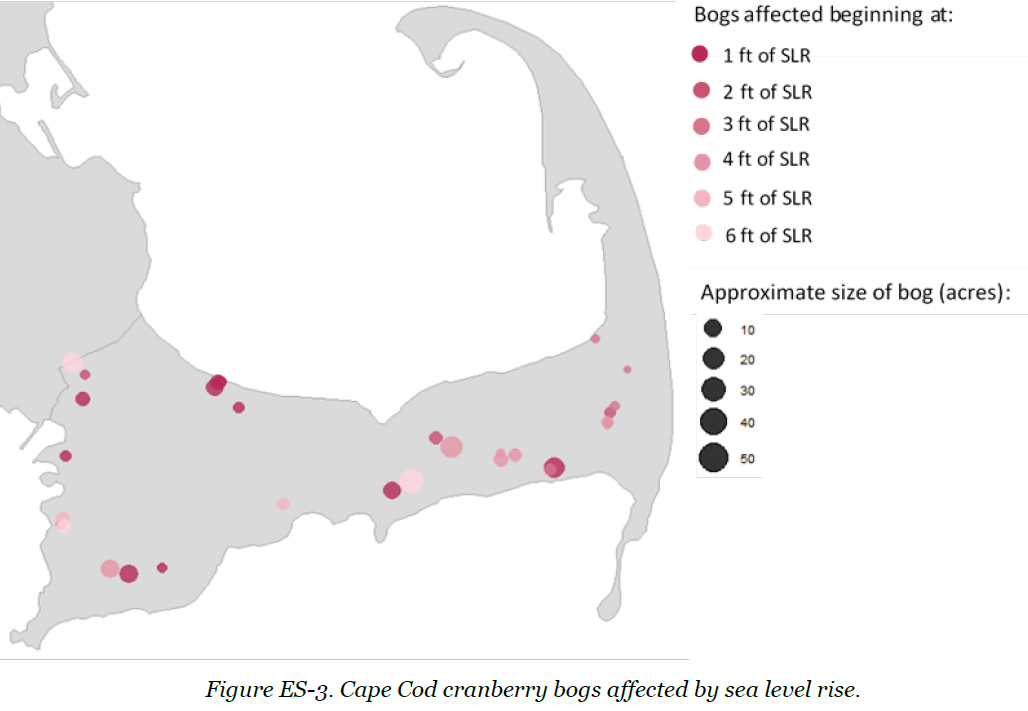
As mentioned in the previous post (see Part 1), one outcome of climate change for Cape Cod, and in fact for anyone who likes cranberries, is the potential demise of the cranberry industry here. This is covered in the Cape Cod Commission Climate Plan, which we introduced in Part 1, but the issue shows up in other reliable, recent sources – for example, this article from National Geographic, or this one from the Washington Post. Reinforcing the idea that ‘triple bottom line’ thinking is not only ‘environmental’ but also economic an social, climate change and sea-level rise is not only about saving species and ‘being green’ but also about real peoples’ lives and real dollars and sense (pun and misspelling intentional). The increasing temperatures could ‘spell the end’ for what is a US$6.7 million Cape Cod cranberry industry which employs somewhere between 6000 and 10000 people in the Commonwealth of Massachusetts. Cranberries are prone to a ‘double-threat’ from climate change. Increased temperatures, as above, are one aspect. As I write this, I see that the forecast for the Cape calls for 90 degree days this week. When that happens, it can be about 10 to 20 degrees hotter in a cranberry bog, and that can lead to a condition called ‘scald’, in which the cranberries actually cook right on the vine (and become unusable). The other aspect of the double-threat is sea-level rise. Below is a chart from the Cape Cod Commission report that shows bogs that are at risk due to SLR (Sea Level Rise).
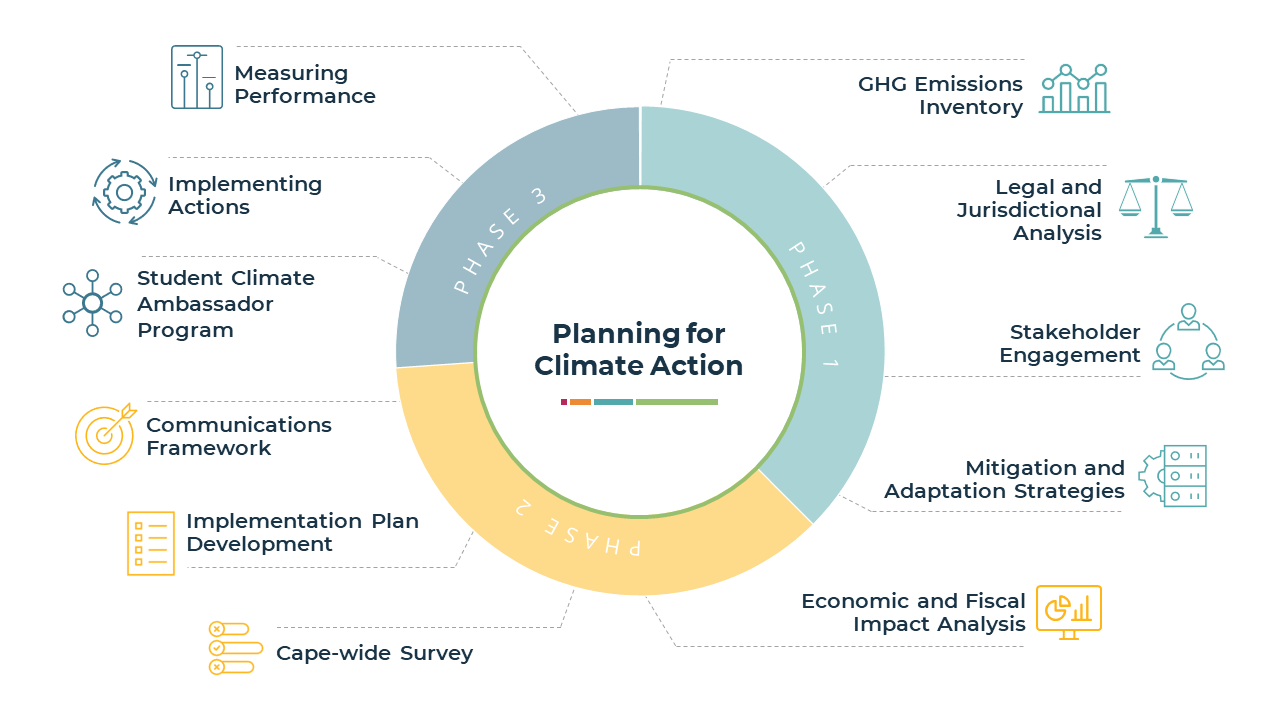
But here’s the thing: the economic aspect of this is much, much, MUCH bigger than cranberries. For example, from the report: Reduced tax revenue from vulnerable properties: ERG estimates that from 2021 through 2100, properties vulnerable to sea level rise and tidal flooding will cumulatively pay approximately $8.6 billion less in tax revenue than they would have if they were not threatened by this flooding. These vulnerable properties will be inundated or are near roads that will be inundated by sea level rise and tidal flooding. Therefore, their property values will grow more slowly (or decrease faster) than non-affected properties. This will either lower the tax revenue of towns or shift the burden to non-affected houses. The annual average tax revenue loss from these properties will be about $13 million between 2021 and 2030, $81 million between 2031 and 2050, and $330 million between 2051 and 2100. The technical report presents losses by town and community activity center (CAC). So – what does the Climate Plan recommend? Again – this is available in a full report and an executive summary, but here is my executive summary of the executive summary – these are the mitigations the Commission recommends:
In the conclusion of the Executive Report, we find this particularly interesting quote: Additionally, there are paths to meet 2030 and 2050 emissions reductions goals that align with the goals for the Commonwealth of Massachusetts; however, achieving these goals will require aggressive electrification and renewable energy implementation. Finally, many strategies with strong returns on investment can help offset the impacts of climate change or mitigate emissions. That’s our cue, project managers! Aggressive implementation! Getting it done! Getting goals – value-added goals, aligned with organizational strategy – achieved! That’s program and project management in a nutshell. Or a cranberryskin... |
|
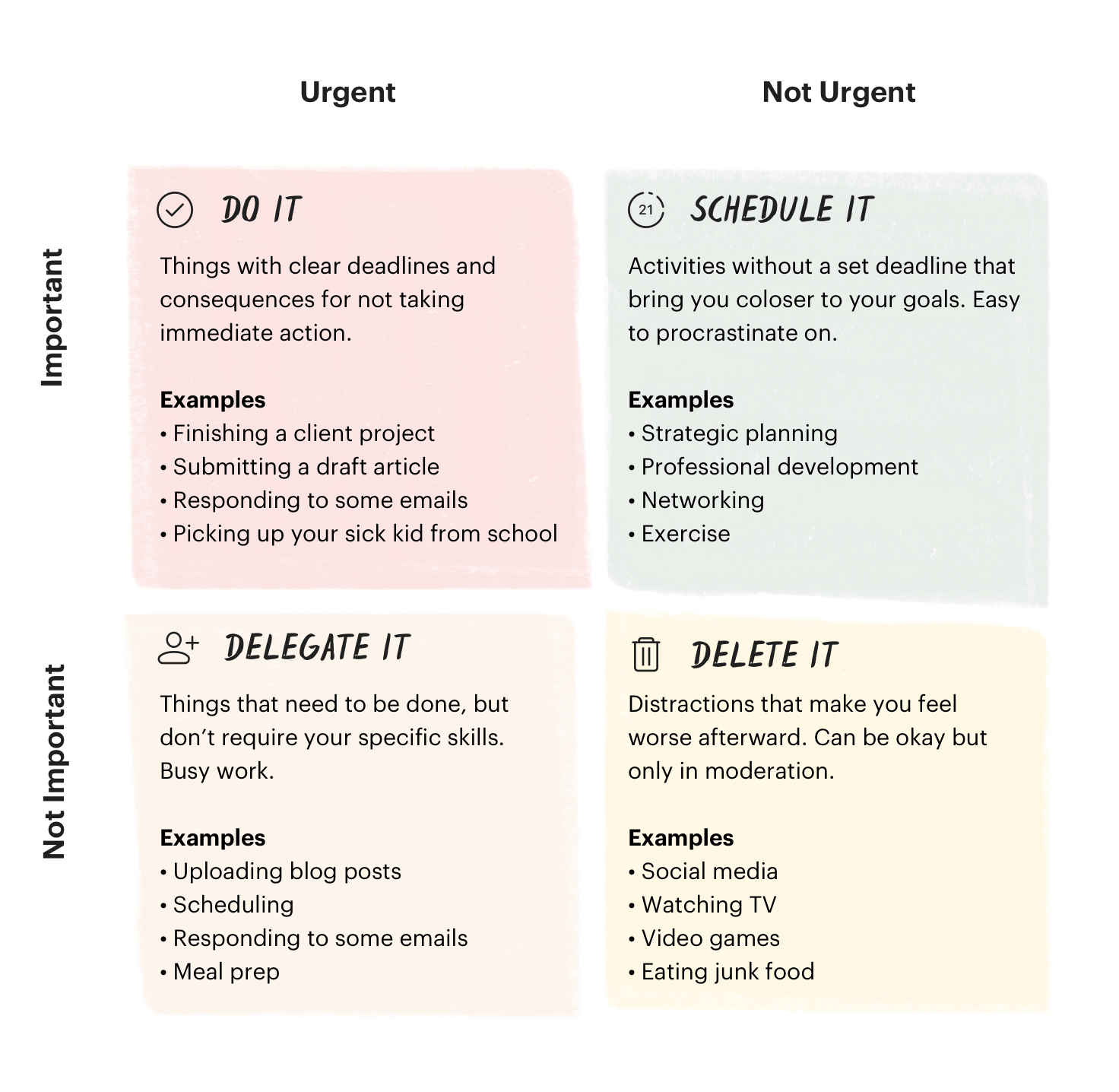
I am sharing my reaction to this article from the Cape Cod Times which paints a not-so-pretty picture of the future of the ecology (and economy) of Cape Cod. The article, “Cape Official: A Sense of Urgency” is particularly interesting to PMs because of the sub headline “Commission Plan Maps Out How To Take Action On Climate Change”. A plan to take action? An initiative to accomplish a valuable deliverable that is urgent and bound by a schedule? Sounds like project management to me! The trigger for this story and the ‘sense of urgency’ in the article’s title is the current and expected effect (or impact) of climate change. Although the changes in temperature are in line with the (fairly scary) prediction of the climate scientists, the impacts of climate change are proving to be larger and more far-reaching than the predictions. The Cape Cod Commission this week released its action report. But before we get to that, let’s talk about these impacts. The head of the commission, Kristy Senatori, says, “Our economy is based on the environment. Making sure we get ahead of this climate crisis is extremely important”. I thought this a good chance to take a slight tangent and bring up the Eisenhower Matrix which plots importance and urgency. It’s actually a good tool for project managers to use for sorting out their issues. Here’s an excellent article on the Eisenhower Matrix and below an image from it.
Image from https://todoist.com/productivity-methods/eisenhower-matrix The concept is pretty simple: the items that are urgent and important (in the upper-left corner here) are the ones you need to work on now – or they will create BIGGER, more dangerous problems in the future – like picking up a sick kid from school – or not dealing with the contributors to climate change NOW. As to the Cape Cod Commission report, I found it to be very well-prepared and hopefully actionable. I’ve decided to break this into two parts because there are several good PM lessons from this initiative. For now, I’d like to point you to this work, giving you a chance to have a look at it before Part 2 of this post is published (in about a week), and tease out the rationale for the title of this post.
I also summarize the purpose statement of the Action Plan below: PURPOSE STATEMENT To identify, study and monitor the causes and consequences of climate change on Cape Cod as a basis to guide and develop science-based policies, strategies and actions that governments, businesses, organizations, and individuals can pursue to:
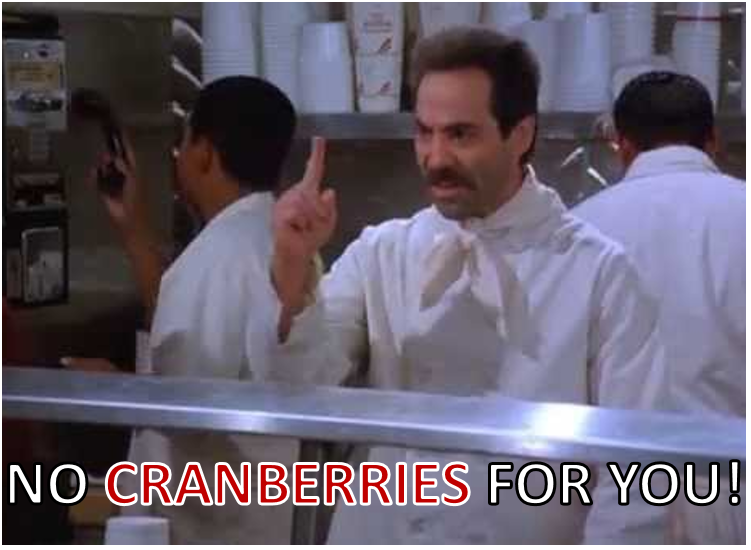
The full, 129-page Technical Report can be downloaded here, and a 14-page Executive Report can be found here. And now, finally, an explainer of the title. For those of you familiar with the very popular US comedy show “Seinfeld”, I don’t have to tell you much about the recurring “No Soup For You” theme in that show. For those who aren’t familiar with it, you can find all of the details here. The bottom line is that the characters in the show had to be very careful in this restaurant because of the delicate sensitivities of the chef, or to no longer have access to his delicious soup. In our case – we have to be very careful in our delicate Cape Cod environment, or lose (for example) those tasty Cape Cod cranberries – and the industry and jobs that they support - as you will see in Part 2. |
|
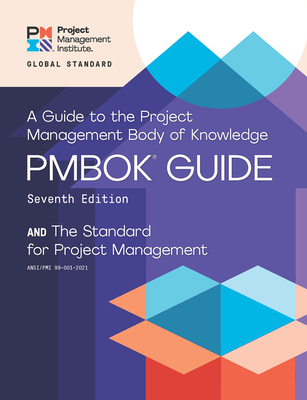
This is going to be a short blog post, because your time is valuable. I am going to send you to not one, but two valuable videos just contributed by folks I admire: Ricardo Vargas, and Nader Rad, core team contributors to the PMBOK® Guide 7th edition. Each will walk you through the new Guide and Standard, with valuable insight. The connection to value here is no coincidence. I also was one of about 70 reviewers of the document and submitted scores of changes, and I’m pleased and proud to see that they appeared to have made a difference. Clearly (at least to me) there is now a solid encouragement for project managers to consider their project more holistically, in a larger context, and importantly, to look past the end of their project – in the longer term. There is revolutionary feel to this – moving from outputs to outcomes, considering benefits over time: which is (in my mind) the definition of project value delivery. And in fact, “Value” is one of the 12 Principles which form the basis for the Standard for Project Management. Do me (and yourself) a favor. Please take some more of your valuable time to watch at least one of these, and I would value any comments you may have.
Ricardo Vargas
Nader Rad
|
|
"The secret of getting ahead is getting started. The secret of getting started is breaking your complex overwhelming tasks into small manageable tasks, and then starting on the first one." - Mark Twain |