Projecticity
Categories:
project leader,
project leadership,
projecticity,
smart cities,
smart city,
power skills,
saudi,
jobs,
careers,
project
Categories: project leader, project leadership, projecticity, smart cities, smart city, power skills, saudi, jobs, careers, project


|
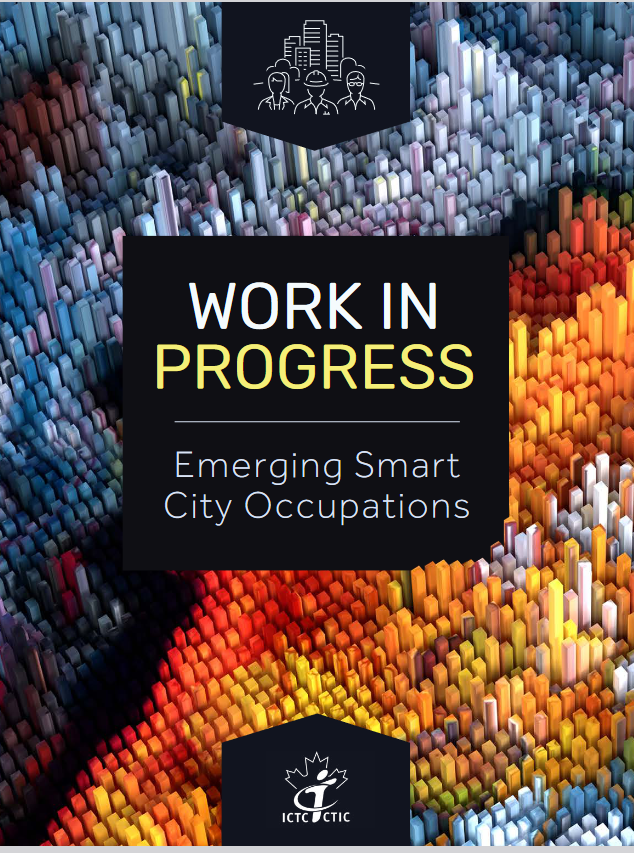
Image generated by incredibly thoughtful prompts from the author and the help of DALL-E The title of this post – projecticity, is a mashup of the words project and ‘electricity’… electricity in the sense of electrifying growth in PM career opportunities. Here, I continue the series on Project Management and Smart Cities. A new guest post is around the corner from Dr. Beverly Pasian, an expert in this area. However, given the projectmanagement.com focus on careers this month, I wanted to provide this post, focused (you guessed it) on the opportunities already here and coming along in the next few years for project managers (and project leaders) in the field of Smart Cities. I found a great resource from the Information and Communications Technology Council, Canada. It’s a summary of research on career roles based on the explosive growth of Smart Cities. Project management features heavily in it. One way that’s made obvious is that the word “project” appears 43 times in this 40-page document! The document (pictured below) can be found here or by clicking on the image below.
From this report, the focus was on five categories of roles:
I would argue that true project leaders are often working all 5 of these roles simultaneously. Like most reports of this nature, it begins with the promising growth of Smart Cities: Revenues from smart city projects worldwide are projected to grow from $116 billion (USD) in 2020 to $241 billion (USD) in 2025. 1 These initiatives, along with globalization, urbanization, and rapid digital disruption, will impact existing jobs and establish a demand for newly defined occupations in smart cities and beyond. In the research, the ICTC interviewed industry leaders in the Smart Cities area, whose overarching message was: “future skill needs will likely be centered around data and digital literacy combined with strong soft skills.” To expound further on this, The skills interviewees sought when building their teams included cross-disciplinary talent with technical skills combined with data analytics knowledge and an awareness of issues around privacy and ethics, and inclusivity and equity in technology design. In discussing cross-disciplinary talent, interviewees pointed to the need to overlap fields of study that have traditionally been more pursued in isolation. The theme of combining fields of study came up multiple times, with interviewees saying that a greater combination of technical and analytical skills and certifications (for example business along with engineering, or civil engineering and data science) would help prepare people for their department. Interviewees from one department had recently begun working on university partnerships, stating that such initiatives “provide students that key level of life experience that they need in the workforce.
In terms of certifications, as expected, Certified PMP® was one of only five certifications listed as desired, along with PE, MBA, Safety Professional and Microsoft Certified Systems Engineer. Amongst the Power Skills listed were (should sound familiar to project managers!):
The report (and others, like this one from BurningGlass, and this one from PMI) said that employers saw their skill requirements focused in the areas of
Listed under these human skills were:
To close this brief post, here’s an actual example of a job posting for a PMO leader for a Smart Cities initiative in Saudi Arabia: Job Title: PMO - Smart Cities Location: Riyadh, Saudi Arabia Overview:
Responsibilities:
|