Beware of Robots and Millennials (Part 1 of 2)
From the People, Planet, Profits & Projects Blog
by Richard Maltzman,
Dave Shirley

View Posts By:
Richard Maltzman
Dave Shirley
Recent Posts
What is AI doing to the sustainability of our profession???
Stepwells – Insight from a Particularly Valid Angle
Climb-it Change: Pre-Interview Connector
Climb-it Change: New Relevance for the Stepwells of India
A PATH to more equitable health - via AI project leadership
Categories
6th,
6th Edfition,
6th Edition PMBOK,
7th Edition,
7th Edition PMBOK,
8th Edition PMBOK,
8th Edition PMBOK Guide,
Activism,
actuarial,
actuary,
adapt,
addition by subtraction,
Africa,
africa,
agriculture,
airforce,
ajaita,
Alaska,
amazon,
analogous,
analytics,
ancient,
and more power,
antarctica,
anti-science,
apple,
apps,
architecture,
arctic,
arrakis,
Artificial Intelligence,
asch paradigm,
Assistant,
asthma,
astronomy,
automobile,
automotive,
autonomous cars,
b,
bankhar,
Banksy Crypto,
basalt,
baseball,
bats,
batter,
beauty products,
benefit,
benefits,
Benefits Realization,
beyond epica,
biases,
bicycle,
big data,
big dfata,
big dig,
bike,
biodiversity,
biomedicine,
birdhouse,
blockchain,
blood,
blue blood,
blue trees,
bluefin,
bluefin tuna,
book review,
boston,
boston university,
Boyce,
Brazil,
brazil,
Breakdown Structures,
BS,
building,
buildings,
built environment,
built environment,
bumblebee,
cake,
capacitor,
car,
Carbon,
carbon,
carbon capture,
carbon negative,
carbon neutral,
carbon pool,
carbon sequestration,
carbonate,
careers,
CEO,
ChatGPT,
chatGPT,
chatgpt,
chatgpt,
chess,
China,
china,
chopsticks,
citrus,
cli-fi,
climate,
climate change,
climate resilience,
climeworks,
Clumsy,
CO2,
co2,
CO2 Utilization,
coalition,
cobalt,
coffee pods,
cognition,
cognitive,
Collabortion,
colombia,
concrete,
Conflict,
construction 5.0,
cool projects xyloscope,
cooling,
coral,
corn,
cost of good quality,
cost of poor quality,
cost of quality,
crazy,
criticism of project management,
cryptocurrency,
CSR,
csr,
data,
data analytics,
data privacy,
datacenter,
dataset,
death spiral,
Decision Making,
decomposition,
Defense and Climate,
definition of a project,
deforestation,
dependencies,
dependency,
desert,
DIKW,
dikw,
dimopoulos,
disposal,
dna,
DOD,
dogs,
dolphins,
dream,
drilling,
drink,
dune,
dune,
dutch,
early start,
earth,
eatlocal,
eco-tourism,
ecological,
economic,
economics,
EKC,
electric grid,
electricity,
electronics,
elysis,
embodied carbon,
emerging technologies,
empower,
Energy,
energy efficiency,
environmental degradation,
escalate,
escalation,
ESG,
extreme weather,
fallacy,
FARC,
farming,
finance,
fish,
fish brains,
fishing,
fix,
fixing the earth,
flint water,
Flint Water Supply,
flood,
flooding,
Food supply chain,
food waste,
forest,
forest for the trees,
forestation,
forrestgump,
frank herbert,
Fruitcake,
fungus,
fusion,
Galvao,
garage,
gas,
gasoline,
geese,
gender equality,
gender partnerships,
generational differences,
Generative AI,
gladwell,
gold,
Goodness,
google,
Government,
GPT,
great pacific garbage patch,
green,
green building,
green buildings,
green energy,
green iguana,
green project,
green project management,
greening,
guest post,
gyre,
harkonnen,
Harvesting Benefits,
hawasina,
hedgehogs,
heursitics,
historical data,
hlb,
holitsic,
holland,
horseshoe crab,
human-caused climate change,
hydrogen,
hydrology,
ice,
iceland,
ignition,
iguana,
imagery,
impact,
india,
inequality,
information,
initiatives,
injection,
insurance,
intelligence,
interacting risk,
internal combustion engine,
invasive species,
investment,
isomer,
issue escalation,
issues,
ITER,
jobs,
Jupiter,
justification,
kids,
kill point,
knowledge,
koch brothers,
Kuznets,
laboratory,
LAL,
landscape mode,
lapampa,
launch,
LCA,
Leadership,
Leadership,
life cycle analyses,
life cycle analysis,
lifecycle,
Linkedin,
liquid,
lizard,
local,
long term,
long-term,
long-term thinking,
look up,
loud,
maintenance,
maker,
makermovement,
malcolm gladwell,
management,
marathon,
marine biology,
market,
mars,
Martin Luther King,
mean,
megawatt,
MeHg,
melting,
mercury,
metal,
Microgrid,
microplastics,
migration,
military,
millennial,
mindset,
minerals,
mission,
mitigate,
MLK,
mongolia,
museum,
museum of london,
nature,
nematodes,
net gain,
Net Project Success Score,
net zero,
netherlands,
network,
New book,
New Jersey,
New Practitioners,
new york,
NFT,
nitrogen,
noise,
noreaster,
norway,
nova,
NPSS,
NREL,
ocean,
ocean cleanup,
ocean life,
oil rig,
oil rigs,
oklahoma,
oman,
only murders in the building,
opportunity,
overall risk,
oxygen,
packaging,
pareto,
PBS,
permafrost,
persistence,
peru,
Pharmaceutical,
planet,
planet.com,
planning,
plant,
plasma,
plastic,
playground,
pm,
pm education,
pmbok,
pmbok guide,
pmnetwork,
PMXPO-2018,
podcast,
pollutants,
pollution,
poop,
poor,
portfolio,
power,
power skills,
privacy,
privacy concerns,
professors,
program,
Program Management,
project,
project leader,
project leadership,
project management,
project management 3.0,
project on fire,
project progress,
Project Success,
project success,
projecticity,
projectleadership,
projectmanagement,
projects,
psychology,
pulse of the profession,
purple bacteria,
purpose,
quiet,
rainforest,
rationale,
reef,
refugees,
renewable,
renewables,
Repair,
repair,
repeatable process,
repeatable processes,
repurpose,
research,
resource breakdown strucuture,
Resource Management,
reversing climate change,
revisionist history,
rich,
rigs2reefs,
ripe,
risk,
risk avoidance,
Risk Management,
risk mitigation,
risk response,
risk responses,
river,
robots,
rocks,
rules of thumb,
rural,
rural India,
russia,
Sarcasm/Irony,
satellite,
saudi,
schedule,
sci-fi,
Science,
science,
science-fiction,
scientific american,
screaming monkeys,
sea,
sea life,
Sea-Level Rise,
sea-level rise,
seagreens,
seawall,
seawater,
seawater temperature,
seaweed. beat;es. farming,
secondary risk,
selena gomez,
sequestration,
shipping,
skyscraper,
SLR,
smart cities,
smart city,
smelting,
social,
social pressure,
soil,
solar,
solar panels,
solar perovkites,
solar saheli,
sonic,
sponge cities,
SRI,
stage-gate,
stagegate,
stakeholder,
stakeholder management,
steward,
stewardship,
storage,
strategy,
stupid,
success,
suffer,
sulphur,
sunk cost,
supercapacitor,
supply chain,
survey,
Sustainability,
sustainability,
Sustainable Investing,
Sustainable Tourism,
sybiosis,
symbiosis,
system 03,
TBL,
temperature,
terraform,
terraforming,
test,
threat,
threats,
totem,
touchscreen,
tour,
tower,
Trains,
transparency,
transportation,
trash,
tree,
tree species,
trees,
trillion,
triple bottom line,
triple constraint,
truth to power,
UMass,
us army corps of engineers,
USDA,
vacuum,
value,
venus,
vision,
voice,
voltage optimization,
vw scandal,
washing machine,
waste,
wastewater,
water,
we mean business,
whales,
Whirlpool,
wind,
wisdom,
women,
Women in Project Management,
wood wide web,
woonerf,
Work Breakdown Structures (WBS),
world breakdown structure,
worms,
xian,
xylotron,
Yale
Date

Well, at least be aware of them. Read on to understand. One of the pleasures of writing books on different topics (or at least different within the field of project management) is to find unusual connections between them. I recently had the pleasure of collaborating with Loredana Abramo, PMP on the new book, Bridging the PM Competency Gap. One of the things on which we focus in this book is the role that generational differences plays in the way that people gain knowledge. In turn, this required us to dig in and find out what drives Millennials. In one of the tables of the book, we look at Motivating and Enabling Factors, Deterring and Blocking Factors, and Engagement Strategies. One of the Motivating Factors was ‘strong ethical leaders’. And that is the connection from the Bridging the Gap book to the books on sustainability in PM (Green Project Management and Driving Project, Program, and Portfolio Success) and indeed to this blog.
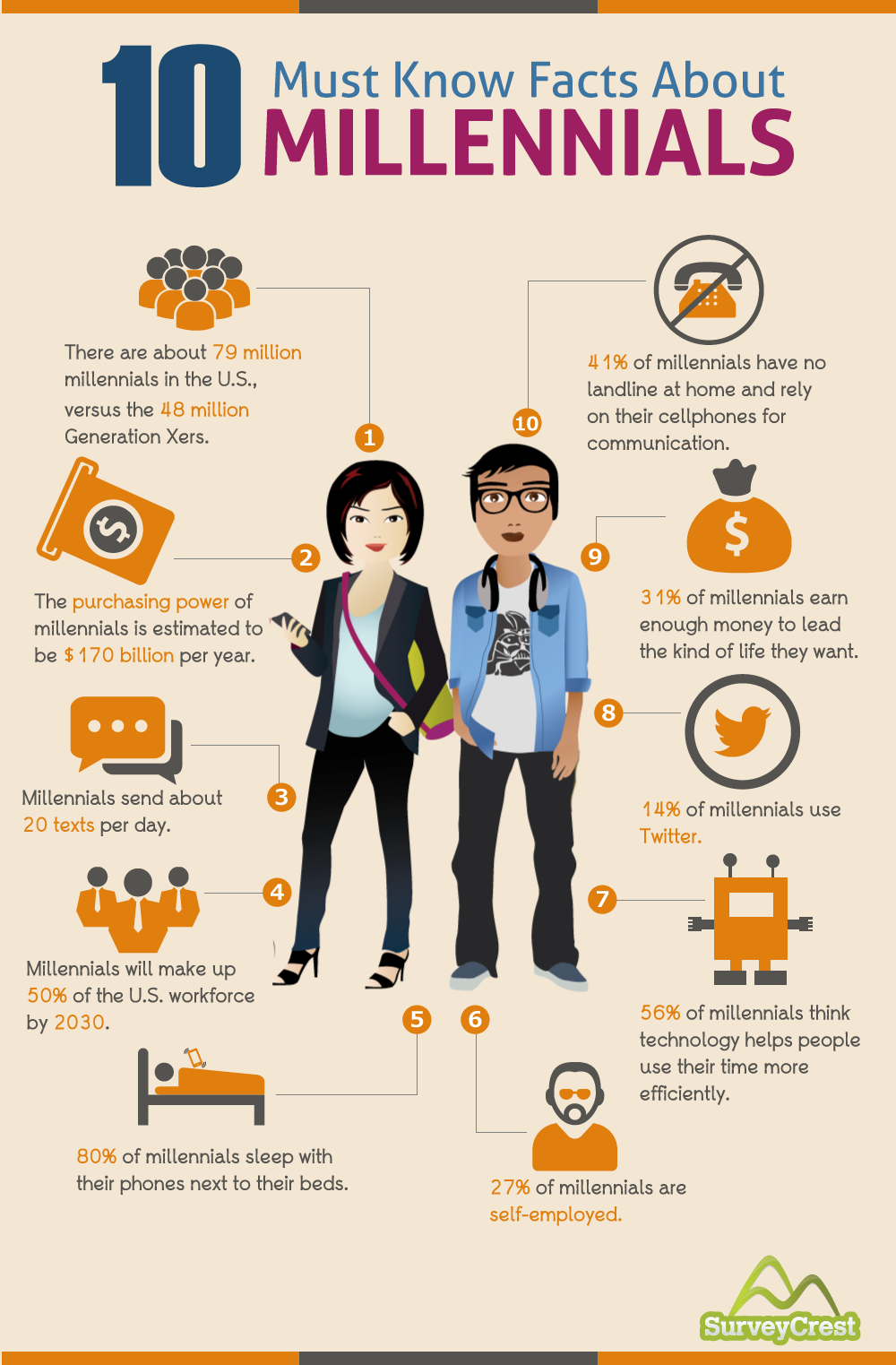
Today’s post is about how Millennials are driving change to the way that wealth is invested, with their propensity to insist that ethics, and along with it, social, economic, and ecological bottom lines are considered and balanced. By the way, let’s not ignore Millennials. Why? Their spending power is estimated at US$170B per year. I highly recommend that you spend a moment looking at this infographic (in small form here, linked to a larger size image for your convenience).

This is why a small story in The Economist’s most recent issue caught my eye. It’s called Generation SRI and the subtitle is “Sustainable Investing Joins the Mainstream”. SRI is “Socially Responsible Investing”.
From the article:
Fans of “socially responsible investment” (SRI) hope that millennials, the generation born in the 1980s and 1990s, will drag these concepts into the investment mainstream. SRI is a broad-brush term, that can be used to cover everything from divestment from companies seen as doing harm, to limiting investment to companies that do measurable good (impact investing). The US Forum for Sustainable and Responsible Investment, a lobby group, estimates that more than a fifth ($8.7trn) of the funds under professional management in America is screened on SRI criteria, broadly defined, up from a ninth in 2012 (see chart).
The numbers are hard to ignore.
From the Green Money Journal:
Sustainable, responsible and impact investing assets now account for $8.72 trillion, or one in five dollars invested under professional management in the United States according to the US SIF Foundation’s biennial Report on US Sustainable, Responsible and Impact Investing Trends 2016 which was released in mid-November 2016. See chart below:

According to a survey in America by Morgan Stanley, 75% (of Millennials) agreed that their investments could influence climate change, compared with 58% of the overall population. They not only believe in the triple bottom line, they have confidence that they can be change agents. They are also twice as likely as investors in general to check product packaging or invest in companies that espouse social or environmental objectives.
The Economist article cautions us that we can’t fool Millennials. They have too much savvy, and their’s too much data available to them (and they know how to use it) to ‘greenwash’ this group. From the article: “money managers who pay only lip-service to SRI are unlikely to get away with it for long: sooner or later the robots and millennials are bound to call them out”. And there is the rationale for the title of this blog post.
Let’s get back to the Morgan Stanley survey.
“As widespread attention to sustainability continues to increase, consumers and investors alike are now more than ever factoring sustainability issues into their investment decisions,” said Audrey Choi, Chief Sustainability Officer and Chief Marketing Officer at Morgan Stanley.
Because it’s important for us as project managers – with an increasing number of Millennial stakeholders – to understand this generation, we provide this extract from the survey. Note the connection to long-term thinking.
• Values Matter. Consciousness around sustainability has leapt from the consumer space to the investment space. According to the latest survey, investor attention to sustainability factors is now growing faster than that of consumers as a whole.
• Environmental impact. Increased interest in sustainable investing occurred despite a heightened sense of market volatility, implying perhaps that in uncertain times, companies and funds with sustainable attributes may be viewed as more stable over the long run. 71% of investors polled agreed that good social, environmental and governance practices can potentially lead to higher profitability and may be better long-term investments.
• Focus on Customization. The poll showed a strong desire for the ability to customize sustainable investments; 80% of individual investors and 89% of Millennials are interested in sustainable investments that can be customized to meet their interests and goals.
• Sustainable Investing in the Workplace. With Millennials projected to make up 75% of the American workforce by 2025, it’s interesting to note that nine out of ten Millennial investors (90%) expressed interest in pursuing sustainable investments as part of their 401(k) portfolios. This implies that offering sustainable investment funds as 401(k) options may be an additional way for companies to attract and retain Millennial talent in competitive job markets.
Millennials continue to fuel growth. Nearly nine in ten Millennials surveyed (86%) are interested in sustainable investing, compared with three-quarters of individual investors overall (75%). This heightened interest is likely tied to Millennials’ strong belief that they can make a positive difference with their own investments. Related findings from the survey include:
• Influence. 75% agree that it is possible for “my investment decisions to influence the amount of climate change caused by human activities," compared with 58% of the total individual investor population.
• Impact. 84% agree that it is possible for “my investment decisions to create economic growth that lifts people out of poverty," compared with 79% of the total individual investor population surveyed.
In summary, you get a feel here for the mindset of these Millennial investors, who are also project sponsors, team members, leaders, and customers.
What does this mean to project managers? Well, if investors, who are (or should be) long-term thinkers are increasingly thinking about long-term impact, and projects are launched by investors, then by the tried and true property of transitivity, project managers should be thinking about long-term impacts as well – thinking through the project’s outcome to the benefits – and other side-effects of the project’s product in the long-term.
In Part 2, I’ll discuss the particular ‘outcome areas’ that are the focus of sustainable investment, and how you can use this information to (A) make better decisions on your own project that serve the longer term, and (B) better understand the thinking behind the investment choices made by Millennials.
Posted
by
Richard Maltzman
on: November 29, 2017 07:51 PM |
Permalink
Comments (11)
Please login or join to subscribe to this item

Stéphane Parent
Retired (for now)| Leader Maker
Prince Edward Island, Canada
The Millenials spending power is certainly a worthwhile market. Of course, it pales in comparison to the Baby Boomers' $4.74T expected over the next 20 years, an average of $237B a year.
You should not discount sustainability as unimportant to boomers. It certainly is pretty high in the list of values of this boomer.

James Buchanan
Executive Consultant| ERPi, LLC
Brunswick, Md, United States
I think the greatest take-away from this article is that millenials use information to decide...more so than the generations before them. This makes the vulnerable to false assertions posing as facts.
Stéphane Parent
Retired (for now)| Leader Maker
Prince Edward Island, Canada
"False assertions posing as fact": sound like "fake news" to me, James.
Very good thanks for sharing

Frances Kerr
Associate Program Manager| PreSonus Audio Electronics
Baton Rouge, La, United States
It was a very interesting and informative read. As a people we need to focus on sustainability in the long term if we are to continue our profession and create successful projects.

Rami Kaibni
 Community Champion
Senior Projects Manager | Field & Marten Associates
New Westminster, British Columbia, Canada
@Stéphane, I actually thought about that when writing this, and indeed, one thing I'll discuss in Part 2 is the fact that Millennials have an effect on the spending of their Baby Boomer parents, so one might think of adding the trillions to the billions... And yes, of course, many Baby Boomers are also focused on sustainability and investments based on long-term and socially-responsible thinking. Thanks for your comment.

Drew Craig
Sr. Agile & Product Coach| Vanguard
Philadelphia, Pa, United States
Thank you, Richard! Looking forward to part 2!

Vincent Guerard
Coach - Trainer - Speaker - Advisor| Freelance
Mont-Royal, Quebec, Canada
Thank you
Waiting for part 2
Great article. Thanks for sharing
Please Login/Register to leave a comment.
|
"Man will occasionally stumble over the truth, but most times he will pick himself up and carry on."
- Winston Churchill
|