Project Management

Maybe We Should Write That Spot Down

From the People, Planet, Profits & Projects Blog
by ,

About this Blog

RSS

View Posts By:

Richard Maltzman
Dave Shirley

Recent Posts

Saving the Sahel (Part 1)

You Can't Get They-ah From Hee-yah

Floating an idea into reality: the other side of the AI Project Paradox

The Environment of the Built Environment: an AI Paradox

Is plastic on your mind?

Categories

6th, 6th Edfition, 6th Edition PMBOK, 7th Edition, 7th Edition PMBOK, 8th Edition PMBOK, 8th Edition PMBOK Guide, Activism, actuarial, actuary, adapt, addition by subtraction, Africa, africa, agriculture, airforce, ajaita, Alaska, amazon, analogous, analytics, ancient, and more power, antarctica, anti-science, apple, apps, architecture, arctic, arrakis, Artificial Intelligence, asch paradigm, Assistant, asthma, astronomy, automobile, automotive, autonomous cars, b, bankhar, Banksy Crypto, basalt, baseball, bats, batter, beauty products, benefit, benefits, Benefits Realization, beyond epica, biases, bicycle, big data, big dfata, big dig, bike, biodiversity, biomedicine, birdhouse, blockchain, blood, blue blood, blue trees, bluefin, bluefin tuna, book review, boston, boston university, Boyce, Brazil, brazil, Breakdown Structures, BS, building, buildings, built environment, built environment, bumblebee, cake, capacitor, car, Carbon, carbon, carbon capture, carbon negative, carbon neutral, carbon pool, carbon sequestration, carbonate, careers, CEO, ChatGPT, chatGPT, chatgpt, chatgpt, chess, China, china, chopsticks, citrus, cli-fi, climate, climate change, climate resilience, climeworks, Clumsy, CO2, co2, CO2 Utilization, coalition, cobalt, coffee pods, cognition, cognitive, Collabortion, colombia, concrete, Conflict, construction 5.0, cool projects xyloscope, cooling, coral, corn, cost of good quality, cost of poor quality, cost of quality, crazy, criticism of project management, cryptocurrency, CSR, csr, data, data analytics, data privacy, datacenter, dataset, death spiral, Decision Making, decomposition, Defense and Climate, definition of a project, deforestation, dependencies, dependency, desert, DIKW, dikw, dimopoulos, disposal, dna, DOD, dogs, dolphins, dream, drilling, drink, dune, dune, dutch, early start, earth, eatlocal, eco-tourism, ecological, economic, economics, EKC, electric grid, electricity, electronics, elysis, embodied carbon, emerging technologies, empower, Energy, energy efficiency, environmental degradation, escalate, escalation, ESG, extreme weather, fallacy, FARC, farming, finance, fish, fish brains, fishing, fix, fixing the earth, flint water, Flint Water Supply, flood, flooding, Food supply chain, food waste, forest, forest for the trees, forestation, forrestgump, frank herbert, Fruitcake, fungus, fusion, Galvao, garage, gas, gasoline, geese, gender equality, gender partnerships, generational differences, Generative AI, gladwell, gold, Goodness, google, Government, GPT, great pacific garbage patch, green, green building, green buildings, green energy, green iguana, green project, green project management, greening, guest post, gyre, harkonnen, Harvesting Benefits, hawasina, hedgehogs, heursitics, historical data, hlb, holitsic, holland, horseshoe crab, human-caused climate change, hydrogen, hydrology, ice, iceland, ignition, iguana, imagery, impact, india, inequality, information, initiatives, injection, insurance, intelligence, interacting risk, internal combustion engine, invasive species, investment, isomer, issue escalation, issues, ITER, jobs, Jupiter, justification, kids, kill point, knowledge, koch brothers, Kuznets, laboratory, LAL, landscape mode, lapampa, launch, LCA, Leadership, Leadership, life cycle analyses, life cycle analysis, lifecycle, Linkedin, liquid, lizard, local, long term, long-term, long-term thinking, look up, loud, maintenance, maker, makermovement, malcolm gladwell, management, marathon, marine biology, market, mars, Martin Luther King, mean, megawatt, MeHg, melting, mercury, metal, Microgrid, microplastics, migration, military, millennial, mindset, minerals, mission, mitigate, MLK, mongolia, museum, museum of london, nature, nematodes, net gain, Net Project Success Score, net zero, netherlands, network, New book, New Jersey, New Practitioners, new york, NFT, nitrogen, noise, noreaster, norway, nova, NPSS, NREL, ocean, ocean cleanup, ocean life, oil rig, oil rigs, oklahoma, oman, only murders in the building, opportunity, overall risk, oxygen, packaging, pareto, PBS, permafrost, persistence, peru, Pharmaceutical, planet, planet.com, planning, plant, plasma, plastic, playground, pm, pm education, pmbok, pmbok guide, pmnetwork, PMXPO-2018, podcast, pollutants, pollution, poop, poor, portfolio, power, power skills, privacy, privacy concerns, professors, program, Program Management, project, project leader, project leadership, project management, project management 3.0, project on fire, project progress, Project Success, project success, projecticity, projectleadership, projectmanagement, projects, psychology, pulse of the profession, purple bacteria, purpose, quiet, rainforest, rationale, reef, refugees, renewable, renewables, Repair, repair, repeatable process, repeatable processes, repurpose, research, resource breakdown strucuture, Resource Management, reversing climate change, revisionist history, rich, rigs2reefs, ripe, risk, risk avoidance, Risk Management, risk mitigation, risk response, risk responses, river, robots, rocks, rules of thumb, rural, rural India, russia, Sarcasm/Irony, satellite, saudi, schedule, sci-fi, Science, science, science-fiction, scientific american, screaming monkeys, sea, sea life, Sea-Level Rise, sea-level rise, seagreens, seawall, seawater, seawater temperature, seaweed. beat;es. farming, secondary risk, selena gomez, sequestration, shipping, skyscraper, SLR, smart cities, smart city, smelting, social, social pressure, soil, solar, solar panels, solar perovkites, solar saheli, sonic, sponge cities, SRI, stage-gate, stagegate, stakeholder, stakeholder management, steward, stewardship, storage, strategy, stupid, success, suffer, sulphur, sunk cost, supercapacitor, supply chain, survey, Sustainability, sustainability, Sustainable Investing, Sustainable Tourism, sybiosis, symbiosis, system 03, TBL, temperature, terraform, terraforming, test, threat, threats, totem, touchscreen, tour, tower, Trains, transparency, transportation, trash, tree, tree species, trees, trillion, triple bottom line, triple constraint, truth to power, UMass, us army corps of engineers, USDA, vacuum, value, venus, vision, voice, voltage optimization, vw scandal, washing machine, waste, wastewater, water, we mean business, whales, Whirlpool, wind, wisdom, women, Women in Project Management, wood wide web, woonerf, Work Breakdown Structures (WBS), world breakdown structure, worms, xian, xylotron, Yale

Date

linkedin twitter facebook Request to reuse this  


For project managers, lessons learned are an essential part of our job – more so than for most professions.  Why?  Projects are unique.  Your project, by definition has never been done before, ever! 

Luckily, there may have been a similar project, perhaps in a different location, or using a slightly older technology, but like a snowflake – yours is different than the others before it.  However, just as in snowflakes, your project does have some structural similarities – it’s made from frozen water, and will have six points and/or sides.

From an excellent article1 on Project Management available for free at PMI.org, there is this statement:

Most project managers know the importance of capturing lessons learned; it is good for the team, organization, existing and future projects. Lessons learned are the documented information that reflects both the positive and negative experiences of a project. They represent the organization’s commitment to project management excellence and the project manager’s opportunity to learn from the actual experiences of others.

The article also provides a visual that describes the process which seems straightforward but we can stand to be reminded of the steps:

So, we do use lessons learned to guide us, if we are wise.

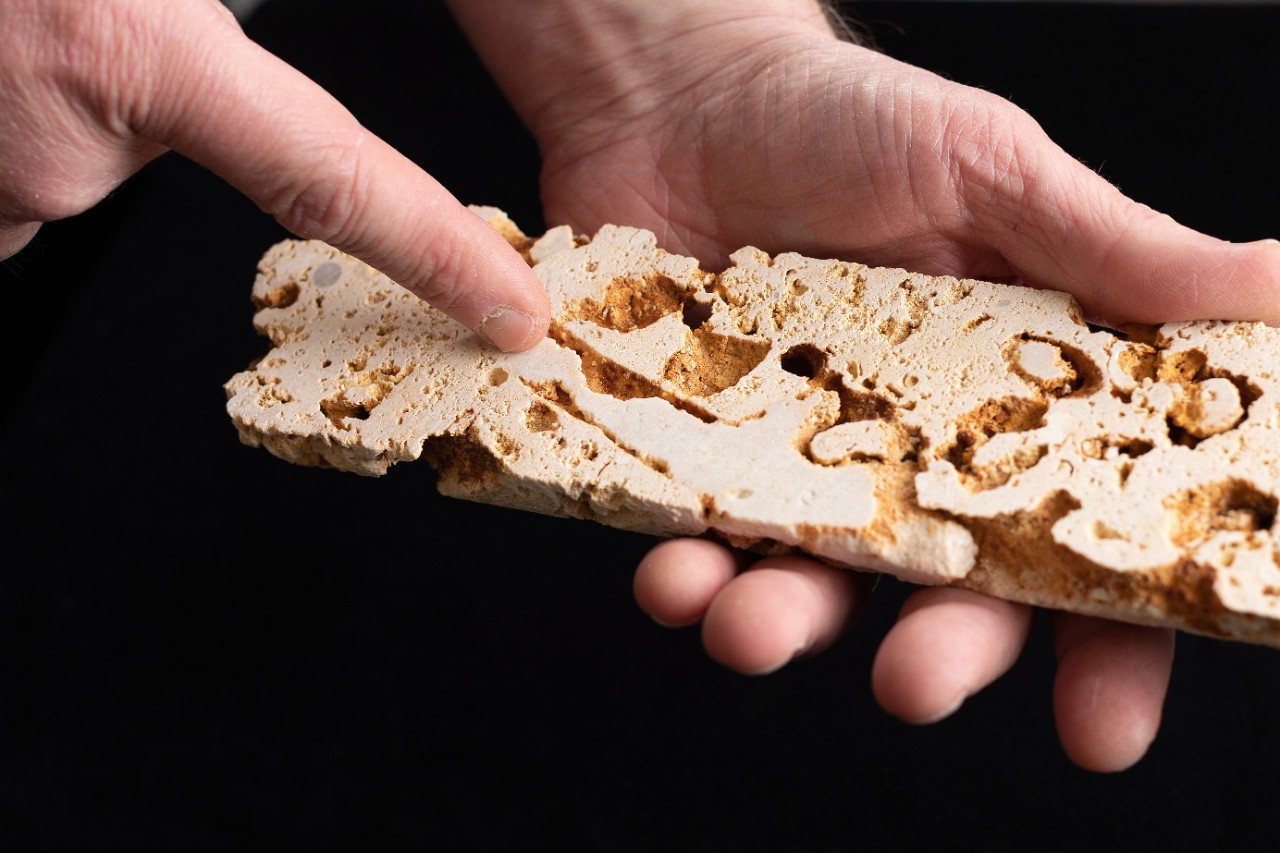
An article from Sydney University, entitled “Why revisiting the Great Barrier Reef’s past could protect its future” recently caught my attention and brought to mind just how important lessons learned – and the archived history of the past - can be not only to project management but to science; in this case, the science of understanding the survival of the Great Barrier Reef.

University researchers are reimagining 500,000 years of evolution to conserve one of the world’s greatest natural wonders: the Great Barrier Reef.

This innovative approach creates an archive of environmental change from the distant past that is then linked to the present and provides invaluable intel for protecting the reef in the future. For example, carbon dating of ancient coral and algae extracted from reef cores helps to determine the historic life-and-death impact of climate change.

How can all of this historical data from the past affect the future?  It’s a baseline.  It’s informative on multiple levels.

The data generated are already having an enormous impact, nationally and globally. Australian governments and the Great Barrier Reef Marine Park Authority routinely use the information to determine optimal reef management. Associate Professor Webster’s team’s high-resolution mapping has provided more precise guidance on dividing up reef zones and his environmental thresholds data from the past can help determine how sensitive the reef is to sediment run-off and nutrient delivery from waterways that feed into it. This is a critical part of reef management as debates continue about land use in the reef’s hinterland by primary industries, including agriculture and mining.

But here’s the thing.  These scientists are having to use a wide variety of sophisticated tools in order to uncover the history.  As project managers we need only one tool: our brains and our motivation to record what has happened.  We need to remember to archive and make available to our project management community the wisdom of past projects.  We need to record – when the pain or pleasure is fresh – what went poorly, and we NEVER WANT TO EVER EVER DO AGAIN, and what went well, and thus we WANT TO REPEAT WHENEVER POSSIBLE.

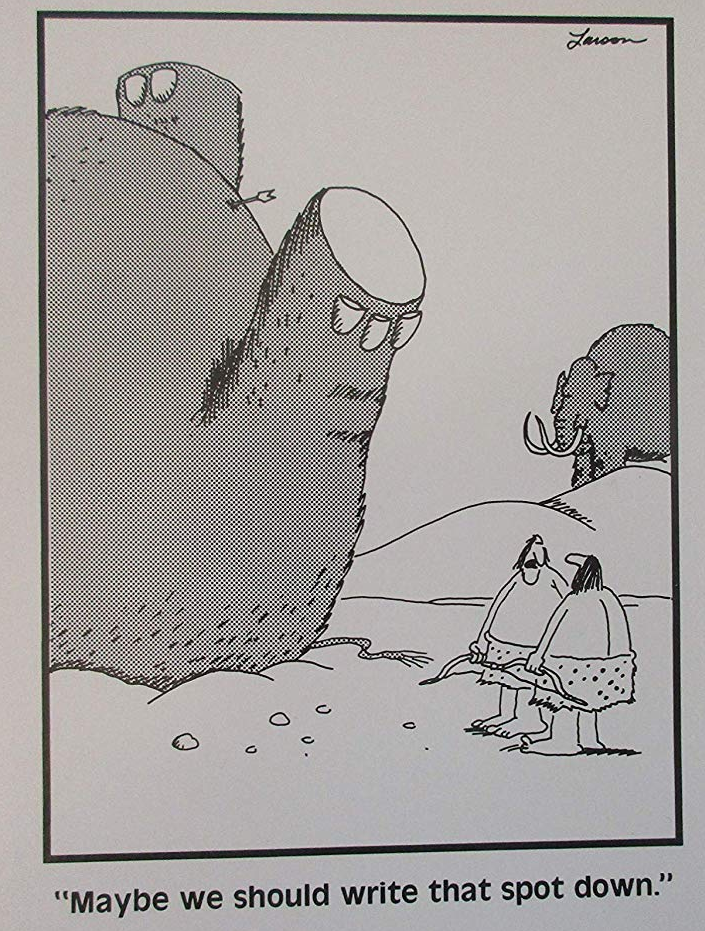
This brings to mind a Far Side cartoon from the 80s – one of those classics drawn by Gary Larson.  In it, we see a couple of cavemen near a felled mammoth, in which one little arrow – in a particular soft spot of the animal, has brought it down.  Here it is:

 This spot would be a good one to remember for the future, don’t you think?  Even the cavemen know it.  One says, “maybe we should write that spot down”.  He’s “write”, you know!

In this image, we’re the cavemen.  These are ancient knowledge transfer agents, advancing information into wisdom for future use.  We need to be more like them – and less like the mammoth.

FINAL NOTE: Since this post – and the article to which it refers - to concerns Australia, I thought you may appreciate this video treatment of “What Every Australian Should Know About Climate Change”.

1Rowe, S. F. & Sikes, S. (2006). Lessons learned: taking it to the next level. Paper presented at PMI® Global Congress 2006—North America, Seattle, WA. Newtown Square, PA: Project Management Institute


Posted by Richard Maltzman on: November 24, 2019 05:25 PM | Permalink

Comments (5)

Please login or join to subscribe to this item
avatar
Ashleigh Kennett-Smith ICT Project Manager| Australian Red Cross Lifeblood Adelaide, South Australia, Australia
The missing piece for me is "and remember to read back through your record of all the good and bad spots before you start (and while you're undertaking your next project".

I am trying to recall, is there a "review lessons learnt from previous projects" in PMBOK or any other project methodology or framework (I believe there is but can't recall). I'd assume it could be as early as the selection and/or proposal/business case.

avatar
Luis Branco CEO| Business Insight, Consultores de Gestão, Ldª Carcavelos, Lisboa, Portugal
Dear Richard
Interesting perspective on the topic
Thanks for sharing

PMBOK Guide's current approach differs from the previous edition's lessons learned

Personally I agree more with the knowledge management that is carried out throughout the project and which is registered in the company's SI and which can and should be used in other projects promoted or managed by the organization.

Ideally, stakeholders should record the tacit knowledge gained throughout the project.

avatar
Eduin Fernando Valdes Alvarado Project Manager| F y F Fabricamos Futuro Villavicencio, Meta, Colombia
Thanks for sharing

avatar
Suzi MS United Kingdom
Very interesting perspective and comparison, thank you

avatar
Farooq Ali Pakistan
Great analogy....Thanks!

Please Login/Register to leave a comment.

ADVERTISEMENTS

"I choose a block of marble and chop off whatever I don't need."

- Rodin

ADVERTISEMENT

Sponsors