Project Management

A Century-Old Battery, Recharged

From the People, Planet, Profits & Projects Blog
by ,

About this Blog

RSS

View Posts By:

Richard Maltzman
Dave Shirley

Recent Posts

Saving the Sahel (Part 1)

You Can't Get They-ah From Hee-yah

Floating an idea into reality: the other side of the AI Project Paradox

The Environment of the Built Environment: an AI Paradox

Is plastic on your mind?

Categories

6th, 6th Edfition, 6th Edition PMBOK, 7th Edition, 7th Edition PMBOK, 8th Edition PMBOK, 8th Edition PMBOK Guide, Activism, actuarial, actuary, adapt, addition by subtraction, Africa, africa, agriculture, airforce, ajaita, Alaska, amazon, analogous, analytics, ancient, and more power, antarctica, anti-science, apple, apps, architecture, arctic, arrakis, Artificial Intelligence, asch paradigm, Assistant, asthma, astronomy, automobile, automotive, autonomous cars, b, bankhar, Banksy Crypto, basalt, baseball, bats, batter, beauty products, benefit, benefits, Benefits Realization, beyond epica, biases, bicycle, big data, big dfata, big dig, bike, biodiversity, biomedicine, birdhouse, blockchain, blood, blue blood, blue trees, bluefin, bluefin tuna, book review, boston, boston university, Boyce, Brazil, brazil, Breakdown Structures, BS, building, buildings, built environment, built environment, bumblebee, cake, capacitor, car, Carbon, carbon, carbon capture, carbon negative, carbon neutral, carbon pool, carbon sequestration, carbonate, careers, CEO, ChatGPT, chatGPT, chatgpt, chatgpt, chess, China, china, chopsticks, citrus, cli-fi, climate, climate change, climate resilience, climeworks, Clumsy, CO2, co2, CO2 Utilization, coalition, cobalt, coffee pods, cognition, cognitive, Collabortion, colombia, concrete, Conflict, construction 5.0, cool projects xyloscope, cooling, coral, corn, cost of good quality, cost of poor quality, cost of quality, crazy, criticism of project management, cryptocurrency, CSR, csr, data, data analytics, data privacy, datacenter, dataset, death spiral, Decision Making, decomposition, Defense and Climate, definition of a project, deforestation, dependencies, dependency, desert, DIKW, dikw, dimopoulos, disposal, dna, DOD, dogs, dolphins, dream, drilling, drink, dune, dune, dutch, early start, earth, eatlocal, eco-tourism, ecological, economic, economics, EKC, electric grid, electricity, electronics, elysis, embodied carbon, emerging technologies, empower, Energy, energy efficiency, environmental degradation, escalate, escalation, ESG, extreme weather, fallacy, FARC, farming, finance, fish, fish brains, fishing, fix, fixing the earth, flint water, Flint Water Supply, flood, flooding, Food supply chain, food waste, forest, forest for the trees, forestation, forrestgump, frank herbert, Fruitcake, fungus, fusion, Galvao, garage, gas, gasoline, geese, gender equality, gender partnerships, generational differences, Generative AI, gladwell, gold, Goodness, google, Government, GPT, great pacific garbage patch, green, green building, green buildings, green energy, green iguana, green project, green project management, greening, guest post, gyre, harkonnen, Harvesting Benefits, hawasina, hedgehogs, heursitics, historical data, hlb, holitsic, holland, horseshoe crab, human-caused climate change, hydrogen, hydrology, ice, iceland, ignition, iguana, imagery, impact, india, inequality, information, initiatives, injection, insurance, intelligence, interacting risk, internal combustion engine, invasive species, investment, isomer, issue escalation, issues, ITER, jobs, Jupiter, justification, kids, kill point, knowledge, koch brothers, Kuznets, laboratory, LAL, landscape mode, lapampa, launch, LCA, Leadership, Leadership, life cycle analyses, life cycle analysis, lifecycle, Linkedin, liquid, lizard, local, long term, long-term, long-term thinking, look up, loud, maintenance, maker, makermovement, malcolm gladwell, management, marathon, marine biology, market, mars, Martin Luther King, mean, megawatt, MeHg, melting, mercury, metal, Microgrid, microplastics, migration, military, millennial, mindset, minerals, mission, mitigate, MLK, mongolia, museum, museum of london, nature, nematodes, net gain, Net Project Success Score, net zero, netherlands, network, New book, New Jersey, New Practitioners, new york, NFT, nitrogen, noise, noreaster, norway, nova, NPSS, NREL, ocean, ocean cleanup, ocean life, oil rig, oil rigs, oklahoma, oman, only murders in the building, opportunity, overall risk, oxygen, packaging, pareto, PBS, permafrost, persistence, peru, Pharmaceutical, planet, planet.com, planning, plant, plasma, plastic, playground, pm, pm education, pmbok, pmbok guide, pmnetwork, PMXPO-2018, podcast, pollutants, pollution, poop, poor, portfolio, power, power skills, privacy, privacy concerns, professors, program, Program Management, project, project leader, project leadership, project management, project management 3.0, project on fire, project progress, Project Success, project success, projecticity, projectleadership, projectmanagement, projects, psychology, pulse of the profession, purple bacteria, purpose, quiet, rainforest, rationale, reef, refugees, renewable, renewables, Repair, repair, repeatable process, repeatable processes, repurpose, research, resource breakdown strucuture, Resource Management, reversing climate change, revisionist history, rich, rigs2reefs, ripe, risk, risk avoidance, Risk Management, risk mitigation, risk response, risk responses, river, robots, rocks, rules of thumb, rural, rural India, russia, Sarcasm/Irony, satellite, saudi, schedule, sci-fi, Science, science, science-fiction, scientific american, screaming monkeys, sea, sea life, Sea-Level Rise, sea-level rise, seagreens, seawall, seawater, seawater temperature, seaweed. beat;es. farming, secondary risk, selena gomez, sequestration, shipping, skyscraper, SLR, smart cities, smart city, smelting, social, social pressure, soil, solar, solar panels, solar perovkites, solar saheli, sonic, sponge cities, SRI, stage-gate, stagegate, stakeholder, stakeholder management, steward, stewardship, storage, strategy, stupid, success, suffer, sulphur, sunk cost, supercapacitor, supply chain, survey, Sustainability, sustainability, Sustainable Investing, Sustainable Tourism, sybiosis, symbiosis, system 03, TBL, temperature, terraform, terraforming, test, threat, threats, totem, touchscreen, tour, tower, Trains, transparency, transportation, trash, tree, tree species, trees, trillion, triple bottom line, triple constraint, truth to power, UMass, us army corps of engineers, USDA, vacuum, value, venus, vision, voice, voltage optimization, vw scandal, washing machine, waste, wastewater, water, we mean business, whales, Whirlpool, wind, wisdom, women, Women in Project Management, wood wide web, woonerf, Work Breakdown Structures (WBS), world breakdown structure, worms, xian, xylotron, Yale

Date

linkedin twitter facebook Request to reuse this  


Electric vehicles appear to be the trend of the future.  Ford is introducing a pretty cool-looking Mustang SUV which is fully-electric.  Of course Tesla has had electric vehicles for years, and some states and countries are moving to eliminate all vehicles but electric in the near future.

But what is interesting and surprising to many folks is that the move to fossil-fuel vehicles was actually a shift AWAY from the existing electric vehicles of the early 1900s.

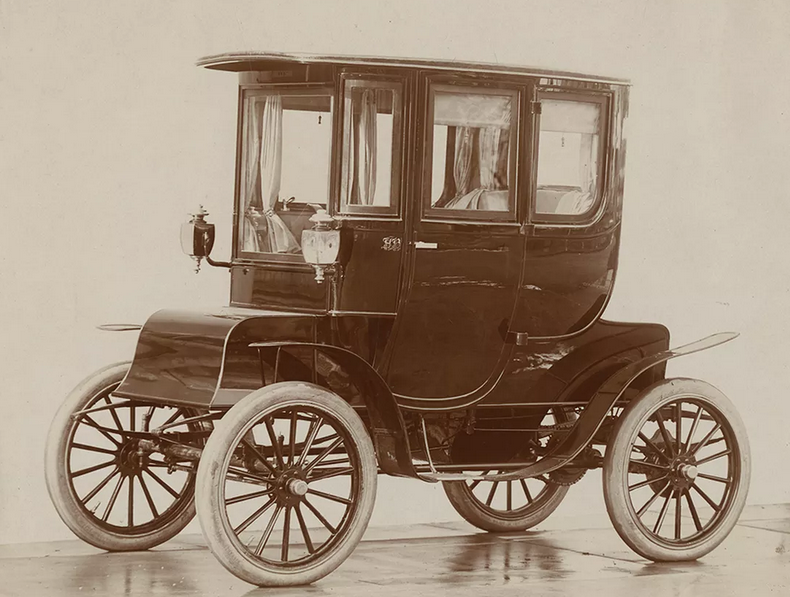
Everything old is new again.  Below is a picture of a 1900s Fritchie, and below it, the brand new Ford Mustang all-electric Mach-e.  Quite a difference.

It’s actually quite an interesting story – learn more here.

Download this interesting history of the electric vehicle:

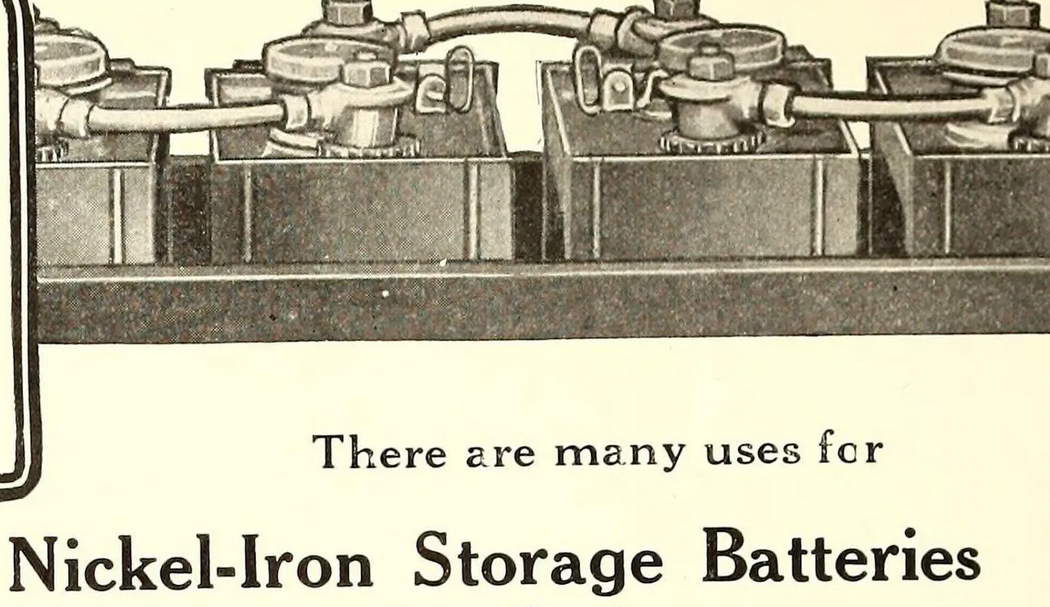
But that’s not the real story here, it’s more about the batteries in those old electric cars, a battery invented by a Swedish scientist and brought to popularity by Thomas Edison.

And it’s also a story about Texas and some Texas-sized tall tales about wind power’s alleged failures.

For example, Fox News’ Tucker Carlson said “a reckless reliance on windmills is the cause of this disaster,” claiming that “the windmills froze, so the power grid failed”.  Here’s a story from the Texas Tribune on the power failures.

Reuter’s news fact checkers came up with this conclusion:

“The use of wind turbines in Texas does not appear to be the primary cause of statewide power outages amid historic cold weather. The state’s woes mainly stem from issues surrounding its independent power grid. The cold weather affected all fuel types, not just renewables.”

Still, although the criticism of wind power contrived and very much ‘over the top’, it is true that one improvement to renewable energy would be to store the power from windmills that aren’t currently turning or solar panels that aren’t being bathed in sunshine.

And that need for storage takes us to – you guessed it – batteries.  Until I read the BBC article and did some follow-up research, I wouldn’t have thought that the breakthroughs would be coming from the 90s.

And not the 1990s. The 1890s.

The battery of concern, the nickel-iron battery, was introduced (and patented) by Swedish inventor Ernst Waldemar Jungner in 1899.

It is very durable, is able to easily deal with the rigors of overcharging or being frequently depleted, but it does have the unique property of producing hydrogen as a byproduct.  In the 1890s, this was an annoying and potentially dangerous issue.  But 100+ years later, things are very different.

Do you remember your high school chemistry class?  Electrolyis?  See this video, just in case you forgot.

From the BBC article:

A research team at the Delft University of Technology in the Netherlands happened upon a use for the nickel-iron battery based on the hydrogen produced. When electricity passes through the battery as it’s being recharged, it undergoes a chemical reaction that releases hydrogen and oxygen. The team recognised the reaction as reminiscent of the one used to release hydrogen from water, known as electrolysis. 

"It looked to me like the chemistry was the same," says Fokko Mulder, leader of the Delft University research team. This water-splitting reaction is one way hydrogen is produced for use as a fuel – and an entirely clean fuel too, provided the energy used to drive the reaction is from a renewable source.

The technical paper about this process from Delft TU is here:

https://pubs.rsc.org/en/content/articlelanding/2014/ee/c6ee02923j#!divAbstract

The team came up with the name “Battolyser” (a cross between ‘electrolyser’ and ‘battery’)

Conventional batteries, such as those based on lithium, can store energy in the short-term, but when they’re fully charged they have to release any excess or they could overheat and degrade. The nickel-iron battolyser, on the other hand remains stable when fully charged, at which point it can transition to making hydrogen instead.

The University’s spin-off company Battolyser says this on the Koolen Industries website:

Right now, the largest battolyser in existence is 15kW/15kWh, and has enough battery capacity and long-term hydrogen storage to power 1.5 households. A larger version of a 30kW/30kWh battolyser is in the works at the Magnum power station in Eemshaven in the Netherlands, where it will provide enough hydrogen to satisfy the needs of the power station.

This video explains the functionality of the Battolyser project.

One takeaway for me in all of this: it may be a century before a project’s product (in this case, the invention of the nickel-iron battery) starts to yield real benefits!


Posted by Richard Maltzman on: February 26, 2021 11:32 PM | Permalink

Comments (2)

Please login or join to subscribe to this item
avatar
Kwiyuh Michael Wepngong
Community Champion
Financial Management Specialist | US Peace Corps Yaounde, Centre, Cameroon
Connecting the knowledge of a past century to our contemporary times! Thanks Richard

avatar
Paphatpisit Klinklan Regional Sourcing and Operation Manager| Krones (Thailand) Co., Ltd Samutprakan, Thailand
This are very good outstanding history artical.

Please Login/Register to leave a comment.

ADVERTISEMENTS
ADVERTISEMENT

Sponsors